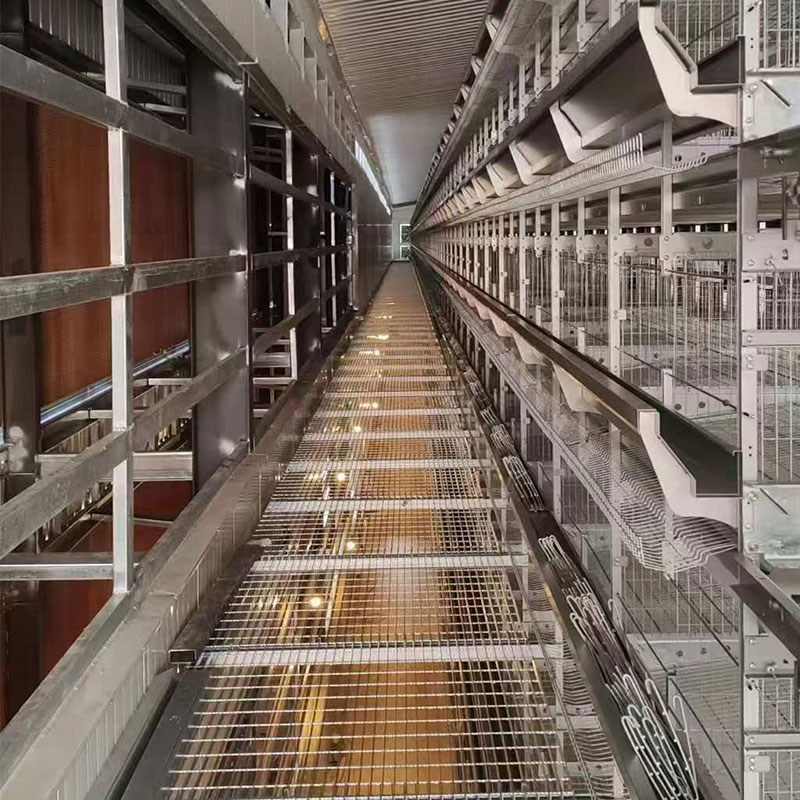
The Ultimate Guide to HType Layer Chicken Cages: Maximizing Efficiency and Welfare
In the competitive world of modern poultry farming, efficiency, animal welfare, and profitability are paramount. For serious egg producers, the choice of housing system is one of the most critical decisions. Among the various options, Htype layer chicken cages have emerged as a leading solution for largescale, highdensity egg production. This comprehensive guide delves deep into the design, benefits, operational considerations, and best practices for implementing Htype battery cages. Whether you're planning a new facility or upgrading an existing one, understanding this sophisticated system is key to building a sustainable and productive layer operation.
Htype layer cages, named for their vertical "H" frame structure when viewed from the end, represent an advanced evolution in cage farming. Unlike traditional Aframe or stairstep battery cages, Htype systems are typically multitiered vertical stacks where cages are arranged directly above one another in a compact, spacesaving configuration.
The core design principle involves a central feed line and manure removal system serving all tiers within a single column. Birds are housed in compartments arranged along both sides of this central service corridor. This modular, vertical design allows for exceptionally high stocking density while maintaining mechanized management of feeding, watering, egg collection, and manure cleaning.
A wellengineered Htype cage system is an integrated complex of several subsystems.
Frame: Made from hotdipped galvanized steel for corrosion resistance and longevity.
Tiers: Commonly 4 to 8 tiers high (sometimes more), maximizing vertical space.
Cage Modules: Individual compartments provide designated space per bird as per animal welfare guidelines (e.g., 750850 cm² per hen in enriched systems). The floor slope facilitates egg rolling to the collection belt.
Dividers & Doors: Allow for easy bird placement, inspection, and depopulation.
A central feed hopper supplies a chain or auger system that runs the length of each tier.
Feed is distributed evenly into the trough accessible to all birds on that level.
Modern systems feature demandfeeding or precise portion control via computerized management.
Nipple drinking lines are installed in each cage row.
They are connected to a main water line with pressure regulators and filters to ensure clean, fresh water is always available.
This is a defining feature. Manure belts run beneath each tier of cages.
At scheduled intervals (usually daily or weekly), belts automatically activate to transport manure to one end of the house into a crossconveyor or directly to a storage/processing area.
This keeps the environment dry, reduces ammonia levels dramatically, and improves overall air quality.
Gentle rubberized belts run along each tier where eggs roll out of the cage.
Eggs are conveyed centrally to an egg collection room where they can be automatically sorted, graded, and packed.
This minimizes breakage and labor costs.
The cage structure is designed to work seamlessly with the house's ventilation (tunnel or crossventilation), cooling (evaporative pads), and lighting systems to maintain optimal temperature, humidity, and light cycles.
The adoption of Htype systems offers compelling benefits for commercial producers:
| Advantage | Description |
| : | : |
| Maximized Land Use | Exceptional bird density per square meter of floor space reduces land footprint and building costs. |
| High Labor Efficiency | Full automation (feeding, watering, egg collection, manure cleaning) drastically cuts labor requirements by up to 70% compared to manual systems. |
| Superior Environmental Control | Dry manure belt system significantly lowers ammonia emissions (<10 ppm), improving bird health and worker conditions. It also allows for easier manure management as a byproduct. |
| Enhanced Biosecurity | Birds are separated from their manure reducing disease vectors like coccidiosis and worm infestations. Controlled access points limit humanintroduced pathogens. |
| Improved Egg Quality & Safety | Automated collection leads to cleaner eggs with less cracks (<2%). Eggs are quickly removed from the production area reducing contamination risk (e.g., Salmonella). |
| Precision Management | Integration with farm management software allows for monitoring feed consumption, water intake,and production data per row or section enabling datadriven decisions. |
| Better Bird Observation | Workers can walk through central aisles at eyelevel with most tiers for easier health monitoring and inspection without disturbing all birds |
While advantageous,Htype systems require significant planning:
1. High Capital Investment: The machinery automation represents major upfront cost requiring detailed financial modeling ROI analysis over its lifespan(typically15+ years).
2. Technical Expertise Required: Operation maintenance demand skilled technicians understanding mechanical electrical pneumatic systems alongside poultry science Regular preventative maintenance schedule essential avoid costly downtime
3. Power Dependency: Reliable uninterrupted power supply backup generators critical lifesupport systems fail during outage birds can perish quickly due lack ventilation water
4. Bird Source & Welfare Compliance: Must source pullets adapted cage rearing Ensure system meets latest regional animal welfare regulations stocking density enrichments like scratch pads claw shorteners nest space Many modern "enriched"or "furnished"cage designs incorporate these features within Hframe structure
5. Ventilation Design Mastery: High bird density generates immense heat moisture Requires expertly designed ventilation system capable maintaining uniform environment throughout tall dense structure Stale air pockets detrimental flock health
To maximize returns on your investment follow these expert guidelines:
1 . Thorough Flock Preparation: Ensure pullets reach target body weight uniformity before transfer Strong skeletal development crucial navigating multitier system Train them on nipple drinkers pretransfer if possible
2 . Meticulous Startup & Calibration: Before bird arrival run all systems extensively calibrate feed lines adjust water pressure test manure belt timing sequence egg collectors Finetune everything empty house
3 . Implement Rigorous Monitoring: Beyond automated data conduct minimum twicedaily walkthroughs observe bird behavior distribution feed water consumption patterns Early detection problems saves flocks profits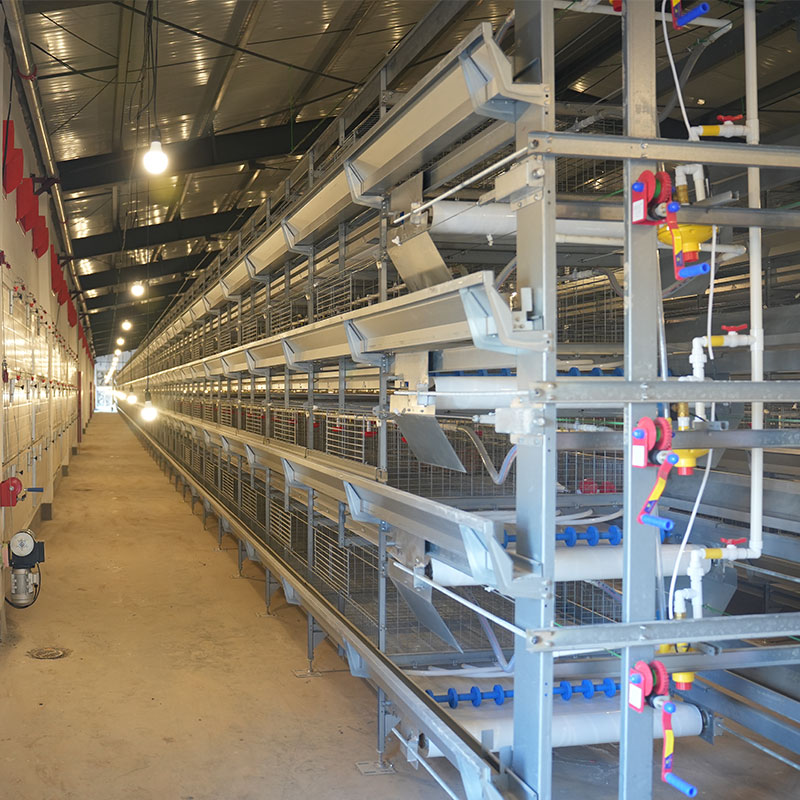
4 . Master Manure Management: Optimize belt running frequency based climate season prevent excessive drying caking Develop plan for removed manure composting drying pelletization sale
5 . Prioritize Lighting Program: Use uniform efficient LED lighting appropriate intensity lux stimulate production manage behavior prevent feather pecking Ensure no dark spots exist tiers
6 . Comprehensive Staff Training: Train workers not just routine tasks but also troubleshooting identify sick birds understand basic mechanics Empower them report anomalies immediately
7 . DataDriven Decision Making: Leverage collected data track feed conversion ratio FCR henhoused egg production mortality rates Use benchmarks identify underperforming sections intervene promptly
Htype layer chicken cages represent pinnacle automated intensive egg production technology When planned meticulously managed expertly they offer unparalleled combination efficiency productivity bird health environmental control However they not "set forget" solution Their success hinges deep understanding engineering principles poultry biology committed skilled management team For largescale commercial producer aiming supply consistent highquality eggs sustainably competitively investing modern compliant Htype system proven pathway achieving those goals Future likely see further integration smart sensors AIdriven monitoring taking precision livestock farming even higher levels within this robust framework
Q1: What is the typical lifespan of an Htype layer cage system?
With proper maintenance using quality galvanized materials automated components wellmaintained Htype system last years Major parts like feeders drinkers belts may require scheduled replacement year intervals depending usage wear tear Structural frame itself endure decades
Q2: How many birds can be housed in one Htype cage unit?
Capacity varies manufacturer design welfare regulations A standard tier enriched compartment might house birds per compartment Multiple compartments per row Total house capacity calculated based number rows tiers Always comply local laws minimum space requirements per hen
Q3: Are Htype cages considered better than Aframe cages?
Generally yes commercial scale offer superior space utilization labor efficiency environmental control through dry manure belts Aframe often simpler cheaper suitable smaller operations but have higher ammonia emissions require manual manure handling
Q4: How do you prevent eggs from cracking in automated collection?
Modern use gentle rubberized belts gradual descent angles Regular maintenance belt tension alignment crucial Providing adequate cushioning bedding nest area also helps ensure eggs roll out smoothly without impact
Q5: What happens during a power failure?
Backup generator automatic transfer switch absolutely critical must start within seconds maintain ventilation watering minimal lighting Extended power loss catastrophic due heat buildup lack airflow Contingency plan nonnegotiable
Q6: Can you raise pullets directly in an Htype cage system?
Possible but requires specialized smallercage pulletrearing modules same style Alternatively many producers rear pullets separate facility floor aviary systems then transfer pointoflay hens adapted navigating multitier environment
Q7: How often should the manure belts run?
Frequency depends climate season humidity Summer may require daily runs prevent ammonia Winter might allow every days Goal keep manure relatively dry without letting become caked difficult remove Optimize observation 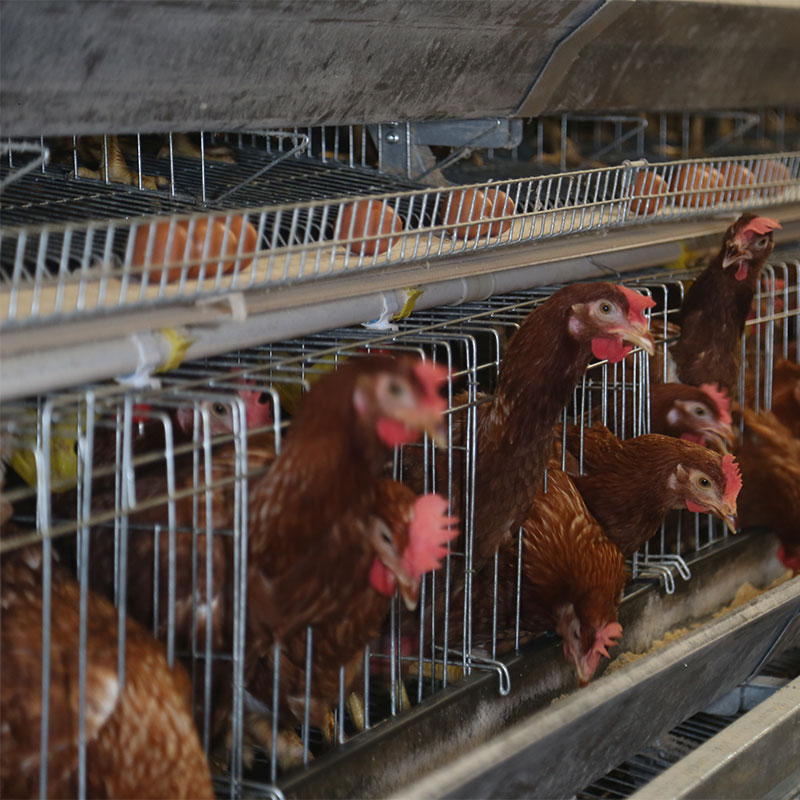
Q8: Are enriched/furnished Htype cages available?
Yes leading manufacturers offer enriched designs include perches nesting area scratch pad satisfy behavioral needs comply stricter welfare regulations EU parts US These integrate seamlessly automated structure
Q9: What's biggest operational challenge with these ?
Maintaining uniform environment especially temperature airflow top bottom tiers Requires sophisticated ventilation design constant monitoring Mechanical reliability also challenge proactive preventative maintenance schedule vital avoid breakdowns
Q10 How calculate return investment ROI) ?
Consider total capital cost vs savings labor reduced mortality improved feed conversion FCR increased egg yield quality premium lower medication costs Detailed financial model should project payback period based projected egg prices input costs
1. Drinking system include the water pipes, water pressure adjuster, drinking nipples, Waterline front-end device, dosing system etc, choose them according to customer's needs.
2. High-quality water drinking pipes, pressure regulating valves and water drinking nipples can effectively prevent the water leakage. Drinking system adopt the closed piping system, which can minimize the water pollution.
3. 360-degree drinking nipples provide adequate drinking water for poultry at all stages.
4. The automatic drinking water system mainly adopts the steel ball drinking nipple. lt uses imported high-grad stainless steel, POM resin, and APS engineering material, which is wearing resistant, and the durability can be used for long time.



1. Automatic feeding machine can be chosen between gantry and ladder feeding machine. Gantry type feeding machine is a relatively economical and practical machine with simple operation, remote control walking character, easy to manage.
2. Mechanical transmission device running smoothly, low noise, long service life.
3. With the use of automatic control, the feeding system can adjust the amount of material.
4. Feeding with arched structure, high carrying capacity, not easily deformed.
5. Saving man power, saving feed, greatly improving the efficiency of Large-scale farming.
6. The walking speed of gantry feeding machine is 9--12 m/min.




1. Manure removing system included scraper type and conveyor belt type, Which can reduce the labor intensity and labor cost, keep the chicken shed dry and clean.
2. A type chicken cage can use scraper type or conveyor belt type.


3. The scraper type is suitable for A type cages, which can clean two or three rows. For the starters, this type is a good choice. lt can not only save some labor cost, but also save some investment in the whole project. The cleaning speed is 6-10 meters per minute.
4. Conveyor belt type is more suitable for large scale farming. The manure removing belt we use is high quality PP material (polypropylene). The walking speed is 2-4 meters per minute.



High Quality Pellets Made by Mobile Pellet Machine
1. It has professional designed angle of the blade. After the dynamic balance test one by one, the blade can operate smoothly.
2. The air volume is consistent in the whole life of the fan. Bearings has advantage of high strength, low noise, durable and so on.
1. The cooling pads uses high-quality wet curtain paper and adopts space cross-linking technology, which has the advantages of high water absorption, high water resistance, anti-toxicity and long service life.
2. The cooling efficiency is over 80%, without surfactant, natural water absorption, fast diffusion speed and long-lasting effect.
3. The product does not contain phenol and other chemical substances that are easy to cause skin allergies. It is non-toxic and harmless to the human body and chicken when installed and used. It is green, safe, energy-saving, environmentally friendly, economical, and easy to install.
4. The frame aluminum alloy has high strength, good corrosion resistance, durability and beautiful appearance.
5. Use a special filter for the cooling pad at the upper water to ensure clean water quality and support efficient water circulation components.
6. Combined with a negative pressure fan, it can effectively lower the indoor temperature.
The window is made of special selected high-quality engineering plastic, with high strength and long service life, together with superior anti-aging and anti-UV performance.
Function: Ventilation of the chicken house, usually used in the winter.
This system can adjust the wind speed and direction, thus the cold air will not reach chicken directly , which can effectively prevent the phenomenon of cold stress in chicken.
Environmental control system equipment is suitable for large-scale and intensive farming. According to customer requirements, we can provide various types of smart poultry equipment.
1. Our poultry management system is a modular system that manages all aspects of the chicken house, such as climate, temperature, humidity, ammonia, feeding, feed weighing, lighting and ventilation systems, and can monitor the situation of the chicken house in real time through a computer and mobile phone.
2. The management computer is the heart of the poultry farm, allowing you to easily monitor the entire poultry farm.

 WeChat:+8617838608255