Title: The HType Manual Quail Cage: Your Complete Guide to Efficient & Humane Quail Housing
Introduction
For smallscale farmers, homesteaders, and quail enthusiasts, choosing the right housing is one of the most critical decisions for flock health, productivity, and management ease. Among the various designs available, the Htype manual quail cage has emerged as a standout solution for those seeking a balance between space efficiency, bird welfare, and practical operation. Unlike simple stacked cages or large aviaries, the Htype design represents a thoughtful approach to vertical farming that prioritizes both the quail and the keeper.
This comprehensive guide delves deep into the world of Htype manual quail cages. We'll explore their unique structure, weigh their significant advantages against potential drawbacks, and provide actionable insights on setup, management, and optimization. Whether you're planning your first quail venture or looking to upgrade your current setup, understanding this cage system is key to a successful and sustainable operation.
Understanding the HType Manual Quail Cage Design
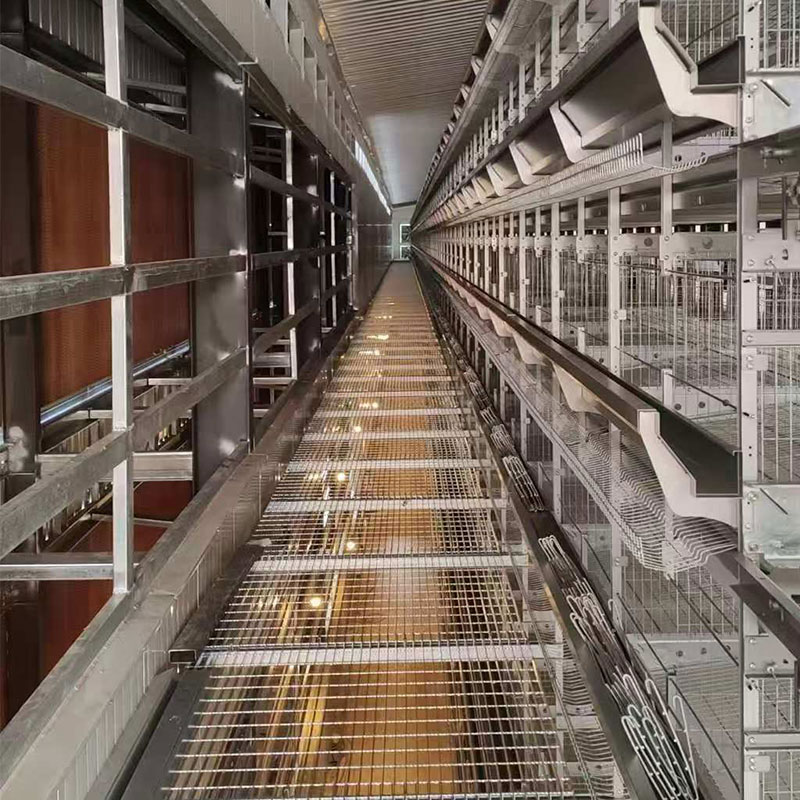
An Htype cage system is named for its skeletal frame resemblance to the letter "H" when viewed from the end. It's a multitiered, vertical housing unit where cages are arranged on both sides of a central aisle or support structure.
Core Structure: The frame is typically constructed from galvanized steel or powdercoated metal for durability and rust resistance. Multiple cage units (usually 34 tiers high) are attached on each side of this central frame.
"Manual" Operation: The term "manual" distinguishes it from fully automated systems. In this setup:
Feeding & Watering: You manually fill feed troughs and water lines (nipple drinkers or cup drinkers are common).
Egg Collection: Eggs roll out of the cage onto a collection tray or gutter at the front, which you manually gather.
Manure Management: Droppings fall through the wire floor onto manure trays or belts. In manual systems, these trays are pulled out and cleaned periodically, unlike automated scrapers.
Cage Specifications: Each individual cage compartment is designed for a specific number of quail (e.g., 2030 Coturnix quail), with sloped flooring to facilitate egg rolling and appropriate wire spacing to prevent injury.
Advantages of Choosing an HType Manual System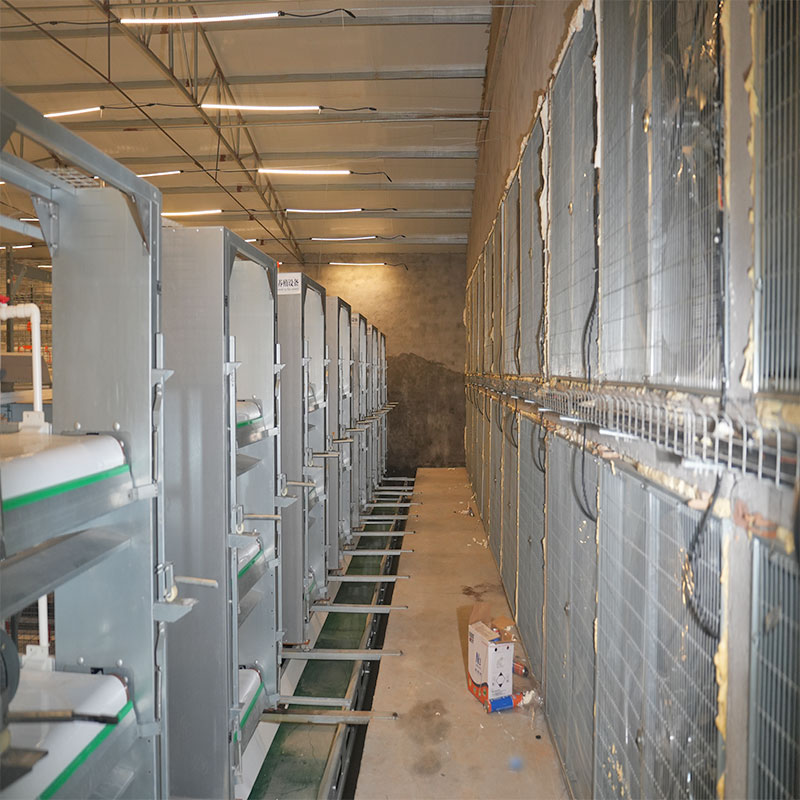
This design offers compelling benefits for small to mediumscale operations.
1. Superior Space Efficiency: By growing vertically rather than horizontally, an Htype system dramatically increases bird capacity per square foot of floor space. This is ideal for backyard setups or dedicated poultry rooms with limited area.
2. Enhanced Bird Welfare & Hygiene:
Separation of Birds and Waste: The elevated design ensures birds are not in contact with their manure, reducing disease risk (like coccidiosis) and parasite load.
Improved Airflow: The open structure allows for better ventilation around each tier compared to densely stacked boxes, improving air quality and reducing respiratory issues.
Individual Group Management: Birds can be housed by age or production stage (e.g., layers vs. growers) in different sections.
3. Ergonomic & Efficient Management:
All daily tasks—feeding, watering, egg collection—are performed from a central standing position in the aisle. This reduces bending and stooping, minimizing physical strain.
Eggs roll cleanly out of reach of the birds, keeping them cleaner and reducing egg eating.
4. CostEffectiveness: Compared to fully automated systems with conveyors for feed, eggs, and manure, a manual Htype cage presents a much lower initial investment while still delivering high organizational efficiency.
Considerations Before You Invest
While advantageous, it's not a onesizefitsall solution.
Higher Initial Cost vs. Simple Cages: It is more expensive than building single wooden cages or buying small stackable units.
Labor Intensity: While ergonomic, it remains handson. Daily feeding/watering/egg collection and periodic manure tray cleaning are required.
Space Requirements: While spaceefficient overall, you need adequate ceiling height (at least 67 feet) for a multitier unit and room to walk around it.
Dependency on Quality Construction: A poorly built frame with thin gauge wire can sag or become hazardous over time. Invest in robust materials.
Key Features to Look For When Purchasing
Not all Htype cages are created equal. Prioritize these features:
| Feature | Why It Matters |
| : | : |
| HeavyGauge Galvanized Steel Frame | Prevents sagging under load; resists rust from manure gases; ensures longterm stability. |
| Durable Cage Wire (≥ 16 gauge) | Provides structural integrity; prevents escape; withstands pecking and wear. |
| Sloped Floor (≥ 8degree angle) | Ensures eggs roll out smoothly without getting stuck or breaking. |
| Removable Manure Trays | Facilitates easier cleaning; trays should be deep enough to contain waste between cleanings. |
| Integrated Feed Troughs & Water Lines | Look for designs that secure feeders firmly and position nipple drinkers ergonomically for the birds. |
| Safety Latches & Smooth Edges | Prevents door failures; protects both you and your birds from cuts and injuries. |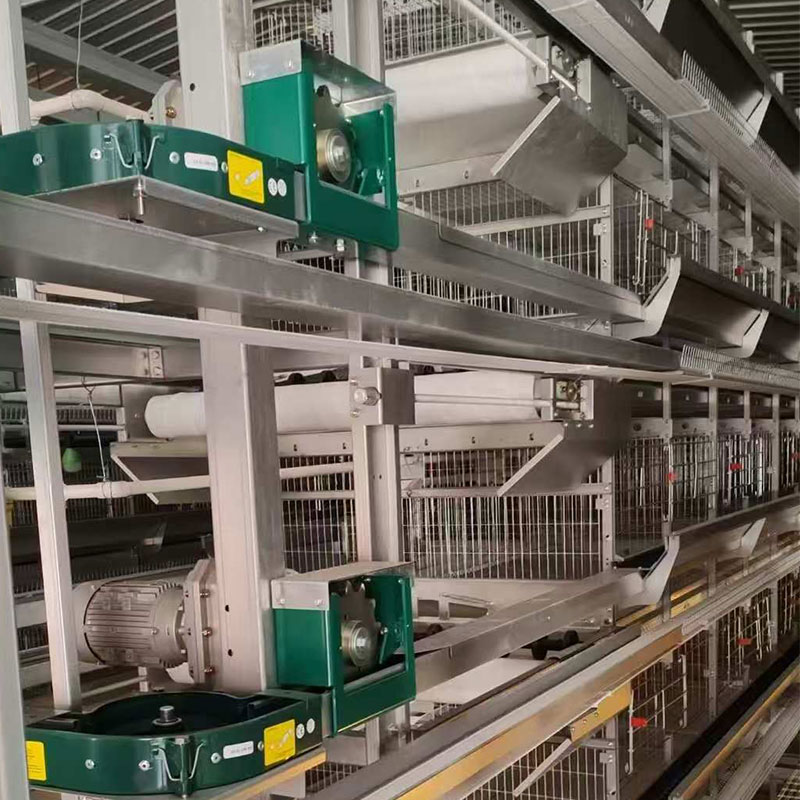
Setting Up Your HType Cage System: A StepbyStep Guide
1. Site Preparation: Choose a dry, level area in a wellventilated shed or barn protected from direct wind/rain drafts.
2. _Assembly:_ Follow manufacturer instructions meticulously. Assemble the main Hframe on level ground before attaching cage banks.
3. _Installation:_ Attach feeders, water lines (pressuretest for leaks), egg collection trays/gutters,
4
5
6
7
8
9
10
11
12
1. Drinking system include the water pipes, water pressure adjuster, drinking nipples, Waterline front-end device, dosing system etc, choose them according to customer's needs.
2. High-quality water drinking pipes, pressure regulating valves and water drinking nipples can effectively prevent the water leakage. Drinking system adopt the closed piping system, which can minimize the water pollution.
3. 360-degree drinking nipples provide adequate drinking water for poultry at all stages.
4. The automatic drinking water system mainly adopts the steel ball drinking nipple. lt uses imported high-grad stainless steel, POM resin, and APS engineering material, which is wearing resistant, and the durability can be used for long time.



1. Automatic feeding machine can be chosen between gantry and ladder feeding machine. Gantry type feeding machine is a relatively economical and practical machine with simple operation, remote control walking character, easy to manage.
2. Mechanical transmission device running smoothly, low noise, long service life.
3. With the use of automatic control, the feeding system can adjust the amount of material.
4. Feeding with arched structure, high carrying capacity, not easily deformed.
5. Saving man power, saving feed, greatly improving the efficiency of Large-scale farming.
6. The walking speed of gantry feeding machine is 9--12 m/min.




1. Manure removing system included scraper type and conveyor belt type, Which can reduce the labor intensity and labor cost, keep the chicken shed dry and clean.
2. A type chicken cage can use scraper type or conveyor belt type.


3. The scraper type is suitable for A type cages, which can clean two or three rows. For the starters, this type is a good choice. lt can not only save some labor cost, but also save some investment in the whole project. The cleaning speed is 6-10 meters per minute.
4. Conveyor belt type is more suitable for large scale farming. The manure removing belt we use is high quality PP material (polypropylene). The walking speed is 2-4 meters per minute.



High Quality Pellets Made by Mobile Pellet Machine
1. It has professional designed angle of the blade. After the dynamic balance test one by one, the blade can operate smoothly.
2. The air volume is consistent in the whole life of the fan. Bearings has advantage of high strength, low noise, durable and so on.
1. The cooling pads uses high-quality wet curtain paper and adopts space cross-linking technology, which has the advantages of high water absorption, high water resistance, anti-toxicity and long service life.
2. The cooling efficiency is over 80%, without surfactant, natural water absorption, fast diffusion speed and long-lasting effect.
3. The product does not contain phenol and other chemical substances that are easy to cause skin allergies. It is non-toxic and harmless to the human body and chicken when installed and used. It is green, safe, energy-saving, environmentally friendly, economical, and easy to install.
4. The frame aluminum alloy has high strength, good corrosion resistance, durability and beautiful appearance.
5. Use a special filter for the cooling pad at the upper water to ensure clean water quality and support efficient water circulation components.
6. Combined with a negative pressure fan, it can effectively lower the indoor temperature.
The window is made of special selected high-quality engineering plastic, with high strength and long service life, together with superior anti-aging and anti-UV performance.
Function: Ventilation of the chicken house, usually used in the winter.
This system can adjust the wind speed and direction, thus the cold air will not reach chicken directly , which can effectively prevent the phenomenon of cold stress in chicken.
Environmental control system equipment is suitable for large-scale and intensive farming. According to customer requirements, we can provide various types of smart poultry equipment.
1. Our poultry management system is a modular system that manages all aspects of the chicken house, such as climate, temperature, humidity, ammonia, feeding, feed weighing, lighting and ventilation systems, and can monitor the situation of the chicken house in real time through a computer and mobile phone.
2. The management computer is the heart of the poultry farm, allowing you to easily monitor the entire poultry farm.

 WeChat:+8617838608255