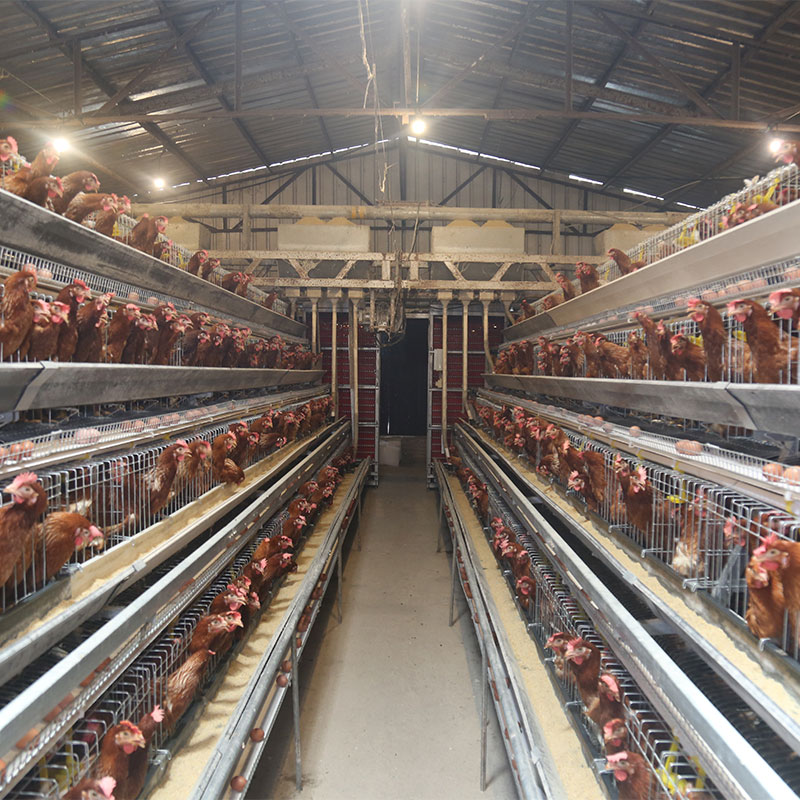
The steel frame rises four tiers high, a clean-lined structure waiting for its inhabitants. For the poultry farmer eyeing the transition from pullet to layer, this is more than just metal and mesh; it’s the foundational environment where a flock’s future productivity is determined. The H Type Pullet Cage system represents a significant departure from older A-frame or flat-deck designs, not merely in its silhouette but in its entire operational philosophy. Its name, derived from the distinct ‘H’ shape formed by its central support posts and manure belts, signifies a commitment to vertical integration of bird management, animal welfare, and operational efficiency.
Understanding the mechanics of this system begins with its most visible feature: the vertical stack. Unlike traditional systems that might spread birds across a single wide level, the H Type consolidates space upward. Imagine a four-story building for birds, where each floor is a self-contained environment. This vertical design directly addresses the primary constraint of most farming operations: land. A farmer working with a limited footprint can house the same number of birds in a building half the size of one required for a flat-deck system. The savings on construction costs, heating, and ventilation are immediate and substantial. The building envelope is smaller, so it’s easier and less expensive to maintain a consistent climate, a critical factor for vulnerable pullets.
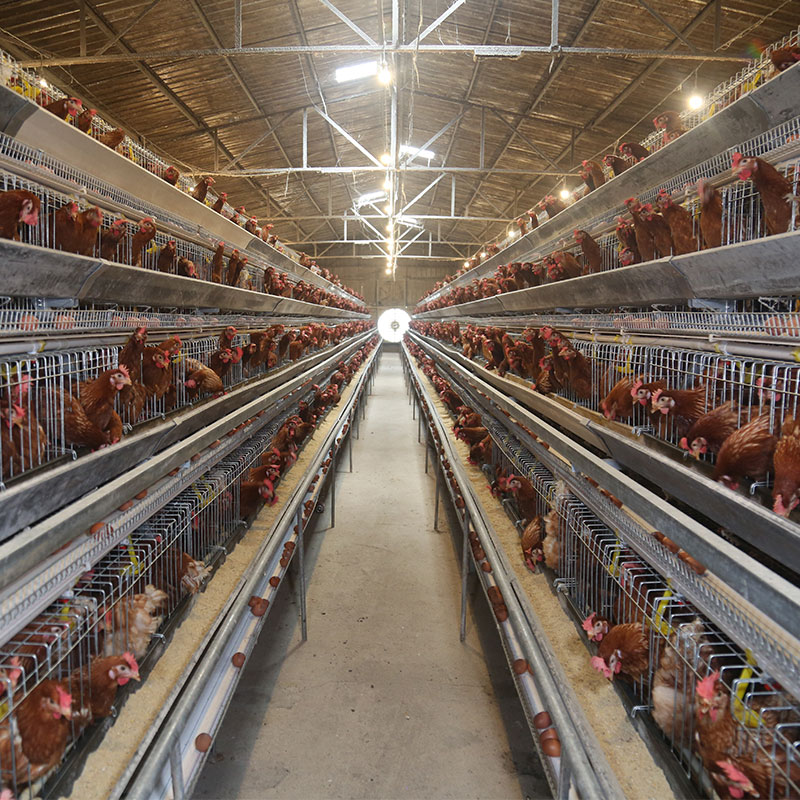
Each tier within the stack is a dedicated level, accessible via a central service aisle. This is where the ‘H’ design proves its worth. The vertical support posts run down the center, with cages extending symmetrically to both sides. For the stockperson walking the aisle, this creates an ergonomic revolution. All daily tasks—assessing bird health, checking feed and water, and monitoring systems—are performed at waist-to-shoulder height. There is no more stooping to inspect bottom cages or straining to reach the top. This accessibility isn’t a minor comfort; it’s a major factor in flock management. A stockperson who can move comfortably and see birds clearly is far more likely to spot early signs of illness, feather pecking, or stress, allowing for quicker intervention. This ease of access extends to the birds themselves. The cages are designed with large doors, making the process of vaccination, weighing, or transferring birds to the layer house a simpler, less disruptive operation for both man and animal.
The management of waste is perhaps the most transformative aspect of the H Type system. Older systems often relied on deep pits or frequent manual scraping, processes that could elevate ammonia levels and create significant disease pressure. The H Type system integrates a continuous manure belt beneath each tier. Think of it as a slow-moving conveyor belt running the entire length of the cage row, directly under the mesh floor. Droppings fall through the floor onto this belt, effectively removing them from the birds’ immediate living space from the moment they are produced.
This is not a system that is cleaned out weekly; it is cleaned continuously. The belts are typically programmed to run once or twice daily, transporting the manure to one end of the building where it is deposited into a cross-conveyor or a collection trolley. This single feature dramatically improves the internal environment of the poultry house. By removing the waste promptly, humidity is controlled, and the release of ammonia is drastically reduced. A pullet breathing clean air with low ammonia will develop a healthier respiratory system. This pays dividends later when she moves into the layer barn, as a healthy respiratory tract is fundamental to fighting off challenges and maintaining high egg production. Furthermore, the dry, contained manure collected on the belts is a more valuable byproduct. It is easier to handle, can be composted more effectively, or can even be sold as fertilizer, turning a waste management problem into a potential revenue stream.
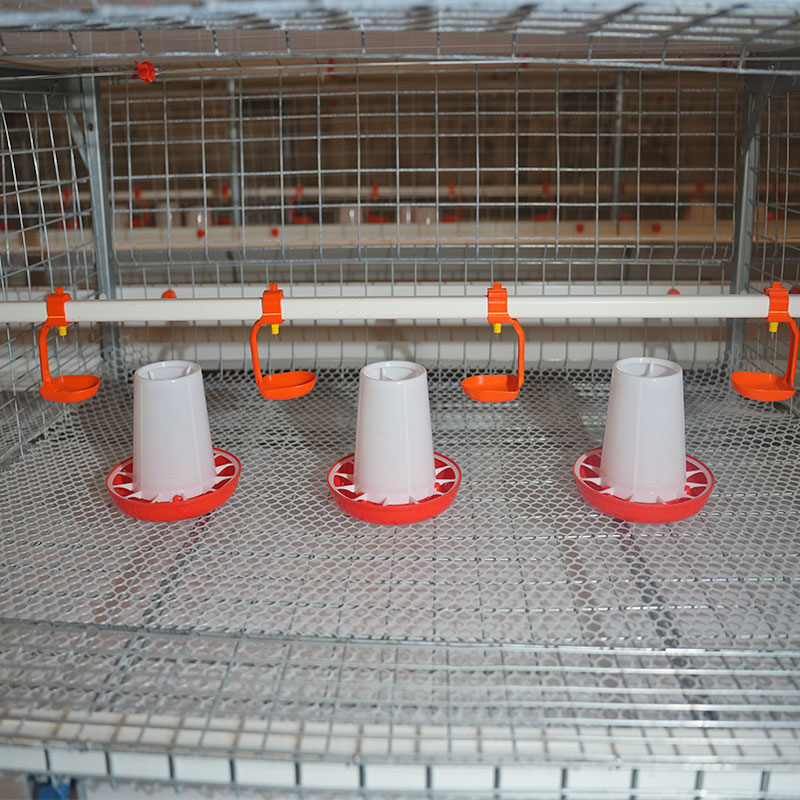
The system’s automation integrates directly with this manure removal process. Modern H Type cages are seldom standalone units; they are the core of an automated environment. Feed lines typically run along the front of the cages, distributing a precise and consistent ration. Nipple drinker lines provide fresh water. The coordination between these systems is key. The feed and water systems are positioned to ensure easy access for every bird on the tier, promoting uniform growth across the flock. The electrical systems that power the motors for the manure belts, the feeders, and the ventilation are often centralized, with fail-safes and alarms to alert managers to any interruptions. This level of integration means that one person can manage the well-being of thousands of birds, with the automation handling the repetitive physical tasks and the manager focused on observation and decision-making.
When discussing bird welfare, the conversation must move beyond simple square inches per bird. The H Type system influences welfare through its control of the environment and its facilitation of good stockmanship. The reduced ammonia levels and improved air quality are profound welfare benefits. Pullets are not forced to live atop their own waste, which minimizes footpad and feather soiling and reduces the risk of parasitic loads.
The design of the cage itself also plays a role. Modern H Type cages for pullets often include features like adjustable dividers. A farmer can start with smaller groups of birds in larger compartments when the chicks are young, reducing the risk of smothering and making it easier for them to find feed and water. As the pullets grow, the dividers can be removed to create larger group sizes, giving them more space to move and develop properly. The cage flooring is usually a welded mesh designed to be comfortable for growing feet and to prevent injuries, sloping slightly to encourage eggs to roll away in systems housing older pullets nearing lay. This controlled environment protects young birds from predators and eliminates the mortality associated with floor rearing, such as smothering or being crushed against walls.
The economic argument for the H Type Pullet Cage is built on a series of interlocking efficiencies. The first is the reduced capital outlay on building infrastructure. A higher-density system requires a smaller building, which means lower costs for materials, construction, insulation, and heating systems. The second is labor efficiency. The automation of feeding, watering, and manure cleaning drastically reduces the daily man-hours required for chores. What once took hours of manual labor now involves monitoring systems and checking birds. This allows labor to be reallocated to more valuable tasks like detailed health checks, biosecurity enforcement, and record-keeping.
The third, and perhaps most significant, economic benefit is flock performance. A healthy pullet reared in a clean, low-stress environment is the cornerstone of a profitable laying cycle. These birds experience fewer disease challenges, meaning lower veterinary costs and medication bills. They achieve more uniform weights and development, which leads to a more synchronized onset of lay. When these pullets are transferred to the layer house, they carry with them the robustness developed in the pullet phase. The result is a higher peak rate of lay, better persistency of production, improved feed conversion, and ultimately, more saleable eggs over the life of the flock. This long-term productivity is the ultimate return on investment.
Implementing an H Type system is a substantial project that requires careful planning. The first consideration is building specifications. The house must have sufficient clear height to accommodate the chosen number of tiers while allowing ample air space above the top cage for proper ventilation. The floor must be perfectly level to ensure the entire cage system and its automated components are installed correctly and function without hiccups. Electrical requirements are greater due to the automated systems, and a reliable power source with backup generators is non-negotiable.
Training for stockpeople is equally critical. Managing a highly automated system is different from managing a manual one. Staff must understand not just how to care for the birds, but how to operate the control panels, troubleshoot basic mechanical issues with the belts and feeders, and interpret system alarms. They must transition from performing physical labor to interpreting data and observing animal behavior. A well-designed system is only as good as the people who manage it.
Finally, a rigorous maintenance schedule is paramount. The automated systems are mechanical and require upkeep. The manure belts need regular tracking adjustments to prevent them from rubbing against the frame. Bearings on motors need lubrication. Nipple drinkers need periodic flushing to prevent biofilm buildup. Feeders need to be checked for wear. A proactive maintenance plan prevents small issues from becoming catastrophic failures that could compromise bird welfare.
The decision to invest in an H Type Pullet Cage system is a strategic one. It is a commitment to a modern method of rearing that prioritizes the health and uniformity of the flock through engineering and management. It represents a shift from reactive problem-solving to proactive environmental control. By consolidating space, automating waste removal, and creating an ergonomic working environment, this system addresses the core challenges of land, labor, and animal welfare. The pullets reared in such an environment are not merely birds waiting to lay eggs; they are a optimized input, prepared to deliver their full genetic potential in the production phase. For the forward-thinking poultry farmer, the H Type system is less about housing birds and more about building the foundation for the next generation of flock productivity.
1. Drinking system include the water pipes, water pressure adjuster, drinking nipples, Waterline front-end device, dosing system etc, choose them according to customer's needs.
2. High-quality water drinking pipes, pressure regulating valves and water drinking nipples can effectively prevent the water leakage. Drinking system adopt the closed piping system, which can minimize the water pollution.
3. 360-degree drinking nipples provide adequate drinking water for poultry at all stages.
4. The automatic drinking water system mainly adopts the steel ball drinking nipple. lt uses imported high-grad stainless steel, POM resin, and APS engineering material, which is wearing resistant, and the durability can be used for long time.



1. Automatic feeding machine can be chosen between gantry and ladder feeding machine. Gantry type feeding machine is a relatively economical and practical machine with simple operation, remote control walking character, easy to manage.
2. Mechanical transmission device running smoothly, low noise, long service life.
3. With the use of automatic control, the feeding system can adjust the amount of material.
4. Feeding with arched structure, high carrying capacity, not easily deformed.
5. Saving man power, saving feed, greatly improving the efficiency of Large-scale farming.
6. The walking speed of gantry feeding machine is 9--12 m/min.




1. Manure removing system included scraper type and conveyor belt type, Which can reduce the labor intensity and labor cost, keep the chicken shed dry and clean.
2. A type chicken cage can use scraper type or conveyor belt type.


3. The scraper type is suitable for A type cages, which can clean two or three rows. For the starters, this type is a good choice. lt can not only save some labor cost, but also save some investment in the whole project. The cleaning speed is 6-10 meters per minute.
4. Conveyor belt type is more suitable for large scale farming. The manure removing belt we use is high quality PP material (polypropylene). The walking speed is 2-4 meters per minute.



High Quality Pellets Made by Mobile Pellet Machine
1. It has professional designed angle of the blade. After the dynamic balance test one by one, the blade can operate smoothly.
2. The air volume is consistent in the whole life of the fan. Bearings has advantage of high strength, low noise, durable and so on.
1. The cooling pads uses high-quality wet curtain paper and adopts space cross-linking technology, which has the advantages of high water absorption, high water resistance, anti-toxicity and long service life.
2. The cooling efficiency is over 80%, without surfactant, natural water absorption, fast diffusion speed and long-lasting effect.
3. The product does not contain phenol and other chemical substances that are easy to cause skin allergies. It is non-toxic and harmless to the human body and chicken when installed and used. It is green, safe, energy-saving, environmentally friendly, economical, and easy to install.
4. The frame aluminum alloy has high strength, good corrosion resistance, durability and beautiful appearance.
5. Use a special filter for the cooling pad at the upper water to ensure clean water quality and support efficient water circulation components.
6. Combined with a negative pressure fan, it can effectively lower the indoor temperature.
The window is made of special selected high-quality engineering plastic, with high strength and long service life, together with superior anti-aging and anti-UV performance.
Function: Ventilation of the chicken house, usually used in the winter.
This system can adjust the wind speed and direction, thus the cold air will not reach chicken directly , which can effectively prevent the phenomenon of cold stress in chicken.
Environmental control system equipment is suitable for large-scale and intensive farming. According to customer requirements, we can provide various types of smart poultry equipment.
1. Our poultry management system is a modular system that manages all aspects of the chicken house, such as climate, temperature, humidity, ammonia, feeding, feed weighing, lighting and ventilation systems, and can monitor the situation of the chicken house in real time through a computer and mobile phone.
2. The management computer is the heart of the poultry farm, allowing you to easily monitor the entire poultry farm.

 WeChat:+8617838608255