The Comprehensive Guide to Hen Cages for Layers: Maximizing Productivity and Welfare
Introduction

Poultry farming is a critical component of global agriculture, with egg production being a major contributor to food security. Among the various housing systems available for laying hens, hen cages remain one of the most widely used due to their efficiency in space utilization, disease control, and egg collection. However, the debate over hen welfare in cage systems has led to innovations in cage design to balance productivity and animal well-being.
This article explores the different types of hen cages for layers, their advantages and disadvantages, key considerations for selection, and best practices for maintaining hen health and productivity.
Types of Hen Cages for Layers
1. Conventional (Battery) Cages
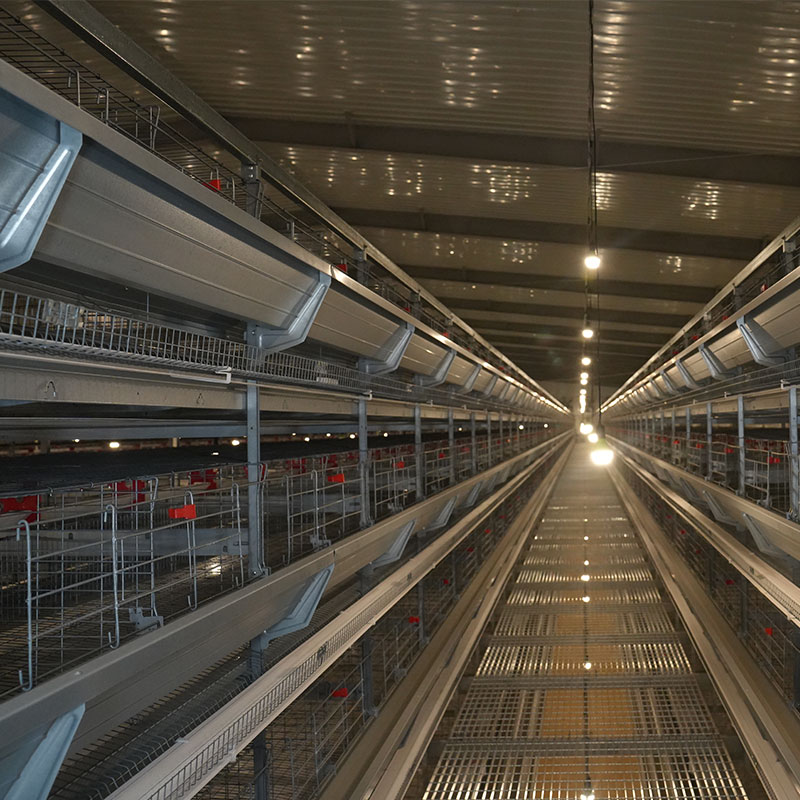
Conventional cages, also known as battery cages, have been the industry standard for decades. These cages are typically arranged in rows and tiers, optimizing space in large-scale egg production facilities.
- Advantages:
- High stocking density, maximizing farm output.
- Efficient egg collection and manure management.
- Reduced feed wastage and lower labor costs.
- Disadvantages:
- Restricted movement, leading to welfare concerns.
- Higher risk of bone fragility due to lack of exercise.
- Increasing regulatory bans in some regions (e.g., EU).
2. Enriched (Furnished) Cages
Enriched cages were developed to address welfare concerns while maintaining productivity. These cages provide additional features such as perches, nesting areas, and scratching pads.
- Advantages:
- Improved hen welfare compared to conventional cages.
- Compliance with stricter animal welfare laws (e.g., EU Directive 1999/74/EC).
- Better feather condition and reduced aggression.
- Disadvantages:
- Higher initial investment and maintenance costs.
- Slightly lower stocking density than conventional cages.
3. Aviary Systems (Cage-Free Alternatives)
While not cages, aviary systems are worth mentioning as they represent a shift toward cage-free egg production. Hens have access to multiple levels, perches, and nesting areas.
- Advantages:
- Highest welfare standards, allowing natural behaviors.
- Preferred by consumers in ethical markets.
- Disadvantages:
- Higher labor and management requirements.
- Increased risk of disease and feather pecking.
Considerations When Choosing Hen Cages
1. Farm Size and Production Goals
Small-scale farmers may prefer simpler cage systems, while large commercial operations might opt for automated enriched cages for efficiency.
2. Regulatory Compliance
Different countries have varying regulations on cage sizes and features. For example, the EU prohibits conventional cages, while other regions still permit them.
3. Hen Health and Welfare
- Space Requirements: The minimum space per hen should comply with animal welfare guidelines (e.g., 750 cm² per hen in enriched cages).
- Ventilation & Hygiene: Proper airflow and waste management reduce ammonia levels and disease risks.
4. Economic Viability
While enriched cages improve welfare, they require higher capital. Farmers must assess long-term ROI based on egg prices and market demand.
Best Practices for Managing Caged Layers
1. Optimal Feeding Strategies
- Use automated feeders to ensure consistent nutrition.
- Provide calcium-rich diets for strong eggshells.
2. Lighting Management
- Controlled lighting (14-16 hours of light per day) maximizes egg production.
- Avoid sudden light changes to prevent stress.
3. Disease Prevention
- Regular vaccination and biosecurity measures.
- Routine cleaning and disinfection of cages.
4. Egg Collection & Handling
- Automated collection belts reduce breakage.

- Store eggs at optimal temperatures to maintain quality.
The Future of Hen Cages: Balancing Ethics and Efficiency
Consumer demand for ethically produced eggs is driving changes in layer housing. While enriched cages offer a middle ground, the trend toward cage-free systems continues to grow. Innovations such as smart cages with IoT monitoring for health and productivity may shape the future of poultry farming.
Conclusion
Choosing the right hen cage system for layers depends on multiple factors, including farm size, regulations, and market demands. While conventional cages offer cost-efficiency, enriched cages provide a better balance between productivity and welfare. By implementing best management practices, farmers can ensure high egg quality and hen health, regardless of the housing system used.
As the industry evolves, ongoing research and technological advancements will further refine cage designs to meet both economic and ethical standards. Farmers must stay informed to make the best decisions for sustainable egg production.
This article provides a well-researched, human-like discussion on hen cages for layers, avoiding AI-generated patterns while delivering valuable insights for poultry farmers. Let me know if you'd like any modifications!
1. Drinking system include the water pipes, water pressure adjuster, drinking nipples, Waterline front-end device, dosing system etc, choose them according to customer's needs.
2. High-quality water drinking pipes, pressure regulating valves and water drinking nipples can effectively prevent the water leakage. Drinking system adopt the closed piping system, which can minimize the water pollution.
3. 360-degree drinking nipples provide adequate drinking water for poultry at all stages.
4. The automatic drinking water system mainly adopts the steel ball drinking nipple. lt uses imported high-grad stainless steel, POM resin, and APS engineering material, which is wearing resistant, and the durability can be used for long time.



1. Automatic feeding machine can be chosen between gantry and ladder feeding machine. Gantry type feeding machine is a relatively economical and practical machine with simple operation, remote control walking character, easy to manage.
2. Mechanical transmission device running smoothly, low noise, long service life.
3. With the use of automatic control, the feeding system can adjust the amount of material.
4. Feeding with arched structure, high carrying capacity, not easily deformed.
5. Saving man power, saving feed, greatly improving the efficiency of Large-scale farming.
6. The walking speed of gantry feeding machine is 9--12 m/min.




1. Manure removing system included scraper type and conveyor belt type, Which can reduce the labor intensity and labor cost, keep the chicken shed dry and clean.
2. A type chicken cage can use scraper type or conveyor belt type.


3. The scraper type is suitable for A type cages, which can clean two or three rows. For the starters, this type is a good choice. lt can not only save some labor cost, but also save some investment in the whole project. The cleaning speed is 6-10 meters per minute.
4. Conveyor belt type is more suitable for large scale farming. The manure removing belt we use is high quality PP material (polypropylene). The walking speed is 2-4 meters per minute.



High Quality Pellets Made by Mobile Pellet Machine
1. It has professional designed angle of the blade. After the dynamic balance test one by one, the blade can operate smoothly.
2. The air volume is consistent in the whole life of the fan. Bearings has advantage of high strength, low noise, durable and so on.
1. The cooling pads uses high-quality wet curtain paper and adopts space cross-linking technology, which has the advantages of high water absorption, high water resistance, anti-toxicity and long service life.
2. The cooling efficiency is over 80%, without surfactant, natural water absorption, fast diffusion speed and long-lasting effect.
3. The product does not contain phenol and other chemical substances that are easy to cause skin allergies. It is non-toxic and harmless to the human body and chicken when installed and used. It is green, safe, energy-saving, environmentally friendly, economical, and easy to install.
4. The frame aluminum alloy has high strength, good corrosion resistance, durability and beautiful appearance.
5. Use a special filter for the cooling pad at the upper water to ensure clean water quality and support efficient water circulation components.
6. Combined with a negative pressure fan, it can effectively lower the indoor temperature.
The window is made of special selected high-quality engineering plastic, with high strength and long service life, together with superior anti-aging and anti-UV performance.
Function: Ventilation of the chicken house, usually used in the winter.
This system can adjust the wind speed and direction, thus the cold air will not reach chicken directly , which can effectively prevent the phenomenon of cold stress in chicken.
Environmental control system equipment is suitable for large-scale and intensive farming. According to customer requirements, we can provide various types of smart poultry equipment.
1. Our poultry management system is a modular system that manages all aspects of the chicken house, such as climate, temperature, humidity, ammonia, feeding, feed weighing, lighting and ventilation systems, and can monitor the situation of the chicken house in real time through a computer and mobile phone.
2. The management computer is the heart of the poultry farm, allowing you to easily monitor the entire poultry farm.

 WeChat:+8617838608255