
Understanding the Cost of Layer Cages for Poultry Farmers
Poultry farmers looking to invest in layer cages often face one pressing question: How much will it cost? The answer isn’t straightforward. Prices fluctuate based on cage type, materials, automation features, and farm size. A small-scale farmer might spend a few thousand dollars on basic wire cages, while a commercial operation could invest hundreds of thousands in fully automated systems. Breaking down these costs helps farmers make informed decisions without overspending or compromising productivity.
Factors Affecting Layer Cage Prices
1. Cage Material and Durability
Layer cages come in galvanized steel, stainless steel, or coated wire. Galvanized steel is the most common—rust-resistant and sturdy enough to last 10–15 years with proper maintenance. A farmer in Nigeria might pay $20–$30 per bird for galvanized cages, while stainless steel (used in high-humidity regions like coastal areas) can cost 30–50% more.
Cheaper, low-grade wire cages may save money upfront but warp under the weight of birds or corrode quickly in damp climates. One Kenyan farmer reported replacing flimsy cages every 3–4 years, ultimately spending more than if he’d bought galvanized cages upfront.
2. Cage Design and Bird Capacity
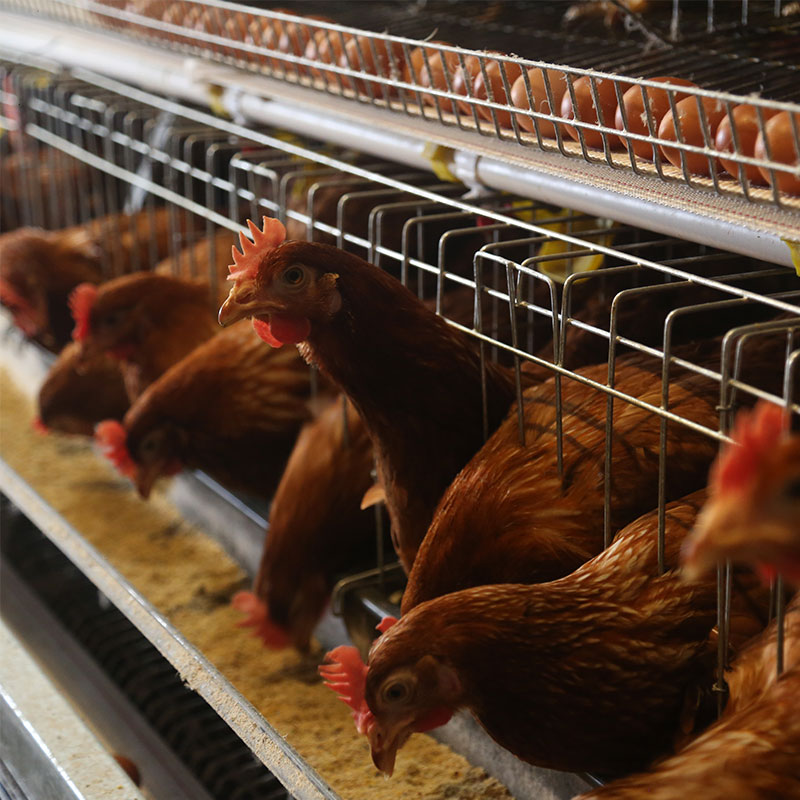
- A-Frame Cages: The simplest design, holding 3–6 birds per compartment. A 500-bird setup might cost $2,500–$4,000.
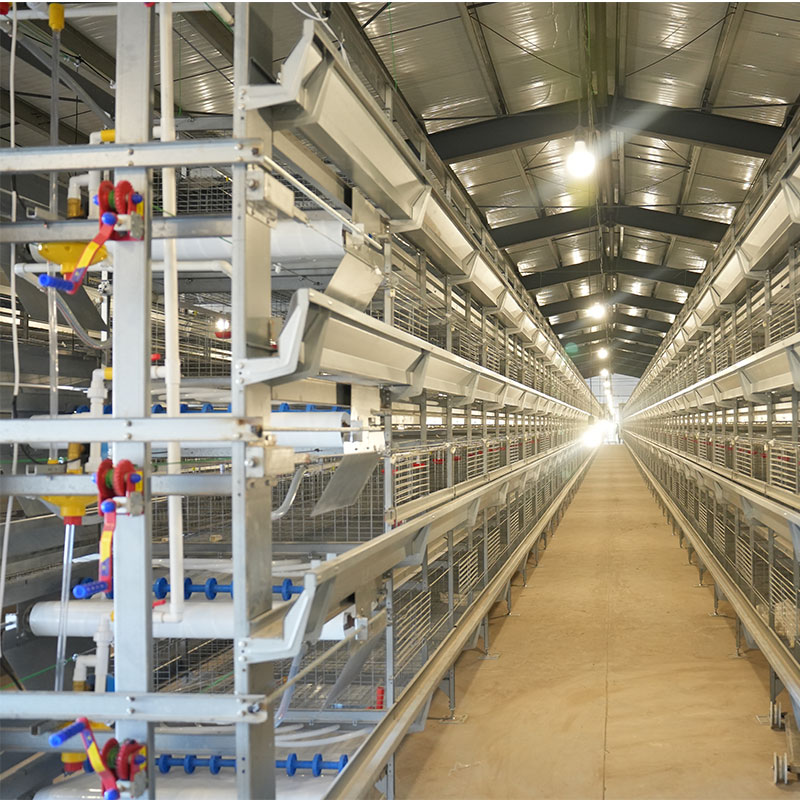
- Battery Cages: Stacked vertically to maximize space. A 1,000-bird system runs $6,000–$12,000, depending on tier height (3-tier vs. 5-tier).
- Enriched (Colony) Cages: Include perches and nesting areas to comply with EU welfare standards. These cost 20–40% more than conventional battery cages.
A Ghanaian farm switching from A-frame to 4-tier battery cages doubled capacity without expanding floor space, justifying the higher initial cost ($8,000 vs. $4,500) through increased egg production.
3. Automation Level
Manual systems require workers to collect eggs, adjust feeders, and remove manure. Semi-automated setups include conveyor belts for eggs or scrapers for waste, adding $1,000–$3,000 per 1,000 birds. Fully automated systems—where feed, water, lighting, and climate are controlled digitally—can exceed $25,000 for the same capacity but cut labor costs by 60%.
A Ugandan farm reduced daily labor from 8 workers to 2 after installing automated feeders and nipple drinkers, recouping the $15,000 investment in under two years.
4. Farm Size and Bulk Discounts
Small-scale farmers (under 500 birds) often pay retail prices—$30–$50 per bird—since they buy cages in single units. Large operations (10,000+ birds) negotiate bulk rates with manufacturers, lowering costs to $15–$25 per bird. One South African cooperative pooled orders from 15 farms to secure a 20% discount on 20,000 cages.
Hidden Costs Farmers Overlook
- Installation: Professional assembly adds $0.50–$2 per cage. Self-installation saves money but risks errors (e.g., misaligned manure belts).
- Maintenance: Replacing worn-out feeders or damaged wires costs 5–10% of the initial price annually.
- Regulatory Compliance: Upgrading to meet new animal welfare laws can force retrofits. A Brazilian farm spent $7,000 modifying cages after stricter spacing rules took effect.
Regional Price Variations
- Asia: Low labor costs keep prices competitive. A 3-tier system in India averages $10–$15 per bird.
- Africa: Import tariffs inflate costs. Nigerian farmers pay 25% more than Egyptian ones for identical Chinese-made cages.
- Europe/US: Higher welfare standards and local manufacturing drive prices up. Dutch enriched cages cost $40–$60 per bird.
Making the Right Investment
A Tanzanian farmer with 2,000 layers compared three options:
1. Used A-Frames ($3,000): Saved money initially but faced frequent repairs.
2. New Battery Cages ($14,000): Increased output by 25% in the first year.
3. Leasing Automated Systems ($500/month): Avoided upfront costs but paid more long-term.
He chose new battery cages, calculating a 3-year payback period from higher egg yields.
Final Considerations
Budget isn’t the only factor. Cage choice affects bird health, labor efficiency, and compliance with local laws. Farmers should assess:
- How many birds they plan to house now—and in 5 years.
- Whether automation will reduce recurring expenses.
- If local suppliers offer warranties or post-sale support.
A well-chosen cage system pays for itself through improved productivity. Cutting corners on price often leads to higher costs down the line.
1. Drinking system include the water pipes, water pressure adjuster, drinking nipples, Waterline front-end device, dosing system etc, choose them according to customer's needs.
2. High-quality water drinking pipes, pressure regulating valves and water drinking nipples can effectively prevent the water leakage. Drinking system adopt the closed piping system, which can minimize the water pollution.
3. 360-degree drinking nipples provide adequate drinking water for poultry at all stages.
4. The automatic drinking water system mainly adopts the steel ball drinking nipple. lt uses imported high-grad stainless steel, POM resin, and APS engineering material, which is wearing resistant, and the durability can be used for long time.



1. Automatic feeding machine can be chosen between gantry and ladder feeding machine. Gantry type feeding machine is a relatively economical and practical machine with simple operation, remote control walking character, easy to manage.
2. Mechanical transmission device running smoothly, low noise, long service life.
3. With the use of automatic control, the feeding system can adjust the amount of material.
4. Feeding with arched structure, high carrying capacity, not easily deformed.
5. Saving man power, saving feed, greatly improving the efficiency of Large-scale farming.
6. The walking speed of gantry feeding machine is 9--12 m/min.




1. Manure removing system included scraper type and conveyor belt type, Which can reduce the labor intensity and labor cost, keep the chicken shed dry and clean.
2. A type chicken cage can use scraper type or conveyor belt type.


3. The scraper type is suitable for A type cages, which can clean two or three rows. For the starters, this type is a good choice. lt can not only save some labor cost, but also save some investment in the whole project. The cleaning speed is 6-10 meters per minute.
4. Conveyor belt type is more suitable for large scale farming. The manure removing belt we use is high quality PP material (polypropylene). The walking speed is 2-4 meters per minute.



High Quality Pellets Made by Mobile Pellet Machine
1. It has professional designed angle of the blade. After the dynamic balance test one by one, the blade can operate smoothly.
2. The air volume is consistent in the whole life of the fan. Bearings has advantage of high strength, low noise, durable and so on.
1. The cooling pads uses high-quality wet curtain paper and adopts space cross-linking technology, which has the advantages of high water absorption, high water resistance, anti-toxicity and long service life.
2. The cooling efficiency is over 80%, without surfactant, natural water absorption, fast diffusion speed and long-lasting effect.
3. The product does not contain phenol and other chemical substances that are easy to cause skin allergies. It is non-toxic and harmless to the human body and chicken when installed and used. It is green, safe, energy-saving, environmentally friendly, economical, and easy to install.
4. The frame aluminum alloy has high strength, good corrosion resistance, durability and beautiful appearance.
5. Use a special filter for the cooling pad at the upper water to ensure clean water quality and support efficient water circulation components.
6. Combined with a negative pressure fan, it can effectively lower the indoor temperature.
The window is made of special selected high-quality engineering plastic, with high strength and long service life, together with superior anti-aging and anti-UV performance.
Function: Ventilation of the chicken house, usually used in the winter.
This system can adjust the wind speed and direction, thus the cold air will not reach chicken directly , which can effectively prevent the phenomenon of cold stress in chicken.
Environmental control system equipment is suitable for large-scale and intensive farming. According to customer requirements, we can provide various types of smart poultry equipment.
1. Our poultry management system is a modular system that manages all aspects of the chicken house, such as climate, temperature, humidity, ammonia, feeding, feed weighing, lighting and ventilation systems, and can monitor the situation of the chicken house in real time through a computer and mobile phone.
2. The management computer is the heart of the poultry farm, allowing you to easily monitor the entire poultry farm.

 WeChat:+8617838608255