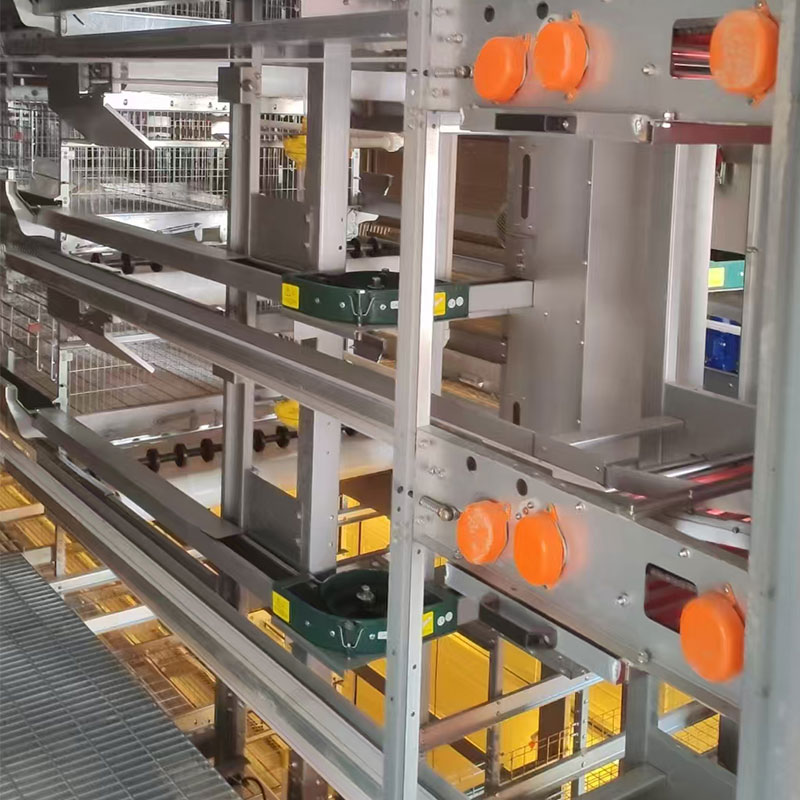
Large Chicken Cages For Sale: Optimizing Poultry Farming with Efficient Cage Systems
Poultry farmers constantly seek ways to maximize production while maintaining bird health and reducing labor costs. Large chicken cages have become a popular solution, offering space efficiency, better flock management, and improved hygiene. Whether you're raising layers for egg production or broilers for meat, investing in the right cage system can significantly impact your farm’s profitability.
Why Large Chicken Cages Are a Game-Changer
Traditional free-range or floor-rearing methods come with challenges like higher disease risks, feed wastage, and difficulty in monitoring individual birds. Large cage systems address these issues by providing a structured environment where birds are housed in tiers, optimizing vertical space.
For example, a farmer with 5,000 birds can reduce floor space requirements by 60% using multi-tiered cages compared to deep litter systems. This means more birds can be raised in the same facility, lowering construction and heating costs. Additionally, cages prevent direct contact with manure, reducing parasite infestations and bacterial infections like E. coli or Salmonella.
Features of Modern Large Chicken Cages
1. Tiered Design for Space Efficiency
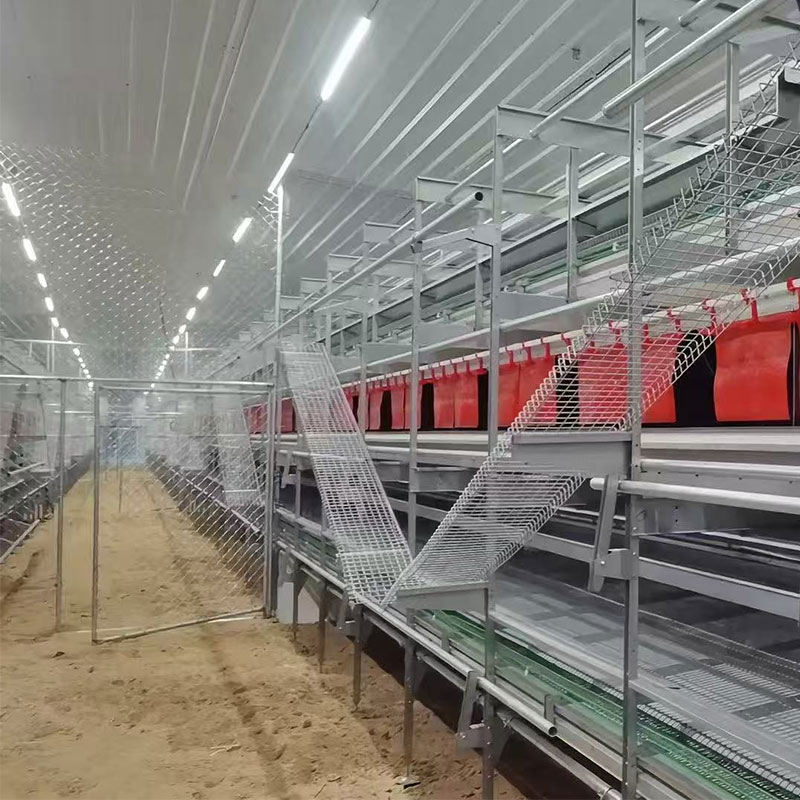
Most commercial cages are built in A-frame or H-frame configurations, stacking multiple levels vertically. A typical battery cage system for layers might have three to five tiers, each holding 3-6 birds per compartment. Broiler cages, on the other hand, often use wider, single-tier designs to accommodate rapid growth.
A farmer in Ghana increased egg production by 20% after switching from floor pens to a four-tier system, as birds experienced less stress and easier access to feed and water.
2. Durable Construction Materials
High-quality cages are made from heavy-duty galvanized steel, resistant to rust and pecking damage. The wire mesh flooring allows droppings to fall through, keeping birds clean while simplifying manure collection. Some models include reinforced frames to support automatic feeding and egg collection systems.
3. Automated Systems Integration
Modern cages often come with optional attachments like:

- Nipple drinkers – Reduce water spillage and keep litter dry.
- Conveyor belts – Automatically remove manure or collect eggs, cutting labor time in half.
- Feed troughs with adjustable levels – Ensure consistent access to feed as birds grow.
A farm in Brazil reduced labor costs by 30% after installing automated egg collection belts, minimizing breakage and manual handling.
4. Ventilation and Lighting Optimization
Proper airflow prevents ammonia buildup from manure, a common issue in poorly ventilated coops. Many cage systems are designed with open-back designs or built-in fans. Similarly, LED lighting can be mounted above each tier to ensure uniform light distribution, crucial for maximizing egg production in layers.
Choosing the Right Cage System for Your Farm
For Egg Production (Layers)
Layer cages are designed with sloped floors to allow eggs to roll onto collection trays, reducing contamination and breakage. Common configurations include:
- Conventional battery cages – Compact, cost-effective, but facing regulatory restrictions in some regions.
- Enriched or colony cages – Provide more space per bird, nesting areas, and perches, complying with welfare standards in the EU.
A Dutch farmer reported a 15% drop in cracked eggs after switching to enriched cages with padded roll-out trays.
For Meat Production (Broilers)
Broiler cages prioritize floor space and ease of movement to support muscle development. Look for:
- Flat-deck cages – Allow birds to move freely without tiered obstacles.
- Slatted or plastic flooring – Prevents breast blisters and leg injuries common in wire-floored systems.
A Kenyan farm using plastic-floor broiler cages saw a 12% improvement in feed conversion rates due to reduced stress and better weight gain.
For Breeders and Parent Stock
Breeder cages must accommodate larger birds while allowing controlled mating. They often feature:
- Wider compartments – To prevent aggression and injury.
- Separate feeding systems – Ensuring males and females receive tailored nutrition.
An Australian breeder increased fertility rates by using cages with partitioned feeding zones, preventing males from dominating feed access.
Cost Considerations and Return on Investment
While large cage systems require an upfront investment, the long-term savings in labor, feed, and veterinary costs justify the expense. A basic 500-bird layer cage setup may cost between $3,000–$5,000, but the improved egg yield can recover costs within 18 months.
For broilers, faster growth cycles mean more batches per year. A farmer in Nigeria reported harvesting six broiler cycles annually with cages, compared to four in deep litter systems—boosting annual profits by over 40%.
Maintenance and Best Practices
- Daily checks – Ensure nipples and feeders are functioning to prevent dehydration or starvation.
- Weekly manure removal – Prevents ammonia buildup and respiratory issues.
- Biosecurity measures – Disinfect cages between flocks to avoid disease carryover.
A Vietnamese farm eliminated recurring mite infestations by power-washing cages with a vinegar solution before introducing new birds.
Where to Buy Reliable Large Chicken Cages
Reputable suppliers offer customizable options based on flock size and production goals. Look for manufacturers that provide:
- On-site assembly support – Ensuring correct installation.
- Warranties – At least 5 years on galvanized frames.
- Spare parts availability – Critical for long-term maintenance.
Some of the top-rated brands include Big Dutchman, Valco, and Tecno, but local fabricators in regions like India and China also offer cost-effective alternatives.
Final Thoughts
Transitioning to large chicken cages can revolutionize poultry farming by enhancing productivity, bird health, and operational efficiency. Whether you're a small-scale farmer looking to expand or a commercial producer aiming to cut costs, the right cage system can deliver measurable returns. Evaluate your farm’s specific needs, budget, and long-term goals to select the best setup—your bottom line will thank you.
1. Drinking system include the water pipes, water pressure adjuster, drinking nipples, Waterline front-end device, dosing system etc, choose them according to customer's needs.
2. High-quality water drinking pipes, pressure regulating valves and water drinking nipples can effectively prevent the water leakage. Drinking system adopt the closed piping system, which can minimize the water pollution.
3. 360-degree drinking nipples provide adequate drinking water for poultry at all stages.
4. The automatic drinking water system mainly adopts the steel ball drinking nipple. lt uses imported high-grad stainless steel, POM resin, and APS engineering material, which is wearing resistant, and the durability can be used for long time.



1. Automatic feeding machine can be chosen between gantry and ladder feeding machine. Gantry type feeding machine is a relatively economical and practical machine with simple operation, remote control walking character, easy to manage.
2. Mechanical transmission device running smoothly, low noise, long service life.
3. With the use of automatic control, the feeding system can adjust the amount of material.
4. Feeding with arched structure, high carrying capacity, not easily deformed.
5. Saving man power, saving feed, greatly improving the efficiency of Large-scale farming.
6. The walking speed of gantry feeding machine is 9--12 m/min.




1. Manure removing system included scraper type and conveyor belt type, Which can reduce the labor intensity and labor cost, keep the chicken shed dry and clean.
2. A type chicken cage can use scraper type or conveyor belt type.


3. The scraper type is suitable for A type cages, which can clean two or three rows. For the starters, this type is a good choice. lt can not only save some labor cost, but also save some investment in the whole project. The cleaning speed is 6-10 meters per minute.
4. Conveyor belt type is more suitable for large scale farming. The manure removing belt we use is high quality PP material (polypropylene). The walking speed is 2-4 meters per minute.



High Quality Pellets Made by Mobile Pellet Machine
1. It has professional designed angle of the blade. After the dynamic balance test one by one, the blade can operate smoothly.
2. The air volume is consistent in the whole life of the fan. Bearings has advantage of high strength, low noise, durable and so on.
1. The cooling pads uses high-quality wet curtain paper and adopts space cross-linking technology, which has the advantages of high water absorption, high water resistance, anti-toxicity and long service life.
2. The cooling efficiency is over 80%, without surfactant, natural water absorption, fast diffusion speed and long-lasting effect.
3. The product does not contain phenol and other chemical substances that are easy to cause skin allergies. It is non-toxic and harmless to the human body and chicken when installed and used. It is green, safe, energy-saving, environmentally friendly, economical, and easy to install.
4. The frame aluminum alloy has high strength, good corrosion resistance, durability and beautiful appearance.
5. Use a special filter for the cooling pad at the upper water to ensure clean water quality and support efficient water circulation components.
6. Combined with a negative pressure fan, it can effectively lower the indoor temperature.
The window is made of special selected high-quality engineering plastic, with high strength and long service life, together with superior anti-aging and anti-UV performance.
Function: Ventilation of the chicken house, usually used in the winter.
This system can adjust the wind speed and direction, thus the cold air will not reach chicken directly , which can effectively prevent the phenomenon of cold stress in chicken.
Environmental control system equipment is suitable for large-scale and intensive farming. According to customer requirements, we can provide various types of smart poultry equipment.
1. Our poultry management system is a modular system that manages all aspects of the chicken house, such as climate, temperature, humidity, ammonia, feeding, feed weighing, lighting and ventilation systems, and can monitor the situation of the chicken house in real time through a computer and mobile phone.
2. The management computer is the heart of the poultry farm, allowing you to easily monitor the entire poultry farm.

 WeChat:+8617838608255