The morning sun catches dust motes dancing through the air as you unbolt the coop door. Inside, the low murmur of contented birds greets you, not the frantic squawking and flapping that used to accompany the daily feed run. Your boots stay clean on the slatted floor, and your back doesn’t ache from stooping to collect eggs from dark, hard-to-reach nesting boxes. This isn’t a futuristic fantasy; it’s the daily reality for a growing number of poultry farmers who have moved their flocks into modern large-scale wooden cage systems.
For decades, the image of poultry farming was split between two extremes: the cramped, industrial metal batteries of large-scale production and the idyllic-but-inefficient backyard scrapyard coop. A new category of housing has emerged to bridge this divide, offering a third path that prioritizes animal welfare, farmer efficiency, and operational scalability. The large wooden cage system, designed for outdoor or sheltered use, represents a significant evolution in how we think about housing layers and breeders.
The Structural Advantage: Why Wood Wins
The first thing that strikes you about a well-built wooden cage unit is its inherent stability. Unlike lightweight metal pens that can feel temporary and rickety, a framework constructed from pressure-treated lumber or sturdy plywood possesses a natural mass that dampens noise and vibration. Chickens are prey animals, highly sensitive to sudden movements and sounds. A heavy wooden structure doesn’t shudder when a bird flies to a perch or when the wind blows; it provides a constant, secure environment that reduces baseline stress levels. Lower stress directly correlates with fewer instances of aggression, like pecking, and more consistent laying patterns.
Furthermore, wood is a terrible conductor of temperature. In a metal coop, a summer afternoon sun can turn the entire structure into an oven, radiating heat inward and stressing the birds. Conversely, on a cold night, the metal acts as a heat sink, rapidly pulling warmth away from the flock. Wood provides natural insulation. It slows the transfer of external temperatures, helping to maintain a more moderate and stable climate inside the coop. This thermal buffering is a passive form of climate control, reducing the energy demands on supplemental fans in the summer or heaters in the winter, and creating a more comfortable environment for the hens.
Durability is another key factor. High-quality wooden coops, treated to resist moisture and pests, can withstand years of exposure to ammonia-rich air and the general wear and tear of a active flock. While a scratched metal panel can begin to rust, compromising its integrity, a scratch on a treated wooden surface is often superficial and easily addressed. The modular nature of wood also means repairs are straightforward. Replacing a single plank or a section of mesh is a simple task for any farmer with basic tools, unlike dealing with bent metal frames or specialized welded components.
Designing for the Flock: Behavioral Husbandry in Practice
The most significant advancement in these systems is their design, which is rooted in an understanding of chicken ethology—their natural behaviors. A successful housing system isn’t just a container; it’s an environment that allows for the expression of these innate behaviors, leading to healthier, more productive birds.
Vertical Space Utilization: Chickens have a strong instinct to roost up high. It’s a survival mechanism carried over from their jungle fowl ancestors, offering safety from ground predators. Modern wooden cages are designed with significant vertical space, incorporating multiple tiers of roosting bars. This isn’t just about giving them a place to sleep. It allows for the establishment of a natural social hierarchy, or pecking order. Submissive birds can roost higher up to avoid more dominant ones, reducing conflict. When you see a flock peacefully settled on their perches at dusk, rather than huddled on a crowded floor, you’re seeing a direct indicator of low social stress.
Dedicated Laying Areas: The frustration of hunting for eggs in bedding or, worse, finding them broken and eaten, is a common problem in open-floor systems. Wooden cage units solve this with enclosed, darkened nesting boxes. A hen seeking to lay seeks privacy and security. A dark, secluded box satisfies this instinct. The gentle slope of the nesting box floor is a critical detail. It allows the egg to roll gently away upon being laid, typically onto a collection tray or into a designated gutter. This immediately separates the egg from the bird, preventing it from being soiled by feet or droppings and drastically reducing the opportunity for egg-eating behavior to develop. The result is a higher yield of clean, saleable eggs.
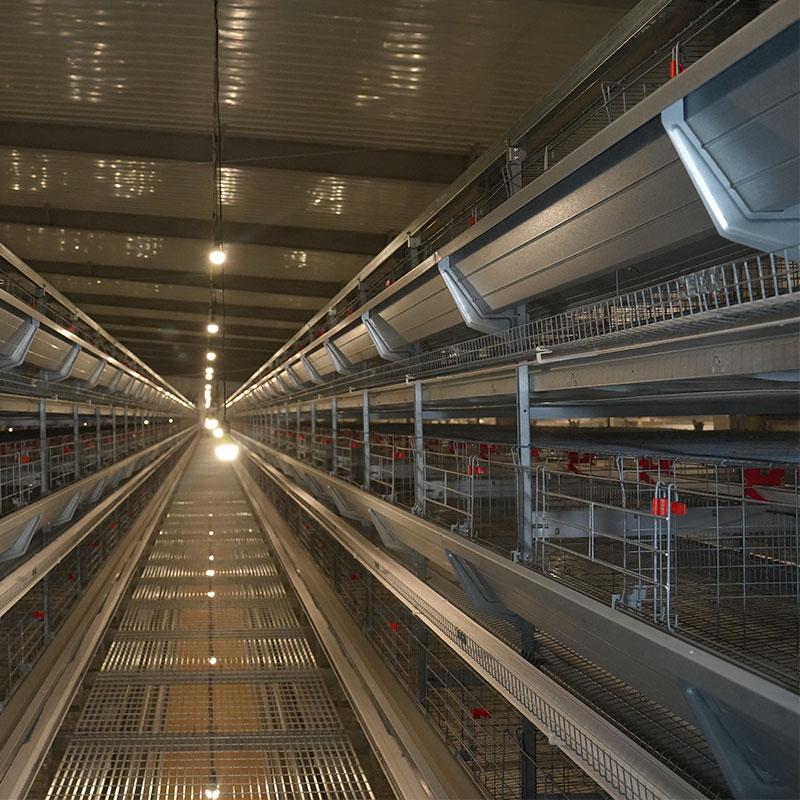
Manure Management Systems: Perhaps the most transformative feature is the integration of manure drying or removal systems. In many designs, droppings fall through the wire mesh floor onto a dropping board or into a deep pit below. Some advanced models incorporate a manure belt system—a continuous loop of durable plastic sheeting that runs beneath each tier. On a timer, or manually, this belt is advanced, moving the accumulated waste to a collection point at the end of the unit.
The impact of this cannot be overstated. By constantly removing manure from the bird’s living space, you sever the cycle of parasite reinfection. Worms and coccidia require the bird to ingest the parasite eggs from its own feces to complete their life cycle. When the manure is removed daily, that cycle is broken. Farmers using these systems often report a dramatic reduction, or even elimination, of their need for routine worming medications. This means lower input costs and a product that appeals to markets seeking reduced antibiotic and chemical use. The air quality also improves immensely, as ammonia from decomposing urine is not allowed to build up, protecting the respiratory health of both the birds and the farmer.
Operational Efficiency: The Farmer's Perspective
The benefits for the flock are clear, but the true test of any system is its impact on the operation's bottom line and the farmer's quality of life. This is where wooden cage systems truly excel.
Labor Revolutionized: The single greatest saving is in time and physical labor. Consider the traditional tasks:
Feeding: Centralized troughs running the length of each tier allow one person to fill all feeders for hundreds of birds in minutes from a central walkway, instead of carrying buckets through a flock.
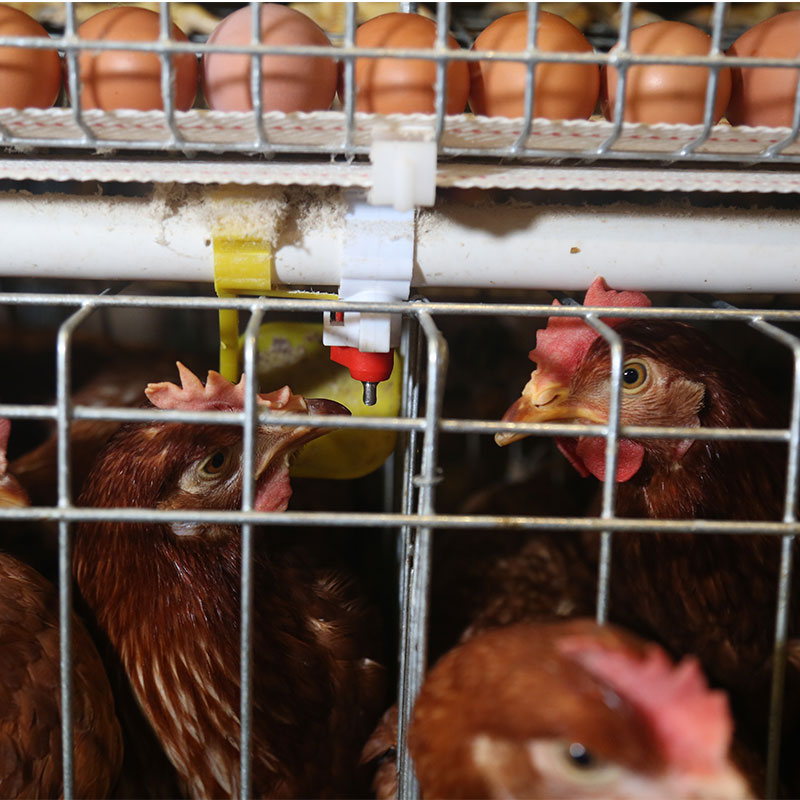
Watering: Nipple drinker systems, integrated into the design, provide fresh water on demand. There are no bowls to clean and refill daily, eliminating a tedious chore and a common source of water contamination.
Egg Collection: Eggs roll out of reach of the birds and are collected from easily accessible trays behind the nesting boxes. This can turn an hour-long egg hunt into a 15-minute, clean, and efficient gathering process. The eggs are cleaner from the start, reducing washing time later.
Manure Handling: Instead of weekly full-scale coop mucking out, manure management becomes a quick, daily task of activating a belt or scraping a board. The collected waste is often drier and easier to handle, making it more valuable as compost or easier to dispose of.
This reallocation of labor is profound. It transforms the farmer’s role from one of constant, repetitive manual labor to one of management and observation. Instead of spending hours on chores, that time can be used to monitor bird health, manage records, or improve other areas of the business.
Stock Density and Flock Health: These systems allow for a higher, yet more humane, stock density than open-floor systems. The vertical stacking multiplies the usable floor space. A unit that occupies a 10x12 foot footprint might comfortably house 120 birds across three or four tiers, whereas a single-floor coop would need to be vastly larger to hold the same number without severe overcrowding. This efficient use of space is crucial for profitability, especially on smaller parcels of land.
However, this density only works because of the advanced management features. The improved air quality, separation from manure, and reduced stress work in concert to prevent the disease outbreaks that traditionally plague dense populations. A healthier flock has lower mortality rates, requires fewer veterinary interventions, and maintains peak production for longer. The initial investment in the system is often recouped through these savings on medications and lost birds.

Biosecurity Enhancement: Controlling access to your flock is the first line of defense against diseases like Avian Influenza. A contained cage system is inherently more secure than a free-range setup. It is easier to implement strict protocols: wild birds cannot directly interact with your hens or contaminate their feed, and rodents have a harder time accessing the birds and their food supply. The solid wooden walls and enclosed design act as a physical barrier, making it a key component of a robust biosecurity plan.
Considerations for Implementation
Adopting this system is a significant decision and requires careful planning.
Site Selection and Foundation: The unit must be placed on level, well-drained ground. Many farmers opt for a simple concrete pad foundation, which provides a permanent, stable, and clean base that prevents predators from digging underneath. Others use heavy-duty railroad ties or gravel beds. Proper siting for sunlight and wind protection is also key to maximizing the natural climate control benefits of the wood.
Ventilation is Paramount: While the solid walls offer protection, they must be complemented with excellent ventilation. This is typically achieved through adjustable vents high on the walls to let moist, warm air out, and covered mesh areas lower down to allow fresh air in without creating a draft directly on the birds. Stagnant, moist air is the enemy; a well-designed wooden coop will have a constant, gentle exchange of air without chilling the hens.
The Right Bird for the System: While most layer breeds adapt well, it's important to source birds accustomed to cage systems. heavier breeds might require stronger perches and wider mesh flooring for foot comfort. Engage with your hatchery or supplier to ensure the pullets you receive are a good match for the environment you are providing.
The large outdoor wooden cage system is more than a piece of equipment; it’s a holistic approach to modern poultry farming. It demonstrates that animal welfare and operational efficiency are not opposing forces but can be powerfully aligned. By providing a environment that respects the chicken’s nature while streamlining the farmer’s work, it creates a sustainable and profitable model for the future of poultry production. It is a return to craftsmanship and thoughtful design, using wood not for nostalgia, but for its superior functional properties in creating a better life for the flock and a more viable business for the farmer.
1. Drinking system include the water pipes, water pressure adjuster, drinking nipples, Waterline front-end device, dosing system etc, choose them according to customer's needs.
2. High-quality water drinking pipes, pressure regulating valves and water drinking nipples can effectively prevent the water leakage. Drinking system adopt the closed piping system, which can minimize the water pollution.
3. 360-degree drinking nipples provide adequate drinking water for poultry at all stages.
4. The automatic drinking water system mainly adopts the steel ball drinking nipple. lt uses imported high-grad stainless steel, POM resin, and APS engineering material, which is wearing resistant, and the durability can be used for long time.



1. Automatic feeding machine can be chosen between gantry and ladder feeding machine. Gantry type feeding machine is a relatively economical and practical machine with simple operation, remote control walking character, easy to manage.
2. Mechanical transmission device running smoothly, low noise, long service life.
3. With the use of automatic control, the feeding system can adjust the amount of material.
4. Feeding with arched structure, high carrying capacity, not easily deformed.
5. Saving man power, saving feed, greatly improving the efficiency of Large-scale farming.
6. The walking speed of gantry feeding machine is 9--12 m/min.




1. Manure removing system included scraper type and conveyor belt type, Which can reduce the labor intensity and labor cost, keep the chicken shed dry and clean.
2. A type chicken cage can use scraper type or conveyor belt type.


3. The scraper type is suitable for A type cages, which can clean two or three rows. For the starters, this type is a good choice. lt can not only save some labor cost, but also save some investment in the whole project. The cleaning speed is 6-10 meters per minute.
4. Conveyor belt type is more suitable for large scale farming. The manure removing belt we use is high quality PP material (polypropylene). The walking speed is 2-4 meters per minute.



High Quality Pellets Made by Mobile Pellet Machine
1. It has professional designed angle of the blade. After the dynamic balance test one by one, the blade can operate smoothly.
2. The air volume is consistent in the whole life of the fan. Bearings has advantage of high strength, low noise, durable and so on.
1. The cooling pads uses high-quality wet curtain paper and adopts space cross-linking technology, which has the advantages of high water absorption, high water resistance, anti-toxicity and long service life.
2. The cooling efficiency is over 80%, without surfactant, natural water absorption, fast diffusion speed and long-lasting effect.
3. The product does not contain phenol and other chemical substances that are easy to cause skin allergies. It is non-toxic and harmless to the human body and chicken when installed and used. It is green, safe, energy-saving, environmentally friendly, economical, and easy to install.
4. The frame aluminum alloy has high strength, good corrosion resistance, durability and beautiful appearance.
5. Use a special filter for the cooling pad at the upper water to ensure clean water quality and support efficient water circulation components.
6. Combined with a negative pressure fan, it can effectively lower the indoor temperature.
The window is made of special selected high-quality engineering plastic, with high strength and long service life, together with superior anti-aging and anti-UV performance.
Function: Ventilation of the chicken house, usually used in the winter.
This system can adjust the wind speed and direction, thus the cold air will not reach chicken directly , which can effectively prevent the phenomenon of cold stress in chicken.
Environmental control system equipment is suitable for large-scale and intensive farming. According to customer requirements, we can provide various types of smart poultry equipment.
1. Our poultry management system is a modular system that manages all aspects of the chicken house, such as climate, temperature, humidity, ammonia, feeding, feed weighing, lighting and ventilation systems, and can monitor the situation of the chicken house in real time through a computer and mobile phone.
2. The management computer is the heart of the poultry farm, allowing you to easily monitor the entire poultry farm.

 WeChat:+8617838608255