
For the poultry farmer, transport day presents a unique set of challenges. The success of months of careful husbandry can be compromised in a matter of hours by equipment failure. Flimsy cages can warp, latches can pop open under stress, and inadequate ventilation can lead to devastating losses. The entire operation—moving birds to processing, transporting them to a new pasture, or taking prize stock to a show—hinges on the reliability of the transport system. This is where the design and material composition of a crate become the most critical factors in the supply chain.
The term "Large PP" refers to the primary material used in the construction of these crates: polypropylene. This is not the thin, brittle plastic of cheap storage totes. Think of it instead as the material used for heavy-duty stadium seating or industrial pallets—it possesses a inherent flexibility that allows it to absorb impact without cracking. When a stack of these crates is jostled during transit, the walls give a little and then return to their original shape, unlike a more rigid material that might fracture under the same conditions. This molecular "memory" is what provides the durability that prevents the crate from becoming a single-use item after a rough trip down a farm lane.
Durability is further engineered through the manufacturing process. Many crates are created using a single-piece, rotational molding technique. Imagine pouring the polypropylene resin into a mold shaped like the crate and then rotating that mold in a high-temperature oven. The resin coats the entire interior surface evenly, fusing at the corners and seams. The result is a seamless unit. There is no welded joint at the base of the walls to become a point of failure. A farmer loading a 15-pound rooster doesn’t have to worry about a sudden crack appearing where the wall meets the floor because that corner is not a seam at all, but a continuous, rounded curve of solid material. This monolithic construction eliminates the weak points that plague cages assembled from multiple panels.
The strength of these systems is tested most severely during stacking. A fully loaded crate must bear the weight of several other fully loaded crates above it. The engineering solution here is the incorporation of vertical support columns and interlocking stacking lugs. On the corners of the crate, you will find thick, vertical ribs. These act like the steel I-beams in a building’s framework, channeling the compressive force directly downward. The stacking lugs on the top rim of the crate fit securely into recesses on the bottom of the crate above it. This is not merely a placement guide; it creates a locked, vertical stack. When a stack of six crates is secured on a truck bed, they behave as a single, unified block, drastically reducing sway and the risk of a toppling domino effect during sharp turns or sudden stops. The load is distributed evenly through the entire column, rather than concentrating the crushing force on the center of the lid below.
Ventilation is not an afterthought; it is a core component of the crate’s design, integrated directly into the mold. The pattern of holes is calculated to achieve two things: maximum airflow and structural integrity. The holes are not random punctures but are strategically placed in a grid that avoids the critical stress points of the walls and floor. This ensures that while air moves freely around the birds, preventing the buildup of heat and humidity, the panel does not become a weak, flexible membrane. For the birds inside, this translates to a constant supply of fresh air, reducing panting and heat stress. In practical terms, during a summer move, the difference between a well-ventilated crate and a poorly designed one can be measured in bird mortality rates upon arrival. The wire mesh door provides a large, unobstructed air inlet while maintaining security.
The design philosophy extends to the safety and security of the livestock. The latch mechanism is a critical point of interaction. A poorly designed latch can be nudged open by a persistent bird or can fail under the vibration of transport. A robust, double-action latch—often requiring two distinct motions to open—prevents accidental escapes. Furthermore, the interior of the crate is designed with bird safety in mind. There are no sharp edges, protruding screws, or gaps wide enough to trap a head or limb. The smooth, molded interior surfaces prevent injury and are inherently easier to clean and disinfect, a vital consideration for biosecurity. After a journey, a pressure washer can be used without fear of damaging the crate or leaving moisture trapped in crevices where pathogens could thrive.
The utility of these crates is amplified by their modularity and adaptability. The standardized dimensions mean they interface seamlessly with standard pallet jacks and forklifts. A single worker can move a stack of empty crates with a pallet jack, streamlining the loading process. The same crate that transports broilers to processing can be used to move a flock of layer pullets to a new aviary, or to carry a litter of weaned rabbits to a sale. This multi-species functionality is a significant economic advantage for diversified operations. A farmer raising poultry and small livestock does not need to invest in and store two separate, specialized transport systems. The uniformity also simplifies storage; the crates nest neatly within each other when empty, reducing the storage footprint in the barn or equipment shed by up to 70% compared to non-nesting designs.
Operational efficiency is realized through features that save time and labor. The large front-opening door is a prime example. It provides full, unobstructed access to the interior. A farmer can reach in with both hands to gently remove birds, rather than struggling to extract them through a small top opening. This reduces handling stress on the animals and minimizes the time each bird spends in the crate during unloading. The ergonomic handles are molded into the design, not added as an afterthought. They are sized to accommodate a gloved hand and are positioned to provide a balanced lift, reducing the physical strain on the farm worker who might be loading hundreds of crates in a day.
The true test of this equipment occurs not in the showroom, but in the field. On a commercial broiler farm, the crates are part of the catching and loading crew’s nightly routine. They are subjected to rapid, repetitive loading, stacked high on a flatbed truck, and driven over uneven terrain to the processing plant. They are power-washed at high temperatures with industrial disinfectants and then stored until the next cycle. A crate that cannot withstand this cycle will show its weaknesses quickly: cracks will appear, latches will break, and the structure will begin to sag. The long-term value is not in the initial purchase price, but in the cost-per-use over five or ten years. A slightly more expensive crate that remains in service for a decade is far more economical than a cheaper alternative that must be replaced after two seasons.
For the small-scale or pastured poultry producer, the benefits are equally pronounced. Moving birds from a central brooder out to pasture shelters requires a reliable transport method. The crates protect young birds from wind and weather during the move while ensuring adequate ventilation. Their cleanability is essential for maintaining a closed-flock biosecurity protocol, preventing the introduction of pathogens from one pasture location to another. For those who sell live birds at farmers' markets, the professional appearance of clean, uniform crates projects an image of care and quality to customers.
The design also considers the well-being of the operator. The smooth surfaces and rounded corners prevent torn clothing and scratches. The lightweight nature of polypropylene, compared to wood or metal alternatives, reduces the risk of repetitive strain injuries. When a crate needs to be moved by hand, its manageable weight and balanced design make the task less physically demanding. This attention to the human element of the workflow is a subtle but important feature, contributing to a safer and more efficient working environment.
The integration of these crates into a larger handling system highlights their versatility. They can be used as temporary holding pens during flock vaccinations or wing-bandings. Their stackable nature allows for the creation of a secure, mobile wall for sorting animals. In a quarantine situation, an easily disinfected plastic crate is far superior to porous wood or difficult-to-clean wire. The material is non-absorbent and resistant to the corrosive effects of manure and cleaning agents, ensuring a long service life without degradation or lingering odors.
From the hatchery to the processing plant, from the showroom to the pasture, the functionality of a transport system is defined by its ability to protect its contents. For poultry, duck, and rabbit producers, this means selecting equipment engineered for the specific rigors of live animal transport. The combination of a resilient polypropylene construction, seamless molding, intelligent ventilation, and secure latching creates a system that performs under pressure. It is a tool that safeguards the health of the flock, enhances the efficiency of the operation, and endures the demanding cycles of farm life. The investment is not merely in a container, but in a reliable component of the production process, one that directly influences the quality and safety of the final product.
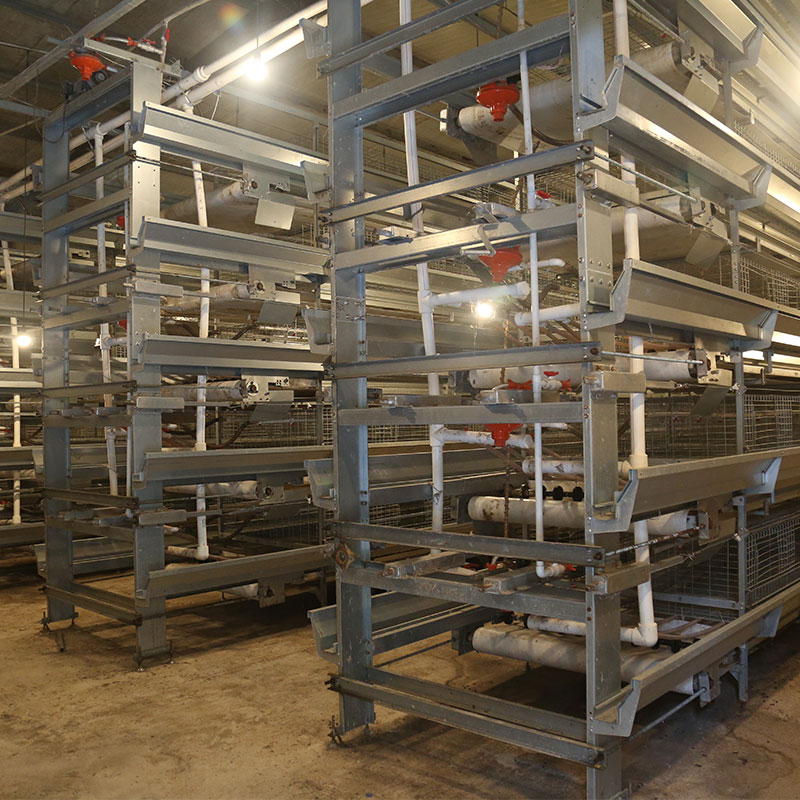
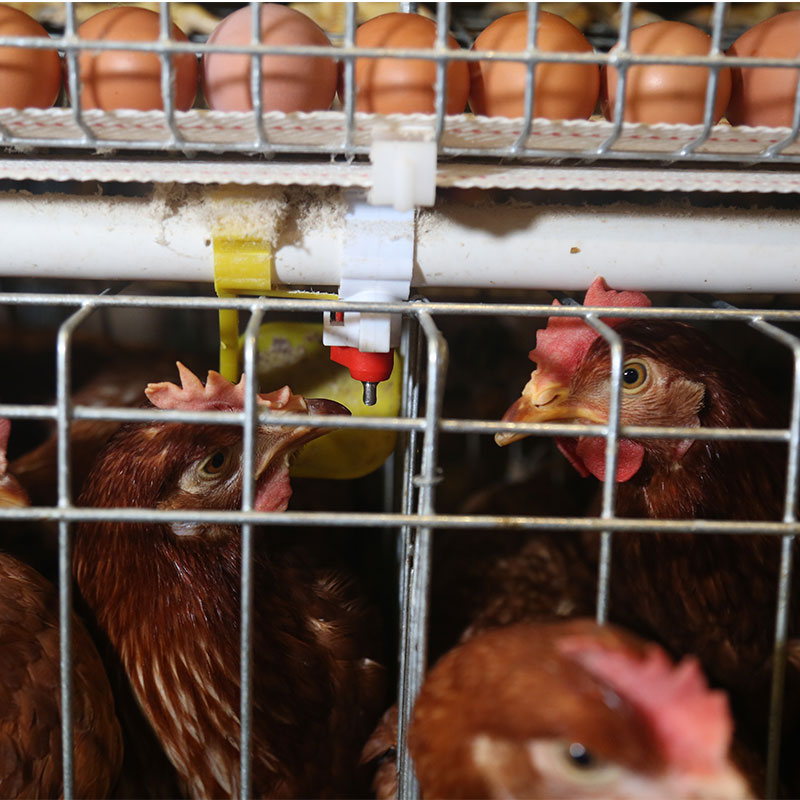
1. Drinking system include the water pipes, water pressure adjuster, drinking nipples, Waterline front-end device, dosing system etc, choose them according to customer's needs.
2. High-quality water drinking pipes, pressure regulating valves and water drinking nipples can effectively prevent the water leakage. Drinking system adopt the closed piping system, which can minimize the water pollution.
3. 360-degree drinking nipples provide adequate drinking water for poultry at all stages.
4. The automatic drinking water system mainly adopts the steel ball drinking nipple. lt uses imported high-grad stainless steel, POM resin, and APS engineering material, which is wearing resistant, and the durability can be used for long time.



1. Automatic feeding machine can be chosen between gantry and ladder feeding machine. Gantry type feeding machine is a relatively economical and practical machine with simple operation, remote control walking character, easy to manage.
2. Mechanical transmission device running smoothly, low noise, long service life.
3. With the use of automatic control, the feeding system can adjust the amount of material.
4. Feeding with arched structure, high carrying capacity, not easily deformed.
5. Saving man power, saving feed, greatly improving the efficiency of Large-scale farming.
6. The walking speed of gantry feeding machine is 9--12 m/min.




1. Manure removing system included scraper type and conveyor belt type, Which can reduce the labor intensity and labor cost, keep the chicken shed dry and clean.
2. A type chicken cage can use scraper type or conveyor belt type.


3. The scraper type is suitable for A type cages, which can clean two or three rows. For the starters, this type is a good choice. lt can not only save some labor cost, but also save some investment in the whole project. The cleaning speed is 6-10 meters per minute.
4. Conveyor belt type is more suitable for large scale farming. The manure removing belt we use is high quality PP material (polypropylene). The walking speed is 2-4 meters per minute.



High Quality Pellets Made by Mobile Pellet Machine
1. It has professional designed angle of the blade. After the dynamic balance test one by one, the blade can operate smoothly.
2. The air volume is consistent in the whole life of the fan. Bearings has advantage of high strength, low noise, durable and so on.
1. The cooling pads uses high-quality wet curtain paper and adopts space cross-linking technology, which has the advantages of high water absorption, high water resistance, anti-toxicity and long service life.
2. The cooling efficiency is over 80%, without surfactant, natural water absorption, fast diffusion speed and long-lasting effect.
3. The product does not contain phenol and other chemical substances that are easy to cause skin allergies. It is non-toxic and harmless to the human body and chicken when installed and used. It is green, safe, energy-saving, environmentally friendly, economical, and easy to install.
4. The frame aluminum alloy has high strength, good corrosion resistance, durability and beautiful appearance.
5. Use a special filter for the cooling pad at the upper water to ensure clean water quality and support efficient water circulation components.
6. Combined with a negative pressure fan, it can effectively lower the indoor temperature.
The window is made of special selected high-quality engineering plastic, with high strength and long service life, together with superior anti-aging and anti-UV performance.
Function: Ventilation of the chicken house, usually used in the winter.
This system can adjust the wind speed and direction, thus the cold air will not reach chicken directly , which can effectively prevent the phenomenon of cold stress in chicken.
Environmental control system equipment is suitable for large-scale and intensive farming. According to customer requirements, we can provide various types of smart poultry equipment.
1. Our poultry management system is a modular system that manages all aspects of the chicken house, such as climate, temperature, humidity, ammonia, feeding, feed weighing, lighting and ventilation systems, and can monitor the situation of the chicken house in real time through a computer and mobile phone.
2. The management computer is the heart of the poultry farm, allowing you to easily monitor the entire poultry farm.

 WeChat:+8617838608255