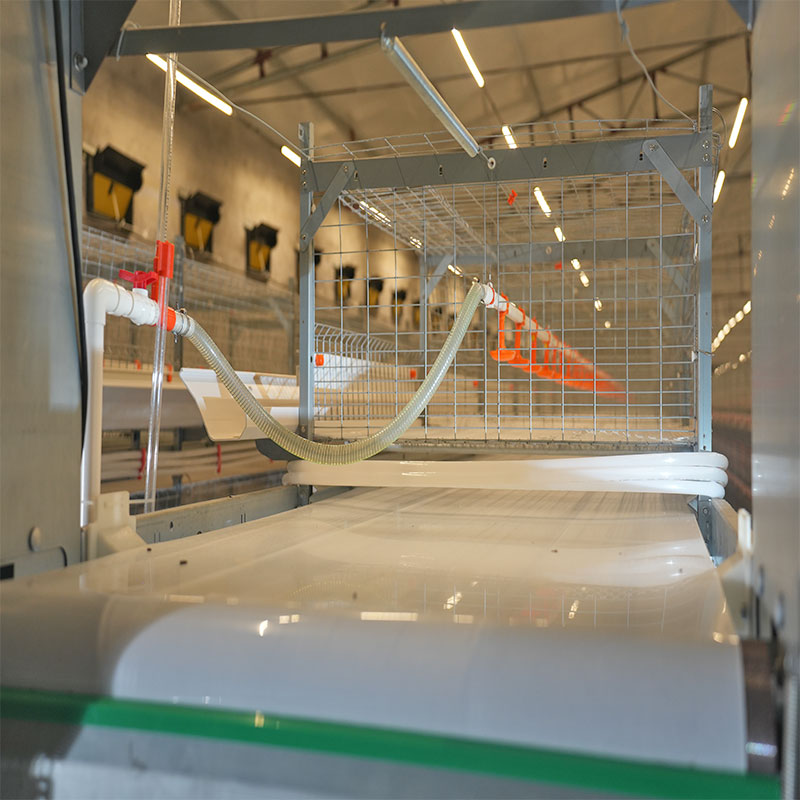
Layer Cage Factory: Your Ultimate Guide to Modern Poultry Farming Systems
In the dynamic world of commercial poultry farming, efficiency, animal welfare, and productivity are paramount. At the heart of this industry lies a critical component: the layer cage system. A layer cage factory is not merely a manufacturing plant; it is the engineering hub that designs and produces the sophisticated environments where billions of hens live and lay eggs that feed nations. This comprehensive guide delves into the world of layer cage factories, exploring their role, the technology they employ, and how to select the right partner for your poultry operation. Whether you're a seasoned farmer looking to upgrade or a newcomer planning a venture, understanding what happens inside a modern layer cage factory is the first step toward building a sustainable and profitable egg production business.
A layer cage factory is a specialized industrial facility dedicated to the research, design, engineering, and manufacturing of housing systems for egglaying hens (layers). These factories produce a range of cage systems—from conventional battery cages to enriched colony systems and advanced aviary designs—that form the backbone of modern egg production.
The scope of a toptier factory goes beyond simple metal fabrication. It integrates knowledge from animal science, veterinary medicine, mechanical engineering, and automation to create systems that optimize:
Hen Health & Welfare: Providing adequate space, access to feed/water, and environments that reduce stress.
Egg Production & Quality: Ensuring eggs are laid cleanly and collected efficiently to minimize cracks and contamination.
Operational Efficiency: Automating feeding, watering, egg collection, and manure management to reduce labor costs.
Farm Profitability: Maximizing bird density (responsibly) and longevity while minimizing feed waste and energy use.
A visit to an advanced factory reveals production lines for several integrated systems.
This is the core product. Modern factories typically offer several tiers (3tier to 8tier Atype or Htype cages) constructed from:
Galvanized Steel Wire: Hightensile strength wire with precise coating for corrosion resistance and durability.
Structural Supports: Robust framing systems that provide stability for multitier setups.
Floor Slope & Design: Engineered for gentle egg rollout to the collection belt without damage.
Precision is key. Factories produce or integrate:
Feed Hoppers & Lines: Consistent delivery of balanced nutrition.
Nipple Drinking Systems: Sanitary, ondemand water supply that reduces spillage.
Critical for hygiene and air quality. Options include:
Manure Belts: Installed beneath each tier for regular removal.
Drying Systems: In some designs, manure is dried in tunnels to reduce volume, odor, and pathogen load.
Gentle automation protects product integrity:
Collection Belts: Softtouch belts that transport eggs centrally.
Central Conveyors: Move eggs smoothly to the packing station.
Modern cages are designed to work seamlessly with:
Ventilation systems
Lighting programs
Climate control sensors
Selecting your manufacturer is a longterm strategic decision. Use this checklist during your evaluation.
| Evaluation Criteria | Key Questions to Ask | Why It Matters |
| : | : | : |
| Expertise & Experience | How long have you been in business? Can you provide case studies/references for farms of my scale? | Demonstrates industry knowledge and proven track record in realworld conditions. |
| Product Quality & Compliance | What are your material specifications (wire gauge, galvanization type)? Are your systems compliant with local/regional animal welfare regulations (e.g., EU Directive, UEP Certified)? | Ensures system longevity, hen welfare compliance (avoiding costly retrofits), and market access. |
|Technology & Innovation | Do you offer PLCcontrolled automation? What data monitoring capabilities are integrated? How do you incorporate latest welfare research? | Futureproofs your investment through efficiency gains and adaptability to evolving standards. |
|Customization & Design Support | Can you modify standard designs for my barn dimensions? Do you provide full layout drawings and technical support? | Ensures optimal space utilization and seamless integration with your existing or planned infrastructure. |
|AfterSales Service | What is your warranty period? Do you have local technicians or partners for installation supervision and maintenance? | Minimizes downtime; reliable support is crucial when dealing with live animals. |
Understanding this process highlights the sophistication behind quality cage systems.
1. Consultation & Farm Analysis: Reputable factories start by understanding your specific needs—flock size, barn layout, local climate, budget.
2. System Design & Engineering: Using CAD software, engineers create detailed plans tailored to your facility.
3. Material Sourcing & Preparation: Highquality steel coil is straightened, cut,and galvanized using hotdip processes for maximum rust protection.
4.Fabrication & Assembly:
Wire mesh panels are welded by automated machines for consistency.
Components like feed troughs,support frames,and egg collection channels are formed.
Parts are assembled into modular sections (typically 12 meter lengths)for easier shipping/installation.
5.Quality Control Inspection:
Every weld,joint,and angle is checked against specifications.This stage often includes loadbearing tests on random samples from each production batch.The goal is zero sharp edges or defects that could harm birds or workers during installation/operation
6.Packaging&Logistics:The modular sections are bundled securely onto pallets or into containers with clear labeling ready fof shipment worldwide.Some factories offer turnkey project management including onsite installation supervision by their trained crews which significantly reduces risk fof errors during setup at yof farm location
The industry isn't static.The leading factories are adapting tthese major trends:
Enriched Colony Cages:Moving beyond minimal space requirements tinclude perches,nesting areas,and scratching mats as standard features.This addresses both regulatory pressures(like California's Prop12)and consumer demand fohigher welfare standards while maintaining controlledenvironment benefits such as disease management ease compared tfreerange setups which can have higher mortality rates due topredation/exposure risks if not managed expertly
Smart Farming Integration:IoT sensors embedded within cages monitor realtime data on temperature/humidity levels at different tiers along with water consumption patterns per section plus early detection offeed line blockages via pressure sensors.All this information feeds intocentral dashboards allowing proactive management decisions rather than reactive problem solving after issues arise potentially impacting production metrics negatively over timeframes measured indays insteadof hours sometimes even minutes dependingonseverity level involved here today now!
ManureasaResource Focus:Designs now facilitate easier manure removal/drying processing intovalueadded products like organic fertilizer thus creating an additional revenue stream while solving disposal challenges simultaneously a true circular economy approach within poultry operations themselves ultimately leading towards more sustainable practices overall across entire agricultural sector globally speaking about these matters seriously considered by all stakeholders involved today forward looking perspective always important indeed!
Customization Flexibility:The one size fitsall model fading away.Factories increasingly offer configurable solutions allowing farmers choose specific features(e.g.,different drinker types,nest box layouts)tailored their unique operational philosophy local market demands without compromising core system integrity performance expectations set forth initially during planning phases beforehand clearly defined objectives met successfully end result achieved satisfaction guaranteed ideally speaking course reality may vary slightly but aim remains same always strive excellence every step way possible given constraints present any particular situation encountered along journey together partnership based trust mutual respect established early ongoing basis communication open transparent throughout relationship duration lifespan project lifecycle management principles applied consistently here too!
Choosing equipment from a reputable layer cage factory is one ofthe most significant investments you'll make in yof poultry business.It directly impacts yof flock's wellbeing,yof team's daily workflow,and yof bottom line.A modern factory partner should be seen as an extension of yof own expertise—providing not just metal structures,but integrated solutions built on science,efficiency,and forwardthinking design.Take time tconduct thorough due diligence,focusing on quality,customization capability,and longterm service support over initial price alone.The right partnership will pay dividends in productivity,sustainability,and peace offmind fodecades come.As industry continues evolve towards greater welfare standards technological integration,the role ofthe innovative layer cage factory will only become more central successful,futureproofed egg production enterprise worldwide context considered holistically today tomorrow beyond vision shared collectively all involved parties stake success defined broadly inclusive terms everyone benefits ultimately goal worth pursuing relentlessly always!
Q1: What's the difference between an Atypeand Htype layer cage system?
A:Atype cages arranged sloping Vshape allowing manure fall directly pit below while Htype(manure belt type)feature flat tiers each equipped with conveyor belt beneath remove manure regularly.Atype often simpler lower cost;Htype offers better hygiene air quality higher density setups common larger modern farms especially regions strict environmental regulations place regarding ammonia emissions etcetera considerations important decisionmaking process here indeed!
Q2: How many birds can be housed per cage module from standard factory?
A:Capacity varies greatly design welfare regulations.Enriched colony cages might house 4080 hens per module providing ~750 sq.cm/bird.Conventional designs older may hold more.Check yoflocal laws first.Reputable factory will advise compliant configurations yoftarget market avoid legal issues future retrofitting costs potentially significant sum money involved careful planning essential step one always remember!
Q3: Are automated egg collection systems reliable don't they cause more cracks?
A:Modern systems engineered gentleness.Soft rubber collection belts central conveyors designed minimize impacts.Sensors can detect jams immediately.When properly installed maintained by trained technicians crack rates typically lower than manual collection due consistent handling reduced human error variability factor present always human operations generally speaking course!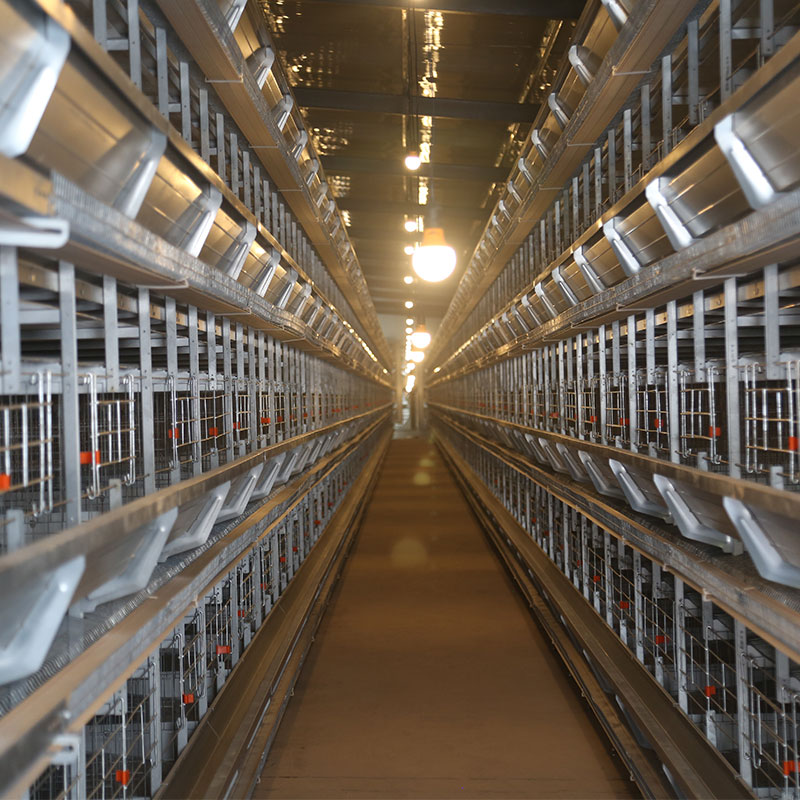
Q4:What typical lifespan should expect from quality layer cage system?
A:A wellmanufactured system using hotdip galvanized steel proper maintenance(last cleaning etc.)can easily last 15+ years.Key factors include material thickness coating quality environmental conditions inside poultry house(ammonia moisture accelerate corrosion).Investing highergrade materials upfront extends operational life significantly improving ROI long run perspective taken seriously wise move indeed!
Q5:Can retrofit older barns with new automated cage systems from factory?
Yes,many factories specialize retrofit projects.They assess existing structure(building width height column placement)design customfit solution maximize space utilize current infrastructure where possible.This often costeffective alternative building new barn ground up especially useful expanding capacity without major construction works involved saving both time resources overall project timeline budget constraints considered carefully beforehand obviously necessary step take always plan ahead possible contingencies accounted properly ideally speaking reality may present challenges overcome collaboratively partner chosen wisely based merit proven experience similar past projects successfully completed reference checks vital part selection process cannot overstated importance truly!
Q6:What after sales services should lookfor when selecting manufacturer?
Essential services include:Dimensional layout drawings installation manuals supervision onsite training staff warranty covering parts workmanship(at least years)availability spare parts quick shipment technical support hotline remote troubleshooting assistance.Regional service partners huge advantage resolving issues promptly minimizing flock disruption risk high priority any livestock operation understandably so critical factor evaluation matrix used during vendor assessment phase definitely yes!
Q7:How do ensure cages meet animal welfare standards my country import regulations?
Request detailed specification sheets test certificates from factory showing compliance specific standards(e.g.,UEP Certified EU Directive compliant).Factory should familiar export requirements destination country may need provide additional documentation like veterinary health certificates fumigation treatment proof etc.Working experienced exporter simplifies process immensely reducing customs clearance delays headaches associated international logistics complicated matters best handled experts field undoubtedly true statement based countless experiences shared industry professionals globally network knowledge invaluable resource tap into whenever possible absolutely recommended course action take seriously consideration given stakes involved high level importance attached outcome desired achieved successfully end day goal everyone concerned party alike ultimately!
1. Drinking system include the water pipes, water pressure adjuster, drinking nipples, Waterline front-end device, dosing system etc, choose them according to customer's needs.
2. High-quality water drinking pipes, pressure regulating valves and water drinking nipples can effectively prevent the water leakage. Drinking system adopt the closed piping system, which can minimize the water pollution.
3. 360-degree drinking nipples provide adequate drinking water for poultry at all stages.
4. The automatic drinking water system mainly adopts the steel ball drinking nipple. lt uses imported high-grad stainless steel, POM resin, and APS engineering material, which is wearing resistant, and the durability can be used for long time.



1. Automatic feeding machine can be chosen between gantry and ladder feeding machine. Gantry type feeding machine is a relatively economical and practical machine with simple operation, remote control walking character, easy to manage.
2. Mechanical transmission device running smoothly, low noise, long service life.
3. With the use of automatic control, the feeding system can adjust the amount of material.
4. Feeding with arched structure, high carrying capacity, not easily deformed.
5. Saving man power, saving feed, greatly improving the efficiency of Large-scale farming.
6. The walking speed of gantry feeding machine is 9--12 m/min.




1. Manure removing system included scraper type and conveyor belt type, Which can reduce the labor intensity and labor cost, keep the chicken shed dry and clean.
2. A type chicken cage can use scraper type or conveyor belt type.


3. The scraper type is suitable for A type cages, which can clean two or three rows. For the starters, this type is a good choice. lt can not only save some labor cost, but also save some investment in the whole project. The cleaning speed is 6-10 meters per minute.
4. Conveyor belt type is more suitable for large scale farming. The manure removing belt we use is high quality PP material (polypropylene). The walking speed is 2-4 meters per minute.



High Quality Pellets Made by Mobile Pellet Machine
1. It has professional designed angle of the blade. After the dynamic balance test one by one, the blade can operate smoothly.
2. The air volume is consistent in the whole life of the fan. Bearings has advantage of high strength, low noise, durable and so on.
1. The cooling pads uses high-quality wet curtain paper and adopts space cross-linking technology, which has the advantages of high water absorption, high water resistance, anti-toxicity and long service life.
2. The cooling efficiency is over 80%, without surfactant, natural water absorption, fast diffusion speed and long-lasting effect.
3. The product does not contain phenol and other chemical substances that are easy to cause skin allergies. It is non-toxic and harmless to the human body and chicken when installed and used. It is green, safe, energy-saving, environmentally friendly, economical, and easy to install.
4. The frame aluminum alloy has high strength, good corrosion resistance, durability and beautiful appearance.
5. Use a special filter for the cooling pad at the upper water to ensure clean water quality and support efficient water circulation components.
6. Combined with a negative pressure fan, it can effectively lower the indoor temperature.
The window is made of special selected high-quality engineering plastic, with high strength and long service life, together with superior anti-aging and anti-UV performance.
Function: Ventilation of the chicken house, usually used in the winter.
This system can adjust the wind speed and direction, thus the cold air will not reach chicken directly , which can effectively prevent the phenomenon of cold stress in chicken.
Environmental control system equipment is suitable for large-scale and intensive farming. According to customer requirements, we can provide various types of smart poultry equipment.
1. Our poultry management system is a modular system that manages all aspects of the chicken house, such as climate, temperature, humidity, ammonia, feeding, feed weighing, lighting and ventilation systems, and can monitor the situation of the chicken house in real time through a computer and mobile phone.
2. The management computer is the heart of the poultry farm, allowing you to easily monitor the entire poultry farm.

 WeChat:+8617838608255