The Ultimate Guide to Buying Layer Cages: Maximizing Poultry Health and Farm Profitability
For commercial poultry farmers and serious homesteaders, the decision to purchase layer cages represents a critical investment in the future of their operation. Far more than simple enclosures, modern layer housing systems are sophisticated tools designed to optimize egg production, safeguard bird health, and streamline farm management. Whether you're scaling up an existing business or embarking on a new venture, navigating the market for layer cages requires careful consideration of animal welfare standards, operational efficiency, and longterm return on investment. This comprehensive guide will equip you with the expert knowledge needed to make an informed purchase, ensuring your choice supports a thriving, productive, and sustainable flock.
Gone are the days of onesizefitsall poultry housing. Today's layer cage market offers specialized solutions tailored to different scales of operation and ethical frameworks.
Conventional Battery Cages: These are multitiered systems that maximize space efficiency in largescale operations. While controversial and banned or phased out in many regions (like the EU), they are still available in some markets. Understanding local regulations is paramount.
Enriched or Furnished Colony Cages: Designed as an alternative to conventional cages, these systems provide more space per hen and include essential furnishings like perches, nesting areas, and scratching pads. They aim to address some behavioral needs while maintaining a controlled environment.
Aviary Systems (CageFree): While not "cages" in the traditional sense, aviaries are complex indoor housing systems with multiple vertical levels. They allow birds to roam freely indoors, exhibiting natural behaviors like flying between perches and dust bathing.
CombiSystems: These versatile systems can start as cage pulletrearing units and later convert to layer cages or aviary systems, offering flexibility as your operation grows or standards evolve.
A robust system is built from several integrated parts:
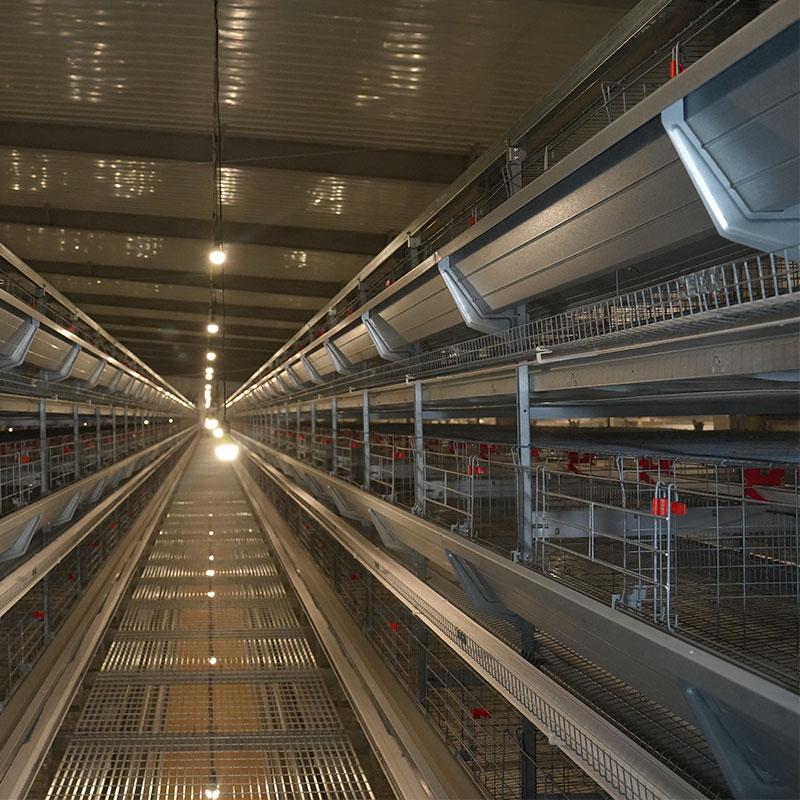
Cage Frame & Structure: Typically made from galvanized steel for corrosion resistance.
Flooring: Sloped wire mesh designed for egg rolling and manure passage.
Egg Collection System: Can be manual (rollout trays) or fully automated (central conveyor belts).
Feeding System: Includes troughs connected to central feed lines with automated distribution.
Watering System: Nipple drinkers are standard for hygiene and reduced water waste.
Manure Removal System: Features belts or deep pits beneath tiers for regular cleaning.
Choosing the right system requires a deep dive into your specific operational needs.
Your current flock size and growth projections dictate the system's scale.
| Farm Scale | Recommended Cage Type | Key Considerations |
| : | : | : |
| SmallScale / Backyard | Small modular cages or cagefree pens | Manual management, lower upfront cost. |
| Medium Commercial | Enriched colony cages or small aviaries | Balance of automation & welfare; ROI focus. |
| Large Commercial | Automated multitiered systems | High automation for feed, water, egg collection; space efficiency. |
This is nonnegotiable. Research and adhere strictly to:
Local animal welfare laws (e.g., California's Proposition 12).
Industry certification standards (e.g., United Egg Producers Certified).
Futureproofing against upcoming legislation favoring enriched or cagefree systems.
The cage material determines its lifespan.
HotDip Galvanized Steel: The industry standard for superior rust resistance.
ElectroGalvanized Steel: A costeffective option but with a thinner protective layer.
Check weld points, wire gauge thickness, and coating uniformity.
Automation directly impacts labor costs and operational consistency.
Manual Systems: Lowest cost, highest labor requirement.
SemiAutomated: Automated feeding/watering with manual egg collection.
Fully Automated: Integrated control of environment, feeding, watering, egg collection, and manure removal.
Follow recommended space allowances per hen (often dictated by law). Overstocking leads to stress, feather pecking, decreased production, and compliance failures.
When evaluating layer cages for sale look beyond the sticker price.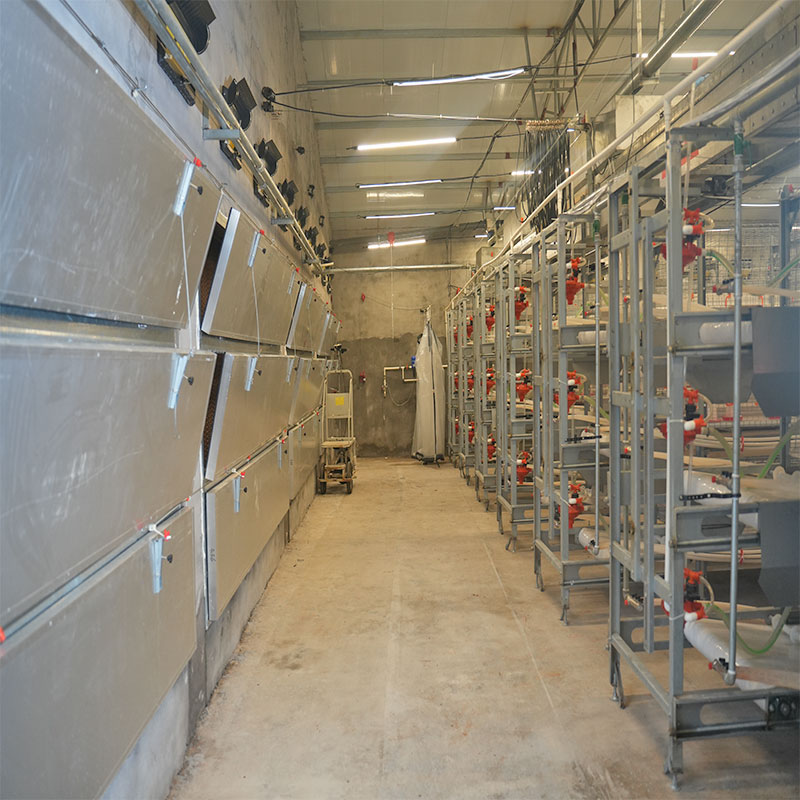
Initial Investment Includes:
Cage units + Installation + Ventilation/Climate systems + Initial automation.
Operational Costs Impacted by Your Choice:
Feed efficiency (+/ 510%), Labor costs (reduced by 5070% with automation), Water usage (+/), Mortality rates (+/), Egg breakage rates (+/).
A higher initial investment in a welldesigned automated system often yields a faster Return on Investment (ROI) through significant savings in labor feed waste reduction improved bird performance leading to more saleable eggs.
1. Conduct a Needs Assessment. Audit your current operation define goals budget constraints.
2. Research Reputable Suppliers. Look for manufacturers with proven industry experience solid warranties strong customer support references visit existing installations if possible.
3. Request Detailed Quotations. Ensure quotes include delivery installation training aftersales service not just unit prices compare specifications sidebyside using table format similar one above .
4. Plan for Installation & Training. Factor in downtime schedule professional installation ensure your team receives comprehensive training on operation maintenance troubleshooting .
5. Implement Flock Management. Transition birds carefully monitor behavior adjust feeding programs lighting schedules within new environment .
Investing in the right layer cage system is a strategic decision that forms the backbone of a successful poultry enterprise By prioritizing bird welfare embracing durable materials selecting appropriate level automation you create an environment where productivity animal health go handinhand Thorough research meticulous planning partnership with reputable supplier will ensure your investment pays dividends form years come form consistent highquality egg production sustainable profitable farming business .
Q1: What is the average lifespan of a commercial layer cage system?
A wellmaintained hotdip galvanized steel cage system can last 1520 years Key factors affecting lifespan include environmental conditions humidity ammonia levels regularity maintenance quality initial materials .
Q2: How many hens can fit in one commercial layer cage?
This depends entirely on type system local regulations An enriched colony cage might house 4080 hens sharing furnished space while conventional smaller compartment might hold 510 Always comply with legal minimum space requirements per hen which often specified square inches per bird .
Q3: Are used layer cages worth buying?
Buying used can offer significant cost savings but requires diligent inspection Check rust corrosion especially weld points structural integrity moving parts like egg belts manure scrapers Ensure design complies current welfare standards may be outdated .
Q4: What’s more costeffective: battery cages or enriched colony cages?
While conventional battery cages have lower upfront cost enriched colony cages futureproof farm against tightening regulations potentially open premium market segments Their improved welfare outcomes also lead better bird performance lower mortality potentially balancing longterm operational costs .
Q5: Can I automate my existing older cage system?
Partial automation possible Retrofitting automatic nipple drinkers feeding systems often feasible adding central egg collection may structurally challenging require consultation original manufacturer specialist installer assess feasibility .
Q6: How do I properly clean disinfect between flocks?
Essential process involves dry cleaning remove dust manure followed wet pressure washing approved disinfectant applied correct contact time Focus all surfaces including wires feeders drinkers Allow house dry completely before introducing new flock This breaks disease cycle .
Q7: What ventilation required caged layer house?
Proper ventilation critical remove moisture ammonia excess heat maintain air quality Modern houses use computercontrolled tunnel cross ventilation systems Adjustments based external temperature internal humidity levels ensure consistent environment yearround preventing respiratory issues stress birds .
Q8 Do different chicken breeds require different cage designs?
While most commercial white layers HyLine ISA Brown adapt well standard designs heavier brown breeds larger heritage breeds require stronger flooring perch specifications wider nest box openings Consult breed guidelines supplier when selecting equipment .
1. Drinking system include the water pipes, water pressure adjuster, drinking nipples, Waterline front-end device, dosing system etc, choose them according to customer's needs.
2. High-quality water drinking pipes, pressure regulating valves and water drinking nipples can effectively prevent the water leakage. Drinking system adopt the closed piping system, which can minimize the water pollution.
3. 360-degree drinking nipples provide adequate drinking water for poultry at all stages.
4. The automatic drinking water system mainly adopts the steel ball drinking nipple. lt uses imported high-grad stainless steel, POM resin, and APS engineering material, which is wearing resistant, and the durability can be used for long time.



1. Automatic feeding machine can be chosen between gantry and ladder feeding machine. Gantry type feeding machine is a relatively economical and practical machine with simple operation, remote control walking character, easy to manage.
2. Mechanical transmission device running smoothly, low noise, long service life.
3. With the use of automatic control, the feeding system can adjust the amount of material.
4. Feeding with arched structure, high carrying capacity, not easily deformed.
5. Saving man power, saving feed, greatly improving the efficiency of Large-scale farming.
6. The walking speed of gantry feeding machine is 9--12 m/min.




1. Manure removing system included scraper type and conveyor belt type, Which can reduce the labor intensity and labor cost, keep the chicken shed dry and clean.
2. A type chicken cage can use scraper type or conveyor belt type.


3. The scraper type is suitable for A type cages, which can clean two or three rows. For the starters, this type is a good choice. lt can not only save some labor cost, but also save some investment in the whole project. The cleaning speed is 6-10 meters per minute.
4. Conveyor belt type is more suitable for large scale farming. The manure removing belt we use is high quality PP material (polypropylene). The walking speed is 2-4 meters per minute.



High Quality Pellets Made by Mobile Pellet Machine
1. It has professional designed angle of the blade. After the dynamic balance test one by one, the blade can operate smoothly.
2. The air volume is consistent in the whole life of the fan. Bearings has advantage of high strength, low noise, durable and so on.
1. The cooling pads uses high-quality wet curtain paper and adopts space cross-linking technology, which has the advantages of high water absorption, high water resistance, anti-toxicity and long service life.
2. The cooling efficiency is over 80%, without surfactant, natural water absorption, fast diffusion speed and long-lasting effect.
3. The product does not contain phenol and other chemical substances that are easy to cause skin allergies. It is non-toxic and harmless to the human body and chicken when installed and used. It is green, safe, energy-saving, environmentally friendly, economical, and easy to install.
4. The frame aluminum alloy has high strength, good corrosion resistance, durability and beautiful appearance.
5. Use a special filter for the cooling pad at the upper water to ensure clean water quality and support efficient water circulation components.
6. Combined with a negative pressure fan, it can effectively lower the indoor temperature.
The window is made of special selected high-quality engineering plastic, with high strength and long service life, together with superior anti-aging and anti-UV performance.
Function: Ventilation of the chicken house, usually used in the winter.
This system can adjust the wind speed and direction, thus the cold air will not reach chicken directly , which can effectively prevent the phenomenon of cold stress in chicken.
Environmental control system equipment is suitable for large-scale and intensive farming. According to customer requirements, we can provide various types of smart poultry equipment.
1. Our poultry management system is a modular system that manages all aspects of the chicken house, such as climate, temperature, humidity, ammonia, feeding, feed weighing, lighting and ventilation systems, and can monitor the situation of the chicken house in real time through a computer and mobile phone.
2. The management computer is the heart of the poultry farm, allowing you to easily monitor the entire poultry farm.

 WeChat:+8617838608255