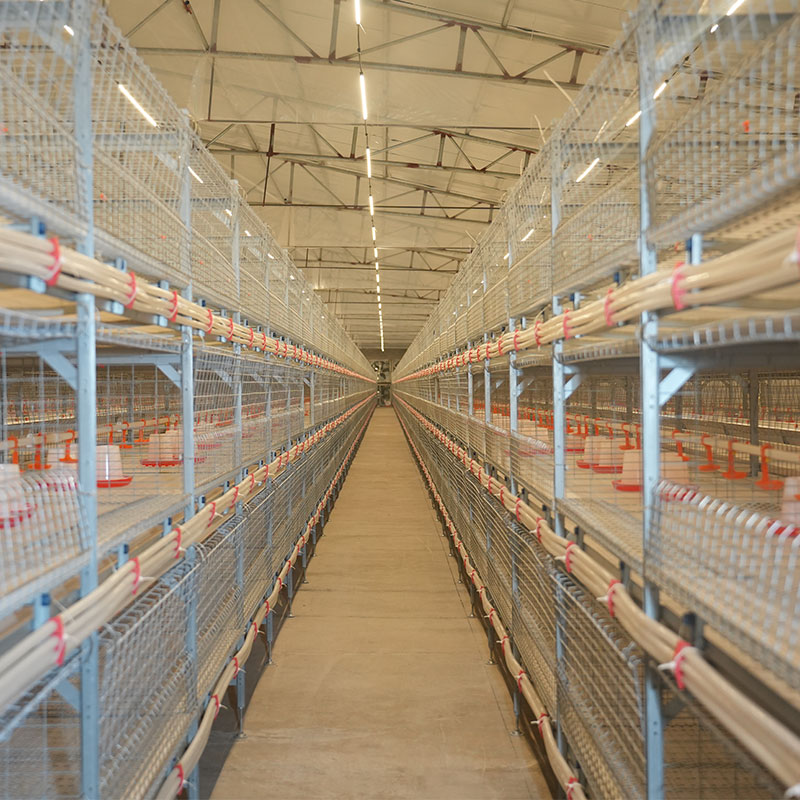
The morning sun hasn’t yet broken the horizon, but the low hum from the long, open-sided building is already a constant. Inside, row upon row of steel cages rise three tiers high, a meticulously organized city for thousands of laying hens. The air smells faintly of feed and dust, not the overwhelming ammonia that plagues older, less managed facilities. For a poultry farmer, this scene isn't just about housing birds; it's about orchestrating a complex system where animal welfare, labor efficiency, and financial viability must align. The choice of a layer cage system is one of the most critical capital investments you will make, a decision that reverberates through daily operations for a decade or more.
Gone are the days of a one-size-fits-all cage. The modern market offers a spectrum of designs, each engineered to solve specific challenges in egg production. Understanding the nuances of these systems is paramount to selecting the right partner for your operation.
The Core Architectures: A Framework for Flocks
The first and most fundamental choice lies in the system's basic structure.
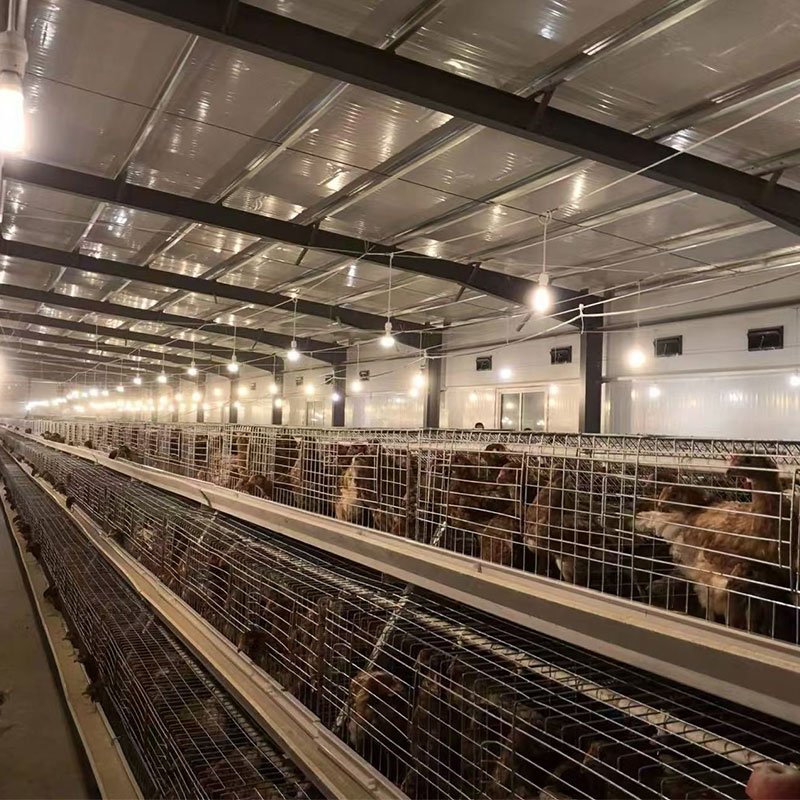
A Conventional Battery Cage System is the industry workhorse, a design refined over decades for pure density and efficiency. Picture a long, narrow bay inside a poultry house. On either side, three levels of cages are stacked. Each cage is a simple wire enclosure, housing five to seven hens. A conveyor belt runs along the back, just outside the cages, patiently waiting to collect eggs as they are laid and roll them gently toward the collection area. Below, another set of belts or a deep pit manages manure, which dries and is removed periodically. The simplicity is its strength. It requires less complex machinery, and its initial capital outlay is often the lowest per bird housed. For large-scale operations focused on producing a high volume of commodity eggs for the breaking plant or generic carton market, this system’s straightforward, no-frills approach delivers a reliable return on investment. Every input—feed, water, space—is optimized for output.
In response to evolving welfare legislation and market demands, the Enriched or Furnished Colony Cage System was developed. Think of it as a battery cage with added amenities that cater to the hen’s behavioral needs. The footprint per bird is larger. Within this expanded space, key features are integrated: a scratch pad area (often an AstroTurf-like mat), a private nesting box for laying eggs, and perches at different heights. The scratch pad allows for foraging and dust-bathing behaviors, reducing feather pecking and boredom. The nest box provides seclusion and darkness, which hens instinctively seek when laying, resulting in cleaner eggs and fewer seconds. Perches satisfy the natural urge to roost off the ground. While the equipment cost is higher and you house fewer birds per square foot of building space, the benefits are tangible. You will see a lower mortality rate, improved feather cover, and a higher percentage of first-quality, nest-clean eggs that can command a premium in certain markets. This system is a strategic middle ground, balancing productivity with demonstrable animal welfare commitments.
For operations targeting the high-end free-range or organic market without sacrificing all the efficiencies of confinement, the Aviary System presents a compelling option. This is not a cage in the traditional sense but a large, multi-tiered open environment within a house. Imagine a series of platforms, ramps, and perches that allow birds free movement vertically and horizontally across the entire floor space. Feed and water lines are distributed across the levels. The critical design feature is the integration of automatic closing doors on the outer walls. During the day, these doors open, granting the flock access to an outdoor pasture or range area. At dusk, an automated system coaxes the birds inside and closes the doors behind them for protection. Inside, the hens naturally gravitate to the upper tiers to roost for the night. This allows farmers to manage the manure that accumulates below the slatted floors separately. The system caters directly to consumers who prioritize outdoor access, but it requires more skilled management, excellent biosecurity protocols for the outdoor area, and a significantly different approach to bird handling.
Beyond the Structure: The Integrated Nervous System
The cage framework is just the skeleton. Its true functionality is delivered by the integrated systems that serve it—the nervous system that brings the operation to life.
Feeding Systems have evolved far beyond a simple trough. Modern chain and pan feeder systems are a study in precision. A metal chain, running in a loop, drags a precise amount of feed from a central hopper out into the trough that services each row of cages. At regular, programmed intervals, the chain starts, delivering a fresh wave of feed. Hens learn the rhythm and eat eagerly when it arrives, ensuring fresh feed and minimizing waste from birds scratching it out. More advanced systems utilize trolley feeders, a train of feed carts that move along a track above the cages, dropping a measured portion of feed into each trough below. This method is even gentler on feed, reducing particle separation (where hens pick out only the tasty bits) and further minimizing waste.
Watering is no longer about open cups. Nipple drinker systems are now the universal standard. A small stainless-steel nipple is positioned in each cage. A hen learns to peck at it, releasing a few drops of water into her beak. This closed system is revolutionary. It keeps water fresh and clean, preventing contamination from dust, feed, or manure. It dramatically reduces water spillage, which in turn keeps manure drier and lowers the humidity and ammonia levels in the house. The difference in litter quality and air quality between a house with nipple drinkers and one with old cup systems is immediately noticeable and profoundly impacts bird respiratory health.
Perhaps the most transformative innovation is manure management. The old method of scraping or washing manure into a lagoon is being replaced by in-house drying. Most modern cage systems employ a manure belt system. A continuous, slow-moving belt runs beneath each tier of cages. Droppings fall onto this belt, which transports them to the end of the house. In advanced setups, these belts are enclosed in tunnels where large fans constantly pull air through the manure, drying it to a crumbly, stable state before it is even collected. This process locks in nitrogen, reduces volume by up to 50% through moisture loss, and creates a valuable, easy-to-handle fertilizer instead of a toxic slurry. The impact on the farm’s environmental footprint and neighbor relations is significant, virtually eliminating odor issues.
Egg Collection is the payoff, and automation here saves immense labor. Eggs roll out of the cage onto a collector belt at the rear. This belt periodically moves, transferring the eggs to a cross conveyor that carries them to the front of the house. Here, they may be fed directly into an on-farm grading machine or carefully stacked onto trays for transport. The entire process minimizes human handling, which reduces cracks and checks. The eggs arriving at the grading station are cleaner and have experienced less trauma, directly boosting your saleable yield.
The Decision Matrix: Aligning Equipment with Ambition
Selecting a system is not about buying the best cage; it's about choosing the right tool for your specific business model.
Scale and Production Goals are the primary drivers. A 50,000-hen operation supplying a contract with a major breaker plant will have a different calculus than a 5,000-hen farm selling free-range eggs at a farmers' market. The former will prioritize birds per square foot, mechanical simplicity, and lowest cost per dozen eggs. The latter might prioritize welfare features that become a marketing story, even if it means a higher initial investment and lower density.
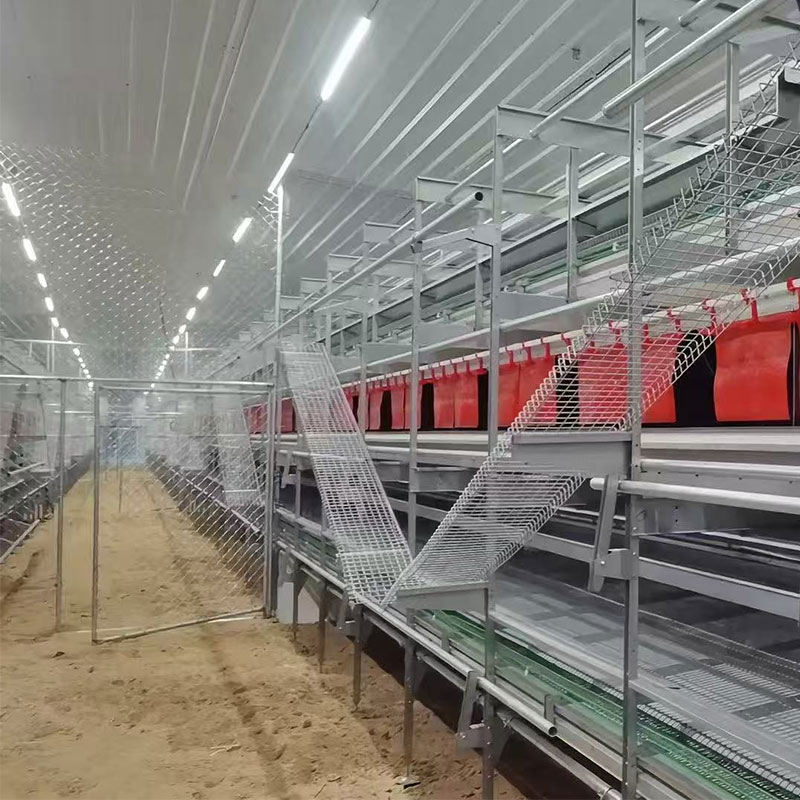
Labor Availability and Cost must be ruthlessly audited. A fully automated system with central egg collection, manure belts, and feed trolleys requires a higher capital outlay but can be managed by a single person for vast stretches of time. A less automated system saves on upfront costs but demands daily manual labor for egg collection, manure scraping, and feed distribution. The business case often boils down to a financing calculation: can you afford the loan payments on a high-tech system, and will the savings in labor costs cover them? In regions where finding reliable farm labor is increasingly difficult, the automation premium is often worth paying.
Market Signals and Consumer Trends cannot be ignored. Are your buyers—whether a distributor, a grocery chain, or direct consumers—starting to ask questions about housing? Are they willing to pay a premium for eggs from enriched systems? Making a capital investment today in a system that is on the wrong side of a consumer trend is a dangerous gamble. Sometimes, the slightly higher cost of an enriched system is an investment in market access and future-proofing your business.
The Reality of Installation and Operation
Bringing a new cage system online is a major project. It involves careful planning with the supplier, potential modifications to existing buildings, or the construction of new ones. Electrical work for motors and controls, plumbing for water lines, and ventilation upgrades to handle the specific air flow needs of the new layout are all critical. This is not a purchase; it's a construction project where the cage supplier is your key partner.
Once operational, the management philosophy must evolve with the technology. These are precision systems. They require preventative maintenance—lubricating chains, checking belt alignment, testing sensors, and cleaning nipple drinkers. A failure in a single motor can halt egg collection for an entire house. The skill set of the farm manager shifts from manual animal husbandry to overseeing a complex mechanical and biological system. Training for yourself and your staff is not an optional extra; it is a core requirement for success.
The financial commitment is substantial, but it must be viewed through the lens of total cost of ownership over its 10-15 year lifespan. The initial purchase price is just one line item. Factor in the cost of financing, the projected savings in labor, feed, and water, the potential for a higher premium on your eggs, and the value of the end product—dry manure versus wet slurry. A more expensive system that slashes your monthly labor bill and produces a fertilizer you can easily sell might have a much lower true cost over a decade than a cheaper, labor-intensive system.
The rows of cages are silent until they are populated. Then they become a living, breathing engine of production. The choice of which engine to install will determine the rhythm of your days, the health of your birds, the quality of your product, and ultimately, the profitability of your land for years to come. It is a decision that demands careful scrutiny of your goals, honest assessment of your resources, and a partnership with a supplier who understands not just steel and motors, but the intricate business of producing eggs.
1. Drinking system include the water pipes, water pressure adjuster, drinking nipples, Waterline front-end device, dosing system etc, choose them according to customer's needs.
2. High-quality water drinking pipes, pressure regulating valves and water drinking nipples can effectively prevent the water leakage. Drinking system adopt the closed piping system, which can minimize the water pollution.
3. 360-degree drinking nipples provide adequate drinking water for poultry at all stages.
4. The automatic drinking water system mainly adopts the steel ball drinking nipple. lt uses imported high-grad stainless steel, POM resin, and APS engineering material, which is wearing resistant, and the durability can be used for long time.



1. Automatic feeding machine can be chosen between gantry and ladder feeding machine. Gantry type feeding machine is a relatively economical and practical machine with simple operation, remote control walking character, easy to manage.
2. Mechanical transmission device running smoothly, low noise, long service life.
3. With the use of automatic control, the feeding system can adjust the amount of material.
4. Feeding with arched structure, high carrying capacity, not easily deformed.
5. Saving man power, saving feed, greatly improving the efficiency of Large-scale farming.
6. The walking speed of gantry feeding machine is 9--12 m/min.




1. Manure removing system included scraper type and conveyor belt type, Which can reduce the labor intensity and labor cost, keep the chicken shed dry and clean.
2. A type chicken cage can use scraper type or conveyor belt type.


3. The scraper type is suitable for A type cages, which can clean two or three rows. For the starters, this type is a good choice. lt can not only save some labor cost, but also save some investment in the whole project. The cleaning speed is 6-10 meters per minute.
4. Conveyor belt type is more suitable for large scale farming. The manure removing belt we use is high quality PP material (polypropylene). The walking speed is 2-4 meters per minute.



High Quality Pellets Made by Mobile Pellet Machine
1. It has professional designed angle of the blade. After the dynamic balance test one by one, the blade can operate smoothly.
2. The air volume is consistent in the whole life of the fan. Bearings has advantage of high strength, low noise, durable and so on.
1. The cooling pads uses high-quality wet curtain paper and adopts space cross-linking technology, which has the advantages of high water absorption, high water resistance, anti-toxicity and long service life.
2. The cooling efficiency is over 80%, without surfactant, natural water absorption, fast diffusion speed and long-lasting effect.
3. The product does not contain phenol and other chemical substances that are easy to cause skin allergies. It is non-toxic and harmless to the human body and chicken when installed and used. It is green, safe, energy-saving, environmentally friendly, economical, and easy to install.
4. The frame aluminum alloy has high strength, good corrosion resistance, durability and beautiful appearance.
5. Use a special filter for the cooling pad at the upper water to ensure clean water quality and support efficient water circulation components.
6. Combined with a negative pressure fan, it can effectively lower the indoor temperature.
The window is made of special selected high-quality engineering plastic, with high strength and long service life, together with superior anti-aging and anti-UV performance.
Function: Ventilation of the chicken house, usually used in the winter.
This system can adjust the wind speed and direction, thus the cold air will not reach chicken directly , which can effectively prevent the phenomenon of cold stress in chicken.
Environmental control system equipment is suitable for large-scale and intensive farming. According to customer requirements, we can provide various types of smart poultry equipment.
1. Our poultry management system is a modular system that manages all aspects of the chicken house, such as climate, temperature, humidity, ammonia, feeding, feed weighing, lighting and ventilation systems, and can monitor the situation of the chicken house in real time through a computer and mobile phone.
2. The management computer is the heart of the poultry farm, allowing you to easily monitor the entire poultry farm.

 WeChat:+8617838608255