Layer Cages: The Complete Guide to Modern Poultry Housing Systems
For poultry farmers, the choice of housing system is one of the most critical decisions impacting bird welfare, egg quality, and operational efficiency. Among the various options, layer cages have become a cornerstone of modern commercial egg production worldwide. This comprehensive guide delves into the intricacies of layer cage systems, exploring their design, benefits, challenges, and the vital considerations for implementing a system that balances productivity with animal welfare and sustainability. Whether you're a seasoned farmer evaluating an upgrade or new to the industry, understanding the full scope of layer housing is essential for success.
Layer cages, also known as battery cages in traditional forms, are housing units designed specifically for egglaying hens (layers). They are structured enclosures that house hens in compartments, providing automated access to feed, water, and egg collection.
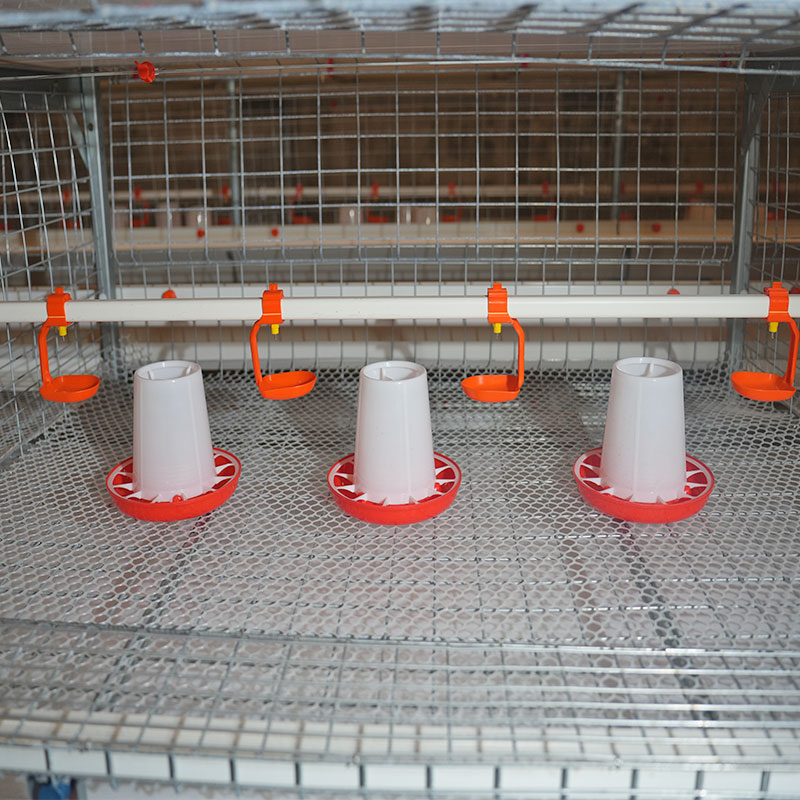
A modern layer cage system is a far cry from outdated perceptions. Today's designs are engineered with hen welfare and farm efficiency as parallel priorities. The typical system consists of multiple tiers of cages installed inside a controlledenvironment poultry house. Each cage is designed to hold a specific number of birds according to animal welfare standards, with features like nipple drinkers, trough feeders, and sloped wire floors that allow eggs to roll gently onto a collection belt.
The evolution of poultry farming has led to several cage system designs, each with distinct characteristics.
These are the original designs that have been largely phased out or banned in many regions (like the EU) due to welfare concerns. They provided minimal space per bird and limited behavioral opportunities.
Now mandated in the EU and adopted in other progressive markets, these systems provide significantly more space per hen than traditional cages. They are required to include:
A nest box for laying.
Perching space.
A scratching area (often astroturf) for dustbathing.
Clawshortening devices.
Enhanced height for movement.
While not "cages" in the stacked sense, aviaries are complex multitiered structures inside a barn. Hens have freedom to move between levels, with access to perches, nests, and litter areas on the floor. This system requires different management skills but meets "cagefree" market demands.
These innovative systems can be converted between an enriched cage setup and an open aviary system by opening cage doors. This offers farmers flexibility to respond to market requirements.
When designed and managed correctly, modern cage systems offer compelling benefits:
Improved Bird Health & Biosecurity: Hens have limited contact with their droppings, which reduces parasite loads (like worms and coccidia) and exposure to fecalborne pathogens like Salmonella and E. coli.
Higher Feed Efficiency: Reduced physical activity compared to freerange systems translates into lower energy expenditure. Feed is delivered precisely with minimal waste.
Superior Egg Quality & Safety: Eggs roll away immediately after laying, minimizing breakage and keeping shells clean. This reduces microbial contamination through the shell pores.
Enhanced Operational Efficiency: Automation is seamlessly integrated. Feed delivery, watering, egg collection (via central belts), manure removal (via belts or deep pits), and climate control can all be automated.
Reduced Labor Costs: Automated systems drastically cut the manpower needed for daily collection and cleaning tasks.
Precise Monitoring & Management: It's easier to monitor feed/water consumption, egg production rates by row or tier, and spot health issues in smaller groups of birds.
The use of cages is subject to intense debate centered on animal welfare. Responsible farming requires addressing these challenges headon.
Behavioral Restrictions: Even enriched cages may limit natural behaviors like full wingflapping, foraging over large areas, or unrestricted dust bathing.
Space Allowance: Compliance with local regulations (e.g., 750 cm² per hen in EU enriched colonies) is mandatory but remains a point of ethical discussion.
Bone Strength: Lack of sustained loadbearing exercise can lead to poorer bone strength compared to hens in noncage systems.
Feather Pecking & Cannibalism: While less exposed to parasites, higher stocking densities can sometimes exacerbate behavioral issues if environmental enrichment and management are inadequate.
Public Perception & Market Demand: Consumer trends are shifting towards cagefree and freerange eggs in many Western markets.
Success hinges on exceptional management:
1. Stocking Density: Always adhere to or exceed national animal welfare standards. Less density often means better performance and fewer issues.
2. Environmental Control: Maintain optimal temperature (1824°C), humidity (4070%), ventilation (to remove ammonia), and consistent light cycles within the closed house.
3. Nutrition & Water: Provide a balanced layer diet via wellmaintained feeders. Ensure constant access to clean water through sanitized nipple lines with correct pressure.
4. Enrichment & Welfare: In enriched systems ensure all furnishings are functional and used by the birds.Train pullets on how to use perches before they enter laying phase .
5 .Health Monitoring : Implement strict vaccination programs.Conduct daily walks ("walking pens")to observe bird condition ,comb color ,activity levels ,and any signs illness .
6 .Manure Management : Whether using belt scrapers deep pit systems manage manure promptly control flies ammonia levels .
The future layer cage will likely be part integrated sustainable ecosystem :
Layer cages represent sophisticated piece agricultural technology When selected managed responsibly—with unwavering commitment hen welfare—they can provide safe efficient method producing affordable protein However industry must continue listen scientific research consumer concerns evolving regulations The goal should not simply defend status quo but innovate towards systems that truly reconcile economic viability with highest possible standards animal care Ultimately best system one where meticulous management meets thoughtful design ensuring health both business birds
Q1: What is the difference between battery cages and enriched colony cages?
A: Traditional battery cages are barren provide minimal space per hen Enriched colony cages legally required EU other regions provide significantly more space include mandatory furnishings nest box perches scratching area allow expression more natural behaviors
Q2: Are layer cages illegal?
A: Legality varies Traditional battery cages banned European Union Switzerland certain US states etc However modern enriched furnished colony cages remain legal widely used many countries Always check your specific national regional regulations
Q3: How many hens typically go in one cage compartment?
A: In enriched colony systems group sizes vary but typically range small groups hens larger colonies birds key factor available space per hen not necessarily number itself Regulations specify minimum square centimeters per bird
Q4: Do chickens suffer in cage systems?
A: This complex debated issue Modern wellmanaged enriched cage systems protect hens from predators parasites diseases provide consistent food water However they restrict range natural behaviors like full foraging flying Potential suffering reduced through excellent stockmanship strict adherence welfare standards continuous improvement design
Q5: How often are eggs collected from layer cages?
A: In automated systems eggs collected continuously via conveyor belts typically run several times day This prevents eggs getting dirty broken reduces labor dramatically compared manual collection
Q6: What happens manure in multitier cage houses?
A: Most modern houses use manure belt systems belt runs beneath each tier removing droppings regularly Alternatively deep pit system where manure accumulates beneath tiers removed entire flock cycle Both require careful management control ammonia moisture flies
Q7 Can you get cagefree eggs from caged system ?
A No By definition "cagefree" means hens housed building without cages may have multitier aviaries access floor litter areas Eggs from any type cage system cannot marketed "cagefree"
Q8 What alternative housing exists besides cages ?
A Main alternatives include :
Q9 How long do laying hens live commercial cage system ?
A The productive laying period commercial hen regardless housing type typically around weeks (~ years) After this point egg production declines becomes economically viable replace flock with new pullets spent hens processed
Q10 Do caged hens need beaks trimmed ?
A Beak trimming practice reduce injuries feather pecking cannibalism It used across various housing systems including cagefree where bird density high However trend moving away due welfare concerns reliance instead on genetic selection better lighting enrichment lower densities manage behavior
1. Drinking system include the water pipes, water pressure adjuster, drinking nipples, Waterline front-end device, dosing system etc, choose them according to customer's needs.
2. High-quality water drinking pipes, pressure regulating valves and water drinking nipples can effectively prevent the water leakage. Drinking system adopt the closed piping system, which can minimize the water pollution.
3. 360-degree drinking nipples provide adequate drinking water for poultry at all stages.
4. The automatic drinking water system mainly adopts the steel ball drinking nipple. lt uses imported high-grad stainless steel, POM resin, and APS engineering material, which is wearing resistant, and the durability can be used for long time.



1. Automatic feeding machine can be chosen between gantry and ladder feeding machine. Gantry type feeding machine is a relatively economical and practical machine with simple operation, remote control walking character, easy to manage.
2. Mechanical transmission device running smoothly, low noise, long service life.
3. With the use of automatic control, the feeding system can adjust the amount of material.
4. Feeding with arched structure, high carrying capacity, not easily deformed.
5. Saving man power, saving feed, greatly improving the efficiency of Large-scale farming.
6. The walking speed of gantry feeding machine is 9--12 m/min.




1. Manure removing system included scraper type and conveyor belt type, Which can reduce the labor intensity and labor cost, keep the chicken shed dry and clean.
2. A type chicken cage can use scraper type or conveyor belt type.


3. The scraper type is suitable for A type cages, which can clean two or three rows. For the starters, this type is a good choice. lt can not only save some labor cost, but also save some investment in the whole project. The cleaning speed is 6-10 meters per minute.
4. Conveyor belt type is more suitable for large scale farming. The manure removing belt we use is high quality PP material (polypropylene). The walking speed is 2-4 meters per minute.



High Quality Pellets Made by Mobile Pellet Machine
1. It has professional designed angle of the blade. After the dynamic balance test one by one, the blade can operate smoothly.
2. The air volume is consistent in the whole life of the fan. Bearings has advantage of high strength, low noise, durable and so on.
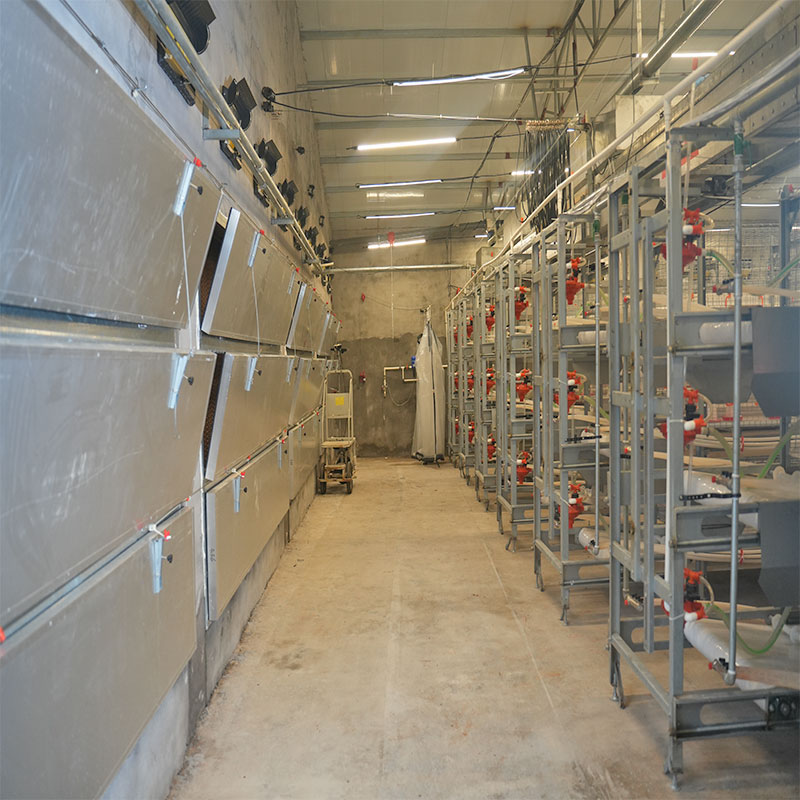
1. The cooling pads uses high-quality wet curtain paper and adopts space cross-linking technology, which has the advantages of high water absorption, high water resistance, anti-toxicity and long service life.
2. The cooling efficiency is over 80%, without surfactant, natural water absorption, fast diffusion speed and long-lasting effect.
3. The product does not contain phenol and other chemical substances that are easy to cause skin allergies. It is non-toxic and harmless to the human body and chicken when installed and used. It is green, safe, energy-saving, environmentally friendly, economical, and easy to install.
4. The frame aluminum alloy has high strength, good corrosion resistance, durability and beautiful appearance.
5. Use a special filter for the cooling pad at the upper water to ensure clean water quality and support efficient water circulation components.
6. Combined with a negative pressure fan, it can effectively lower the indoor temperature.
The window is made of special selected high-quality engineering plastic, with high strength and long service life, together with superior anti-aging and anti-UV performance.
Function: Ventilation of the chicken house, usually used in the winter.
This system can adjust the wind speed and direction, thus the cold air will not reach chicken directly , which can effectively prevent the phenomenon of cold stress in chicken.
Environmental control system equipment is suitable for large-scale and intensive farming. According to customer requirements, we can provide various types of smart poultry equipment.
1. Our poultry management system is a modular system that manages all aspects of the chicken house, such as climate, temperature, humidity, ammonia, feeding, feed weighing, lighting and ventilation systems, and can monitor the situation of the chicken house in real time through a computer and mobile phone.
2. The management computer is the heart of the poultry farm, allowing you to easily monitor the entire poultry farm.

 WeChat:+8617838608255