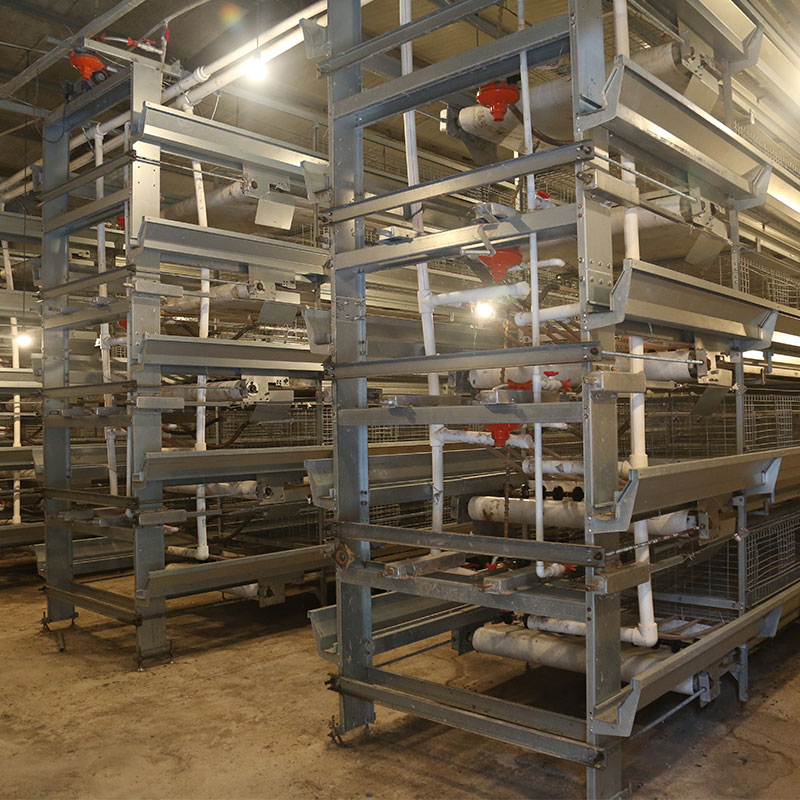
The Philippine poultry landscape is undergoing a significant transformation. For generations, many egg producers relied on traditional floor systems, where birds moved freely within a barn. While familiar, this method presents persistent challenges: labor-intensive daily chores, unpredictable feed conversion rates, and the constant threat of disease spreading through litter. The modern solution gaining rapid traction is the adoption of specialized layer chicken cage systems, particularly automated designs engineered for the unique conditions of the archipelago.
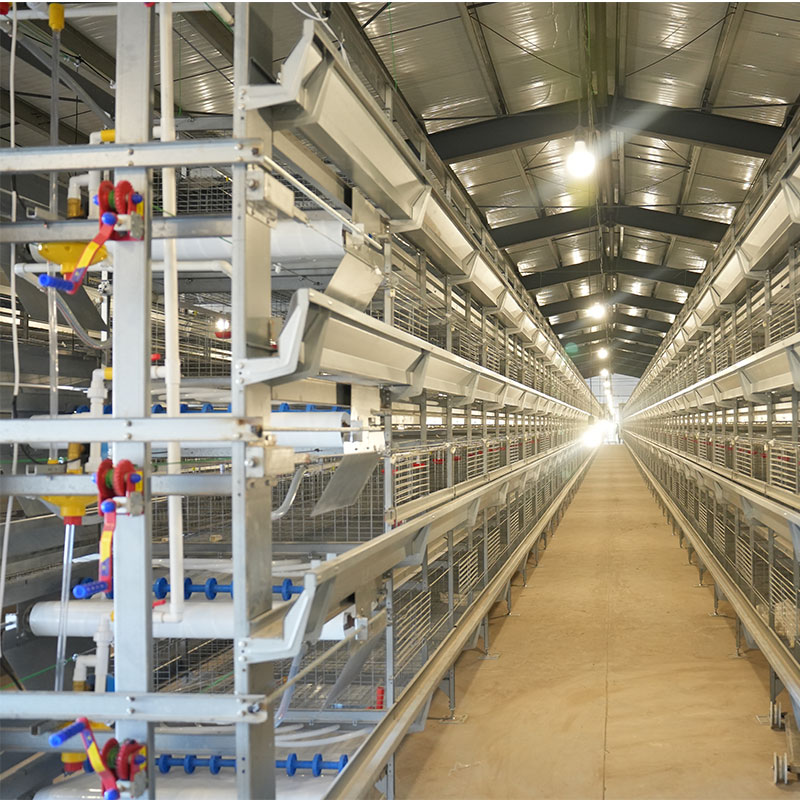
These are not just metal enclosures; they are integrated environments designed to optimize the health, productivity, and management of a laying flock. The shift is from managing birds individually to managing an entire production system.
Understanding the Core Components of a Layer Cage System

A modern layer cage setup is a symphony of interconnected parts, each playing a critical role.
The cage structure itself is typically configured in either A-type or H-type battery cages. An A-type system, with its sloped cages arranged in a triangular "A" frame, is a common sight. The key feature here is the manure drying belt. A slow-moving belt runs beneath each tier of cages, collecting droppings. In the Philippine climate, with its high humidity, this is crucial. Instead of manure accumulating in a pit and creating ammonia, the belt transports it to a central collection point, often where air movement helps dry it. This drastically reduces moisture and gas levels inside the house, leading to drier air and healthier respiratory systems for the chickens.
An H-type system, often used in larger, highly automated operations, features cages arranged in vertical stacks, resembling the letter "H". This design maximizes bird density per square meter of floor space. It frequently incorporates a central manure removal system, like a deep pit or a high-speed scraper, which is highly effective but requires a more substantial initial investment and building structure.
The "egg collection system" is where automation delivers one of its most immediate labor savings. In a basic cage, eggs roll forward onto a tray where they are gathered by hand. In an automated system, eggs roll gently onto a soft, plastic conveyor belt. This belt runs at scheduled intervals, transporting every single egg laid in the house directly to the central egg collection room. Imagine a 10,000-bird house. Instead of an employee walking the length of the house multiple times a day, bending and collecting eggs from hundreds of trays, the eggs come to a single, stationary worker. This not only reduces labor by up to 70% but also minimizes egg handling, which directly translates to fewer hairline cracks and dirty eggs, improving saleable yield.
The "feeding system" moves beyond the simple trough. An automated chain feeder or a spiral feeder ensures a consistent, fresh supply of feed is available at all times. A chain feeder is a loop of metal links that drags feed from a hopper throughout the entire length of the feed trough. A spiral feeder uses a rotating auger within a tube to distribute feed. The benefit is consistency. Every bird has access to the same feed at the same time, preventing dominant hens from monopolizing the food and ensuring the entire flock receives a balanced diet. This precise control is a primary driver behind improved Feed Conversion Ratios (FCR). When a bird doesn't have to fight for its meal and isn't stressed, it uses more of the feed's energy for egg production rather than for maintenance or agitation.
The "watering system" has evolved from open cups to closed nipple systems. Nipple drinkers are precisely what they sound like: small metal pins the birds peck at to release a drop of water. This is a closed system. Water is contained within a pipe until the moment the bird drinks. This keeps the water clean, free from litter, feed, and fecal contamination. In a country where bacterial challenges can be high, providing sanitized water is a frontline defense against disease. It also eliminates water spillage, a major contributor to wet litter and the humidity problems that follow.
Finally, the "manure handling system" is the unsung hero of environmental control. As mentioned, belt systems are prevalent. The manure, once collected and partially dried, can be handled as a valuable byproduct. It can be sold directly as fertilizer, composted further, or even processed into a more uniform product. This turns a waste product and a source of pathogens and flies into a revenue stream, while simultaneously creating a much healthier environment inside the poultry house.
The Tangible Benefits for the Philippine Poultry Farmer
The investment in an automated cage system pays dividends across every aspect of the operation.
The most immediate impact is on labor efficiency. A farmer in Pampanga managing a 20,000-bird house with a traditional system might require a team of six for daily feeding, watering, and egg collection. With a fully automated cage system, that same farm could be managed by two people. Their role shifts from manual labor to supervision—monitoring equipment, checking bird behavior, and ensuring systems are running smoothly. This not only cuts wage costs but also solves the growing challenge of finding reliable, skilled farm labor.
Bird health and mortality rates see dramatic improvement. By separating the birds from their manure, the primary vector for coccidiosis and worm infestations is removed. The need for in-feed coccidiostats is often greatly reduced or eliminated, lowering feed costs and addressing consumer demand for reduced antibiotic use. The controlled environment reduces stress from pecking and fighting, common in floor systems. A less stressed bird has a better immune system and directs more energy into laying eggs. It is not uncommon for farmers to report a drop in mortality from 8-10% in floor systems to below 5% in well-managed cage systems.
Feed efficiency, measured as Feed Conversion Ratio (FCR), becomes significantly more predictable and favorable. In a cage, there is no feed wastage from scratching or spilling. Every gram of purchased feed is directed into the trough. Combined with the reduced energy expenditure from a less competitive environment, the result is that it takes fewer kilograms of feed to produce a kilogram of eggs. If a floor system requires 2.2 kg of feed to produce a dozen eggs, a cage system might achieve the same with 1.9 kg. This saving, multiplied by thousands of birds over a full laying cycle, represents a massive portion of the system's return on investment.
Egg quality is uniformly higher. The automated collection system means eggs are gathered within hours of being laid, with minimal human contact. They roll onto clean belts, not into litter. The result is a higher percentage of Grade A eggs with strong, uncracked shells. The eggs are cleaner, which reduces the need for and cost of washing. In a market where visual quality directly influences price, this consistency is a powerful competitive advantage.
Space utilization is another critical factor, especially where land is at a premium. A cage system can house significantly more birds in the same building footprint than a floor system. This allows farmers to increase their production capacity without expanding their building, or to achieve the same production level with a smaller, more cost-effective structure.
Considerations for Implementation in the Philippine Context
Adopting this technology requires careful planning tailored to local realities.
The initial capital investment is substantial. A fully automated system for a commercial-scale farm represents a major financial commitment. However, the analysis must shift from pure cost to a detailed Return on Investment (ROI) calculation. The savings from reduced labor, lower feed consumption, higher egg yield, and lower mortality must be projected over the 5 to 7-year lifespan of the equipment. Many farmers find the payback period is shorter than initially anticipated, often between 2 to 4 years.
Choosing the right supplier is paramount. It is not enough to buy cages; a farmer is buying a long-term partnership. The supplier must have a proven track record in the Philippines and be capable of providing reliable after-sales service, technical support, and a ready supply of spare parts. A sophisticated system is useless if a broken drive gear for the egg belt takes six weeks to arrive from overseas. Local technical support is non-negotiable.
Power reliability is a key consideration. Automated systems depend on electricity to run feeders, water lines, egg belts, and ventilation. A reliable power backup system, typically a diesel generator with an automatic transfer switch, is an essential part of the investment. A power outage of just a few hours can stop egg collection and feeding, causing immediate stress to the flock and potential losses.
Technical capacity and training are often overlooked. The farm staff must be trained not just as livestock handlers, but as system operators. They need to understand how to perform basic troubleshooting on the conveyor belts, adjust tension on the feeding chain, and identify early warning signs of mechanical failure. This upskilling is vital for maximizing uptime and system longevity.
Building design must be integrated with the cage system. The poultry house must be designed to accommodate the specific dimensions and requirements of the chosen cages. This includes roof height for H-type systems, floor strength for manure pits, and the layout for the egg collection room. Ventilation is especially critical; while the cages improve the environment, a powerful, well-designed tunnel ventilation system is still required to manage temperature and humidity during the hot summer months.
The Future is Integrated
The evolution of the layer cage is moving towards full integration. The next step is the incorporation of smart farming technologies. Imagine sensors within the cage that monitor water consumption in real-time—a sudden drop can be the first indicator of a health problem or a blocked water line. Weight sensors on the feed lines can track daily feed intake per section, providing invaluable data on flock performance. Cameras with image recognition software can analyze bird behavior and activity levels, alerting the manager to potential issues long before they impact production.
For the Philippine poultry farmer, the decision to transition to an automated layer cage system is a strategic one. It is a move away from a model vulnerable to labor shortages, disease pressure, and inefficient resource use. It is an investment in a system that offers control, predictability, and scalability. By creating a stable, hygienic, and low-stress environment for the birds, these systems unlock genetic potential that is often suppressed in less controlled settings. The result is a more resilient, profitable, and sustainable business, capable of meeting the growing demand for eggs in the Philippines for years to come.
1. Drinking system include the water pipes, water pressure adjuster, drinking nipples, Waterline front-end device, dosing system etc, choose them according to customer's needs.
2. High-quality water drinking pipes, pressure regulating valves and water drinking nipples can effectively prevent the water leakage. Drinking system adopt the closed piping system, which can minimize the water pollution.
3. 360-degree drinking nipples provide adequate drinking water for poultry at all stages.
4. The automatic drinking water system mainly adopts the steel ball drinking nipple. lt uses imported high-grad stainless steel, POM resin, and APS engineering material, which is wearing resistant, and the durability can be used for long time.



1. Automatic feeding machine can be chosen between gantry and ladder feeding machine. Gantry type feeding machine is a relatively economical and practical machine with simple operation, remote control walking character, easy to manage.
2. Mechanical transmission device running smoothly, low noise, long service life.
3. With the use of automatic control, the feeding system can adjust the amount of material.
4. Feeding with arched structure, high carrying capacity, not easily deformed.
5. Saving man power, saving feed, greatly improving the efficiency of Large-scale farming.
6. The walking speed of gantry feeding machine is 9--12 m/min.




1. Manure removing system included scraper type and conveyor belt type, Which can reduce the labor intensity and labor cost, keep the chicken shed dry and clean.
2. A type chicken cage can use scraper type or conveyor belt type.


3. The scraper type is suitable for A type cages, which can clean two or three rows. For the starters, this type is a good choice. lt can not only save some labor cost, but also save some investment in the whole project. The cleaning speed is 6-10 meters per minute.
4. Conveyor belt type is more suitable for large scale farming. The manure removing belt we use is high quality PP material (polypropylene). The walking speed is 2-4 meters per minute.



High Quality Pellets Made by Mobile Pellet Machine
1. It has professional designed angle of the blade. After the dynamic balance test one by one, the blade can operate smoothly.
2. The air volume is consistent in the whole life of the fan. Bearings has advantage of high strength, low noise, durable and so on.
1. The cooling pads uses high-quality wet curtain paper and adopts space cross-linking technology, which has the advantages of high water absorption, high water resistance, anti-toxicity and long service life.
2. The cooling efficiency is over 80%, without surfactant, natural water absorption, fast diffusion speed and long-lasting effect.
3. The product does not contain phenol and other chemical substances that are easy to cause skin allergies. It is non-toxic and harmless to the human body and chicken when installed and used. It is green, safe, energy-saving, environmentally friendly, economical, and easy to install.
4. The frame aluminum alloy has high strength, good corrosion resistance, durability and beautiful appearance.
5. Use a special filter for the cooling pad at the upper water to ensure clean water quality and support efficient water circulation components.
6. Combined with a negative pressure fan, it can effectively lower the indoor temperature.
The window is made of special selected high-quality engineering plastic, with high strength and long service life, together with superior anti-aging and anti-UV performance.
Function: Ventilation of the chicken house, usually used in the winter.
This system can adjust the wind speed and direction, thus the cold air will not reach chicken directly , which can effectively prevent the phenomenon of cold stress in chicken.
Environmental control system equipment is suitable for large-scale and intensive farming. According to customer requirements, we can provide various types of smart poultry equipment.
1. Our poultry management system is a modular system that manages all aspects of the chicken house, such as climate, temperature, humidity, ammonia, feeding, feed weighing, lighting and ventilation systems, and can monitor the situation of the chicken house in real time through a computer and mobile phone.
2. The management computer is the heart of the poultry farm, allowing you to easily monitor the entire poultry farm.

 WeChat:+8617838608255