
Layer Hen Cages: A Comprehensive Guide to Systems, Welfare, and Industry Practices
The term "layer hen cage" sits at the heart of modern egg production, yet it sparks complex conversations about efficiency, animal welfare, and consumer choice. For decades, caged systems have been the backbone of the industry, designed to maximize egg output and control costs. However, evolving scientific understanding and shifting public expectations have led to significant changes in how laying hens are housed. This comprehensive guide delves into the realities of layer hen cages—exploring their history, types, welfare implications, regulatory landscape, and the viable alternatives shaping the future of egg farming. Whether you're a farmer, a student, a policymaker, or a conscientious consumer, understanding this critical aspect of agriculture is essential.
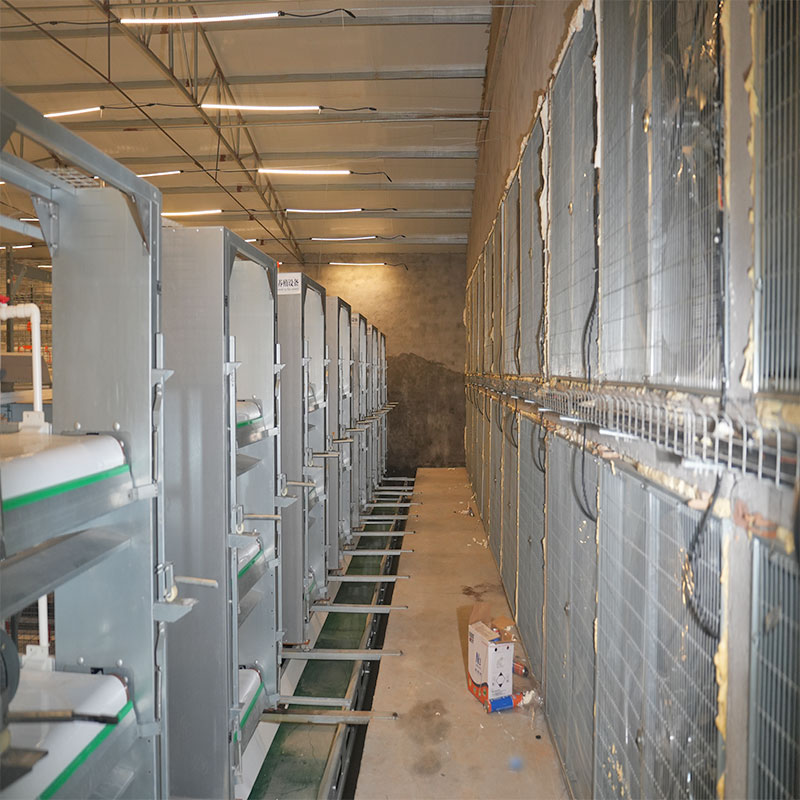
Layer hen housing refers to the environment in which commercial egglaying chickens (layers) are kept for their productive lifespan. The primary goal is to provide conditions that support hen health, safety from predators and disease, and efficient egg collection. Systems range from highly controlled indoor environments to outdoor access setups.
The conventional battery cage became the industry standard in the mid20th century. Its design prioritized space efficiency and automation:
Structure: Small, wiremesh enclosures arranged in long rows (batteries) and stacked in tiers.
Space Allowance: Historically provided as little as 67 square inches per hen—smaller than a standard sheet of paper.
Features: Typically included a sloped wire floor for egg rolling to a collection belt, automated feeding and watering lines.
Rationale: Proponents highlighted reduced exposure to pathogens and parasites (like soilborne diseases), lower feed waste, simplified manure management, decreased feather pecking and cannibalism, and lower labor costs per egg.
Today's caged systems are more diverse due to welfare reforms.
Developed as a direct response to welfare concerns over conventional cages. These systems provide more space per hen (minimums set by law in many regions) and include key furnishings:
Perches: Allow for roosting behavior.
Nesting Area: A secluded space for laying eggs.
Scratching Area/Substrate: Often an astroturf pad or similar for foraging/dustbathing behaviors.
Claw Shorteners: On feed/water lines.
While not cages in the traditional sense, aviaries are a major indoor alternative. They feature multiple tiers with open wire floors:
Hens can move vertically and horizontally between levels.
Includes perches, nest boxes on upper tiers.
Litter area is often provided on the floor for scratching/dustbathing.
An umbrella term that includes:
Barn/Roofed Systems: Hens roam freely on an indoor floor with litter material.
FreeRange: Barn system with regulated access to outdoor pastures.
Organic: Often freerange with additional requirements on feed (organic) and medication use.
Comparison Table: Primary Housing Systems for Layer Hens
| System | Space per Hen (Typical EU Min.) | Key Features | Welfare Behavior Allowance | Primary Welfare Concerns |
| : | : | : | : | : |
| Conventional Cage | Outlawed in EU/UK; varies elsewhere | Bare wire mesh; automated systems | Severely restricted cannot perch or nest | Extreme behavioral restriction; bone weakness |
| Enriched Colony Cage| ~750 cm² (~116 sq in) + furnishings | Perch; nest box; scratching area | Allows basic perching/nesting/scratching | Limited space for full behavioral repertoire |
| Aviary | Multitier w/ litter floor access ~9 hens/m² floor space | Multiple levels; nests; perches; litter zone | Full range: flying/jumping/foraging/dustbathing | Risk of keel bone fractures; feather pecking if not managed |
| Barn (CageFree)| ~9 hens/m² (~1 sq ft) floor space + nests/perches | Singlelevel deep litter; nests/perches above floor range: foraging/dustbathing/socializing same as aviaries + ground activity same as aviaries + higher risk of parasites/predators |
The debate around layer hen cages is fundamentally about balancing different aspects of animal welfare.
Welfare is often assessed against this benchmark:
1. Freedom from hunger/thirst.
2. Freedom from discomfort.
3. Freedom from pain/injury/disease.
4. Freedom to express normal behavior.
5. Freedom from fear/distress.
Arguments Supporting Modern Caged Systems (e.g., Enriched Colonies):
Health & Biosecurity: Lower mortality rates from cannibalism or smothering; reduced exposure to internal parasites (worms) and bacterial diseases like E.coli from litter; easier individual bird monitoring.
Food Safety & Quality: Eggs are cleaner upon lay (less contact with manure); potentially lower risk of Salmonella Enteritidis contamination due to controlled environment.
Resource Efficiency: Lower feed consumption per dozen eggs due to restricted movement; smaller land/carbon footprint per unit produced.
Arguments Against Caged Systems:
Behavioral Deprivation: Even enriched cages severely limit running flying dustbathing full foraging—core behaviors for a chicken's mental wellbeing leading to frustration
Bone Health: Lack weightbearing exercise leads osteoporosis higher prevalence broken bones during depopulation compared cagefree hens
Ethical Consideration: Many argue confinement inherently denies chicken "life worth living" regardless health metrics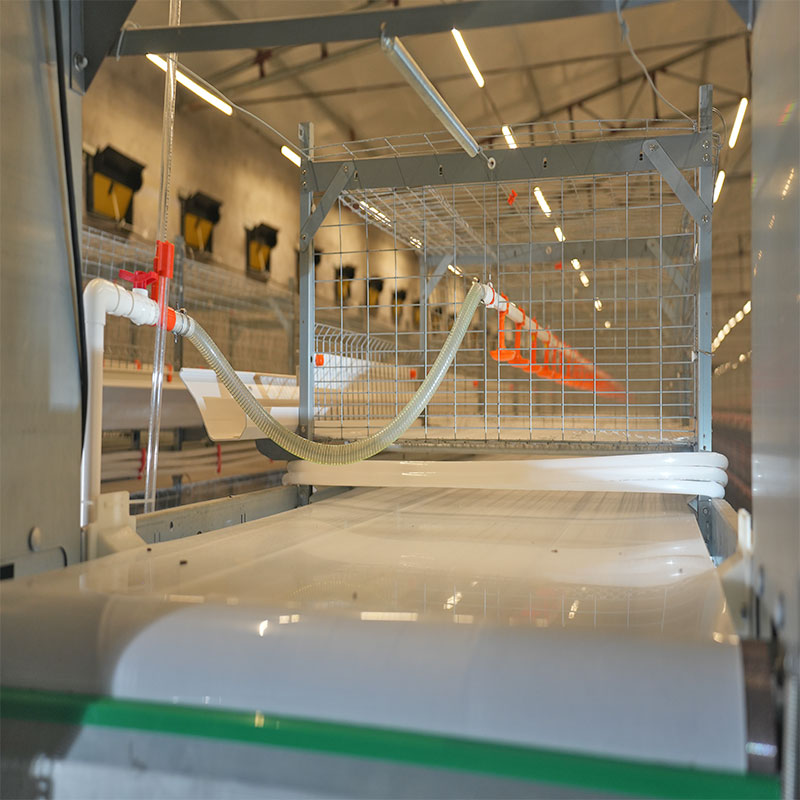
The regulatory landscape is driving rapid change away from conventional cages:
This legislation reflects powerful consumer demand transparency higher welfare standards driving entire supply chain transformation
Understanding labels empowers purchasing decisions aligned values:
1 Capital Investment New housing equipment ventilation lighting can cost millions large operations
2 Flock Management Requires different skills managing larger dynamic flocks preventing feather pecking ensuring all birds find food water nests
3 Financial Planning Often involves premium price point cover increased costs feed labor mortality but market must exist
4 Gradual Approach Many producers adopt multitier aviary system retains some vertical density while allowing natural behaviors
Layer hen cage story one technological adaptation ethical evolution While conventional battery cage largely relic past its modern successor enriched colony remains prevalent balance productivity certain health benefits However undeniable momentum global industry moving towards cagefree systems driven legislation corporate policy consumer preference
Future likely see diversification housing types tailored different markets climates alongside continued innovation automation within noncaged systems improve welfare outcomes economic viability Ultimately optimal system may not onesizefitsall but one that successfully integrates respect hen's behavioral needs robust health management environmental sustainability economic reality farm
Here we answer some most common questions people ask about this topic based real search queries
Q What exactly battery cage?
A Battery cage traditional style layer hen housing consisting small barren wire enclosures arranged connected rows stacks They designed maximize number hens housed building while minimizing cost labor They now banned many countries due severe restrictions natural behaviors
Q Are layer hen cages illegal?
A Conventional battery cages illegal European Union United Kingdom Canada several U.S states among others However enriched furnished colony cages which provide more space amenities like perches nesting areas still legal widely used many regions including parts United States
Q Why did farmers use cages hens first place?
A Farmers adopted cages primarily reasons biosecurity disease control cleaner egg collection lower feed waste reduced injury from withinflock aggression cannibalism lower production costs helped make eggs affordable protein source masses
Q Do chickens suffer cages?
A Animal welfare scientists agree that even enriched cages restrict chickens ability perform important natural behaviors like fully stretching wings running dustbathing properly foraging This behavioral restriction can lead frustration poor bone health Many consider this form suffering despite animals being protected predators disease
Q What difference between cagefree freerange?
A CageFree means hens uncaged live inside barn poultry house They have freedom move around perch nest but necessarily access outdoors FreeRange means hens also uncaged must have some degree continuous daytime access outdoors though size quality outdoor area can vary greatly standards
Q Are cagefree eggs healthier safer eat?
A Nutritionally protein fat vitamin content virtually identical between caged cagefree eggs Some studies show freerange eggs may contain slightly higher levels Omega3 fatty acids Vitamin D depending hen's diet Regarding safety risk Salmonella exists both systems Different challenges caged systems manure contact minimized while cagefree systems require excellent litter management prevent pathogen buildup
Q How much space does hen get enriched colony cage versus cagefree barn?
A Space allowances vary regulation typical enriched colony provides about square inches hen usable area plus furnishings A typical cagefree barn system provides about square foot floor space per hen plus vertical space multiple tiered systems allowing more movement flight short distances
Q Why are eggs caged hens sometimes cheaper?
A Caged especially conventional systems historically lower production costs due higher stocking densities less feed required less energy expended hens automated efficient egg collection manure handling This lower cost production often translates lower retail price point supermarket
1. Drinking system include the water pipes, water pressure adjuster, drinking nipples, Waterline front-end device, dosing system etc, choose them according to customer's needs.
2. High-quality water drinking pipes, pressure regulating valves and water drinking nipples can effectively prevent the water leakage. Drinking system adopt the closed piping system, which can minimize the water pollution.
3. 360-degree drinking nipples provide adequate drinking water for poultry at all stages.
4. The automatic drinking water system mainly adopts the steel ball drinking nipple. lt uses imported high-grad stainless steel, POM resin, and APS engineering material, which is wearing resistant, and the durability can be used for long time.



1. Automatic feeding machine can be chosen between gantry and ladder feeding machine. Gantry type feeding machine is a relatively economical and practical machine with simple operation, remote control walking character, easy to manage.
2. Mechanical transmission device running smoothly, low noise, long service life.
3. With the use of automatic control, the feeding system can adjust the amount of material.
4. Feeding with arched structure, high carrying capacity, not easily deformed.
5. Saving man power, saving feed, greatly improving the efficiency of Large-scale farming.
6. The walking speed of gantry feeding machine is 9--12 m/min.




1. Manure removing system included scraper type and conveyor belt type, Which can reduce the labor intensity and labor cost, keep the chicken shed dry and clean.
2. A type chicken cage can use scraper type or conveyor belt type.


3. The scraper type is suitable for A type cages, which can clean two or three rows. For the starters, this type is a good choice. lt can not only save some labor cost, but also save some investment in the whole project. The cleaning speed is 6-10 meters per minute.
4. Conveyor belt type is more suitable for large scale farming. The manure removing belt we use is high quality PP material (polypropylene). The walking speed is 2-4 meters per minute.



High Quality Pellets Made by Mobile Pellet Machine
1. It has professional designed angle of the blade. After the dynamic balance test one by one, the blade can operate smoothly.
2. The air volume is consistent in the whole life of the fan. Bearings has advantage of high strength, low noise, durable and so on.
1. The cooling pads uses high-quality wet curtain paper and adopts space cross-linking technology, which has the advantages of high water absorption, high water resistance, anti-toxicity and long service life.
2. The cooling efficiency is over 80%, without surfactant, natural water absorption, fast diffusion speed and long-lasting effect.
3. The product does not contain phenol and other chemical substances that are easy to cause skin allergies. It is non-toxic and harmless to the human body and chicken when installed and used. It is green, safe, energy-saving, environmentally friendly, economical, and easy to install.
4. The frame aluminum alloy has high strength, good corrosion resistance, durability and beautiful appearance.
5. Use a special filter for the cooling pad at the upper water to ensure clean water quality and support efficient water circulation components.
6. Combined with a negative pressure fan, it can effectively lower the indoor temperature.
The window is made of special selected high-quality engineering plastic, with high strength and long service life, together with superior anti-aging and anti-UV performance.
Function: Ventilation of the chicken house, usually used in the winter.
This system can adjust the wind speed and direction, thus the cold air will not reach chicken directly , which can effectively prevent the phenomenon of cold stress in chicken.
Environmental control system equipment is suitable for large-scale and intensive farming. According to customer requirements, we can provide various types of smart poultry equipment.
1. Our poultry management system is a modular system that manages all aspects of the chicken house, such as climate, temperature, humidity, ammonia, feeding, feed weighing, lighting and ventilation systems, and can monitor the situation of the chicken house in real time through a computer and mobile phone.
2. The management computer is the heart of the poultry farm, allowing you to easily monitor the entire poultry farm.

 WeChat:+8617838608255