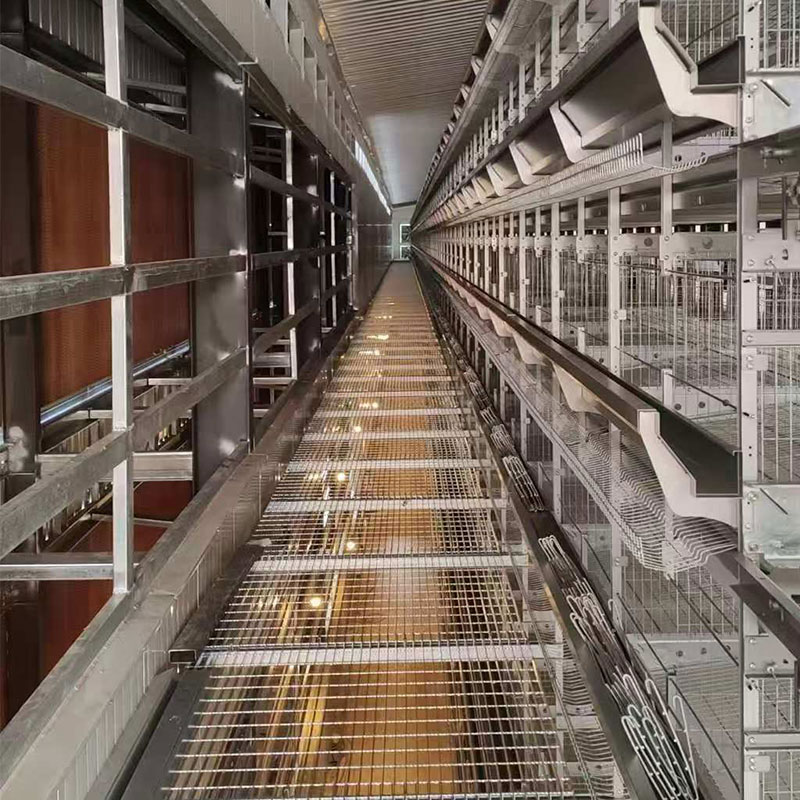
The Ultimate Guide to Low Cost Layer Cages: Maximizing Poultry Profits
For poultry farmers, the housing system is the backbone of a successful operation. It directly impacts bird welfare, egg production efficiency, and ultimately, your bottom line. Among the various options available, low cost layer cages have emerged as a critical solution for farmers seeking to balance initial investment with longterm productivity and animal management. This comprehensive guide delves deep into the world of affordable layer cages, exploring their design, benefits, key considerations for selection, and best practices for implementation. Whether you're a smallscale farmer starting out or a commercial operator looking to optimize costs, understanding how to effectively choose and use lowcost cage systems is essential for sustainable and profitable egg production.
Poultry layer cages are specialized housing structures designed to house egglaying hens in an organized, spaceefficient manner. The primary goal is to create a controlled environment that promotes high egg yield, simplifies management tasks like feeding and egg collection, and maintains bird health.
The shift towards costeffective poultry equipment is not merely about finding the cheapest option. It's about identifying systems that offer durability, ease of use, and a design that supports bird welfare and labor efficiency—all at a price point that ensures a strong return on investment (ROI). A truly lowcost cage system reduces financial barriers to entry or expansion while maintaining standards that keep your flock productive.
1. Increased Stocking Density: Cages allow for higher bird numbers within a given floor space compared to deep litter or freerange systems.
2. Improved Egg Quality & Hygiene: Eggs roll away from the hen onto a collection tray or belt, reducing breakage and contamination from litter or manure.
3. Enhanced Feed Efficiency: Controlled feeding minimizes waste as feed is delivered directly to troughs accessible only to the birds.
4. Simplified Health Management: Isolating birds from their manure reduces parasite load and the spread of certain diseases. It also makes monitoring individual or group health easier.
5. Labor Optimization: Automated or semiautomated systems for feeding, watering, and egg collection drastically reduce daily labor requirements.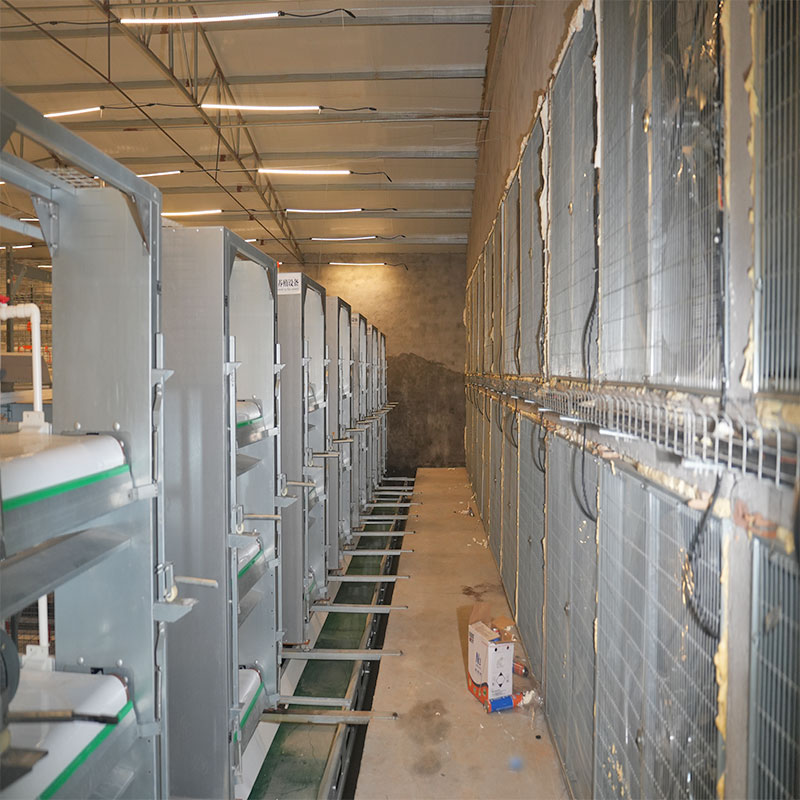
When evaluating affordable options, certain nonnegotiable features determine whether a "low cost" cage becomes a "high value" asset or a costly mistake.
Material & Galvanization: Look for cages made from heavygauge, galvanized steel wire. Hotdip galvanization is superior for rust resistance compared to electroplating. The structural frame should be robust enough to withstand years of use without sagging.
Floor Slope & Design: The cage floor must have an appropriate slope (typically 710 degrees) to allow eggs to roll out gently without cracking. The wire mesh should be smooth to prevent foot injuries (bumblefoot).
Division & Bird Space Allocation: Even lowcost models must adhere to humane space allowances per bird. Overcrowding negates any cost saving through stressinduced drops in production and increased mortality.
Feeding Trough: Should run the length of the cage row for uniform access. A lip prevents feed spillage.
Watering System: Nipple drinkers are the standard for hygiene and water conservation. Ensure the system is leakproof and easily adjustable.
Manure Management: Consider cages designed with manure belts (for daily removal) or manure pits (for periodic cleaning). Proper manure handling is crucial for air quality and disease control.
Egg Collection System: Options range from manual collection from a tray to integrated belts that transport eggs directly to a packing station.
The configuration impacts space utilization and management style.
Battery Cages (Stacked): Multiple tiers stacked vertically. This is the most spaceefficient and common design for lowcost setups but requires good ventilation management.
AType Cages: Rows arranged in an "A" frame shape over a manure pit. Allows better manure drying but uses more building space.
LType Cages: A hybrid where upper tiers are set back, creating a manure belt system on each level.
Navigating the market requires a strategic approach focused on total cost of ownership rather than just purchase price.
| Consideration | Key Questions to Ask | Why It Matters |
| : | : | : |
| Flock Size & Goals | What is my current flock size? What are my expansion plans for 5 years? | Determines system scale and need for modularity/future expansion capability. |
| Automation Level | Can I justify investment in automatic egg collection/manure belts? What are my labor costs/availability? | Higher upfront automation lowers longterm operational costs but increases initial investment. |
| Local Climate | What are typical temperature/humidity ranges in my region? | Influences required ventilation (open vs closed house), cooling systems (fans/misters), and manure drying needs. |
| Supplier Reputation | Does the supplier/manufacturer provide technical drawings, installation support, and warranties? Can I visit an existing farm using their equipment? | Quality of aftersales service is critical for troubleshooting; reputable suppliers offer durable products with reliable specs. |
| Regulatory Compliance | Do local animal welfare regulations specify minimum space per hen or ban certain cage designs? Are there building codes affecting house design? | Prevents costly retrofits or legal issues; futureproofs your investment against evolving legislation |
A low purchase price means little if operational costs are high or production lags.
1. Prioritize Ventilation: Proper airflow is paramount in multitier cage systems to remove moisture, ammonia, and heat trapped at upper levels.Invest in quality fans, air inlets/outlets as part of your housing plan—not as an afterthought.
2.Implement Strict Biosecurity: The higher stocking density makes disease spread potentially faster.Designate clear clean/dirty zones,facilitate effective rodent control,and maintain strict visitor protocols
3.Focus on Ergonomics: Design walkways,gutter placement,and equipment height with worker comfort in mind.Reduced strain improves efficiency during daily monitoring,vaccination,and maintenance tasks
4.Establish Proactive Maintenance Schedule: Regularly inspect welds,nips drinkers,tension on belts,and structural integrity.Preventative maintenance avoids catastrophic failures during peak production periods
5.Record Keeping: Track key metrics like feed consumption per dozen eggs,mortality rate,and peak lay percentage.This data helps pinpoint inefficiencies specific to your system,enabling targeted improvements
Choosing low cost layer cages successfully hinges on viewing them as a longterm capital investment rather than simple commodity purchase.The most profitable farms achieve balance between initial expenditure,system durability,bird welfare outcomes,and operational smoothness.Conduct thorough research,speak with other farmers using target systems,and always calculate total lifetime costs before committing.Remember,the ultimate goal isn't just saving money on equipment—it's building resilient infrastructure that supports consistent highquality egg production,yielding stable profits season after season.With careful planning informed by expertise,a wellchosen affordable layer cage system can become cornerstone thriving poultry enterprise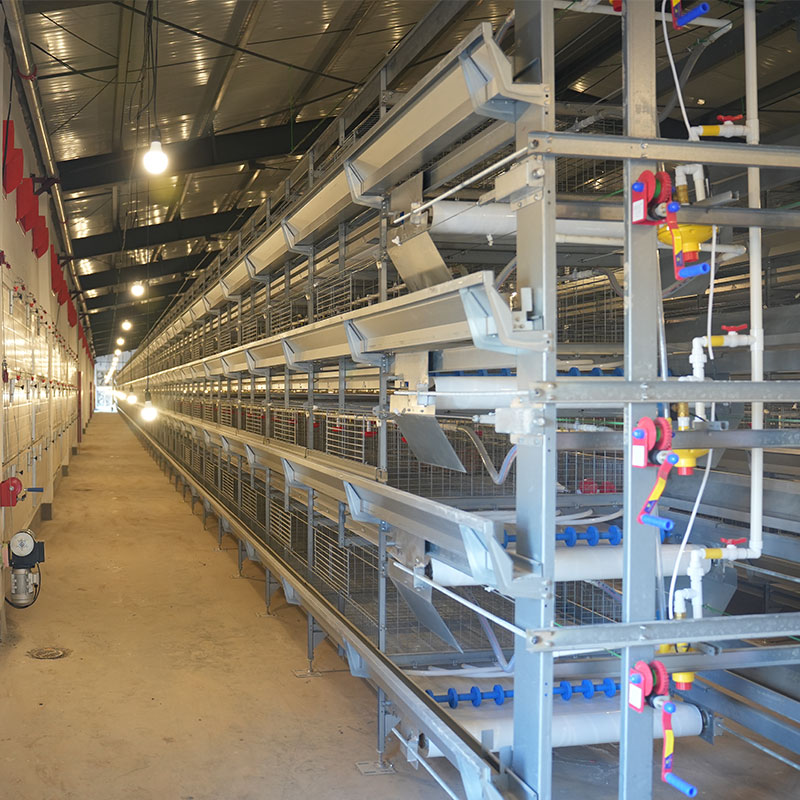
Q1: What exactly defines a "low cost" layer cage compared to standard ones?
A: "Low cost" typically refers to cages that optimize material use and manufacturing processes without compromising core functionality like strength,drainage,and bird safety.They may feature simpler manual systems over automated ones,but should still meet basic quality standards for galvanization wire gauge ensuring decent lifespan under proper management conditions
Q2: Are lowcost layer cages suitable for organic or freerange egg production?
A: No.Layer cages by definition confine hens within an enclosure.If you're producing under certified organic freerange labels regulations generally require hens have access outdoors making conventional cage systems incompatible.Check your specific certification body rules before purchasing any caged housing intended such markets
Q3: How many hens can I house per square foot in these cage systems?
A: Space allowance depends more on animal welfare laws than cage cost itself.In many regions commercial operations must provide at least 67 square inches hen EU standards) up ~144 square inches enriched colony designs US industry shifts).Always prioritize meeting exceeding legal humane space requirements regardless system price point; overcrowding destroys profitability through stressrelated issues
Q4: Can I automate feeding watering later if start with basic manual lowcost cages now ?
A: Yes,many modular designs allow incremental upgrades.Select initial system whose manufacturer offers compatible automation accessories nipple drinker lines chain feeders etc.This scalability lets spread capital investments over time aligning cash flow farm growth stages ensuring future compatibility crucial planning consideration when buying entrylevel equipment today aiming expand tomorrow .
Q5:What main maintenance challenges should expect with budgetfriendly cages ?
A:The most common issues involve corrosion poorly galvanized wires leading breakage premature replacement ; wear points moving parts like door latches ; ensuring consistent water pressure nipple drinkers across all levels .Implementing monthly inspection routines focusing these areas significantly extends equipment life preventing sudden failures .
Q6 : How long should quality lowcost layer cage last before needing replacement ?
A : With proper care environment ,wellconstructed hotdip galvanized steel cages last between 15 years .Lifespan heavily influenced by local humidity exposure corrosive gases ammonia from manure regular cleaning protocols protect metalwork .Investing slightly more upfront superior corrosion resistance often yields lower annual depreciation cost versus replacing cheaper units twice same period .
Q7 : Is DIY construction homemade layer cages viable way save money ?
A : While technically possible ,DIY approaches generally not recommended .Engineering factors correct floor slope structural load bearing capacity ventilation alignment complex get right without expertise .Mistakes lead poor performance injury birds workers potential violation codes .Sourcing proven designs reputable supplier provides reliability safety worth modest premium over homemade attempts .
Q8 : Do different chicken breeds require specific types layer cages ?
A : Yes ,breed size temperament influences ideal design .Smaller breeds Leghorns thrive standard compartment sizes larger breeds Brown HyLine may need modified dimensions prevent feather damage ensure comfortable movement especially when multiple birds share same enclosure .Consult your chick supplier breedspecific recommendations selecting housing .
Q9 : What essential accessories needed alongside basic cage unit itself ?
A : Beyond structure ,essential accessories include : reliable water supply line pressure regulator ; feed storage hopper delivery mechanism ; egg collection trays belts ; lighting system programmed dawn dusk cycles stimulate laying ; backup power source critical climate control ventilation fans .
Q10 : How calculate total number cages needed based planned flock size ?
A = [(Total Number Hens planned ) /(Hens per Cage )] x( + Buffer % spare capacity illness isolation ) example planning flock hens using bird compartments would need ~167 compartments plus buffer spares Always round up nearest whole bank cages account row configurations practical installation layouts avoid partial unusable rows .
This structured approach provides comprehensive information while naturally incorporating semantic keywords related poultry farming infrastructure helping establish topical authority search engines align EEAT guidelines demonstrating practical expertise subject matter
1. Drinking system include the water pipes, water pressure adjuster, drinking nipples, Waterline front-end device, dosing system etc, choose them according to customer's needs.
2. High-quality water drinking pipes, pressure regulating valves and water drinking nipples can effectively prevent the water leakage. Drinking system adopt the closed piping system, which can minimize the water pollution.
3. 360-degree drinking nipples provide adequate drinking water for poultry at all stages.
4. The automatic drinking water system mainly adopts the steel ball drinking nipple. lt uses imported high-grad stainless steel, POM resin, and APS engineering material, which is wearing resistant, and the durability can be used for long time.



1. Automatic feeding machine can be chosen between gantry and ladder feeding machine. Gantry type feeding machine is a relatively economical and practical machine with simple operation, remote control walking character, easy to manage.
2. Mechanical transmission device running smoothly, low noise, long service life.
3. With the use of automatic control, the feeding system can adjust the amount of material.
4. Feeding with arched structure, high carrying capacity, not easily deformed.
5. Saving man power, saving feed, greatly improving the efficiency of Large-scale farming.
6. The walking speed of gantry feeding machine is 9--12 m/min.




1. Manure removing system included scraper type and conveyor belt type, Which can reduce the labor intensity and labor cost, keep the chicken shed dry and clean.
2. A type chicken cage can use scraper type or conveyor belt type.


3. The scraper type is suitable for A type cages, which can clean two or three rows. For the starters, this type is a good choice. lt can not only save some labor cost, but also save some investment in the whole project. The cleaning speed is 6-10 meters per minute.
4. Conveyor belt type is more suitable for large scale farming. The manure removing belt we use is high quality PP material (polypropylene). The walking speed is 2-4 meters per minute.



High Quality Pellets Made by Mobile Pellet Machine
1. It has professional designed angle of the blade. After the dynamic balance test one by one, the blade can operate smoothly.
2. The air volume is consistent in the whole life of the fan. Bearings has advantage of high strength, low noise, durable and so on.
1. The cooling pads uses high-quality wet curtain paper and adopts space cross-linking technology, which has the advantages of high water absorption, high water resistance, anti-toxicity and long service life.
2. The cooling efficiency is over 80%, without surfactant, natural water absorption, fast diffusion speed and long-lasting effect.
3. The product does not contain phenol and other chemical substances that are easy to cause skin allergies. It is non-toxic and harmless to the human body and chicken when installed and used. It is green, safe, energy-saving, environmentally friendly, economical, and easy to install.
4. The frame aluminum alloy has high strength, good corrosion resistance, durability and beautiful appearance.
5. Use a special filter for the cooling pad at the upper water to ensure clean water quality and support efficient water circulation components.
6. Combined with a negative pressure fan, it can effectively lower the indoor temperature.
The window is made of special selected high-quality engineering plastic, with high strength and long service life, together with superior anti-aging and anti-UV performance.
Function: Ventilation of the chicken house, usually used in the winter.
This system can adjust the wind speed and direction, thus the cold air will not reach chicken directly , which can effectively prevent the phenomenon of cold stress in chicken.
Environmental control system equipment is suitable for large-scale and intensive farming. According to customer requirements, we can provide various types of smart poultry equipment.
1. Our poultry management system is a modular system that manages all aspects of the chicken house, such as climate, temperature, humidity, ammonia, feeding, feed weighing, lighting and ventilation systems, and can monitor the situation of the chicken house in real time through a computer and mobile phone.
2. The management computer is the heart of the poultry farm, allowing you to easily monitor the entire poultry farm.

 WeChat:+8617838608255