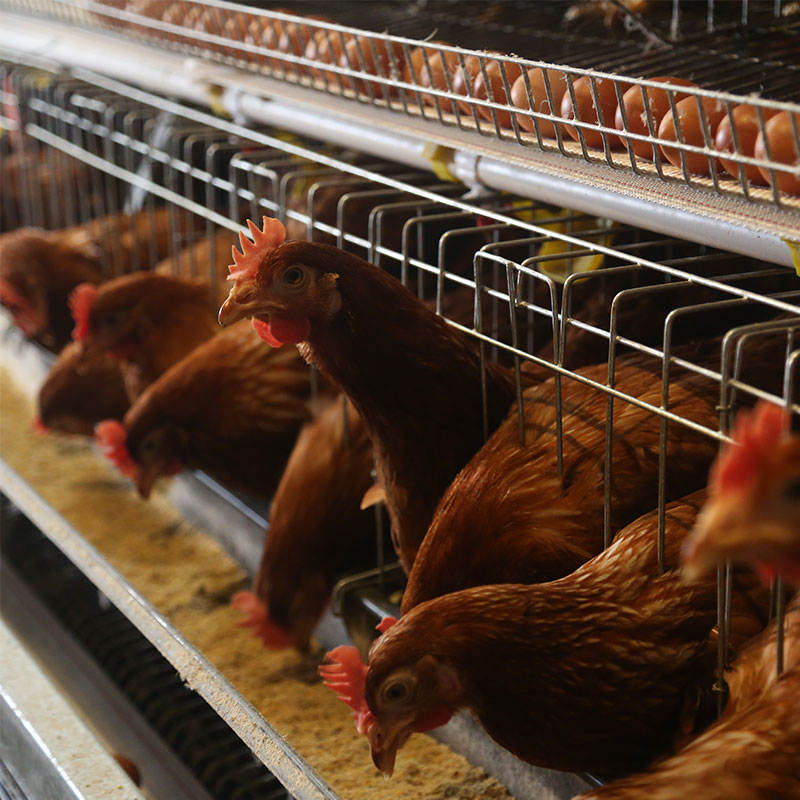
Low-Cost Layer Cages: A Practical Solution for Poultry Farmers
Poultry farmers constantly seek ways to maximize egg production while minimizing expenses. Traditional free-range or deep-litter systems often lead to higher labor costs, increased feed waste, and greater disease risks. Low-cost layer cages offer a viable alternative, balancing affordability with efficiency. This article explores how these cage systems work, their benefits, and key considerations for implementation.
Why Low-Cost Layer Cages Make Sense
Small and mid-scale farmers often hesitate to invest in cage systems, assuming high upfront costs. However, modern low-cost designs use durable yet affordable materials like galvanized wire mesh and angle iron, reducing initial expenses without sacrificing longevity.
Consider a farmer with 500 layers. In a deep-litter system, birds scatter feed, increasing waste by 10–15%. Layer cages confine feeding to troughs, cutting waste to just 5%. Over a year, this saves hundreds of dollars in feed costs alone.
Features of Effective Low-Cost Cages
Not all cages are equal. Poorly designed systems lead to higher maintenance, lower productivity, and even bird injuries. The best low-cost cages incorporate:
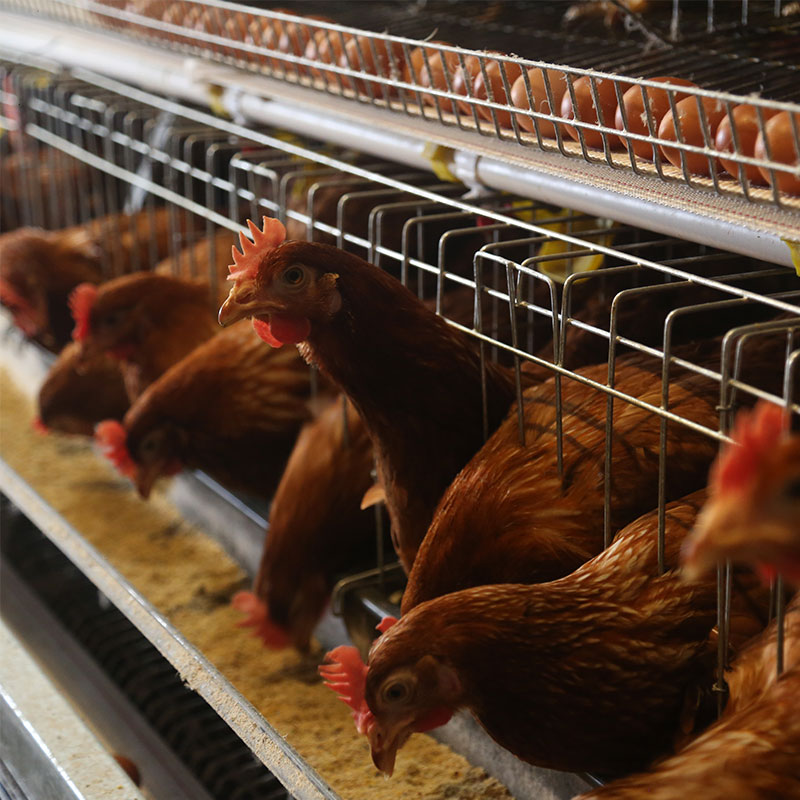
1. Optimized Space Utilization
Each bird needs at least 450–500 cm² of floor space. Overcrowding stresses hens, reducing egg output. A well-designed cage holds 3–6 birds, allowing easy movement without wasted space.
2. Slope-Design Egg Roll-Out Trays
Eggs laid in cages should roll gently to a collection tray, preventing breakage and contamination. Cheap systems with flat flooring force workers to collect eggs manually, increasing labor time. A slight slope (7–10 degrees) ensures eggs roll out smoothly.
3. Durable, Rust-Resistant Materials
Galvanized steel resists corrosion from manure and humidity. Farmers in humid climates report cages lasting 8–10 years with minimal upkeep, while untreated wire rusts within 2–3 years.
4. Easy Manure Management
Manure buildup breeds disease. Low-cost cages feature removable trays or conveyor belts beneath tiers, allowing daily cleaning without disturbing birds. A farmer in Nigeria reduced ammonia levels by 40% after switching from deep litter to cages with drop-through manure collection.
Cost Comparison: Cages vs. Traditional Systems
A 1,000-bird setup illustrates the savings:
| Expense | Deep Litter | Low-Cost Cages |
|-|-|--|
| Initial Setup | $2,000 | $3,500 |
| Annual Feed Cost | $6,000 | $5,400 (10% saved) |
| Labor (per year) | $3,000 | $1,500 |
| Disease Treatment | $800 | $300 |
| 5-Year Total | $34,000 | $28,200 |
Though cages require a higher initial investment, they pay for themselves within 2–3 years through feed and labor savings.
Common Mistakes to Avoid
1. Skipping Ventilation Planning
Cages stacked too tightly restrict airflow, increasing heat stress. A Kenyan farmer lost 5% of his flock to heat exhaustion before spacing cages 1 meter apart and adding fans.
2. Ignoring Floor Slope
Flat cages cause eggs to pile up, leading to cracks. A slight slope ensures eggs roll out intact.
3. Overlooking Local Supplier Options

Importing cages adds shipping costs. Many regions now have local manufacturers producing quality systems at lower prices.
Real-World Success Stories
- Ghana: A cooperative switched from deep litter to cages and saw a 20% rise in egg production due to reduced stress and disease.
- India: A farmer cut feed costs by 12% after adopting cages, reinvesting savings into expanding his flock.
Final Thoughts
Low-cost layer cages provide a practical, long-term solution for poultry farmers aiming to improve efficiency without heavy investment. By focusing on durable materials, proper spacing, and manure management, farmers can significantly cut costs while boosting productivity. The key lies in selecting the right design and avoiding common setup errors.
For those ready to transition, starting with a small batch (100–200 birds) allows adjustments before full-scale adoption. The results—higher egg yields, lower expenses, and healthier birds—speak for themselves.
1. Drinking system include the water pipes, water pressure adjuster, drinking nipples, Waterline front-end device, dosing system etc, choose them according to customer's needs.
2. High-quality water drinking pipes, pressure regulating valves and water drinking nipples can effectively prevent the water leakage. Drinking system adopt the closed piping system, which can minimize the water pollution.
3. 360-degree drinking nipples provide adequate drinking water for poultry at all stages.
4. The automatic drinking water system mainly adopts the steel ball drinking nipple. lt uses imported high-grad stainless steel, POM resin, and APS engineering material, which is wearing resistant, and the durability can be used for long time.



1. Automatic feeding machine can be chosen between gantry and ladder feeding machine. Gantry type feeding machine is a relatively economical and practical machine with simple operation, remote control walking character, easy to manage.
2. Mechanical transmission device running smoothly, low noise, long service life.
3. With the use of automatic control, the feeding system can adjust the amount of material.
4. Feeding with arched structure, high carrying capacity, not easily deformed.
5. Saving man power, saving feed, greatly improving the efficiency of Large-scale farming.
6. The walking speed of gantry feeding machine is 9--12 m/min.




1. Manure removing system included scraper type and conveyor belt type, Which can reduce the labor intensity and labor cost, keep the chicken shed dry and clean.
2. A type chicken cage can use scraper type or conveyor belt type.


3. The scraper type is suitable for A type cages, which can clean two or three rows. For the starters, this type is a good choice. lt can not only save some labor cost, but also save some investment in the whole project. The cleaning speed is 6-10 meters per minute.
4. Conveyor belt type is more suitable for large scale farming. The manure removing belt we use is high quality PP material (polypropylene). The walking speed is 2-4 meters per minute.



High Quality Pellets Made by Mobile Pellet Machine
1. It has professional designed angle of the blade. After the dynamic balance test one by one, the blade can operate smoothly.
2. The air volume is consistent in the whole life of the fan. Bearings has advantage of high strength, low noise, durable and so on.
1. The cooling pads uses high-quality wet curtain paper and adopts space cross-linking technology, which has the advantages of high water absorption, high water resistance, anti-toxicity and long service life.
2. The cooling efficiency is over 80%, without surfactant, natural water absorption, fast diffusion speed and long-lasting effect.
3. The product does not contain phenol and other chemical substances that are easy to cause skin allergies. It is non-toxic and harmless to the human body and chicken when installed and used. It is green, safe, energy-saving, environmentally friendly, economical, and easy to install.
4. The frame aluminum alloy has high strength, good corrosion resistance, durability and beautiful appearance.
5. Use a special filter for the cooling pad at the upper water to ensure clean water quality and support efficient water circulation components.
6. Combined with a negative pressure fan, it can effectively lower the indoor temperature.
The window is made of special selected high-quality engineering plastic, with high strength and long service life, together with superior anti-aging and anti-UV performance.
Function: Ventilation of the chicken house, usually used in the winter.
This system can adjust the wind speed and direction, thus the cold air will not reach chicken directly , which can effectively prevent the phenomenon of cold stress in chicken.
Environmental control system equipment is suitable for large-scale and intensive farming. According to customer requirements, we can provide various types of smart poultry equipment.
1. Our poultry management system is a modular system that manages all aspects of the chicken house, such as climate, temperature, humidity, ammonia, feeding, feed weighing, lighting and ventilation systems, and can monitor the situation of the chicken house in real time through a computer and mobile phone.
2. The management computer is the heart of the poultry farm, allowing you to easily monitor the entire poultry farm.

 WeChat:+8617838608255