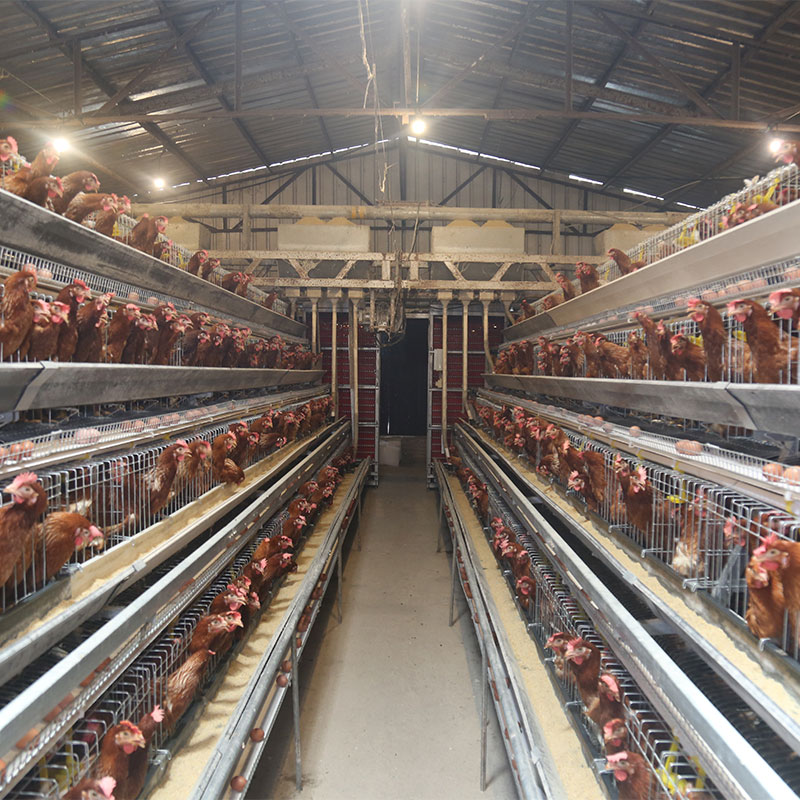
1. PAINPOINT DRIVEN OPENING
Are you managing a manual layer cage operation and facing persistent challenges that erode your bottom line? Consider these common operational hurdles:
Labor Inefficiency & Cost: Manual egg collection, feeding, and manure cleaning consume excessive labor hours. Industry data indicates labor can constitute over 60% of operational costs in nonautomated setups.
Inconsistent Bird Welfare & Performance: Variable manual feeding and watering lead to flock stress, uneven growth, and inconsistent laying rates, directly impacting egg production volume and quality.
Elevated Bird Mortality & Disease Risk: Stagnant manure accumulation in manual systems creates ammonia spikes and pathogen breeding grounds, increasing veterinary costs and mortality rates.
Operational Downtime & Physical Strain: Manual processes are slow, physically demanding on workers, and lead to higher employee turnover and injuryrelated downtime.
How can you reduce direct labor dependency, standardize bird care for optimal performance, and create a healthier barn environment without a fullscale automation investment? The solution lies in an optimized manual cage system engineered for modern efficiency.
2. PRODUCT OVERVIEW
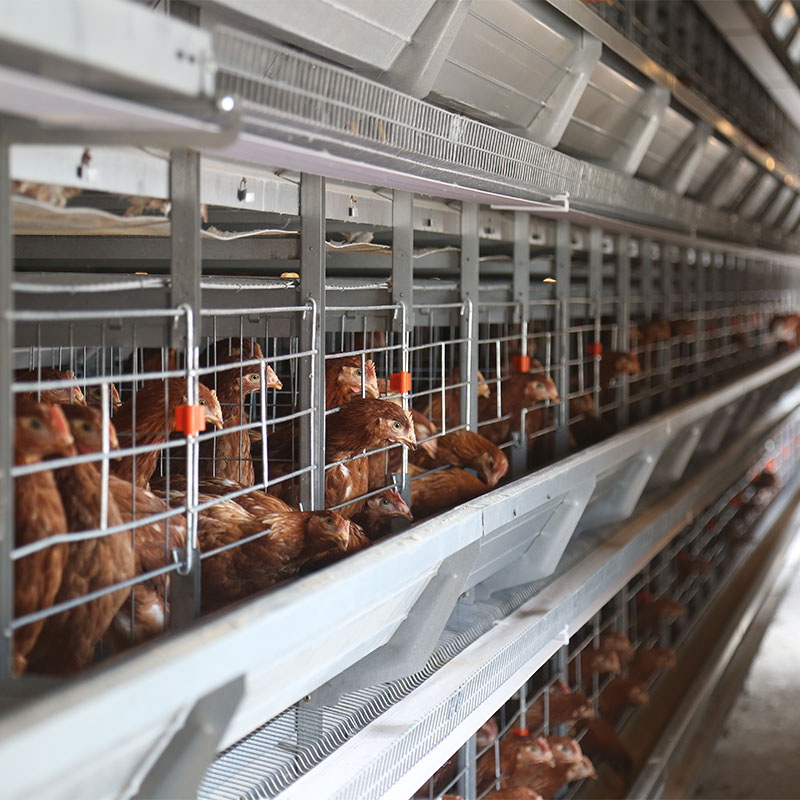
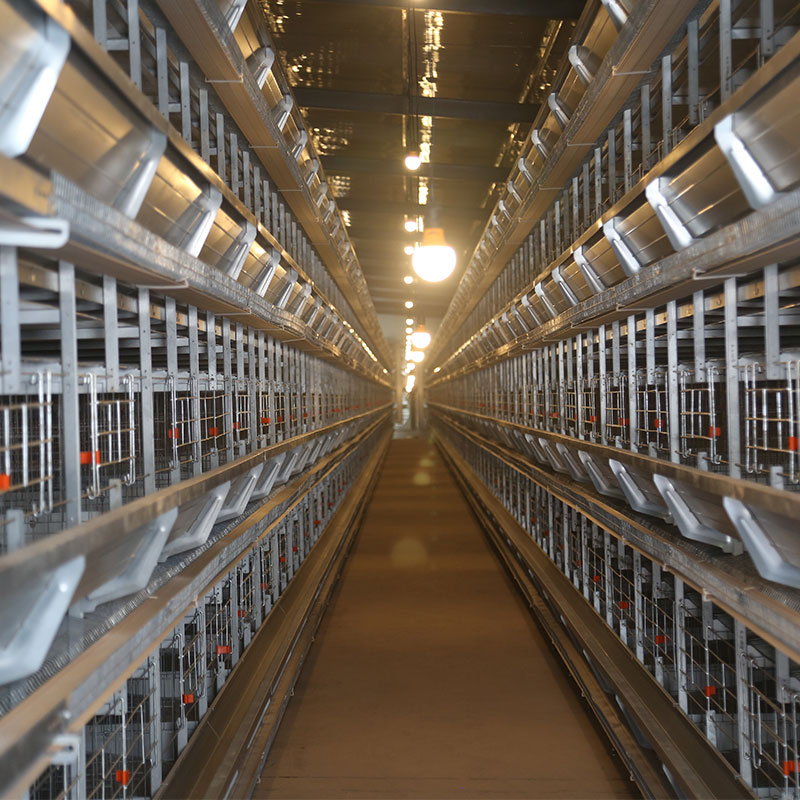
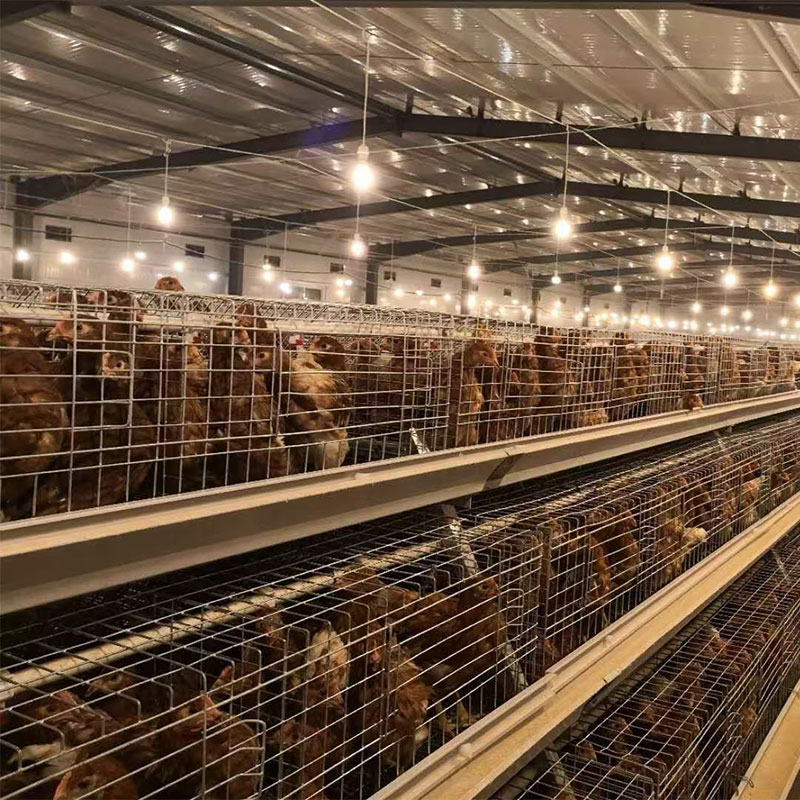
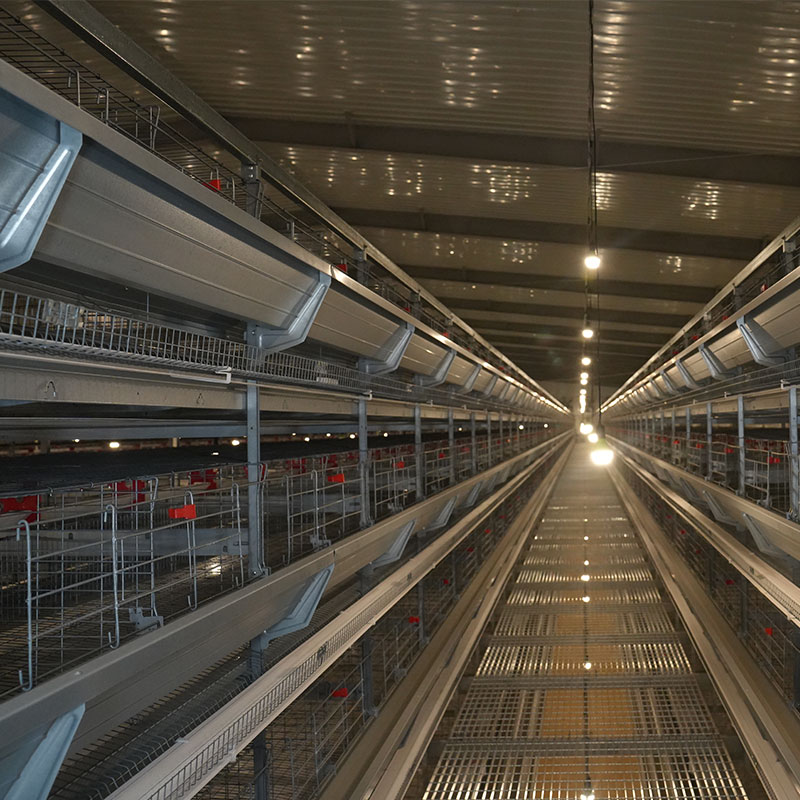
Our Manual Layer Cage System is a structurally optimized poultry housing solution designed for operations seeking enhanced control, durability, and bird performance within a manually managed workflow. It provides the foundational benefits of cagebased rearing while incorporating engineering refinements that address the core inefficiencies of traditional manual setups.
Operational Workflow:
1. Centralized Feeding & Watering: Operators distribute feed along the integrated trough line manually; birds access water from nipple drinkers on each tier.
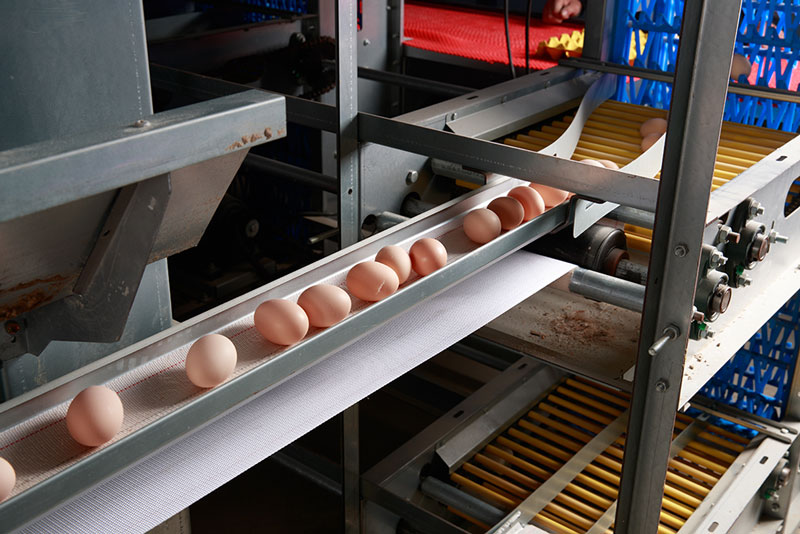
2. Daily Egg Collection: Eggs roll gently onto the collection tray upon being laid; workers collect them from the accessible front of each tier.
3. Manure Management: Droppings fall through the cage floor onto manure deflectors or into drying pits below each tier, facilitating periodic manual removal.
4. Bird Monitoring & Handling: The robust yet accessible cage design allows for easy visual inspection and safe removal of birds as needed.
Application Scope & Limitations:
Ideal For: Midsized commercial farms (5,000 50,000 birds), farmers transitioning from deep litter or older cage systems, operations with stable but costconscious labor pools.
Limitations: Not suitable for fully automated "handsoff" facilities. Operational speed is contingent on labor efficiency. Requires disciplined daily manual routines.
3. CORE FEATURES
4. COMPETITIVE ADVANTAGES
| Performance Metric | Industry Standard Manual Cage | Our Manual Layer Cage Solution | Advantage (% Improvement) |
| : | : | : | : |
| Feed Conversion Ratio (FCR) Support| Basic trough feeding leading to higher waste| Precision trough + consistent water access reduces spillage| Improves FCR by ~5% |
| Labor Efficiency (Eggs Collected/Hour/Worker) | Flat trays requiring careful handling; slower access| Angled rollout trays with centralized access points| Increases collection rate by ~25% |
| System Lifespan Before Major Refit| Mild steel or lowergrade galvanization (812 years)| Hotdip galvanized hightensile steel structure| Extends lifespan by ≥30% |
| Average Saleable Egg Yield (%)| Higher incidence of hairline cracks from poor rollout/collection| Engineered rollout angle & cushioned tray lip| Improves saleable yield by 12% |
| Ammonia Concentration at Bird Level (ppm)| Often elevated due to poor manure drying|<100 ppm through optimized tier spacing/manure pit design|<20% reduction |
5. TECHNICAL SPECIFICATIONS
Capacity & Configuration: Standard configurations house 46 birds per cage unit (depending on breed weight). Typical system layouts are 3tier or 4tier designs.
Power Requirements: None required for core system operation (lighting/ventilation provided separately).
Material Specifications: Cage mesh & structure made from Q235 steel wire (φ2.5mmφ3.5mm), hotdip galvanized coating ≥70μm. Nipple drinkers are stainless steel.
Physical Dimensions: Standard single cage unit dimensions are typically L1000mm x W450mm x H400mm per tier. Overall system dimensions are modularly configurable.
Environmental Operating Range: Designed for standard enclosed poultry house environments with controlled temperature (1827°C recommended) and humidity (<70%). Galvanization provides corrosion resistance in ammoniarich atmospheres.
6. APPLICATION SCENARIOS
Challenge:A farm with 20,000 birds using deep litter systems faced high labor costs for cleaning (~3 hrs/day), uneven feed access leading to variable egg size,and difficulty monitoring individual bird health.They needed a scalable solution that improved control without full automation capital expenditure.
Solution:A fourtier Manual Layer Cage System was installed across two new barns.The design allowed clear visibility of all birds,and the integrated feeding/watering lines standardized nutrition intake.Manure pits were placed over concrete floorsfor weekly removal.
Results:Labor time dedicated to daily cleaning reduced by70%.Feed consumption became more predictable,yielding a4%improvement in FCR.Egg uniformity increased,and mortality from coccidiosis dropped significantly due to separationfrom litter.The owner reported an estimated payback periodof under three years based on productivity gains alone.
Challenge:A facility using outdated singletier cages had low space utilizationand high perbird infrastructure cost.Worker fatiguefrom constant bendingfor egg collection ledto high staff turnover.The goal wasto increase bird density humanely while improving worker ergonomics within existing barn footprints.
Solution:The existing setup was replacedwith our threetierManual Layer Cage System.This tripled bird capacitywithin the same floor space.Ergonomically positionedcollection trays at waist level eliminated constant bending.Manure deflectors channeled waste awayfrom lower tiers effectively.
Results:Farm capacity increasedby200%without expandingthe building footprint.Egg collection speed improved,and reported worker back strain incidents ceased.Spaceheating costsper bird decreaseddue tohigher density.The modernization extendedthe viable lifeofthe operationby adecade.
7.COMMERCIAL CONSIDERATIONS
Our Manual Layer Cage Systems are offeredin clear pricing tiersbasedon scaleand configuration complexity:
Basic Tier(System Only): Includes cages,frames,troughs,and nipple lines.Pricedper bird placeor per meterof linear system.Idealfor contractorsor clients integratingtheir own ancillarysystems(manure handling,laying nests).
Complete Barn Package(Turnkey): Includes full caging system,gutter cleaners(optional),egg collection belts(optional),lighting systems,and installation supervision.Pricedper projectwith volume discountsappliedfor ordersexceeding50,000bird places.This package minimizes client project management overhead.Financing optionsare availablethrough partnered agricultural equipment lenders,with leasetoown structurescoveringa36to60month term.Service packagesinclude standard12month warranties,withexpanded coverageavailablefor critical structural componentsupto five years.Onsite trainingfor your operational staffis includedwith every installationto ensureoptimal daily management practicesare followedfrom day one.Optional featuresinclude reinforced doorsfor differentbird breeds,plastic manure deflectorsfor enhanced durability,and specializedfeed trough designsfor variousdiet types(pelletvs.mash).
8.FAQ
Q:What isthe lead timefor deliveryand installationof amanual layer cagesystem?
A:Lead timesvarybasedon project scaleand current production schedule.Typically,full systemsare manufacturedand readyforshipmentwithin68weeksfrom order confirmation.Onsite assemblyby our trained crewsrequiresan additional13weeksdependingon barn size。
Q:Can thissystem be retrofittedinto an existingpoultry house?
A:Yes。The modularbay designallows usto engineerlayouts thatfit mostexistingbarn dimensions。Apreinstallation site auditis recommendedto planaround existing pillars,doorways,and ventilation infrastructure。
Q:How does themanual systemimpact daily labor requirementscomparedto deep litter?
A:While itdoes noteliminate daily tasks,it radically reorganizesand streamlines them。Labor shiftsfrom intensive litter managementto more efficientlinear taskslikefeeding alonga troughlineandeasyegg collection。Most clientsreporta net reductionin total daily labor hoursdedicatedtothe flock。
Q:What happensif apower outage occurs?
A:The coremanual layer cagesystemoperates independentlyof electrical power。Only ancillarysystemslike supplemental lightingor optionalventilation fanswouldbe affected。This providesoperational resilience not always presentin fully automatedenvironments。
Q:Are your materialssafe forbirds overtheir full laying cycle?
A:Absolutely。All galvanized coatingsare appliedusinghotdip processeswhich createa nontoxic,durable zinc layer。The materialsmeet international standardsfor animal housing equipmentand donotleach harmful substances。
Q:What technical supportis providedafter installation?
A:We providecomprehensiveoperation manualsandschematic diagrams。Remote supportvia phoneor video callis availablefortroubleshooting。For complex issues,we haveaservice networkthatcan dispatchtechnicians;response timesare outlinedin your chosen service agreement。
Q:Do you offercustomizationsfordifferentlayer breeds(e.g.,brown vs.white layers)?
A:Yes。Key specificationslikecage floor slope(affectingegg rollout),door sizes,and recommendedbird densityper square meter can beadjustedbasedon breed characteristicsand weight profilesprovidedby your operation。

1. Drinking system include the water pipes, water pressure adjuster, drinking nipples, Waterline front-end device, dosing system etc, choose them according to customer's needs.
2. High-quality water drinking pipes, pressure regulating valves and water drinking nipples can effectively prevent the water leakage. Drinking system adopt the closed piping system, which can minimize the water pollution.
3. 360-degree drinking nipples provide adequate drinking water for poultry at all stages.
4. The automatic drinking water system mainly adopts the steel ball drinking nipple. lt uses imported high-grad stainless steel, POM resin, and APS engineering material, which is wearing resistant, and the durability can be used for long time.



1. Automatic feeding machine can be chosen between gantry and ladder feeding machine. Gantry type feeding machine is a relatively economical and practical machine with simple operation, remote control walking character, easy to manage.
2. Mechanical transmission device running smoothly, low noise, long service life.
3. With the use of automatic control, the feeding system can adjust the amount of material.
4. Feeding with arched structure, high carrying capacity, not easily deformed.
5. Saving man power, saving feed, greatly improving the efficiency of Large-scale farming.
6. The walking speed of gantry feeding machine is 9--12 m/min.




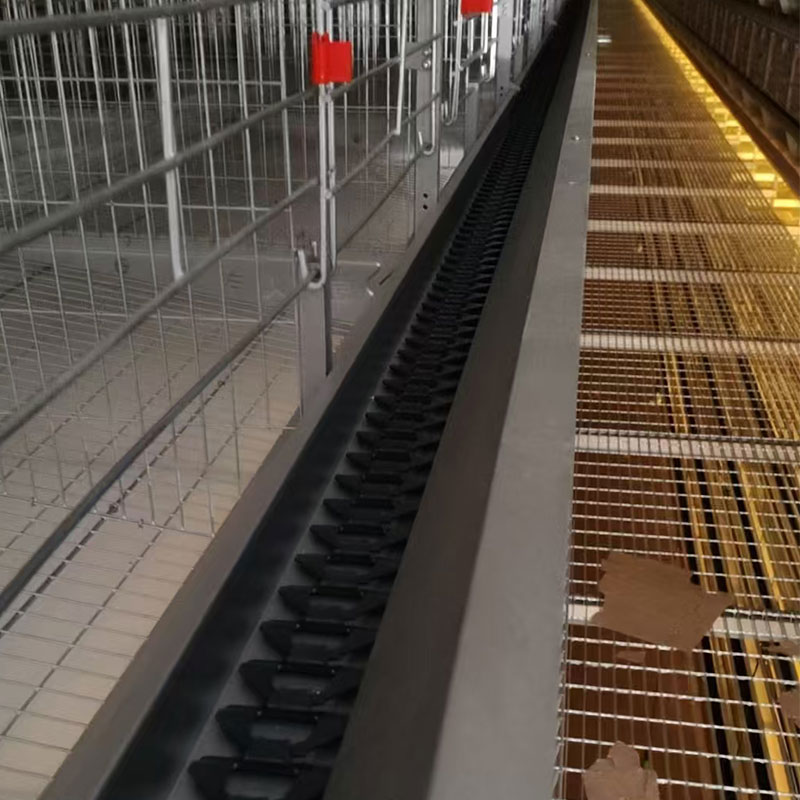
1. Manure removing system included scraper type and conveyor belt type, Which can reduce the labor intensity and labor cost, keep the chicken shed dry and clean.
2. A type chicken cage can use scraper type or conveyor belt type.


3. The scraper type is suitable for A type cages, which can clean two or three rows. For the starters, this type is a good choice. lt can not only save some labor cost, but also save some investment in the whole project. The cleaning speed is 6-10 meters per minute.
4. Conveyor belt type is more suitable for large scale farming. The manure removing belt we use is high quality PP material (polypropylene). The walking speed is 2-4 meters per minute.



High Quality Pellets Made by Mobile Pellet Machine
1. It has professional designed angle of the blade. After the dynamic balance test one by one, the blade can operate smoothly.
2. The air volume is consistent in the whole life of the fan. Bearings has advantage of high strength, low noise, durable and so on.
1. The cooling pads uses high-quality wet curtain paper and adopts space cross-linking technology, which has the advantages of high water absorption, high water resistance, anti-toxicity and long service life.
2. The cooling efficiency is over 80%, without surfactant, natural water absorption, fast diffusion speed and long-lasting effect.
3. The product does not contain phenol and other chemical substances that are easy to cause skin allergies. It is non-toxic and harmless to the human body and chicken when installed and used. It is green, safe, energy-saving, environmentally friendly, economical, and easy to install.
4. The frame aluminum alloy has high strength, good corrosion resistance, durability and beautiful appearance.
5. Use a special filter for the cooling pad at the upper water to ensure clean water quality and support efficient water circulation components.
6. Combined with a negative pressure fan, it can effectively lower the indoor temperature.
The window is made of special selected high-quality engineering plastic, with high strength and long service life, together with superior anti-aging and anti-UV performance.
Function: Ventilation of the chicken house, usually used in the winter.
This system can adjust the wind speed and direction, thus the cold air will not reach chicken directly , which can effectively prevent the phenomenon of cold stress in chicken.
Environmental control system equipment is suitable for large-scale and intensive farming. According to customer requirements, we can provide various types of smart poultry equipment.
1. Our poultry management system is a modular system that manages all aspects of the chicken house, such as climate, temperature, humidity, ammonia, feeding, feed weighing, lighting and ventilation systems, and can monitor the situation of the chicken house in real time through a computer and mobile phone.
2. The management computer is the heart of the poultry farm, allowing you to easily monitor the entire poultry farm.

 WeChat:+8617838608255