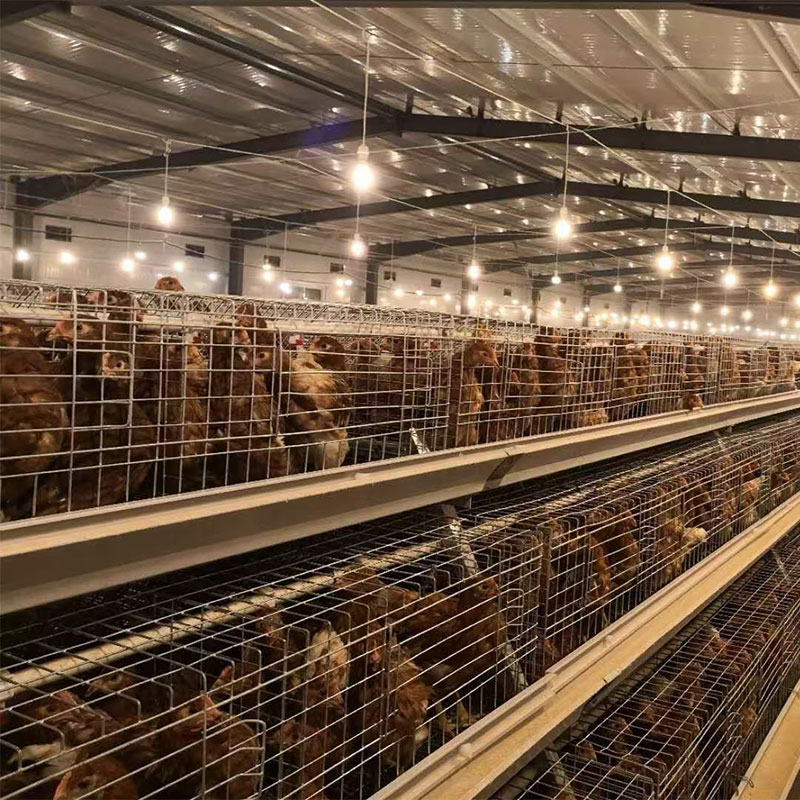
The rhythmic clatter of feeding systems echoes through the pre-dawn darkness, a sound familiar to any poultry farmer. But for those who have transitioned to multi-tier cage systems, the source of that sound is different. It doesn’t emanate from a single, vast plane at eye level but rises and falls through layers of purposeful activity. This vertical integration represents one of the most significant operational shifts in modern poultry production, moving the industry not outward, but upward.
The fundamental principle of multi-tier housing is spatial efficiency. Instead of a single layer of birds spread across the entire floor space of a shed, birds are housed in vertically stacked cages, typically ranging from three to eight tiers high. Imagine a warehouse. The old method used only the floor, leaving a massive volume of empty, heated, and ventilated air above it. The multi-tier system installs shelving, effectively multiplying the usable square footage of that floor by the number of levels. A farmer working with a 10,000-bird capacity on a single floor in a 10,000-square-foot shed can potentially house 40,000 birds in the same building with a four-tier system, without expanding their land footprint. This isn’t just about squeezing more birds in; it’s about radically altering the economics of density, feed delivery, egg collection, and environmental management.
The Structural Blueprint: More Than Just Stacked Cages
A multi-tier system is an engineered environment, not a simple rack. The cages themselves are typically constructed from galvanized steel wire, designed for strength, longevity, and easy cleaning. The design prioritizes animal welfare and operational flow. Modern systems feature a slight slope on the cage floor. When a hen lays an egg, it rolls gently out of the cage onto a continuous collection belt, keeping it clean and separating it immediately from the bird and manure. This is a critical improvement over flat-deck systems where eggs remain in the cage, susceptible to cracking, soiling, and being pecked.
Beneath each tier runs another set of belts: the manure removal system. In a deep-pit system, manure drops through the cages onto a solid floor or into a pit below the bottom tier, where it is allowed to accumulate for periodic removal. This is increasingly rare in modern multi-tier installations due to ammonia control issues. The preferred method is a continuous belt scraper system. A durable plastic or rubber belt sits beneath each level. At programmed intervals—often multiple times a day—these belts activate, scraping the fresh manure out of the house and into a dedicated storage or processing unit outside. This immediate removal is the first and most important line of defense against humidity and ammonia buildup. For a farmer, the difference is palpable. Walking into a shed with a functioning belt system, the air is noticeably drier and less pungent than in a building where manure accumulates, directly impacting bird health and respiratory function.
The feeding and watering lines are the circulatory system of this vertical operation. A central feed silo located outside the house supplies an auger system that runs the length of each tier. At designated times, the auger turns, delivering a precise ration of feed into the trough attached to the front of each cage. The key here is consistency and minimal waste. The feed is protected within the enclosed trough, preventing birds from scratching it out. Nipple drinker systems are standard, with a small stainless-steel pin at the end of a water line. Birds learn to peck at the pin, releasing a droplet of water directly into their beak. This closed system drastically reduces water spillage compared to open cup or trough drinkers. Less water spilled means less moisture added to the litter and air, which in turn suppresses pathogen growth and ammonia release. A farmer can monitor water consumption by tier, providing an early warning system for health issues; a drop in water intake on level three often signals a problem before it manifests in visible symptoms.
The Engineered Environment: Mastering Climate in a Vertical Space
Managing the environment in a single-tier house is challenging enough. Introducing multiple layers creates a complex stack of microclimates. Heat rises, carbon dioxide is exhaled, moisture evaporates—all of these factors create stratification, where the conditions at the ceiling are vastly different from those at the floor. A poorly managed system can have comfortable, well-ventilated birds on the top tier while birds at the bottom languish in a damp, ammonia-rich, oxygen-poor layer.
This is where modern ventilation philosophy shifts from simple air exchange to targeted climate control. The goal is not just to bring fresh air in and push stale air out, but to create a uniform column of air from floor to ceiling. Tunnel ventilation is the workhorse of large poultry houses. Large exhaust fans at one end of the building pull air the entire length of the shed, creating a wind-chill effect that helps birds dissipate body heat. However, in a multi-tier system, this horizontal airflow must be combined with vertical mixing.
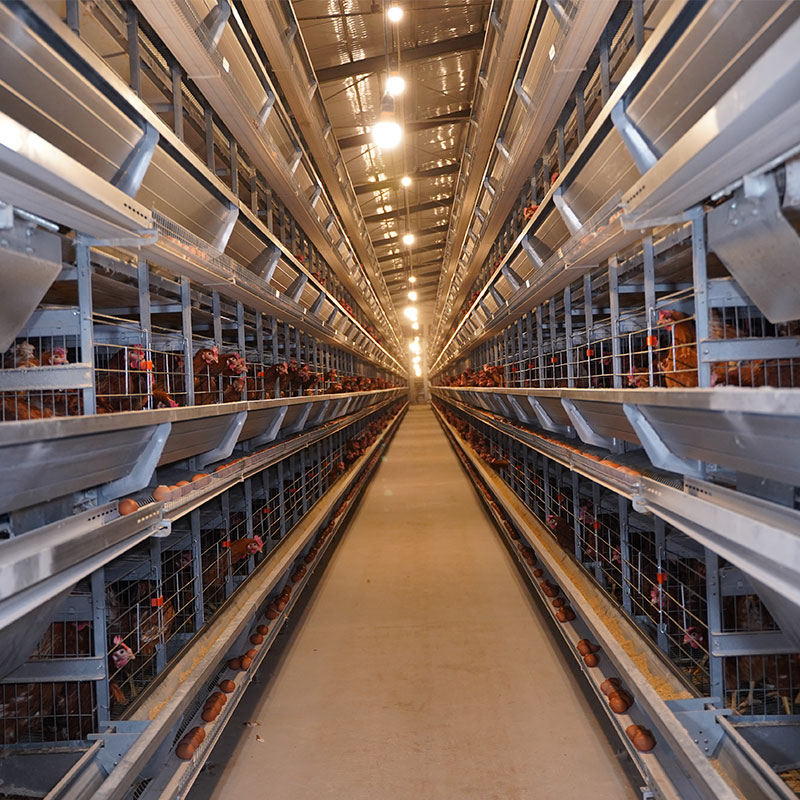
This is achieved through positive pressure and targeted inlet systems. Fresh air is brought in through controlled inlets running along the walls, often at a high velocity. This incoming air is directed across the ceiling, where it mixes with the warmer air trapped there, forcing it down towards the bird level. This constant, gentle mixing prevents the formation of dead air pockets and ensures every tier, from top to bottom, experiences nearly identical conditions of temperature, humidity, and air quality. For the farmer, this means sensor placement is critical. probes must be installed at bird level within the cages on different tiers to provide a true picture of the lived environment, not just the ambient air in the walkways.
Lighting is equally strategic. LED systems are now universal for their energy efficiency and programmability. Lines of LEDs are run along each tier to provide uniform light intensity to every cage. The days of a single, bright bulb hanging from the rafters are gone. That method created intense light for the top-tier birds and deep shadows for the bottom, disrupting laying cycles and feeding behavior. Modern systems allow for precise dimming and photoperiod control, mimicking natural dawn and dusk to reduce bird stress and optimize production.
The Operational Calculus: Labor, Bird Health, and Economics
The adoption of multi-tier systems is ultimately driven by a harsh economic reality: razor-thin margins. The significant capital investment must be justified by long-term operational savings and increased output. The most immediate saving is in labor. Automation is inherent to the system. Feeding is automatic. Egg collection is automatic—belts carry the eggs directly to a central packing station, often washing, grading, and sorting them with minimal human handling. Manure removal is automatic. A single worker can manage a flock of tens of thousands of birds, with their time shifted from repetitive manual tasks to observation, maintenance, and data analysis. Instead of hours spent collecting eggs or scraping manure, a farmer’s time is spent walking the aisles, visually assessing bird condition, checking that equipment is functioning, and monitoring environmental control panels.
Bird health presents a complex picture with distinct advantages and challenges. The separation of birds from their manure is the single biggest health benefit. It drastically reduces the incidence of parasitic infections like coccidiosis and bacterial diseases like necrotic enteritis, which are spread through the fecal-oral route. Cleaner eggs mean fewer contaminants entering the processing area. However, the close confinement requires impeccable management. A respiratory pathogen introduced into a densely populated tier can spread rapidly. This makes biosecurity protocols non-negotiable. Footbaths, rodent control, and strict limits on visitor access are essential. The welfare debate around cage systems is ongoing, but modern multi-tier designs have evolved significantly. Many now include features like scratch pads, perching spaces, and nesting areas within the cage to cater to natural behaviors, responding to both ethical concerns and market demands for higher-welfare products.
The financial analysis is a multi-year equation. The initial capital outlay for a multi-tier system with all its automation can be three to five times higher than a simple deep-litter barn. This includes the cost of the cage modules, the manure belts, the enhanced ventilation system, and the egg packing machinery. However, this cost is amortized over the system’s 15-to-20-year lifespan. The return is realized through the massive increase in production density per square foot of land and building, reduced feed waste, lower labor costs, improved feed conversion ratios due to reduced bird activity, and higher saleable egg yield from cleaner eggs and reduced breakage. For a farm looking to expand production but constrained by land availability or building permits, building up is often the only viable path forward.
The Management Mindset: Precision and Foresight
Operating a multi-tier system demands a different type of farmer. It is a move from animal husbandry to system management. Success is less about brute force and more about data, precision, and preventative maintenance. A malfunctioning nipple drinker is a nuisance in a small flock; in a multi-tier system, a single leaky drinker can drip thousands of gallons of water a year, directly into the manure belt, creating a localized environmental disaster and a hotspot for disease.
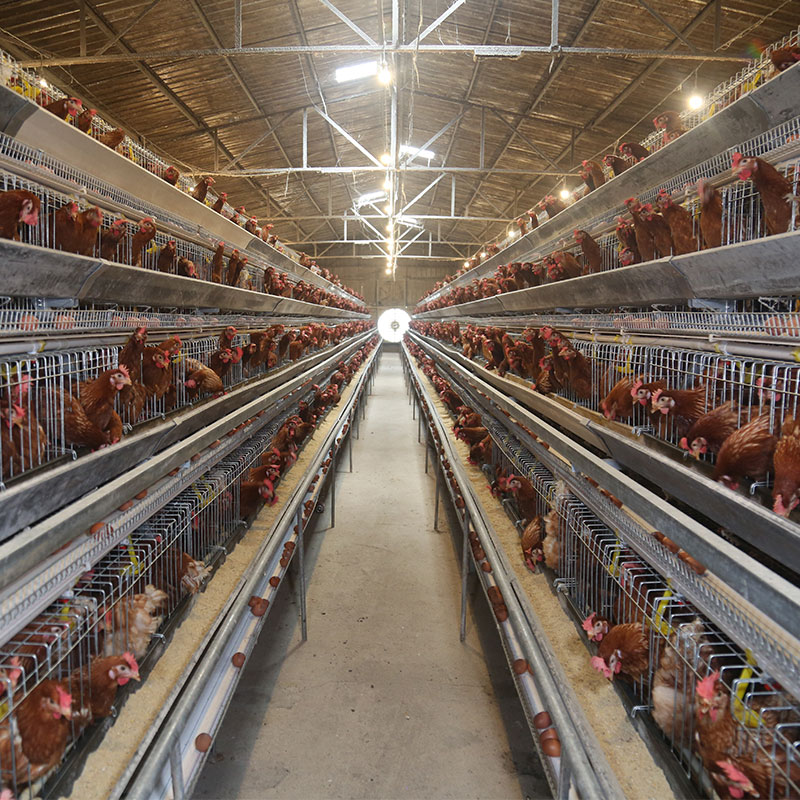
Routine daily checks are therefore militaristic in their importance. Walk the aisles. Listen. The hum of motors should be consistent. Look for wet spots beneath water lines. Observe the birds themselves—are they active and feeding, or are they huddled and listless? Data from the environmental computer must be reviewed not just for current readings, but for trends. A gradual, creeping increase in minimum fan runtime overnight might indicate the evaporative cooling pads are clogging with dust, reducing their efficiency.
The manure itself becomes a data point. Its consistency can indicate digestive health and water consumption. The belt system, by removing it fresh, allows for its potential value to be captured. Dried and processed, it becomes a valuable organic fertilizer, turning a waste disposal problem into a revenue stream.
The transition to a multi-tier system is a profound commitment. It represents a capital-intensive, technology-driven model of production that prioritizes scale, efficiency, and control. It is not a decision to be made lightly, nor is it a universal solution. For some operations, particularly those serving niche, free-range, or organic markets, it is the wrong tool. But for the commercial producer operating in a competitive global market, the vertical ascent offered by multi-tier housing is not merely an option; it is the new baseline for viability, demanding a fusion of traditional stockmanship with the skills of an engineer and data analyst. The future of poultry farming is not spread across more acres; it is stacked, managed, and optimized layer by layer.
1. Drinking system include the water pipes, water pressure adjuster, drinking nipples, Waterline front-end device, dosing system etc, choose them according to customer's needs.
2. High-quality water drinking pipes, pressure regulating valves and water drinking nipples can effectively prevent the water leakage. Drinking system adopt the closed piping system, which can minimize the water pollution.
3. 360-degree drinking nipples provide adequate drinking water for poultry at all stages.
4. The automatic drinking water system mainly adopts the steel ball drinking nipple. lt uses imported high-grad stainless steel, POM resin, and APS engineering material, which is wearing resistant, and the durability can be used for long time.



1. Automatic feeding machine can be chosen between gantry and ladder feeding machine. Gantry type feeding machine is a relatively economical and practical machine with simple operation, remote control walking character, easy to manage.
2. Mechanical transmission device running smoothly, low noise, long service life.
3. With the use of automatic control, the feeding system can adjust the amount of material.
4. Feeding with arched structure, high carrying capacity, not easily deformed.
5. Saving man power, saving feed, greatly improving the efficiency of Large-scale farming.
6. The walking speed of gantry feeding machine is 9--12 m/min.




1. Manure removing system included scraper type and conveyor belt type, Which can reduce the labor intensity and labor cost, keep the chicken shed dry and clean.
2. A type chicken cage can use scraper type or conveyor belt type.


3. The scraper type is suitable for A type cages, which can clean two or three rows. For the starters, this type is a good choice. lt can not only save some labor cost, but also save some investment in the whole project. The cleaning speed is 6-10 meters per minute.
4. Conveyor belt type is more suitable for large scale farming. The manure removing belt we use is high quality PP material (polypropylene). The walking speed is 2-4 meters per minute.



High Quality Pellets Made by Mobile Pellet Machine
1. It has professional designed angle of the blade. After the dynamic balance test one by one, the blade can operate smoothly.
2. The air volume is consistent in the whole life of the fan. Bearings has advantage of high strength, low noise, durable and so on.
1. The cooling pads uses high-quality wet curtain paper and adopts space cross-linking technology, which has the advantages of high water absorption, high water resistance, anti-toxicity and long service life.
2. The cooling efficiency is over 80%, without surfactant, natural water absorption, fast diffusion speed and long-lasting effect.
3. The product does not contain phenol and other chemical substances that are easy to cause skin allergies. It is non-toxic and harmless to the human body and chicken when installed and used. It is green, safe, energy-saving, environmentally friendly, economical, and easy to install.
4. The frame aluminum alloy has high strength, good corrosion resistance, durability and beautiful appearance.
5. Use a special filter for the cooling pad at the upper water to ensure clean water quality and support efficient water circulation components.
6. Combined with a negative pressure fan, it can effectively lower the indoor temperature.
The window is made of special selected high-quality engineering plastic, with high strength and long service life, together with superior anti-aging and anti-UV performance.
Function: Ventilation of the chicken house, usually used in the winter.
This system can adjust the wind speed and direction, thus the cold air will not reach chicken directly , which can effectively prevent the phenomenon of cold stress in chicken.
Environmental control system equipment is suitable for large-scale and intensive farming. According to customer requirements, we can provide various types of smart poultry equipment.
1. Our poultry management system is a modular system that manages all aspects of the chicken house, such as climate, temperature, humidity, ammonia, feeding, feed weighing, lighting and ventilation systems, and can monitor the situation of the chicken house in real time through a computer and mobile phone.
2. The management computer is the heart of the poultry farm, allowing you to easily monitor the entire poultry farm.

 WeChat:+8617838608255