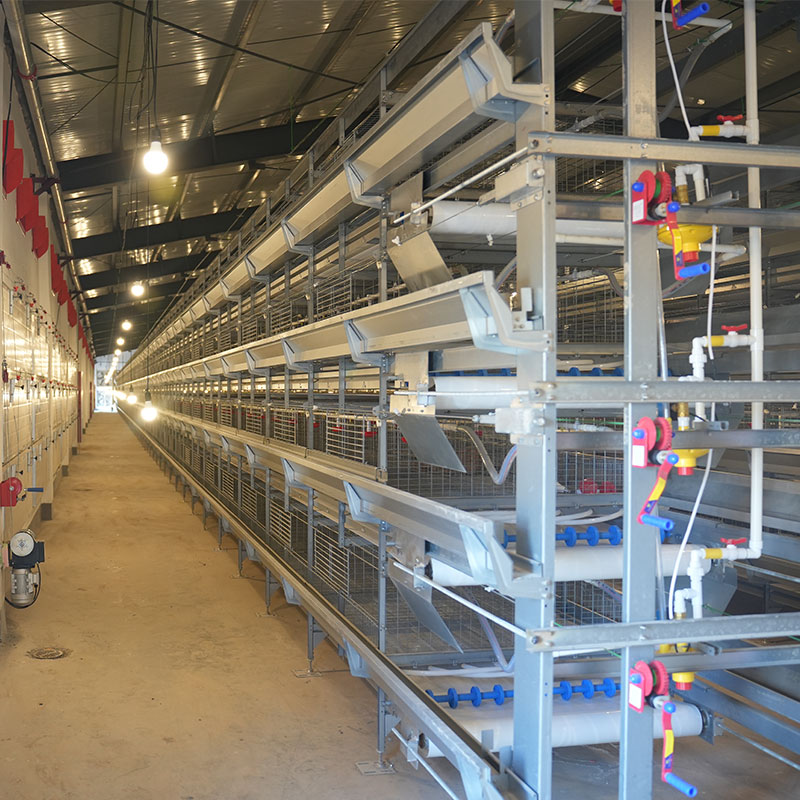
For poultry farmers weighing the decision between new and used equipment, the 3-layer chicken layer cage with manure belt represents a significant infrastructure investment that directly impacts daily operations and long-term profitability. These vertically stacked systems, designed to house laying hens through their production cycle, present distinct advantages and considerations whether purchased fresh from the manufacturer or previously operated. Understanding the operational nuances, structural requirements, and economic implications of both options enables farmers to make informed decisions aligned with their specific circumstances.
Structural Design and Space Optimization
The fundamental architecture of these cages—three tiers of wire enclosures stacked vertically—addresses the universal challenge of maximizing bird density within limited floor space. A farmer with a 500-square-foot barn who might otherwise house 300 birds in floor systems can potentially triple that capacity with the same footprint. Each tier functions as a complete living environment, with sloping wire floors that guide eggs toward collection gutters while allowing manure to fall through. The four-door configuration per cage unit provides crucial access points. During vaccination days, this means workers can reach birds from both sides simultaneously, cutting handling time in half compared to single-access systems. The doors swing open smoothly to allow inspection of individual birds, treatment of minor injuries, or removal of non-productive hens without disturbing the entire row.
The wire mesh specifications matter tremendously in daily operations. Gauge thickness that’s too light will warp under the constant movement of mature layers, while spacing that’s too wide risks foot injuries and escaped birds. Properly designed mesh allows hens to stand comfortably without slipping while providing sufficient openings for manure to pass through. The supporting framework—typically fabricated from cold-rolled steel rods—must withstand not just the weight of the birds but also the additional load of feeding systems, water lines, and workers occasionally leaning against the structure during maintenance.

Manure Belt System Functionality
Integrated manure belts transform what has traditionally been a labor-intensive chore into a managed process. These durable rubber or plastic conveyors run beneath each tier, collecting droppings that would otherwise accumulate. For a 1,000-bird operation, this might mean dealing with approximately 125 pounds of manure daily. Without belts, this would require scraping every few days—a disruptive process that stresses birds and releases ammonia. With the belt system, a farmer can schedule removal based on operational needs. During humid summer months when ammonia levels rise quickly, running the belts twice daily maintains better air quality. In drier winter conditions, once-daily removal may suffice.
The timing of belt operation requires observation. Running belts during peak laying hours (typically morning) causes unnecessary disturbance, while operating them after most eggs have been collected aligns with natural flock rhythms. Some farmers program belts to run automatically thirty minutes after sunrise and again just before evening, while others prefer manual control to respond to changing conditions. The collected manure, while requiring proper disposal, represents potential revenue when composted and sold to crop farmers or garden centers—a value-added stream that partially offsets operating costs.
New Cage Systems: Immediate Operational Benefits
Purchasing new cage equipment brings predictable performance from day one. The galvanized coating, applied through hot-dip processes, creates a uniform protective barrier that withstands the corrosive ammonia from poultry manure. This coating isn’t merely about appearance—it directly impacts how many years pass before rust compromises structural integrity or requires spot treatment. A new system’s wiring arrives with consistent tension, ensuring eggs roll smoothly to collection areas without catching or cracking. Farmers report egg damage rates below 2% with properly aligned new systems, compared to 5-8% with worn equipment where wires have developed dips or misalignments.
The precision engineering of new cages manifests in countless small efficiencies. Door latches engage securely with minimal force, preventing accidental openings that could lead to bird escapes. Feed trough edges roll inward slightly to reduce spillage—a design feature that might save only ounces per day but amounts to significant feed cost reduction over a full production cycle. Water nipples activate at consistent pressure, providing uniform hydration without leakage that would elevate humidity and manure moisture content.
For farmers implementing automated systems, new cages integrate seamlessly with egg collection conveyors, feeding systems, and environmental controls. The sensor that counts eggs as they move toward the collection room relies on proper alignment to maintain accuracy. The automated feeder that moves along the cage fronts requires straight tracks to distribute feed evenly. These interconnected systems perform optimally when all components meet original manufacturer specifications.
Economic Considerations of New Equipment
The substantial upfront investment in new cages—often two to three times the cost of used equivalents—must be evaluated against operational longevity. A quality new system typically delivers 15-20 years of service before requiring major component replacement, compared to 5-10 years for used equipment that may already have significant wear. This extended lifespan spreads the initial cost across more production cycles, potentially lowering annual capital expenditure.
Financing options for new equipment often include favorable terms through agricultural lenders who view modern infrastructure as reducing operational risk. Some regions offer tax incentives or depreciation schedules that make new purchases more financially viable. The warranty protection that accompanies new cages—typically covering structural defects for 5-10 years—provides insurance against manufacturing flaws that could otherwise necessitate expensive repairs.
The productivity gains from new equipment should be quantified when calculating return on investment. If improved bird comfort translates to just two additional eggs per hen annually in a 3,000-bird operation, that’s 6,000 more eggs produced—potentially covering a significant portion of the equipment premium. Reduced labor requirements for manure management and egg collection further offset costs, allowing workers to focus on flock monitoring and health management.
Used Cage Systems: Practical Assessment
The used equipment market offers substantial cost savings for farmers with the technical ability to evaluate and refurbish systems. A used cage priced at 40-60% below new equivalents immediately improves cash flow, though this advantage must be balanced against potential hidden costs. The assessment process requires meticulous inspection beyond superficial appearance. Checking wear points—such as where egg collection rollers contact guides or where manure belts ride on supports—reveals how much functional life remains. Testing several doors along the system indicates whether hinge wear is isolated or widespread.
Galvanization integrity demands particular attention. While surface rust can be treated, pitting that has penetrated the protective coating will continue to deteriorate despite treatments. Some farmers employ thickness gauges to measure zinc coating remaining at stress points. Systems previously used in hard water regions may show mineral buildup in watering lines that restricts flow—a remediable issue but one requiring line replacement.
The compatibility of used equipment with existing infrastructure presents another consideration. A farmer adding to an established operation must ensure the used system matches the height, depth, and connection points of current cages. Mixing incompatible systems creates management challenges, particularly with automated components. Those starting from scratch have greater flexibility but still need to verify that the used system aligns with their barn dimensions and operational plans.
Refurbishment Requirements for Used Cages
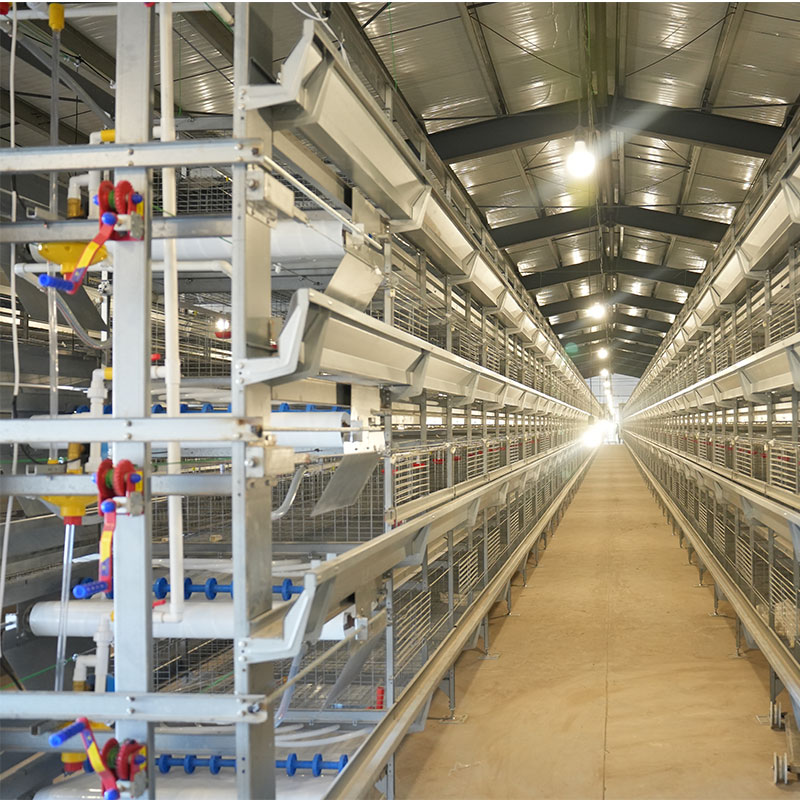
Successful integration of used cage systems almost always involves some degree of refurbishment. Replacing worn nylon rollers in egg collection systems restores smooth operation and prevents egg damage. Installing new manure belts addresses the component most likely to have deteriorated—cracked or stiffened belts lead to misalignment and cleaning failures. The process of replacing these components provides an opportunity to deep-clean every surface and inspect individual wires for fatigue.
Electrical components in automated systems represent a common refurbishment need. Motors that drive feeding systems or manure belts may require bearing replacement or rewinding. Control panels might need updating to meet current safety standards. Farmers with mechanical aptitude can perform much of this work, while complex electrical upgrades typically require specialized technicians.
Disinfection represents a non-negotiable step when bringing used equipment into a biosecure environment. Power washing removes visible debris, but only proper disinfectants address pathogens that might remain from the previous flock. Some farmers employ professional sanitation services that use fogging systems to distribute disinfectants throughout the intricate cage structures. The peace of mind from knowing equipment carries no disease risk justifies this expense.
Operational Workflow Integration
Whether new or used, these cage systems fundamentally reshape daily farm routines. The morning inspection changes from walking through litter to visually scanning each tier for signs of distress or irregular behavior. Feeding becomes a matter of checking hopper levels and timer settings rather than distributing feed manually. Water systems require monitoring pressure gauges rather than filling individual drinkers.
Egg collection evolves from gathering eggs from nest boxes to managing the flow of eggs moving along conveyors to the sorting room. The timing of this process affects egg quality—eggs that move promptly to cooler conditions maintain interior quality better than those remaining at barn temperature. The manure management transition is perhaps most dramatic: instead of periodic litter replacement, farmers manage belt operation schedules and disposal methods.
The learning curve for workers accustomed to floor systems should not be underestimated. Training must cover safe bird handling through cage doors, recognizing signs of distress in caged environments, and understanding the mechanical systems that support operation. Establishing clear protocols for responding to equipment malfunctions—such as belt jams or watering line leaks—prevents minor issues from becoming major problems.
Bird Welfare and Productivity Considerations
The relationship between cage design and layer performance manifests in multiple dimensions. The space allocation per bird—often between 67 and 86 square inches in commercial systems—represents a balance between economic efficiency and animal welfare requirements. Farmers observe that insufficient space increases feather pecking and aggression, while excessive space reduces economic viability. The vertical distance between tiers must allow workers to inspect upper levels without straining while providing adequate headroom for birds in lower levels.
Feed accessibility directly influences consistency of production. The trough design should make feed available without requiring birds to stretch uncomfortably, while preventing them from scratching out and wasting material. Water nipple placement must accommodate natural drinking posture without causing birds to drip water onto others below. These seemingly minor details cumulatively impact flock uniformity—the degree to which birds develop and produce at similar rates.
The controlled environment within cage systems allows for precise management of factors that stress birds. Without competition for nest spaces, fewer eggs get laid on the floor or become dirty. Separation from manure reduces parasite loads and bacterial exposure. The reduced mobility in cages does increase the importance of nutritional precision—birds cannot seek out missing nutrients as they might in range systems.
Long-Term Operational Economics
The financial analysis of cage systems extends far beyond initial purchase price. Energy consumption for operating manure belts and egg collection systems represents an ongoing expense that varies with design efficiency. Newer systems often incorporate energy-efficient motors and gear reductions that lower electricity costs by 15-30% compared to older designs. Maintenance parts inventory represents another cost consideration—keeping spare rollers, belts, and nipple drinkers on hand prevents production interruptions but ties up capital.
The labor efficiency gains from cage systems typically reduce daily chore time by 30-50% compared to non-caged alternatives. This doesn’t necessarily mean reducing staff hours, but rather reallocating time toward monitoring bird health, maintaining equipment, and managing business operations. The economic value of this reallocated time often exceeds the direct labor savings.
Production metrics ultimately determine the success of any housing system. Consistent egg size, shell quality, and interior grade directly impact revenue. Many farmers tracking this data find that well-maintained cage systems—whether new or properly refurbished—deliver more uniform egg quality than alternative housing, particularly in terms of reduced cracks and stains. This quality consistency commands premium pricing in markets where grading standards are strictly enforced.
The decision between new and used 3-layer cage systems with manure belts represents a strategic choice that influences daily operations for years. New equipment offers predictable performance and extended service life, while used systems provide immediate cost savings with potentially greater maintenance requirements. Beyond the initial investment, successful implementation requires understanding how these systems transform labor routines, impact bird welfare, and ultimately affect profitability through improved efficiency and product quality. The most appropriate choice varies with each operation’s financial resources, technical capabilities, and long-term production goals.
1. Drinking system include the water pipes, water pressure adjuster, drinking nipples, Waterline front-end device, dosing system etc, choose them according to customer's needs.
2. High-quality water drinking pipes, pressure regulating valves and water drinking nipples can effectively prevent the water leakage. Drinking system adopt the closed piping system, which can minimize the water pollution.
3. 360-degree drinking nipples provide adequate drinking water for poultry at all stages.
4. The automatic drinking water system mainly adopts the steel ball drinking nipple. lt uses imported high-grad stainless steel, POM resin, and APS engineering material, which is wearing resistant, and the durability can be used for long time.



1. Automatic feeding machine can be chosen between gantry and ladder feeding machine. Gantry type feeding machine is a relatively economical and practical machine with simple operation, remote control walking character, easy to manage.
2. Mechanical transmission device running smoothly, low noise, long service life.
3. With the use of automatic control, the feeding system can adjust the amount of material.
4. Feeding with arched structure, high carrying capacity, not easily deformed.
5. Saving man power, saving feed, greatly improving the efficiency of Large-scale farming.
6. The walking speed of gantry feeding machine is 9--12 m/min.




1. Manure removing system included scraper type and conveyor belt type, Which can reduce the labor intensity and labor cost, keep the chicken shed dry and clean.
2. A type chicken cage can use scraper type or conveyor belt type.


3. The scraper type is suitable for A type cages, which can clean two or three rows. For the starters, this type is a good choice. lt can not only save some labor cost, but also save some investment in the whole project. The cleaning speed is 6-10 meters per minute.
4. Conveyor belt type is more suitable for large scale farming. The manure removing belt we use is high quality PP material (polypropylene). The walking speed is 2-4 meters per minute.



High Quality Pellets Made by Mobile Pellet Machine
1. It has professional designed angle of the blade. After the dynamic balance test one by one, the blade can operate smoothly.
2. The air volume is consistent in the whole life of the fan. Bearings has advantage of high strength, low noise, durable and so on.
1. The cooling pads uses high-quality wet curtain paper and adopts space cross-linking technology, which has the advantages of high water absorption, high water resistance, anti-toxicity and long service life.
2. The cooling efficiency is over 80%, without surfactant, natural water absorption, fast diffusion speed and long-lasting effect.
3. The product does not contain phenol and other chemical substances that are easy to cause skin allergies. It is non-toxic and harmless to the human body and chicken when installed and used. It is green, safe, energy-saving, environmentally friendly, economical, and easy to install.
4. The frame aluminum alloy has high strength, good corrosion resistance, durability and beautiful appearance.
5. Use a special filter for the cooling pad at the upper water to ensure clean water quality and support efficient water circulation components.
6. Combined with a negative pressure fan, it can effectively lower the indoor temperature.
The window is made of special selected high-quality engineering plastic, with high strength and long service life, together with superior anti-aging and anti-UV performance.
Function: Ventilation of the chicken house, usually used in the winter.
This system can adjust the wind speed and direction, thus the cold air will not reach chicken directly , which can effectively prevent the phenomenon of cold stress in chicken.
Environmental control system equipment is suitable for large-scale and intensive farming. According to customer requirements, we can provide various types of smart poultry equipment.
1. Our poultry management system is a modular system that manages all aspects of the chicken house, such as climate, temperature, humidity, ammonia, feeding, feed weighing, lighting and ventilation systems, and can monitor the situation of the chicken house in real time through a computer and mobile phone.
2. The management computer is the heart of the poultry farm, allowing you to easily monitor the entire poultry farm.

 WeChat:+8617838608255