Beyond Chicken Coops: The Ultimate Guide to Choosing the Right Cage for Your Other Poultry
When most people think of poultry housing, chicken coops immediately come to mind. But what about the diverse and equally valuable world of "other poultry"? From the gentle quail and prolific ducks to majestic turkeys and ornamental pheasants, each species has unique physiological, behavioral, and environmental needs that a standard chicken setup simply cannot meet. Choosing the correct cage or housing system isn't just about convenience; it's a fundamental pillar of animal welfare, productivity (whether for eggs, meat, or show), and operational efficiency. This comprehensive guide delves deep into the specialized world of housing for other poultry, moving beyond onesizefitsall solutions to provide expertbacked recommendations for creating a safe, healthy, and thriving environment for your entire flock.
Before selecting a cage or pen, you must first understand its future inhabitants. The core principles of poultry husbandry—shelter, safety, space, and sanitation—are universal, but their application varies dramatically.
Ground Dwellers vs. Perchers: Guinea fowl and turkeys are primarily terrestrial and require robust floor space. Quail and some pheasant species are prone to startling and vertical flight ("flushing"), necessitating lower ceilings or softtop netting to prevent head injury.
Waterfowl Requirements: Ducks and geese have nonnegotiable needs for liquid water for foraging and cleaning their nostrils. Their housing must manage exceptional moisture levels from splash and droppings, requiring superior drainage and ventilation compared to dryland fowl.
Social Dynamics: Species like pigeons are monogamous and need paired nesting spaces. Pekin ducks are highly social, while male muscovies can be territorial. Housing must accommodate these social structures to prevent stress and aggression.
Quail are small, prolific layers that thrive in organized, multitiered systems.
Recommended System: Wirefloored battery cages or stacked pens.
Key Specifications:
Floor Space: 1 sq. ft. per bird for lighter breeds (Coturnix), more for larger breeds (Bobwhite).
Flooring: ¼inch x ½inch welded wire flooring allows droppings to pass through while providing secure footing. A slight forward pitch helps eggs roll cleanly to a collection gutter.
Height: 812 inches is sufficient as quail do not perch traditionally.
Special Features: Must include darkened, secluded areas for egg laying. Feeders and waterers (nipple or cup systems are ideal) are mounted externally to conserve interior space and minimize waste.
Ducks are hardy but messy; their housing prioritizes dryness and cleanliness.
Recommended System: Deeplitter floor pens with secure outdoor run access or movable "duck tractors."
Key Specifications:
Floor Space: 34 sq. ft. per duck inside the shelter; 1015 sq. ft. minimum in an outdoor run.
Flooring: Solid floor with a deep (6+ inches) layer of absorbent bedding like straw or pine shavings. Wire flooring is unsuitable as it can injure webbed feet.
Ventilation: Critical! Ample highlevel ventilation prevents respiratory issues from ammonia buildup without creating drafts at bird level.
Special Features: Easy access to deep water containers outside the sleeping area is essential.
Turkeys require substantial space due to their large size and potential for aggression.
Recommended System: Robust floor pen system in a wellventilated barn or dedicated shed with covered outdoor scratching areas.
Key Specifications:
Floor Space: 56 sq. ft. per bird indoors; 2030 sq. ft. outdoors for heritage breeds during growth.
Strength & Height: Structures must be sturdy enough to support large birds that may roost on fixtures at night (4+ feet roosts). Fencing should be tall enough (56 feet) as some turkeys can fly short distances when young.
Enrichment: Roosts are necessary after poults outgrow brooder heat.
Pigeons require sheltered nesting paired with ample flight space.
Recommended System: A loft system with an enclosed shelter area ("trap") attached to a large wire mesh flypen ("aviary").
Key Specifications:
Design Philosophy The loft provides nesting boxes (one pair per box), perches at varying heights away from walls/drafty areas), feeding stations inside trap area only so birds learn where home is located). Flypen allows exercise without predation risk).
Nest Boxes Size :12x12x12 inches minimum).
Perch Diameter :1 inch round dowel works well).
| Poultry Type | Recommended Housing | Critical Feature | Space Per Bird (Indoor) |
| : | : | : | : |
| Geese | Secure shed + large pasture | Heavyduty fencing; access to grazing/pasture land). | 6+ sq ft |
|Guinea Fowl| Secure coop + freerange tendency)| High perches within coop; predatorproof roof on run because they fly upwards when scared).|4 sq ft|
|Pheasants/Game Birds| Heavily planted aviarystyle pens)| Soft top netting or covered roof prevent flush injuries); visual barriers reduce stress).|810+ sq ft|
Regardless of species, several universal principles apply:
1.Ventilation vs Draft: Provide constant fresh air exchange without direct wind blowing on birds—this prevents moisture buildup which leads directly towards disease conditions such as bumblefoot among others).
2.Predator Fortification: Use hardware cloth instead chicken wire), bury fencing edges against diggers), secure latches against raccoons' clever paws).
3.Easy Cleaning: Design should allow you easy access remove waste replace bedding disinfect surfaces regularly—sliding trays removable panels greatly assist here).
4.Light Management: Control light duration influence egg production cycles especially important during shorter winter days supplemental lighting may be needed maintain consistent lay rates certain species).
5.Biosecurity Foundation: Have footbaths designated tools per enclosure limit crosscontamination potential visitors should not enter primary living spaces without precautions).
The journey into raising other poultry is rewarding but demands specialized knowledge。 By investing time resources into understanding building appropriate housing tailored specifically towards your chosen species’ biological imperatives behavioral patterns, you lay foundation成功for healthy productive flock)。 Whether you’re raising quail eggs gourmet market showing prizewinning pigeons simply enjoying antics backyard ducks, right cage pen makes all difference between struggle harmonious husbandry)。 Start with these guidelines consult experienced breeders your specific region refine systems perfect fit your operation)。
Q1: Can I use my old chicken coop for ducks?
A: You can modify it, but significant changes are needed。 Ducks produce much wetter manure than chickens requiring far superior ventilation drainage。 You’ll also need replace any wire flooring solid surface add thick absorbent bedding likely lower perches。
Q2: What is best wire mesh size bottom quail cage?
A: For adult Coturnix quail, welded wire mesh measuring ¼ inch x ½ inch rectangular pattern ideal。 It allows droppings fall through while providing secure comfortable footing preventing foot injuries。
Q3: How high should turkey pen fence be?
A: For most domestic turkey breeds particularly broadbreasted varieties heavy flight uncommon), fence height ~5 feet sufficient contain them。 However heritage breeds lighter poults capable short flights so recommend minimum sixfoot fencing covered top if full containment necessary)。
Q4: Do pigeons need special nesting boxes?
A: Yes, pigeons form strong pair bonds each pair requires its own enclosed nesting box approximate dimensions ~12”x12”x12”。 These provide darkness privacy breeding encourage natural instinct return same spot repeatedly)。
Q5: What most common mistake people make when building guinea fowl housing?
A: Underestimating their explosive vertical flight startled)。 If using enclosed run must have solid roof soft netting prevent severe head trauma injury from attempting escape through hard roofing materials)。
Q6: Is “deep litter” method suitable other poultry besides chickens?
A: Absolutely, excellent choice for turkeys ducks geese any grounddwelling species housed solid floors)。 Key ensuring litter remains dry fluffy through regular turning addition fresh carbonbased material like pine shavings; moisture control paramount success this system)。
Q7: How protect outdoor poultry pens aerial predators hawks owls)?
A: Use overhead protection across entire run area—this can include solid roofing hardware cloth welded wire even taut netting designed withstand weather weight)。 Providing dense shrubs hide boxes within run also gives birds places take cover)。
Q8: Can different types other poultry housed together?
A: Generally not recommended due differing dietary needs disease susceptibility potential interspecies aggression stress factors)。 Exceptions might include mixed waterfowl similar size temperament) managed large pond pasture setting but always monitor closely separate if any issues arise)。
Q9 What essential feature every duck pen must have regardless design?
A : Uncompromising ventilation coupled waterproof dry sleeping area 。 Ducks bring incredible amount water into environment ; without exceptional airflow remove humid air ammonia , respiratory mold problems inevitable 。
Q10 : How calculate how much space need ? Is bigger always better ?
A : Start recommended minimum square footage bird cited reputable sources university extensions breed associations )。 While more space often beneficial welfare , balance manageability biosecurity cost 。 Overly large poorly designed spaces difficult keep clean heat efficiently may actually increase stress certain flocking birds feel exposed )。
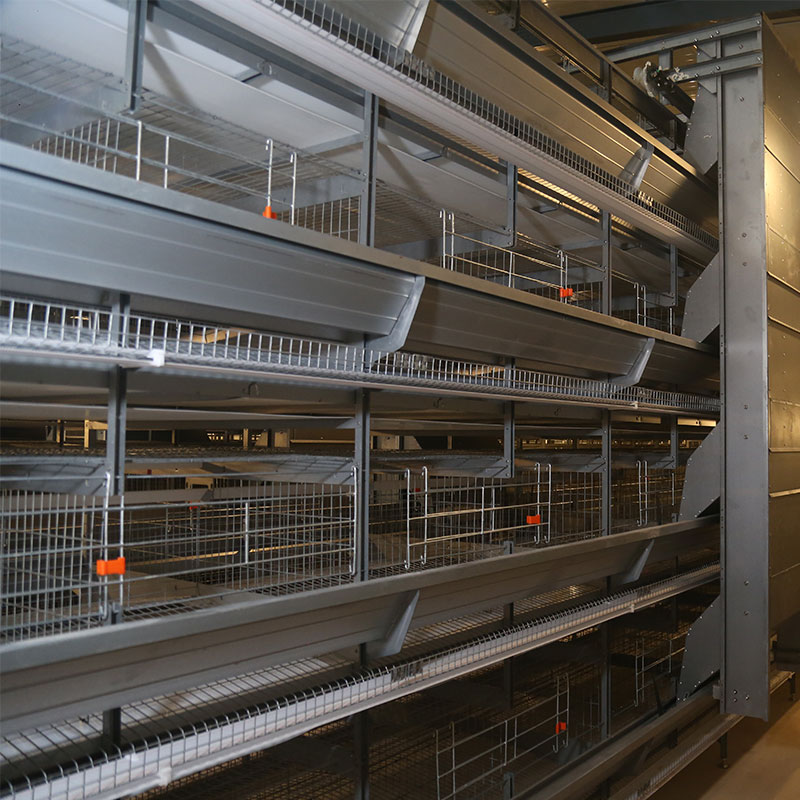
1. Drinking system include the water pipes, water pressure adjuster, drinking nipples, Waterline front-end device, dosing system etc, choose them according to customer's needs.
2. High-quality water drinking pipes, pressure regulating valves and water drinking nipples can effectively prevent the water leakage. Drinking system adopt the closed piping system, which can minimize the water pollution.
3. 360-degree drinking nipples provide adequate drinking water for poultry at all stages.
4. The automatic drinking water system mainly adopts the steel ball drinking nipple. lt uses imported high-grad stainless steel, POM resin, and APS engineering material, which is wearing resistant, and the durability can be used for long time.



1. Automatic feeding machine can be chosen between gantry and ladder feeding machine. Gantry type feeding machine is a relatively economical and practical machine with simple operation, remote control walking character, easy to manage.
2. Mechanical transmission device running smoothly, low noise, long service life.
3. With the use of automatic control, the feeding system can adjust the amount of material.
4. Feeding with arched structure, high carrying capacity, not easily deformed.
5. Saving man power, saving feed, greatly improving the efficiency of Large-scale farming.
6. The walking speed of gantry feeding machine is 9--12 m/min.




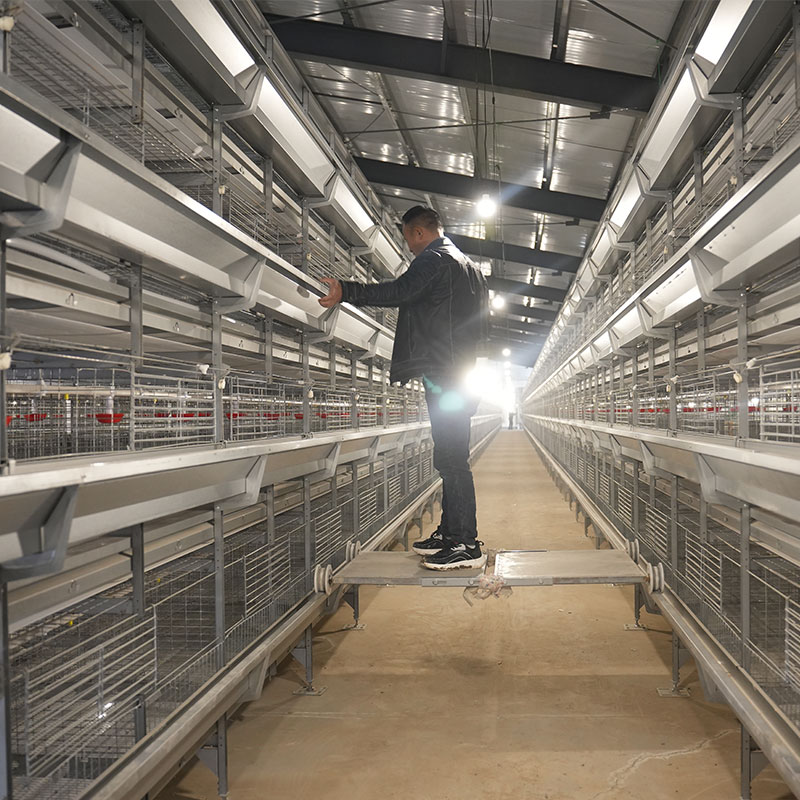
1. Manure removing system included scraper type and conveyor belt type, Which can reduce the labor intensity and labor cost, keep the chicken shed dry and clean.
2. A type chicken cage can use scraper type or conveyor belt type.


3. The scraper type is suitable for A type cages, which can clean two or three rows. For the starters, this type is a good choice. lt can not only save some labor cost, but also save some investment in the whole project. The cleaning speed is 6-10 meters per minute.
4. Conveyor belt type is more suitable for large scale farming. The manure removing belt we use is high quality PP material (polypropylene). The walking speed is 2-4 meters per minute.



High Quality Pellets Made by Mobile Pellet Machine
1. It has professional designed angle of the blade. After the dynamic balance test one by one, the blade can operate smoothly.
2. The air volume is consistent in the whole life of the fan. Bearings has advantage of high strength, low noise, durable and so on.
1. The cooling pads uses high-quality wet curtain paper and adopts space cross-linking technology, which has the advantages of high water absorption, high water resistance, anti-toxicity and long service life.
2. The cooling efficiency is over 80%, without surfactant, natural water absorption, fast diffusion speed and long-lasting effect.
3. The product does not contain phenol and other chemical substances that are easy to cause skin allergies. It is non-toxic and harmless to the human body and chicken when installed and used. It is green, safe, energy-saving, environmentally friendly, economical, and easy to install.
4. The frame aluminum alloy has high strength, good corrosion resistance, durability and beautiful appearance.
5. Use a special filter for the cooling pad at the upper water to ensure clean water quality and support efficient water circulation components.
6. Combined with a negative pressure fan, it can effectively lower the indoor temperature.
The window is made of special selected high-quality engineering plastic, with high strength and long service life, together with superior anti-aging and anti-UV performance.
Function: Ventilation of the chicken house, usually used in the winter.
This system can adjust the wind speed and direction, thus the cold air will not reach chicken directly , which can effectively prevent the phenomenon of cold stress in chicken.
Environmental control system equipment is suitable for large-scale and intensive farming. According to customer requirements, we can provide various types of smart poultry equipment.
1. Our poultry management system is a modular system that manages all aspects of the chicken house, such as climate, temperature, humidity, ammonia, feeding, feed weighing, lighting and ventilation systems, and can monitor the situation of the chicken house in real time through a computer and mobile phone.
2. The management computer is the heart of the poultry farm, allowing you to easily monitor the entire poultry farm.

 WeChat:+8617838608255