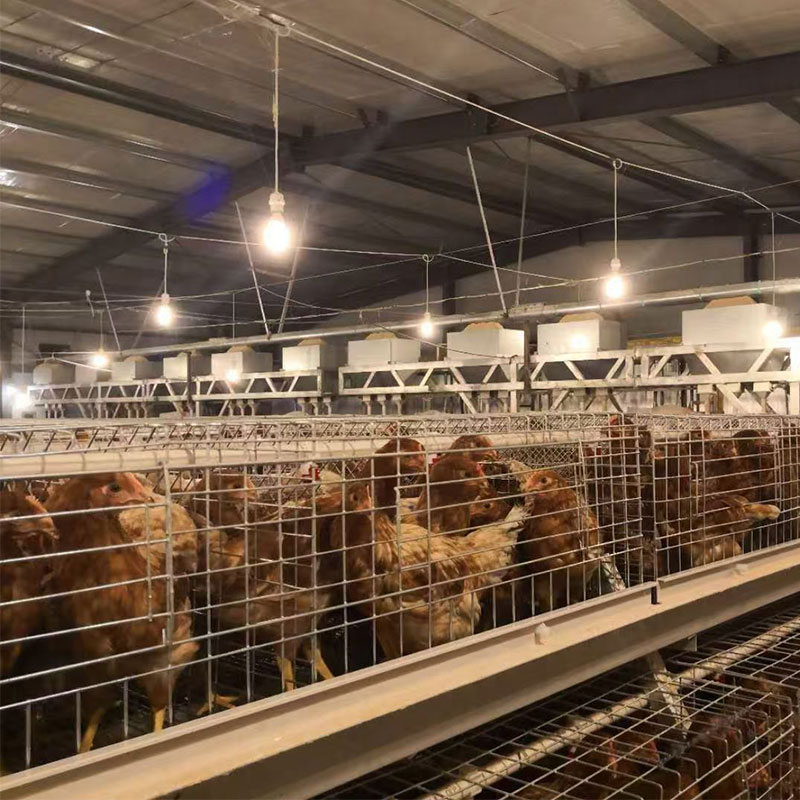
The morning sun catches frost on the grass, and a chorus of concerned clucks rises from the flock. They are dry, housed in a structure that breathes with them, its wooden walls holding the day’s residual warmth against the creeping chill. For the poultry farmer prioritizing animal welfare and product quality, the choice of housing is paramount. The outdoor wooden chicken coop represents more than a shelter; it is a managed ecosystem that directly influences flock health, egg integrity, and operational efficiency.
The Foundation: Wood as a Living Material

Unlike inert metals or plastics, wood is a hygroscopic material. It interacts with the coop's environment. On a humid afternoon, the timber absorbs excess moisture from the air, and during the drier night, it slowly releases that moisture. This natural buffering action prevents the sharp humidity spikes common in sealed, non-breathing structures where condensation drips from the ceiling, creating damp litter and chilling birds. A damp environment is a breeding ground for pathogens like E. coli and molds, whose spores can compromise respiratory health. A coop that manages moisture actively works to keep the flock’s air cleaner.
Thermal regulation is another inherent benefit. Wood provides insulative value that steel cannot match. In summer, it reflects and absorbs solar heat, preventing the interior from becoming an oven. In winter, it acts as a barrier against the cold. A hen expends significant energy to maintain her body temperature. In a thin-walled, uninsulated metal shed, she burns more calories to stay warm, calories that could otherwise be directed toward egg production. The wooden coop helps conserve that energy, leading to more consistent laying rates during temperature swings. The structure itself becomes a partner in maintaining the flock's metabolic equilibrium.
Structural Design for Flock Dynamics
A well-designed coop accommodates the natural behaviors and social hierarchy of chickens. The placement and design of the roosting bars are critical. In the wild, chickens seek high ground to sleep, safe from predators. A coop that offers sufficient, appropriately sized roosting space—roughly eight to ten inches of bar per bird—prevents competition and stress at dusk. When birds are crowded on the roost, lower-ranking hens may be forced to sleep in the nesting boxes or on the floor, soiling the bedding and increasing their exposure to parasites and manure.
Nesting boxes should be dark, private, and inviting. A hen seeking to lay an egg is driven by instinct to find a secluded spot. If the nesting boxes are too exposed, bright, or insufficient in number, she may resort to laying eggs on the floor. This leads to floor eggs, which are often dirty, cracked, or become snacks for other chickens. By providing appealing, dimly lit nesting areas, the farmer encourages the hens to lay in a clean, controlled environment. This single design feature drastically reduces the labor involved in egg collection and improves the percentage of saleable, clean eggs.
Ventilation is the circulatory system of the coop. It is not merely a few holes cut in a wall but a deliberate system of inlets and outlets. Warm, moist air produced by the birds’ respiration and manure rises and must be allowed to escape through high vents or a raised ridge along the roof. Cooler, fresher air enters through lower, adjustable vents. This creates a constant, gentle air exchange without creating a draft directly on the birds. A draft on a resting hen is like a constant cold breeze in your home; it forces her to expend energy to stay warm and can lead to health issues. Proper ventilation removes ammonia fumes from manure, replenishes oxygen, and keeps the bedding drier, directly impacting air quality and combating respiratory ailments.
The Outdoor Run: Managed Foraging and Enrichment
The value of the coop is extended by the run. This secure outdoor space is not a luxury but a core component of a welfare-centered system. It provides an arena for natural behaviors that are impossible to replicate indoors. Chickens are hardwired to forage—to scratch at the ground, peck at insects, and take dust baths. A hen that spends her day engaged in these activities is a less-stressed, more content bird. Boredom in confined flocks can lead to negative behaviors like feather pecking and cannibalism. The run, with its varied terrain and access to sunshine, acts as a behavioral outlet that promotes flock calm.
Sunlight exposure is a powerful management tool. Direct sunlight allows the birds to synthesize Vitamin D3, which is crucial for calcium metabolism. A hen with strong Vitamin D levels utilizes dietary calcium more efficiently, leading to stronger eggshells. You can see the difference in the egg basket: a brown egg from a sun-exposed hen often has a deeper, richer color and a shell that is less prone to hairline cracks during collection and washing.
Managing the ground within the run is an active process. Without rotation, a high-density flock will quickly turn a green space into a barren, muddy patch. This mud can harbor parasites and bacteria. Implementing a rotational system, where the flock is moved to fresh ground periodically, prevents this. It allows previously used areas to recover, breaks parasite cycles, and gives the birds constant access to fresh forage. For stationary runs, regularly adding carbon-based materials like straw, wood chips, or fallen leaves can help absorb moisture and provide a clean surface for the birds to scratch in.
Operational Management and Biosecurity
The choice of a wooden structure influences daily routines and long-term health planning. The deep litter method is a natural fit. This involves regularly adding a new layer of carbon-rich bedding material—such as pine shavings or straw—on top of the old. The hens naturally turn the bedding as they scratch, and the manure, combined with the carbon, begins to compost directly in the coop. This process generates heat, providing a gentle warmth to the floor in winter. More importantly, the microbial activity in a properly maintained deep litter bed outcompetes and suppresses pathogenic bacteria, creating a more sanitary environment. A well-managed litter bed should have a loose, earthy smell, not a sharp ammonia odor.
Manure management is simplified. The solid construction and defined space make it easy to implement a cleaning schedule. A complete clean-out might be necessary only once or twice a year, at which point the nitrogen-rich, composted litter and manure can be removed and applied directly to fields or gardens as a potent, slow-release fertilizer. This turns a waste product into a valuable farm resource.
Biosecurity begins at the coop door. A permanent, elevated wooden coop allows for the establishment of a "clean area" and a "dirty area." The interior of the coop is the clean area. Placing a footbath filled with a disinfectant solution at the entrance is a simple, effective practice. Anyone entering to tend to the birds or collect eggs steps through it, preventing the tracking of pathogens from the outside. Feed and waterers should be positioned to minimize contamination. Hanging feeders prevent birds from scratching bedding and manure into their food, and nipple drinker systems keep water clean, unlike open troughs which can become reservoirs for algae and bacteria.
Predator proofing is non-negotiable. The perceived vulnerability of a wooden structure is addressed through robust construction. Hardware cloth, a sturdy welded wire mesh, is essential. It should be used to cover all openings, including ventilation spaces, and should be buried at least a foot into the ground around the perimeter of the outdoor run to deter diggers like foxes and raccoons. Latches on doors should be of a type that intelligent animals like raccoons cannot manipulate. A simple hook-and-eye latch is insufficient; a sliding bolt or a double-action latch is far more secure. The peace of mind that comes from knowing the flock is safe at night is invaluable.
Longevity and Economic Considerations
The initial investment in a quality wooden coop is often higher than for a flimsy, mass-produced alternative. However, this must be evaluated against its lifespan and the tangible returns it generates. A coop built from durable, rot-resistant lumber like cedar or properly treated pine, and maintained with periodic applications of a non-toxic sealant, can serve a farm for fifteen to twenty years or more. This is a multi-generational asset for a flock.
The return on investment is measured in the health of the flock and the quality of the product. Healthier birds require fewer veterinary interventions and have lower mortality rates. Less-stressed birds with access to forage and sunlight lay eggs with stronger shells and richer yolks. In a direct-to-consumer market, these qualitative differences are immediately apparent to customers and can justify a premium price, turning a housing cost into a marketing advantage. The eggs themselves become a testament to the system in which they were produced.
The wooden coop is not a static piece of equipment but the central hub of a dynamic farming approach. Its material properties work in concert with the flock’s biology. Its design dictates daily behaviors and long-term health outcomes. From the quality of the morning’s egg collection to the security of the flock at night, every aspect of poultry management is touched by the choice of housing. It is a decision that pays dividends in flock vitality, operational resilience, and ultimately, in the quality of the food brought to the table.
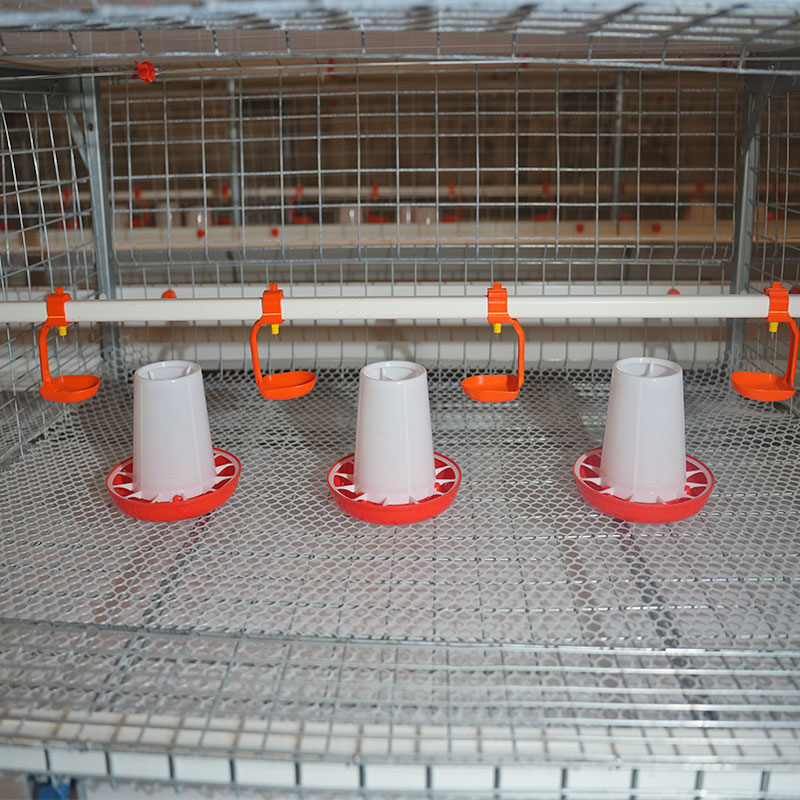
1. Drinking system include the water pipes, water pressure adjuster, drinking nipples, Waterline front-end device, dosing system etc, choose them according to customer's needs.
2. High-quality water drinking pipes, pressure regulating valves and water drinking nipples can effectively prevent the water leakage. Drinking system adopt the closed piping system, which can minimize the water pollution.
3. 360-degree drinking nipples provide adequate drinking water for poultry at all stages.
4. The automatic drinking water system mainly adopts the steel ball drinking nipple. lt uses imported high-grad stainless steel, POM resin, and APS engineering material, which is wearing resistant, and the durability can be used for long time.



1. Automatic feeding machine can be chosen between gantry and ladder feeding machine. Gantry type feeding machine is a relatively economical and practical machine with simple operation, remote control walking character, easy to manage.
2. Mechanical transmission device running smoothly, low noise, long service life.
3. With the use of automatic control, the feeding system can adjust the amount of material.
4. Feeding with arched structure, high carrying capacity, not easily deformed.
5. Saving man power, saving feed, greatly improving the efficiency of Large-scale farming.
6. The walking speed of gantry feeding machine is 9--12 m/min.




1. Manure removing system included scraper type and conveyor belt type, Which can reduce the labor intensity and labor cost, keep the chicken shed dry and clean.
2. A type chicken cage can use scraper type or conveyor belt type.


3. The scraper type is suitable for A type cages, which can clean two or three rows. For the starters, this type is a good choice. lt can not only save some labor cost, but also save some investment in the whole project. The cleaning speed is 6-10 meters per minute.
4. Conveyor belt type is more suitable for large scale farming. The manure removing belt we use is high quality PP material (polypropylene). The walking speed is 2-4 meters per minute.



High Quality Pellets Made by Mobile Pellet Machine
1. It has professional designed angle of the blade. After the dynamic balance test one by one, the blade can operate smoothly.
2. The air volume is consistent in the whole life of the fan. Bearings has advantage of high strength, low noise, durable and so on.
1. The cooling pads uses high-quality wet curtain paper and adopts space cross-linking technology, which has the advantages of high water absorption, high water resistance, anti-toxicity and long service life.
2. The cooling efficiency is over 80%, without surfactant, natural water absorption, fast diffusion speed and long-lasting effect.
3. The product does not contain phenol and other chemical substances that are easy to cause skin allergies. It is non-toxic and harmless to the human body and chicken when installed and used. It is green, safe, energy-saving, environmentally friendly, economical, and easy to install.
4. The frame aluminum alloy has high strength, good corrosion resistance, durability and beautiful appearance.
5. Use a special filter for the cooling pad at the upper water to ensure clean water quality and support efficient water circulation components.
6. Combined with a negative pressure fan, it can effectively lower the indoor temperature.
The window is made of special selected high-quality engineering plastic, with high strength and long service life, together with superior anti-aging and anti-UV performance.
Function: Ventilation of the chicken house, usually used in the winter.
This system can adjust the wind speed and direction, thus the cold air will not reach chicken directly , which can effectively prevent the phenomenon of cold stress in chicken.
Environmental control system equipment is suitable for large-scale and intensive farming. According to customer requirements, we can provide various types of smart poultry equipment.
1. Our poultry management system is a modular system that manages all aspects of the chicken house, such as climate, temperature, humidity, ammonia, feeding, feed weighing, lighting and ventilation systems, and can monitor the situation of the chicken house in real time through a computer and mobile phone.
2. The management computer is the heart of the poultry farm, allowing you to easily monitor the entire poultry farm.

 WeChat:+8617838608255