The midday sun beats down on the north pasture, but the flock of fifty hens remains content, their feathers ruffled by a steady breeze. Just last week, this same group was foraging in the south-facing valley, enriching the soil and feasting on a fresh crop of insects. This is the reality for a growing number of poultry farmers who have embraced mobility not as a luxury, but as a fundamental shift in their operational strategy. Portable poultry equipment, encompassing everything from fully enclosed coops on wheels to modular cage systems and mobile range shelters, is redefining what it means to manage a flock efficiently, humanely, and profitably.
The Core Principle: Working With the Land, Not Against It
At its heart, portable poultry farming is about mimicking natural patterns. In the wild, birds are not stationary; they move across the landscape to find fresh food, avoid predators, and prevent the buildup of disease in their resting areas. Stationary coops, by their very nature, concentrate these negative factors. A fixed run becomes a barren patch of mud, a breeding ground for parasites, and a repository for manure that can reach toxic levels.
A portable coop, whether a simple A-frame tractor or a larger trailer-style unit, reverses this dynamic. By moving the birds to a new patch of ground every day or two, you are essentially employing a high-intensity, short-duration grazing system. The birds perform a valuable service: they till the soil lightly with their claws, fertilize it with their droppings, and consume weed seeds and pests. A farmer who rotates his broilers behind his cattle sees them break up the manure patties, control fly larvae, and evenly distribute the nutrient-rich cow manure, all while gaining a significant portion of their diet from the process. This is a closed-loop system that reduces feed costs and improves pasture health simultaneously.
For egg layers, this constant access to fresh forage and insects doesn't just reduce feed bills; it directly impacts product quality. The yolks of pastured eggs are consistently darker and richer in omega-3 fatty acids, a tangible quality that commands a premium at the farmers' market. The system works for the farmer, the flock, and the land.
Design and Durability: What to Look For in Mobile Infrastructure
Not all portable equipment is created equal. The choice between different designs hinges on flock size, primary purpose (meat birds vs. layers), terrain, and the farmer's own capacity for manual labor.
The A-Frame Tractor is a classic, lightweight design ideal for smaller flocks of 10-30 birds. Its sloped roof sheds rain and makes it easy to lift and drag by hand. However, its low height can make interior access for cleaning or egg collection a back-straining task. A common modification is adding larger, pneumatic wheels to the front to make moving over rough ground less arduous.
The Chickshaw or Quonset Hut style, with its rounded roof, offers more headroom. This design is excellent for layers, as it allows for the installation of internal nest boxes that are easily accessible from the outside. The arched structure is also inherently strong, able to bear snow loads better than a flat roof. Many models are designed to be hitched to a garden tractor or ATV, moving the chore from a strenuous pull to a simple drive.
For larger operations, Trailer-Based Coops are the workhorses. Built on a steel trailer chassis with full-sized tires, these units can house 50 to 200 birds and are moved exclusively with a tractor or truck. Their scale allows for sophisticated internal layouts: automated watering lines suspended from the ceiling, roll-out nest box banks, and roosting bars that span the entire width. Because they are never manually lifted, they can be built from heavier materials like plywood and corrugated metal, offering superior insulation and predator resistance. One farmer in a region with harsh winters uses a trailer coop with insulated walls and a small, solar-powered vent fan, allowing her to overwinter her heritage breed flock on pasture without supplemental heat, saving thousands on barn construction.
The materials matter immensely. Pressure-treated lumber should be avoided where birds can peck at it. Cedar is a popular choice for its natural resistance to rot and insects. Hardware cloth—a sturdy, welded wire mesh—is non-negotiable for predator protection. Chicken wire is only a deterrent; a determined raccoon can rip it apart in seconds. The hardware cloth should be attached to a robust wooden frame and, in high-predation areas, even buried around the perimeter or equipped with an electrified poultry netting fence.
The Role of Portable Cages and Pens
Beyond the full-service coop, a suite of smaller portable equipment plays a critical role in daily management. These are the tools that provide flexibility.
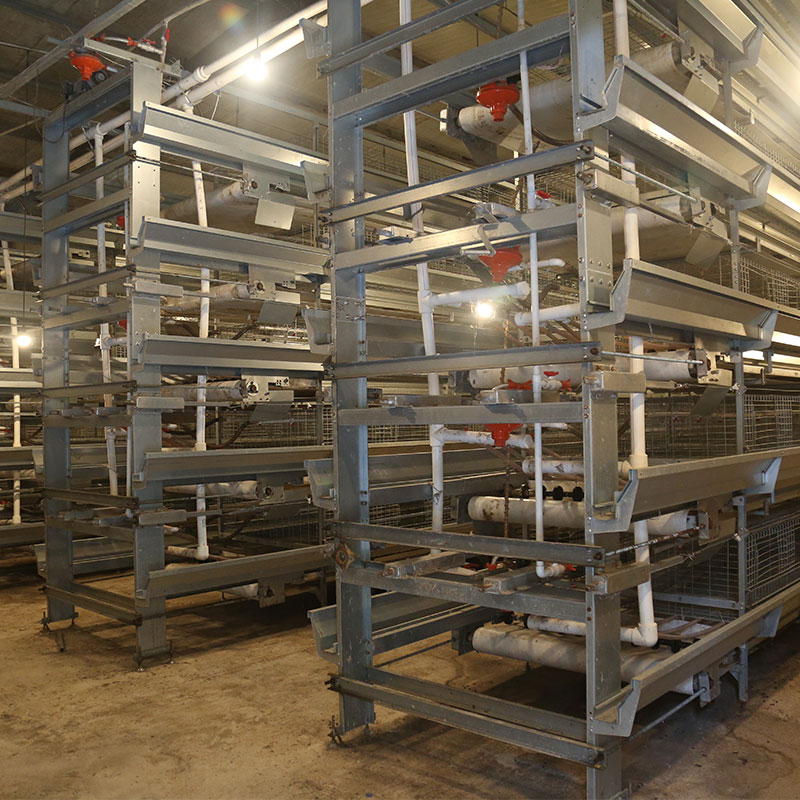
Brooder Pens are the starting point. A simple, multi-level cage system on wheels allows a farmer to keep young chicks safe and under a heat lamp while being easily moved around a barn or garage to keep their environment clean. As the chicks grow, they can be moved to a "transition" pen—a larger cage that can be placed on grass for short periods, acclimating them to the outdoors before joining the main flock.
Hospital and Isolation Cages are perhaps the most underrated pieces of portable equipment. When a bird is injured or showing signs of illness, removing it from the main flock is the first and most crucial step. A small, well-ventilated cage that can be placed in a quiet, sheltered location allows for treatment without stress and prevents the spread of disease. It’s a simple tool that can save an individual bird and protect the health of the entire enterprise.
Processing Cones and Stations represent the final, and most difficult, aspect of poultry farming. A mobile processing setup—a trailer or wagon equipped with killing cones, scalding tanks, and plucking machines—brings the facility to the birds. This eliminates the stress of transporting live birds over long distances and centralizes a messy but essential task. For a farmer processing one hundred broilers every eight weeks, a well-designed mobile station can cut processing time in half and dramatically improve the consistency and quality of the final product.
Integrating Technology into a Mobile System
The image of portable poultry farming might seem rustic, but it is entirely compatible with modern agricultural technology. The primary challenge of a mobile system is providing consistent water and feed without daily manual labor. This is where innovation shines.
Nipple watering systems are the gold standard. A central water reservoir, such as a 55-gallon drum, is mounted on the coop. From this, a PVC pipe line runs the length of the interior, fitted with stainless steel nipples. Birds learn to peck at these nipples to release a drop of water. This system keeps water clean, prevents spillage, and can be gravity-fed, requiring no electricity. For larger trailer coops, a pressurized system using a 12-volt RV pump and a solar panel allows for longer water lines and more birds.

Feeding solutions have also evolved. While simple hanging feeders are common, treadle feeders are gaining popularity. These are larger, hopper-style feeders with a platform that the bird must step on to open the lid. This prevents wild birds and rodents from accessing the feed, a significant source of loss and disease transmission. A treadle feeder mounted inside a mobile coop can hold several days' worth of feed, further reducing daily chores.
Electrification is the final layer. A small, 20-watt solar panel is enough to power an automatic door opener on a mobile coop. This door can be programmed to open at dawn and close at dusk, protecting the flock from nocturnal predators and freeing the farmer from a rigid schedule. The same solar setup can power a low-voltage electric fence, creating a movable fortress that protects the flock from everything from foxes to stray dogs during the day.
Economic and Management Considerations
Adopting a portable system requires an upfront investment. A well-built, predator-proof coop for fifty layers can represent a significant cost. However, this cost must be weighed against the avoided expenses of a permanent structure: the concrete foundation, the labor of construction, and the long-term degradation of the land it sits on.
The return on investment manifests in several ways. The most direct is feed savings. When birds are on fresh pasture daily, their consumption of commercial pellets can drop by 15-25%. For a 100-bird layer flock, this can translate to hundreds of dollars saved per year. Indirect savings come from improved bird health. Lower stocking density and constant movement away from their manure drastically reduces the parasite load and the incidence of respiratory diseases, minimizing veterinary costs and mortality rates.
Furthermore, the product itself can command a higher price. "Pasture-Raised" is a specific and verifiable label that resonates with consumers. Eggs and meat from a truly mobile system have a story and a quality that can be marketed directly, allowing the farmer to capture more of the retail dollar.
From a labor perspective, the system reallocates effort. The daily chore of moving a coop takes only a few minutes, but it eliminates the weekly, back-breaking chore of mucking out a deep litter system in a stationary coop. The manure is managed in place, by the birds themselves and the natural cycle of decomposition in the field. This is time saved that can be redirected to marketing, customer relations, or other farm enterprises.
The limitations are real. Portable systems are less suited to giant, industrial-scale operations where tens of thousands of birds are managed. They work best for small to mid-scale farms where the connection between land, animal, and consumer is a core value. Weather can be a challenge; moving heavy equipment in deep mud is impractical, requiring a well-planned winter strategy, often involving a sacrifice area or a more stationary setup for the coldest months.
Ultimately, portable poultry equipment is more than just a set of tools for sale; it is the physical infrastructure for a different kind of agriculture. It enables a system where animal welfare is enhanced by their environment, where soil health is built rather than depleted, and where the farmer’s role shifts from constant input and waste management to a facilitator of natural processes. It is a practical, profitable, and sustainable path forward for the modern poultry farmer.
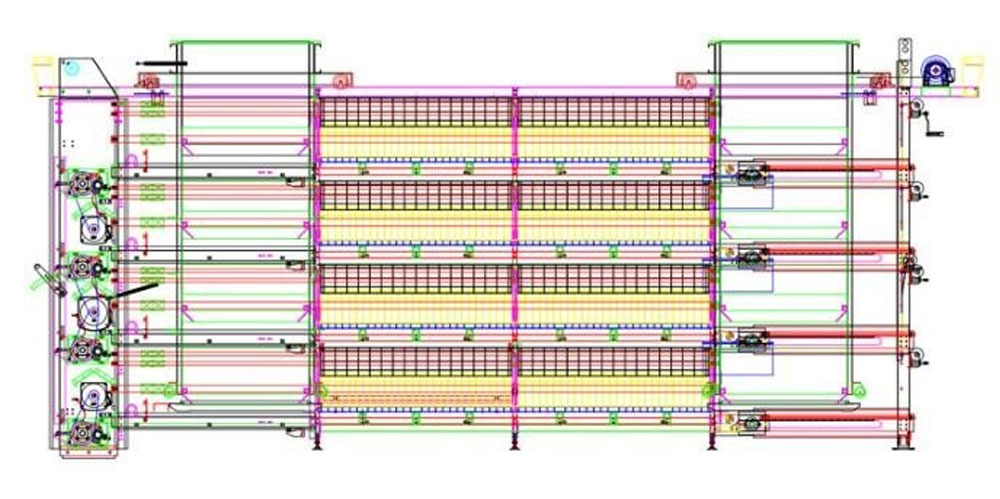
1. Drinking system include the water pipes, water pressure adjuster, drinking nipples, Waterline front-end device, dosing system etc, choose them according to customer's needs.
2. High-quality water drinking pipes, pressure regulating valves and water drinking nipples can effectively prevent the water leakage. Drinking system adopt the closed piping system, which can minimize the water pollution.
3. 360-degree drinking nipples provide adequate drinking water for poultry at all stages.
4. The automatic drinking water system mainly adopts the steel ball drinking nipple. lt uses imported high-grad stainless steel, POM resin, and APS engineering material, which is wearing resistant, and the durability can be used for long time.



1. Automatic feeding machine can be chosen between gantry and ladder feeding machine. Gantry type feeding machine is a relatively economical and practical machine with simple operation, remote control walking character, easy to manage.
2. Mechanical transmission device running smoothly, low noise, long service life.
3. With the use of automatic control, the feeding system can adjust the amount of material.
4. Feeding with arched structure, high carrying capacity, not easily deformed.
5. Saving man power, saving feed, greatly improving the efficiency of Large-scale farming.
6. The walking speed of gantry feeding machine is 9--12 m/min.




1. Manure removing system included scraper type and conveyor belt type, Which can reduce the labor intensity and labor cost, keep the chicken shed dry and clean.
2. A type chicken cage can use scraper type or conveyor belt type.


3. The scraper type is suitable for A type cages, which can clean two or three rows. For the starters, this type is a good choice. lt can not only save some labor cost, but also save some investment in the whole project. The cleaning speed is 6-10 meters per minute.
4. Conveyor belt type is more suitable for large scale farming. The manure removing belt we use is high quality PP material (polypropylene). The walking speed is 2-4 meters per minute.



High Quality Pellets Made by Mobile Pellet Machine
1. It has professional designed angle of the blade. After the dynamic balance test one by one, the blade can operate smoothly.
2. The air volume is consistent in the whole life of the fan. Bearings has advantage of high strength, low noise, durable and so on.
1. The cooling pads uses high-quality wet curtain paper and adopts space cross-linking technology, which has the advantages of high water absorption, high water resistance, anti-toxicity and long service life.
2. The cooling efficiency is over 80%, without surfactant, natural water absorption, fast diffusion speed and long-lasting effect.
3. The product does not contain phenol and other chemical substances that are easy to cause skin allergies. It is non-toxic and harmless to the human body and chicken when installed and used. It is green, safe, energy-saving, environmentally friendly, economical, and easy to install.
4. The frame aluminum alloy has high strength, good corrosion resistance, durability and beautiful appearance.
5. Use a special filter for the cooling pad at the upper water to ensure clean water quality and support efficient water circulation components.
6. Combined with a negative pressure fan, it can effectively lower the indoor temperature.
The window is made of special selected high-quality engineering plastic, with high strength and long service life, together with superior anti-aging and anti-UV performance.
Function: Ventilation of the chicken house, usually used in the winter.
This system can adjust the wind speed and direction, thus the cold air will not reach chicken directly , which can effectively prevent the phenomenon of cold stress in chicken.
Environmental control system equipment is suitable for large-scale and intensive farming. According to customer requirements, we can provide various types of smart poultry equipment.
1. Our poultry management system is a modular system that manages all aspects of the chicken house, such as climate, temperature, humidity, ammonia, feeding, feed weighing, lighting and ventilation systems, and can monitor the situation of the chicken house in real time through a computer and mobile phone.
2. The management computer is the heart of the poultry farm, allowing you to easily monitor the entire poultry farm.

 WeChat:+8617838608255