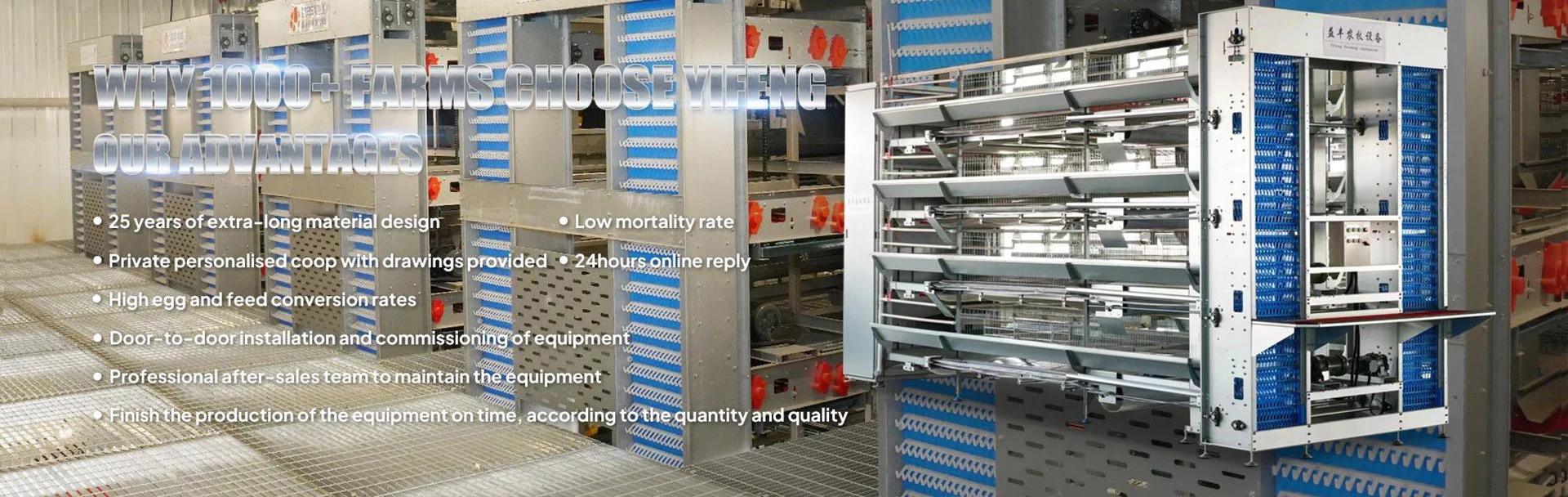
The Ultimate Guide to Poultry Cage Manufacturers in Ghana: Quality, Suppliers & How to Choose
Ghana's poultry industry is a cornerstone of its agricultural sector and food security. As the demand for eggs and poultry meat continues to rise, driven by population growth and urbanization, farmers are increasingly turning to modern, efficient farming systems. At the heart of this modernization is the poultry cage. Choosing the right poultry cage manufacturer in Ghana is not just a purchase; it's a critical investment in the productivity, animal welfare standards, and longterm profitability of your farm. This comprehensive guide is designed for both aspiring and established poultry farmers, providing an indepth look at the landscape of cage manufacturing in Ghana. We'll explore the key players, essential factors for selection, and industry insights to help you make an informed decision that aligns with your operational goals and budget.
The market for poultry equipment in Ghana has evolved significantly. From simple, locally welded structures to sophisticated, automated systems, manufacturers are responding to the needs of a dynamic industry.
The Shift to Modernization: Traditional deeplitter systems are giving way to battery cage systems, especially for layers (egg production), due to their space efficiency, ease of manure management, and improved bird health control. This shift creates a robust demand for reliable cage manufacturers.
Local Production vs. Importation: A key aspect of the market is the balance between locally manufactured cages and imported ones. Local poultry cage manufacturers in Ghana offer significant advantages:
CostEffectiveness: Generally lower prices due to reduced shipping and import duty costs.
Customization: Ability to tailor designs to specific farm layouts and requirements.
Faster Delivery & Support: Proximity allows for quicker installation and easier access to aftersales service.
Economic Contribution: Supports local industries and jobs.
Imported cages (often from China, Europe, or neighboring countries) may offer advanced automation but at a higher cost and with potential logistical challenges for parts and support.
Selecting a manufacturer requires careful evaluation beyond just price. Consider these critical EEATaligned factors:
Galvanization: The single most important feature. Cages should be made from heavygauge, hotdipped galvanized steel wire. This prevents rust—a major issue in Ghana's climate—ensuring longevity (often 10+ years). Avoid mild steel or poorly galvanized wire.
Wire Gauge & Strength: Thicker wire (lower gauge number) provides better durability. Floor wire must be strong enough to support bird weight without sagging.
Welding Quality: Spot welds should be even, firm, and smooth to prevent injury to birds and snagging of feathers.
Space Allowance: Design should comply with or exceed recommended stocking densities for bird health and productivity.
Egg RollOut System: A smooth, gentle slope ensures eggs roll cleanly to the collection tray without cracking.
Manure Management: Welldesigned manure deflectors and sufficient clearance between tiers allow for effective drying and easy cleaning.
Feeding & Drinking Systems: Compatibility with nipple drinkers or troughs and feeder lines is essential.
Portfolio & References: A reputable manufacturer will have a list of client farms you can visit or contact.
Industry Longevity: Companies with years of operation have likely refined their designs based on farmer feedback.
Technical Knowledge: They should advise you on stocking density, house layout, and ventilation requirements.
This is where many suppliers fall short. Your chosen manufacturer should offer:
Installation supervision or guidance.
Warranty on materials and workmanship.
Availability of spare parts (like door latches, feeding troughs).
Responsiveness for troubleshooting.
No two farms are identical. Can the manufacturer adjust bay lengths, tier heights (e.g., 3tier vs. 4tier), or incorporate specific accessories?
| Type | Best For | Key Features | Pros | Cons |
| : | : | : | : | : |
| Layer Battery Cages | Egg production (Layers) | Multiple tiers (36), egg rollout trays, manure belts/droppings boards. | High space efficiency, easy egg collection, improved hygiene. | Higher initial investment than deep litter. |
| Broiler Cages | Meat production (Broilers) | Stronger floor wire, designed for heavier birds, good ventilation. | Can improve feed conversion ratio (FCR), better disease control. | Less common than floor systems; requires careful management. |
| Pullet/Rearing Cages | Growing chicks before transfer to layer cages | Smaller compartments often with plastic floors initially .| Prepares birds for caged environment efficiently .| Extra equipment needed before main production phase .|
| Breeder Cages | Parent stock for hatching eggs | Designed for natural mating or artificial insemination .| Controlled breeding , easy egg collection .| Specialized use , not for commercial egg/meat .|
(Note: This list is based on industry presence and farmer recognition.)
1.AgriPro Limited: A major player known for supplying full turnkey poultry projects including highquality galvanized cages sourced from reputable international partners as well as supporting local fabrication where needed .
2.Amrahia Farm Equipment Ltd.: Specializes in manufacturing various agricultural equipment including robust poultry cages tailored specifically towards mediumtolarge scale farms across West Africa .
3.Dizengoff Ghana Ltd.: While known broadly as an agriculture input supplier they also provide complete housing solutions which include sourcing durable caging systems suitable under local conditions .
4.Local Fabricators/Welders: Numerous skilled metal workshops across regions like Kumasi Accra Tamale etc., can fabricate cages according specifications provided by farmer using quality materials supplied directly by them ensuring affordability albeit requiring close supervision during construction process .
Important Due Diligence Tip: Always request physical samples visit existing installations if possible before placing any large order regardless how prominent supplier appears online .

1.Needs Assessment: Determine your flock size bird type budget constraints available shed dimensions etc.,
2.Request Quotations: Contact at least three different manufacturers providing them same detailed specifications so comparisons become meaningful,
3.Site Visit By Supplier: Encourage potential suppliers inspect your proposed location give contextual advice,
4.Evaluate Proposals Holistically: Don’t just pick cheapest option weigh quality warranty service reputation equally,
5.Contract Clarity: Ensure delivery timeline payment terms installation responsibilities warranty details clearly stated within agreement signed,
6.Supervise Installation Closely: Be present during setup ensure adherence design specifications proper assembly techniques used throughout entire process,
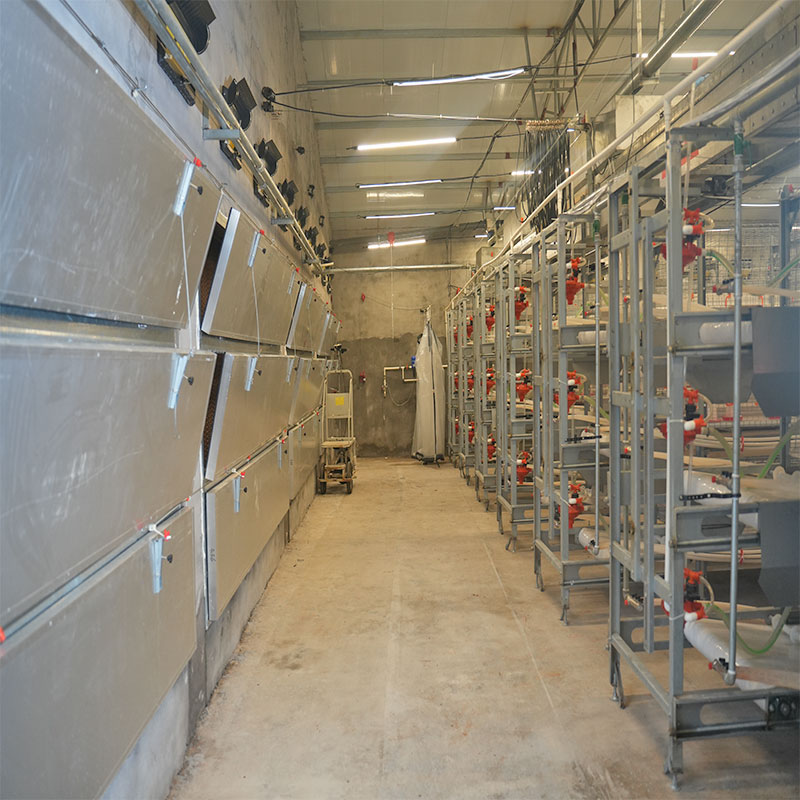
Investing in poultry cages from a reputable manufacturer within Ghana represents strategic step towards building resilient profitable farming enterprise capable meeting growing national demand sustainably over long term period ahead us today tomorrow alike! By prioritizing material quality design suitability aftersales support alongside cost considerations you position yourself success within competitive marketplace where efficiency animal welfare go handinhand ultimately determining bottom line results achieved year after year consistently without fail!
Q1: What is the average cost of a layer battery cage system in Ghana?
A: Costs vary widely based on tier number automation level material quality etc., but basic manually operated threetier system could range between GHS 50 GHS 80 per bird space excluding feed water systems installation fees always request itemized quotation breakdown avoid hidden charges later down line!
Q2: How long do galvanized poultry cages typically last?
A: Properly manufactured hotdipped galvanized steel cages maintained adequately can last upwards ten fifteen years even within humid coastal climates whereas poorly galvanized alternatives might start rusting within just couple years rendering them unsafe unproductive quickly!
Q3: Can I get automated feeding systems from local manufacturers?
A: While some larger companies may offer semiautomated solutions fully automated feeding egg collection systems often imported however many local fabricators can integrate basic manual efficient designs perfectly suitable majority mediumscale operations across country today!
Q4: What’s better – imported cages or locally made ones?
A: Both have pros cons imported may offer advanced tech but expensive repair parts delayed availability local provide cost customization faster service support crucial during emergencies best approach might involve hybrid using highquality local fabrication proven design principles!
Q5: How do I maintain my poultry cages?
A: Regular inspection tightening loose bolts wires cleaning manure buildup disinfecting between flocks ensuring drinkers feeders aligned properly preventing corrosion through prompt repair scratches damaged coating essential routine maintenance schedule prolong lifespan significantly!
Q6:What government regulations exist regarding cage standards animal welfare ?
A:Ghana currently developing stricter guidelines under Veterinary Services Directorate Ministry Food Agriculture though specific legislation battery cages limited general animal welfare principles apply always aim exceed minimum standards ensure healthy productive flock positive public perception your farm brand overall !
Q7:What size cage do recommend per layer hen ?
A:A commonly accepted standard commercial layer battery provides approximately square inches floor space per hen though modern welfareinfluenced designs increasing this amount consult manufacturer determine optimal density based breed type climate conditions prevailing your area specifically !
Q8:What questions should ask manufacturer before buying ?
A:What gauge thickness galvanization process used ?
Can provide references nearby farms using your products ?
What warranty offered what does cover exactly ?
Do assist installation supply spare parts readily when needed ?
Can customize dimensions suit my existing building layout constraints effectively !
By addressing these fundamental concerns thoroughly you'll establish strong foundation successful partnership right manufacturer ultimately leading enhanced operational outcomes sustainable growth trajectory future ahead confidently assuredly indeed!
1. Drinking system include the water pipes, water pressure adjuster, drinking nipples, Waterline front-end device, dosing system etc, choose them according to customer's needs.
2. High-quality water drinking pipes, pressure regulating valves and water drinking nipples can effectively prevent the water leakage. Drinking system adopt the closed piping system, which can minimize the water pollution.
3. 360-degree drinking nipples provide adequate drinking water for poultry at all stages.
4. The automatic drinking water system mainly adopts the steel ball drinking nipple. lt uses imported high-grad stainless steel, POM resin, and APS engineering material, which is wearing resistant, and the durability can be used for long time.



1. Automatic feeding machine can be chosen between gantry and ladder feeding machine. Gantry type feeding machine is a relatively economical and practical machine with simple operation, remote control walking character, easy to manage.
2. Mechanical transmission device running smoothly, low noise, long service life.
3. With the use of automatic control, the feeding system can adjust the amount of material.
4. Feeding with arched structure, high carrying capacity, not easily deformed.
5. Saving man power, saving feed, greatly improving the efficiency of Large-scale farming.
6. The walking speed of gantry feeding machine is 9--12 m/min.




1. Manure removing system included scraper type and conveyor belt type, Which can reduce the labor intensity and labor cost, keep the chicken shed dry and clean.
2. A type chicken cage can use scraper type or conveyor belt type.


3. The scraper type is suitable for A type cages, which can clean two or three rows. For the starters, this type is a good choice. lt can not only save some labor cost, but also save some investment in the whole project. The cleaning speed is 6-10 meters per minute.
4. Conveyor belt type is more suitable for large scale farming. The manure removing belt we use is high quality PP material (polypropylene). The walking speed is 2-4 meters per minute.



High Quality Pellets Made by Mobile Pellet Machine
1. It has professional designed angle of the blade. After the dynamic balance test one by one, the blade can operate smoothly.
2. The air volume is consistent in the whole life of the fan. Bearings has advantage of high strength, low noise, durable and so on.
1. The cooling pads uses high-quality wet curtain paper and adopts space cross-linking technology, which has the advantages of high water absorption, high water resistance, anti-toxicity and long service life.
2. The cooling efficiency is over 80%, without surfactant, natural water absorption, fast diffusion speed and long-lasting effect.
3. The product does not contain phenol and other chemical substances that are easy to cause skin allergies. It is non-toxic and harmless to the human body and chicken when installed and used. It is green, safe, energy-saving, environmentally friendly, economical, and easy to install.
4. The frame aluminum alloy has high strength, good corrosion resistance, durability and beautiful appearance.
5. Use a special filter for the cooling pad at the upper water to ensure clean water quality and support efficient water circulation components.
6. Combined with a negative pressure fan, it can effectively lower the indoor temperature.
The window is made of special selected high-quality engineering plastic, with high strength and long service life, together with superior anti-aging and anti-UV performance.
Function: Ventilation of the chicken house, usually used in the winter.
This system can adjust the wind speed and direction, thus the cold air will not reach chicken directly , which can effectively prevent the phenomenon of cold stress in chicken.
Environmental control system equipment is suitable for large-scale and intensive farming. According to customer requirements, we can provide various types of smart poultry equipment.
1. Our poultry management system is a modular system that manages all aspects of the chicken house, such as climate, temperature, humidity, ammonia, feeding, feed weighing, lighting and ventilation systems, and can monitor the situation of the chicken house in real time through a computer and mobile phone.
2. The management computer is the heart of the poultry farm, allowing you to easily monitor the entire poultry farm.

 WeChat:+8617838608255