The Ultimate Guide to Layer Chicken Cages: Choosing the Right System for Your Flock
For poultry farmers and homesteaders alike, the decision of how to house layer chickens is one of the most critical choices impacting bird welfare, egg production efficiency, and farm profitability. Poultry cages for layer chickens have evolved significantly from the simple wire boxes of the past. Today, they represent a sophisticated array of systems designed to balance animal health, operational workflow, and economic sustainability. Whether you're managing a largescale commercial operation or a small backyard setup, understanding the nuances of modern cage systems is essential. This comprehensive guide delves deep into the world of layer cages, examining types, benefits, welfare considerations, and key selection factors to empower you with the knowledge needed to make an informed, responsible decision for your flock.
The term "poultry cage" often conjures a single image, but the reality is a spectrum of designs. The primary function remains: to provide a controlled environment that facilitates feeding, watering, egg collection, and manure management while keeping hens safe.
Disease and Parasite Control: Separating birds from their manure drastically reduces exposure to internal parasites (like worms) and bacterial diseases such as avian influenza spread via feces.
Feed Efficiency: Individual or smallgroup feeding minimizes feed wastage from scratching and spoilage, leading to precise nutrition management and lower feed conversion ratios.
Egg Quality and Safety: Eggs roll away from the hen immediately after laying, keeping them cleaner and reducing the risk of cracking or being pecked/eaten (egg eating behavior).
Simplified Management: Cages allow for easy monitoring of individual hen health, feed/water intake, and egg production. Automated systems streamline collection and manure removal.
Predator Protection: A caged system provides a robust physical barrier against predators like foxes, raccoons, rats, and birds of prey.
Choosing the right cage type depends on your scale, budget, labor availability, and animal welfare priorities.
The traditional system where multiple hens are housed in a relatively small wire enclosure.
Structure: Typically arranged in long rows stacked in tiers (35 levels) with manure belts or pits below.
Pros: Highest space efficiency (birds/sq. ft.), lowest cost per bird housed, maximizes egg yield per square foot of barn space.
Cons: Severely restricts natural behaviors (nesting, perching, dustbathing). Facing increasing regulatory bans and consumer rejection due to welfare concerns.
Designed as an evolution of battery cages to address welfare criticisms while retaining some management benefits.
Key Furnishings:
Nesting Area: A secluded box with soft substrate (often artificial turf).
Perches: Raised bars for roosting.
Scratch Area: A litter zone for foraging and dustbathing.
Claw Shorteners.
Pros: Allows expression of more natural behaviors; compliant with emerging welfare legislation (e.g., EU standards); maintains good hygiene and egg safety.
Cons: Higher initial investment than conventional cages; requires more space per hen; litter areas can become soiled if not managed.
Not cages in the traditional sense but complex multitiered structures within a barn. Hens have freedom to move vertically and horizontally.
Structure: Includes platforms, perches, nest boxes accessed by ramps/ladders,and litter floor areas.
Pros: Maximum behavioral freedom indoors; meets "cagefree" market/legal standards; hens can fly,jump,and socialize freely.
Cons: Highest risk of feather pecking/cannibalism requiring beak trimming; more challenging manure management; higher incidence of floor eggs; greater feed wastage; requires skilled stockmanship.
A hybrid model that can be converted between an aviary (doors open) when birds are pullets or during rearing,and an enriched cage system(doors closed) during peak lay for easier management.
Space allowance is legally defined in many regions and crucial for welfare.
| System Type | Typical Space per Hen (US) | Typical Space per Hen (EU Standard) | Key Notes |
| : | : | : | : |
| Conventional Cage | Often 6786 sq.in.(432555 cm²) | Banned since 2012 | Being phased out globally |
| Enriched Cage | ~116 sq.in.(750 cm²) minimum | 750 cm² minimum + furnishings | Per hen space plus shared amenities |
| Aviary/CageFree | Varies (~11.5 sq.ft./hen) | ~9 hens/sq.meter(~1.2 sq.ft./hen)| Total floor space including litter |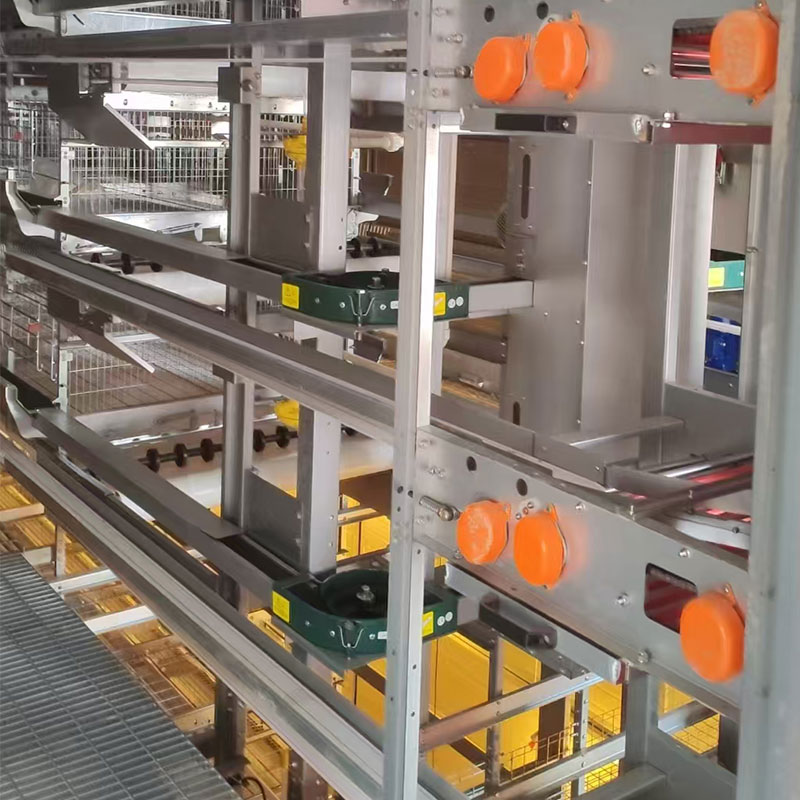
Always consult your local animal welfare codes.
Floor Slope & RollOut: Optimal slope is 78 degrees for eggs to roll gently without cracking into the collection tray.
Wire Gauge & Coating: Heavygauge galvanized wire prevents sagging.PVC coating can reduce bumblefoot incidence but must be durable.
Feeder & Drinker Design: Nipple drinkers with drip cups save water.Trough feeders should allow easy access without head trapping.Linear feeder/water space is critical( e.g.,2cm/bird).
Manure Management: Belt systems removed daily are best for air quality.Pit systems require frequent scraping.Dry manure equals less ammonia.
Modern poultry science emphasizes the "Five Freedoms." A cage system must address:
1. Freedom from Hunger/Thirst: Easy access to fresh water/nutritionally complete feed.
2. Freedom from Discomfort: Appropriate flooring,safe temperature/ventilation.
3. Freedom from Pain/Disease: Design that minimizes injuries(broken claws,wings),easy health checks.
4. Freedom to Express Normal Behavior: The core challenge.Enriched cages aim here by providing nests/perches/scratch areas.
5. Freedom from Fear/Distress: Proper stocking density,predator security,and calm handling protocols.

Investing in a cage system is a major capital decision.A basic breakdown:
Initial Costs:
Cage structure/automation > Barn infrastructure(ventilation,cooling,laying)>Pullets > Installation.
Operational Costs Per Dozen Eggs:
Feed > Labor > Energy/Ventilation > Healthcare/Litter > Egg Handling/Packaging.
Return Factors Influenced by Cage Choice:
HenHoused Egg Production(%): Higher in wellmanaged cages due to lower mortality/disease.
Feed Conversion Ratio(FCR): Typically best in cage systems(~2.02.2 lbs feed/dozen eggs).
Labor Efficiency:Cages/Automation reduce time spent on collection/cleaning vs.floor systems.
Egg GradeOut(%): Fewer cracks/dirty eggs in cages mean more Grade A saleable eggs.
An enriched cage system may have a 1525% higher capital cost than conventional but can offer premium egg pricing(certified humane)and better public perception,aiding longterm ROI.
Selecting poultry cages for layer chickens is no longer a simple choice based solely on maximizing output.It's a complex decision matrix involving ethics,economics,and evolving consumer expectations.The trend is unequivocally moving towards systems that provide greater behavioral freedom—from enriched colonies to aviaries.The optimal system for your farm depends on your market,your values,your labor skill,and your budget.Regardless of type,the cornerstone remains excellent management: meticulous attention to ventilation,nutrition,bird health,and stockmanship.Ultimately,a welldesigned cage operated by a skilled farmer who understands chicken behavior will always outperform a perfect system under poor management.Invest time in planning,focus on birdcentric design,and prioritize daily observation.This approach will ensure not just productivity,but also sustainabilityand resiliencefor your laying operationin theyears ahead.
Q1: Are battery cages illegal?
A1: Laws vary by country.In the European Union.conventional battery cages have been banned since2012.Many U.S.states(like California,Massachusetts)have passed laws phasing them out through ballot measures.Canadais moving towardsa phaseoutby2036.Alwaycheckyourlocaljurisdiction'sregulations.
Q2:Whatis themost humane cagetypefor layers?
A2:"Humane"is debated,but most animalwelfare scientists agree thatenriched(furnished)cagessignificantlyimprovewelfareoverconventionalcagesbyprovidingnesting.perchingandscratchingopportunities.Cagefreeaviariesoffer evenmorebehavioralfreedombutintroducenewwelfarechallengeslikefeatherpecking.The"best"systemdependsonexecutionandmanagementquality.
Q3:Howsmanyhensgointoalayercage?
A3:Itenormouslyvaries.Aconventionalcagemighthouse510hens.Enrichedcolonycagestypicallyhouse4080hensasasocialgroupbutwith muchmorespaceandfurnishingsperbird.Aviariesshelterthousandsinabarnbutarenotcagedindividuals.Followyourlocalwelfarestockdensitylawsastheminimumstandard。
Q4:Dochickensgetstressedincages?
A4:Poorlydesignedorcrowdedcagescancausestressmanifestedasfeatherloss.stereotypicbehavioror reducedimmunity.Modern.wellmanagedenrichedsystemswithappropriatespace.environmentalenrichmentandstable socialgroupscanminimizestress.Boredomandfrustrationarekeyriskstomitigate。
Q5:Whatisthebestfloormaterialforlayercages?
A5:Heavygaugegalvanizedwiremesh(typically16gaor14ga)witha slopefor eggrolloutis standard.PVCcoatedwirecanbesofteronfeetandreducesbumblefootbutmustbeabrasionresistantto preventpeckingdamage.Someenrichedsystemsuseplasticorcompositeperforatedfloorsinscratchareas。
Q6:Howoftendoyoucleanlayercages?
A6:Manurebeltsunderneathtieredcagesshouldberun dailytoremovedroppingsandcontrolammonialevelsandsflies.Manurepitsrequirescrapingeveryfewdays.Automationiscrucial.Foraviarylitterareas.littermustbeturnedregularlyandreplacedbetweenflocks。
Q7:CanIuselayercagesformybackyardchickens?
A7:Yes.smallscalecagessystemsareavailableforbackyardorsmallflocks(e.g..20birds).Lookformobile"chicken tractor"stylesormultilevelcoopswithintegratednestboxes.Keyistoprovideadequateoutdooraccess(run)fordustbathingandforagingeveniftheyare cagedparttime。
Q8:Dolayercagessavemoney?
A8:Theycanreduceoperationalcostsperdozeneggsthroughbetterfeedconversion.lowerdiseaserelatedmortalityandefficientlaboruse。However.thehighercapitalcostofmodernhumane系统meansyouneedtorunthemat highcapacitytoseetheROI。Savingscomefromefficiencynotjustthecageitself。
Q9:Whatventilationisneededforacagehouse?
A9:Excellenttunnelventilationiscriticalto removeheat.moisture(frombreath/manure).andammonia.Aimforairsp eeds>500ft/mininhotweather.minimumventilationratesinwintertomaintainairqualitywithout drafts.Temperature shouldideallybe keptbetween65°F 75°F(18°C 24°C)。
Q10:Arelayereggsfromcageslessnutritious?
A10:Nutritionalcontent(protein.fat.vitamins)ismainlydeterminedbythehen'sfeednotherhousing.Eggsfromallsystemscanbenutritionallyidenticalif fedthesamediet.Shellstrengthmayvarywithactivitylevel.Perceivedqualitydifferencesareoftenrelatedto freshnessandyolkcolor(feedinfluenced)。
Q11:Howslongdolayersstayinproductionincages?
A11:Thelayingcycleis similaracrosssystems.Hensstartlaying(pointoflay)around1620weeks.Peakproductionishighuntilabout7080weeksoldafterwhichproductiondeclinesandeconomicviabilitydecreases.Mostcommercialflocksaremoltedorreplacedataround7280weeksof age。
Q12:Whataretherealternativestocagedsystems?
A12:Themainalternativesare:
Barn/RangeFreeRun:Systemswithlitterfloor.nestboxes.perchesinside。
FreeRange:Aviarystylehousingwithguaranteedaccesstooutdoorpastures。
PastureBased:Bobilecoopsmoveddailyongrass。
Eachhasdistinctmanagement.welfareandeconomic tradeoffs。
1. Drinking system include the water pipes, water pressure adjuster, drinking nipples, Waterline front-end device, dosing system etc, choose them according to customer's needs.
2. High-quality water drinking pipes, pressure regulating valves and water drinking nipples can effectively prevent the water leakage. Drinking system adopt the closed piping system, which can minimize the water pollution.
3. 360-degree drinking nipples provide adequate drinking water for poultry at all stages.
4. The automatic drinking water system mainly adopts the steel ball drinking nipple. lt uses imported high-grad stainless steel, POM resin, and APS engineering material, which is wearing resistant, and the durability can be used for long time.



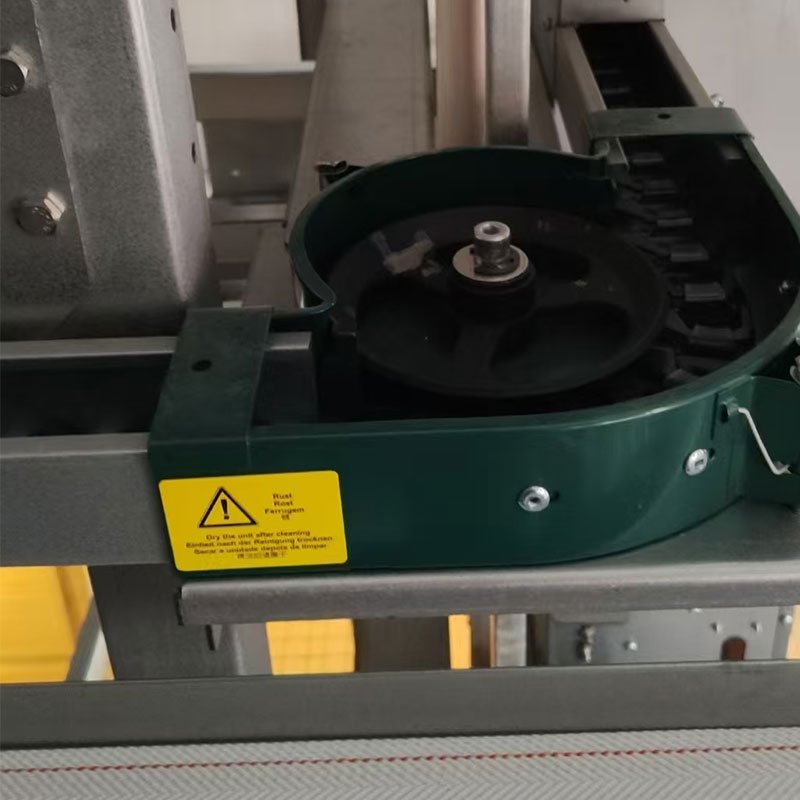
1. Automatic feeding machine can be chosen between gantry and ladder feeding machine. Gantry type feeding machine is a relatively economical and practical machine with simple operation, remote control walking character, easy to manage.
2. Mechanical transmission device running smoothly, low noise, long service life.
3. With the use of automatic control, the feeding system can adjust the amount of material.
4. Feeding with arched structure, high carrying capacity, not easily deformed.
5. Saving man power, saving feed, greatly improving the efficiency of Large-scale farming.
6. The walking speed of gantry feeding machine is 9--12 m/min.




1. Manure removing system included scraper type and conveyor belt type, Which can reduce the labor intensity and labor cost, keep the chicken shed dry and clean.
2. A type chicken cage can use scraper type or conveyor belt type.


3. The scraper type is suitable for A type cages, which can clean two or three rows. For the starters, this type is a good choice. lt can not only save some labor cost, but also save some investment in the whole project. The cleaning speed is 6-10 meters per minute.
4. Conveyor belt type is more suitable for large scale farming. The manure removing belt we use is high quality PP material (polypropylene). The walking speed is 2-4 meters per minute.



High Quality Pellets Made by Mobile Pellet Machine
1. It has professional designed angle of the blade. After the dynamic balance test one by one, the blade can operate smoothly.
2. The air volume is consistent in the whole life of the fan. Bearings has advantage of high strength, low noise, durable and so on.
1. The cooling pads uses high-quality wet curtain paper and adopts space cross-linking technology, which has the advantages of high water absorption, high water resistance, anti-toxicity and long service life.
2. The cooling efficiency is over 80%, without surfactant, natural water absorption, fast diffusion speed and long-lasting effect.
3. The product does not contain phenol and other chemical substances that are easy to cause skin allergies. It is non-toxic and harmless to the human body and chicken when installed and used. It is green, safe, energy-saving, environmentally friendly, economical, and easy to install.
4. The frame aluminum alloy has high strength, good corrosion resistance, durability and beautiful appearance.
5. Use a special filter for the cooling pad at the upper water to ensure clean water quality and support efficient water circulation components.
6. Combined with a negative pressure fan, it can effectively lower the indoor temperature.
The window is made of special selected high-quality engineering plastic, with high strength and long service life, together with superior anti-aging and anti-UV performance.
Function: Ventilation of the chicken house, usually used in the winter.
This system can adjust the wind speed and direction, thus the cold air will not reach chicken directly , which can effectively prevent the phenomenon of cold stress in chicken.
Environmental control system equipment is suitable for large-scale and intensive farming. According to customer requirements, we can provide various types of smart poultry equipment.
1. Our poultry management system is a modular system that manages all aspects of the chicken house, such as climate, temperature, humidity, ammonia, feeding, feed weighing, lighting and ventilation systems, and can monitor the situation of the chicken house in real time through a computer and mobile phone.
2. The management computer is the heart of the poultry farm, allowing you to easily monitor the entire poultry farm.

 WeChat:+8617838608255