The Ultimate Guide to Buying Poultry Cages in Ghana: Types, Prices & Top Suppliers
The poultry industry in Ghana is a vibrant and critical component of the nation's agriculture and food security. For both aspiring and established farmers, investing in the right housing infrastructure is not just a purchase—it's a foundational decision that impacts bird welfare, operational efficiency, and ultimately, profitability. If you're searching for "poultry cages for sale in Ghana," you're likely at the crucial stage of setting up or upgrading your farm. This comprehensive guide is designed to be your expert resource. We'll move beyond simple listings to explore the types of cages available, key selection criteria, market prices, reputable suppliers across Ghana, and essential management practices. Our goal is to equip you with the knowledge to make an informed investment that aligns with your specific poultry farming goals, whether you're rearing layers for eggs, broilers for meat, or breeders.
Before diving into cage options, it's vital to define your operational model.
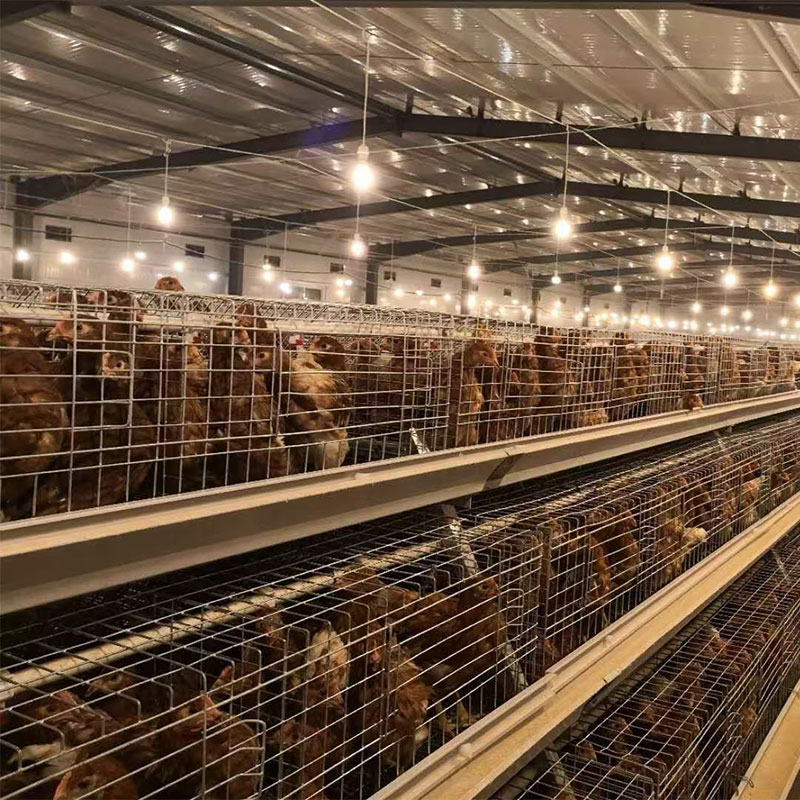
This system requires specialized cages designed to maximize egg production, facilitate easy collection, and ensure hen health. Battery cage systems are predominant here.
Broilers are typically raised in deeplitter systems on the floor. However, broiler battery cages are gaining traction in Ghana for their space efficiency and improved hygiene.
This involves raising chicks to pointoflay hens or maintaining parent stock. Cages or specialized rearing pens must accommodate growth stages.

The most common system for commercial egg production.
Design: Multitiered (usually 35 tiers) wire mesh cages arranged in rows.
Advantages: High stock density, automated feeding and watering compatibility, efficient egg collection (eggs roll onto a conveyor belt or collection tray), reduced feed wastage, better disease control.
Best For: Medium to largescale commercial layer farms.
Engineered for the heavier weight of meat birds.
Design: Similar multitier structure but with reinforced flooring (usually plasticcoated) to prevent breast blisters and leg issues.
Advantages: Superior hygiene (no contact with litter), easier monitoring of birds, improved feed conversion ratios.
Best For: Farmers looking to maximize land use and minimize disease risk in broiler production.
While not "cages" per se, this system uses openfloor housing with bedding material. It's often compared when making the cage vs. nocage decision.
Advantages: Lower initial investment per bird (for small scale), allows natural bird behaviors.
Disadvantages: Higher disease risk (coccidiosis), more laborintensive management.
Used for rearing young chicks until they are transferred to layer cages.
Design: Smaller mesh sizes to prevent escape; can be single or multitiered.
Choosing the right cage is a technical decision. Here’s your checklist:
1. Material Quality & Durability: Look for cages made from heavygauge, galvanized steel wire that is rustresistant (hotdip galvanized is superior). The quality of the welding points determines longevity.
2. Design & Ergonomics:
Floor Slope: For layers, the correct slope ensures eggs roll out gently without breaking.
Feeding Trough & Nipple Drinkers: Integrated systems save labor and reduce spillage.
Manure Removal System: Consider belts (for daily removal) or deeppit systems under tiers.
3. Stocking Density (Birds per Cage): Adhere to animal welfare guidelines. Overcrowding stresses birds and reduces productivity.
4. Farm Size & Scalability: Calculate your current flock size and future expansion plans. Modular cage systems allow for easier scaling.
5. Automation Compatibility: If you plan to automate feeding, watering, egg collection, or manure cleaning, ensure the cage system is designed for it.
Prices vary widely based on type, material quality tier count automation level supplier location brand etc Below is a general market overview
| Cage Type | Capacity Range | Estimated Price Range (GHS) | Key Notes |
| : | : | : | : |
| SingleTier Layer Cage | Holds 90120 birds | GHS 3 000 GHS 7 000 | Good for beginners; manual management |
| MediumCapacity Battery Cage(3 Tier) | Holds 90150 birds per unit | GHS 8 000 GHS 18 000 per unit | Most common commercial unit |
| Large Automated Battery System(45 Tier) | Holds up to thousands of birds | GHS 25 000+ | Includes automated feeding/watering; price varies greatly with scale |
| Broiler Battery Cage(3 Tier) | Holds ~6090 broilers per unit | GHS 10 000 GHS22 ,000 per unit | Requires stronger construction |
Note These are indicative prices Always get detailed quotations from multiple suppliers Installation transport costs are usually extra
Navigating the supplier landscape requires due diligence Here are primary channels:
1 Local Agricultural Equipment Companies & Dealers:
Established companies often provide installation aftersales support warranties They may also offer financing plans Visit their showrooms if possible
2 Direct From Manufacturers:
Ghana has several local fabricators who can custombuild cages according specifications This can be costeffective ensures local service access
3 Online Marketplaces Platforms:
Websites like Tonaton Jiji com often list both new used cages Exercise caution verify seller credibility inspect items before payment especially used equipment
4 Recommendations From Successful Farmers:
The best referrals often come from within network Consult experienced poultry farmers associations like Ghana National Association Farmers Fishermen(GNAFF)
Essential Questions To Ask Any Supplier:
What is warranty period?
Do you provide installation supervision?
Can you provide references from existing customers?
What aftersales technical support do you offer?
Investing good cages only half battle Proper management ensures return investment:
Routine Cleaning Disinfection: Implement strict biosecurity protocols Clean manure belts regularly disinfect entire house between flocks
Regular Maintenance: Inspect welds check nipple drinkers lubricate moving parts automated systems
Bird Welfare Monitoring: Watch out signs stress injury especially feet breast areas Ensure adequate ventilation temperature control within house
Record Keeping: Meticulously track feed consumption water intake egg production mortality rates identify issues early
Searching “poultry cages sale Ghana” marks beginning journey toward more structured efficient farming operation The choice between cage types balancing initial cost longterm benefits understanding own capacity manage system successfully By prioritizing quality durability over lowest price choosing reputable supplier committing excellent husbandry practices set foundation thriving sustainable poultry business Remember successful farm built not just on good stock but also on intelligent infrastructure investments Take time research consult experts visit existing farms make decision aligns vision growth goals Ghanaian poultry sector awaits contribution equipped right knowledge tools poised success
Q1: What are the main advantages of using battery cages over deep litter systems?
A1: Battery cages offer higher stocking density better hygiene easier disease control automated feeding/watering efficient egg collection reduced feed wastage They require less physical labor managing manure allow closer monitoring individual birds However deep litter systems lower startup cost allow natural behaviors like dust bathing scratching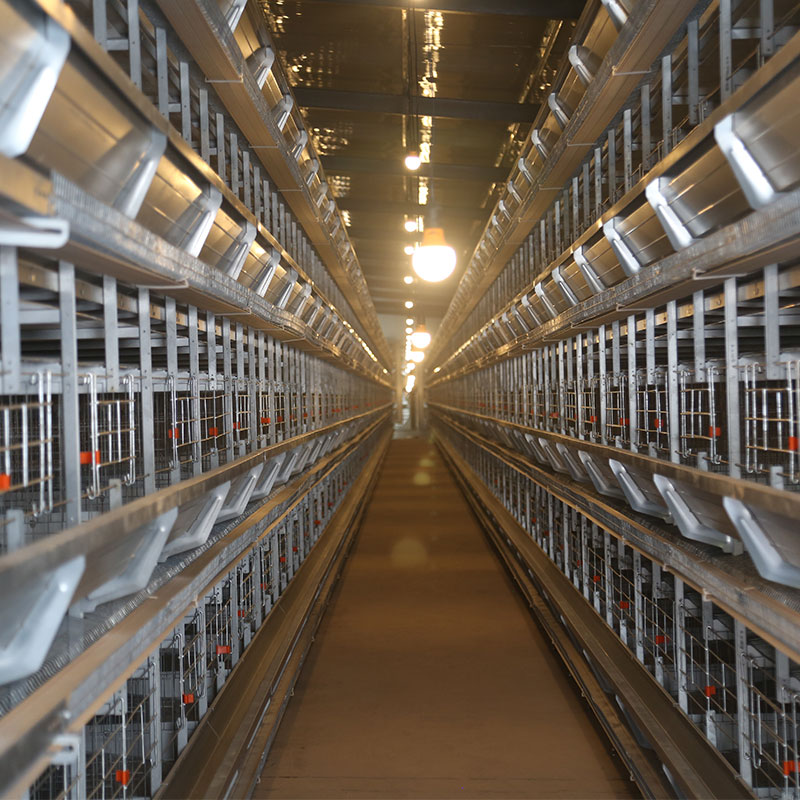
Q2: Are poultry cages suitable for broiler chickens in Ghana?
A2: Yes specially designed broiler battery cages becoming increasingly popular They feature reinforced plasticcoated floors support heavier weight birds prevent breast blisters leg problems They promote cleaner environment faster growth rates improved feed conversion compared traditional litter systems especially medium largescale operations
Q3 How many chickens fit single typical layer battery cage unit sold Ghana?
A3 Standard commercial layer battery cage unit often houses between90150birds depending number tiers design Specific compartment typically holds35hens Crucial follow recommended stocking density avoid overcrowding stress reduced productivity Check specifications supplier adhere animal welfare guidelines
Q4 What hotdip galvanized steel why important?
A4 Hotdip galvanizing process where steel immersed molten zinc creating thick durable rustresistant coating Essential humid environment Ghana protects cages corrosive ammonia manure fumes significantly extending lifespan compared cheaper electrogalvanized painted finishes Always prioritize hotdipped galvanized material longterm investment
Q5 Can I get automated poultry cages Ghana?
A5 Yes several suppliers offer semiautomated fully automated systems Automation includes chain feeder systems nipple drinking lines automatic egg collectors manure belt cleaners While higher initial investment dramatically reduces labor costs improves consistency feeding watering ideal largescale commercial farms
Q6 How much does cost install poultry cage system?
A6 Installation costs vary depending complexity system size farm location Many suppliers include basic installation quotation others charge separate fee ranging few hundred several thousand cedis Factor when budgeting Always clarify includes delivery setup supervision training staff operate new equipment
Q7 Where find reliable suppliers Accra Kumasi other regions?
A7 Reputable suppliers operate major cities Accra Kumasi Tamale Takoradi Cape Coast Research companies specializing agricultural equipment attend agricultural fairs exhibitions like Agritech Expo Seek recommendations established farmers join online forums social media groups dedicated poultry farming Ghana network gather firsthand experiences
Q8 Is better buy new used poultry cages?
A8 New cages come warranty latest designs materials assurance longevity Used cages cheaper but carry risks hidden wear tear corrosion broken parts difficulty sourcing replacements biosecurity threats previous diseases Inspect thoroughly test mechanisms negotiate price reflect potential repair refurbishment costs Beginners often advised start new avoid unforeseen problems
Q9 What key maintenance practices prolong life my cages?
A9 Regular inspection welds joints tightening loose bolts cleaning feeders drinkers daily ensuring manure removal systems function properly Lubricating moving parts automated systems applying protective coatings scratched areas preventing rust Immediate repair any damages prevents worsening Following strict cleaning disinfection protocol between flocks essential
Q10 Government support available purchasing poultry equipment Ghana?
A10 Explore programs Ministry Food Agriculture(MoFA) through initiatives like Planting Food Jobs(PFJ) Rearing Food Jobs(RFJ) Some financial institutions offer agricultural loans specific equipment purchases Consult district agricultural officer research eligibility criteria subsidized inputs loan schemes targeting mechanization agribusinesses Stay updated relevant policies incentives
Q11 How choose right cage size capacity my farm?
A11 Start realistic assessment current financial resources labor availability market demand Calculate based projected flock size next12years Allow room expansion Consider modular designs let add units later Factor land space building dimensions ventilation requirements Avoid overstretching finances buying oversized system cannot manage effectively undercapacity stifles growth Professional consultant help design layout optimize space bird welfare
Q12 What common mistakes avoid when setting first caged system?
A12 Common pitfalls include underestimating importance quality opting cheapest option ignoring ventilation planning leading heat stress poor choosing wrong tier height difficult management neglecting plan manure disposal causing environmental health hazards failing train workers proper handling birds equipment Not having backup power water supply automated systems Start small master basics before scaling complex setups
1. Drinking system include the water pipes, water pressure adjuster, drinking nipples, Waterline front-end device, dosing system etc, choose them according to customer's needs.
2. High-quality water drinking pipes, pressure regulating valves and water drinking nipples can effectively prevent the water leakage. Drinking system adopt the closed piping system, which can minimize the water pollution.
3. 360-degree drinking nipples provide adequate drinking water for poultry at all stages.
4. The automatic drinking water system mainly adopts the steel ball drinking nipple. lt uses imported high-grad stainless steel, POM resin, and APS engineering material, which is wearing resistant, and the durability can be used for long time.



1. Automatic feeding machine can be chosen between gantry and ladder feeding machine. Gantry type feeding machine is a relatively economical and practical machine with simple operation, remote control walking character, easy to manage.
2. Mechanical transmission device running smoothly, low noise, long service life.
3. With the use of automatic control, the feeding system can adjust the amount of material.
4. Feeding with arched structure, high carrying capacity, not easily deformed.
5. Saving man power, saving feed, greatly improving the efficiency of Large-scale farming.
6. The walking speed of gantry feeding machine is 9--12 m/min.




1. Manure removing system included scraper type and conveyor belt type, Which can reduce the labor intensity and labor cost, keep the chicken shed dry and clean.
2. A type chicken cage can use scraper type or conveyor belt type.


3. The scraper type is suitable for A type cages, which can clean two or three rows. For the starters, this type is a good choice. lt can not only save some labor cost, but also save some investment in the whole project. The cleaning speed is 6-10 meters per minute.
4. Conveyor belt type is more suitable for large scale farming. The manure removing belt we use is high quality PP material (polypropylene). The walking speed is 2-4 meters per minute.



High Quality Pellets Made by Mobile Pellet Machine
1. It has professional designed angle of the blade. After the dynamic balance test one by one, the blade can operate smoothly.
2. The air volume is consistent in the whole life of the fan. Bearings has advantage of high strength, low noise, durable and so on.
1. The cooling pads uses high-quality wet curtain paper and adopts space cross-linking technology, which has the advantages of high water absorption, high water resistance, anti-toxicity and long service life.
2. The cooling efficiency is over 80%, without surfactant, natural water absorption, fast diffusion speed and long-lasting effect.
3. The product does not contain phenol and other chemical substances that are easy to cause skin allergies. It is non-toxic and harmless to the human body and chicken when installed and used. It is green, safe, energy-saving, environmentally friendly, economical, and easy to install.
4. The frame aluminum alloy has high strength, good corrosion resistance, durability and beautiful appearance.
5. Use a special filter for the cooling pad at the upper water to ensure clean water quality and support efficient water circulation components.
6. Combined with a negative pressure fan, it can effectively lower the indoor temperature.
The window is made of special selected high-quality engineering plastic, with high strength and long service life, together with superior anti-aging and anti-UV performance.
Function: Ventilation of the chicken house, usually used in the winter.
This system can adjust the wind speed and direction, thus the cold air will not reach chicken directly , which can effectively prevent the phenomenon of cold stress in chicken.
Environmental control system equipment is suitable for large-scale and intensive farming. According to customer requirements, we can provide various types of smart poultry equipment.
1. Our poultry management system is a modular system that manages all aspects of the chicken house, such as climate, temperature, humidity, ammonia, feeding, feed weighing, lighting and ventilation systems, and can monitor the situation of the chicken house in real time through a computer and mobile phone.
2. The management computer is the heart of the poultry farm, allowing you to easily monitor the entire poultry farm.

 WeChat:+8617838608255