Poultry Cages Prices: Your 2024 Guide to Costs, Types & Smart Buying
Navigating the world of poultry cage prices can feel overwhelming. Whether you're a smallscale homesteader starting your first flock or a commercial farmer looking to scale operations, understanding the true cost of poultry cages is crucial for your budget and your birds' welfare. The price tag you see is just the beginning; it's influenced by material, design, automation level, and longterm value. This comprehensive guide will demystify poultry cage pricing. We'll move beyond simple numbers to explore the factors that drive costs, compare different systems, and provide you with the knowledge to make an investment that ensures productivity, animal welfare, and a strong return. Let's break down what you're really paying for and how to choose the right cage system for your needs and budget.
Before discussing prices, it's essential to understand the different types of cages available. The system you choose directly impacts initial cost, operational efficiency, and bird health.
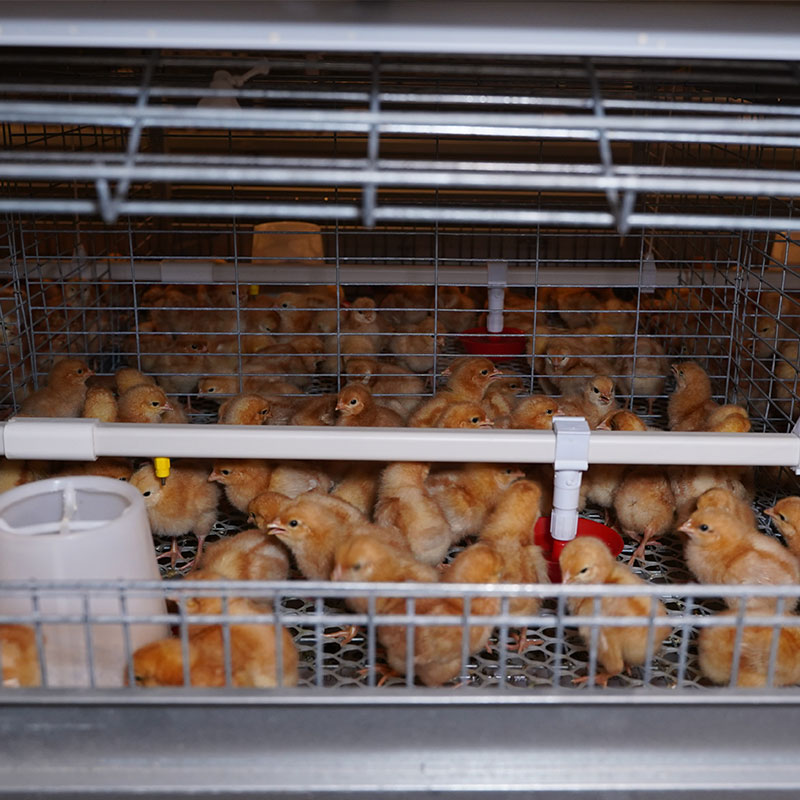
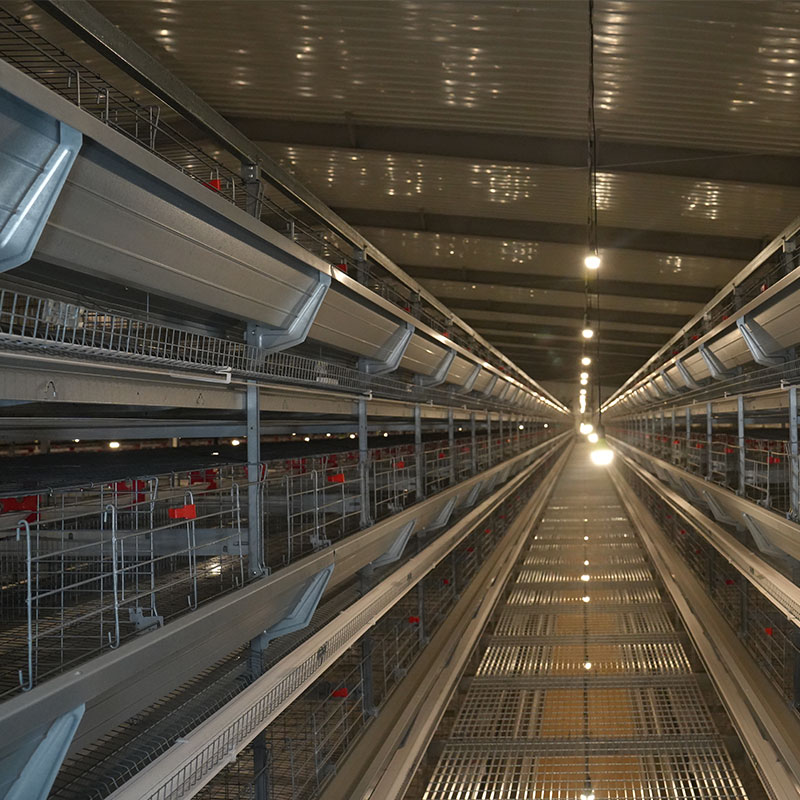
These are multitiered enclosures typically used in intensive egg production.
Design: Several birds per small wire compartment, stacked in rows.
Primary Use: Highvolume commercial egg laying operations.
Price Influence: Economies of scale make perbird costs low, but full systems are capitalintensive.
An evolution of battery cages designed to meet improved welfare standards.
Design: Provides more space per hen along with amenities like perches, nesting areas, and scratching mats.
Primary Use: Commercial egg production in regions with stricter animal welfare regulations.
Price Influence: More expensive than conventional battery cages due to added features and space.
Openfloor systems with multiple vertical levels for birds to roam and fly.
Design: Features platforms, perches, and nest boxes. Birds have full freedom within a barn.
Primary Use: Cagefree egg production and pullet rearing.
Price Influence: Higher initial infrastructure cost per bird than caged systems.
Specifically designed for meat birds (broilers).
Design: Often singletiered with plastic flooring for comfort and manure management.
Primary Use: Commercial broiler production.
Price Influence: Cost is driven by durability and automated feeding/watering integration.
Small, movable enclosures for freeranging on pasture.
Design: Lightweight frames with wire mesh, often on wheels or skids.
Primary Use: Small flocks, backyard poultry, organic/sustainable farming.
Price Influence: Lowest entry cost; price scales with size and material quality.
The final price of a poultry cage system is not random. It's a sum of its parts and design philosophy. Here are the core factors:
1. Material & Construction:
Galvanization: Hotdip galvanized steel resists rust far better than electrogalvanized or painted wire, impacting longevity and price significantly.
Wire Gauge: Thicker wire (lower gauge number) is more durable but more expensive.
Frame Strength: Heavyduty angle iron supports more tiers and lasts longer than lighter materials.
2. Automation Level:
Manual Systems: Basic cages where feed, water, and egg collection are done by hand. Lowest upfront cost.
SemiAutomated: Includes automated nipple drinking lines and manual feeding/egg collection.
Fully Automated: Integrated chain/belt feeding systems, automatic egg collection belts, manure removal belts (deep pit or daily cleaning), and environmental controls. This represents the highest upfront investment but lowest labor cost.
3. Capacity & Scale:
Price per bird usually decreases as total capacity increases due to bulk manufacturing efficiencies.
A small 10bird backyard coop has a higher costperbird than a 10,000bird commercial tier.
4. Design Features & Welfare Compliance:
Enrichments (perches, nests), specific floor slopes (for egg rollout), manure tray designs (pullout vs belt),and space allowances all affect cost.Cages built to meet EU RSPCA or other certified welfare standards command a premium.
5. Brand & Origin:
Established brands with proven durability often cost more than generic options.
Manufacturing origin impacts price; imported cages may have different value propositions considering shipping costs.
The following table provides estimated price ranges.Prices are indicative can vary based on configuration customization market region currency fluctuations shipping duties
| Cage System Type | Typical Capacity | Automation Level | Estimated Price Range (USD) | Notes & What's Included |
| : | : | : | : | : |
| Backyard Coop / Tractor | 530 Birds | Manual | $150 $800+ | Basic shelter nesting box manual feeder/waterer Price scales with size material quality (cedar vs pine) predator proofing |
| SmallScale Layer Battery | 50500 Birds | Manual / SemiAuto | $1 500 $8 000+ | Multitier basic galvanized wire manual feeders Often includes nipple drinkers Cost depends on number of tiers birds |
| Commercial Layer Battery System Conventional) | Per Bird Basis) High Volume) Fully Automated Full House System) Capital Expenditure) QuoteBased Always Consult Manufacturer For Project Specific Pricing Includes housing structure ventilation feeding watering egg collection manure management environmental controls Requires professional installation |
Important Note For Commercial Buyers Largescale projects are never sold as simple "cage price" They are customengineered solutions priced as a complete capital expenditure CAPEX) including housing infrastructure automation climate control Professional suppliers provide quotes based on detailed specifications flock size desired output
Smart buyers evaluate the Total Cost of Ownership not just the sticker price
1 Initial Purchase Price The upfront capital outlay
2 Shipping Installation Costs Can be substantial especially for large imported systems
3 Operational Costs Labor required for management maintenance utilities
4 Maintenance Repair Costs Durability of materials dictates longterm repair part replacement expenses
5 Productivity Efficiency Impact Egg production rate feed conversion ratio mortality rates directly affect revenue
6 Depreciation Resale Value Wellbuilt systems hold value longer
A cheaper cage that leads to higher bird mortality lower egg production or requires constant repair is ultimately more expensive than a higherquality initial investment
1 Define Your Needs Clearly Flock size type layers broilers breeders) level of automation desired welfare standards local regulations)
2 Research Reputable Suppliers Look for manufacturers with industry experience solid references verifiable customer testimonials
3 Request Detailed Quotes Ensure quotes itemize cages automation equipment installation shipping taxes Compare specifications not just bottomline figures
4 Ask About AfterSales Support Availability of spare parts technical support warranty terms are critical
5 Consider Financing Options Many suppliers offer financing leases for large projects easing upfront cash flow pressure
Understanding poultry cage prices is about balancing immediate budget constraints with longterm operational goals The right cage system is an investment in the health of your birds the efficiency of your labor your overall farm profitability By prioritizing quality materials appropriate design robust automation where needed you're not just buying equipment—you're building the foundation for a sustainable successful operation Look beyond the initial quote assess the total cost ownership partner with reputable suppliers make an informed decision that will pay dividends for years come Remember in poultry farming success often hinges on details controlled environment housing provides Start that foundation wisely
Q1 What is the average cost of a poultry cage?
There is no single "average" cost as it varies wildly from under $200 for small backyard coop over $50 per bird place for fully automated commercial system Provide details your specific needs capacity get accurate quote)
Q2 Are battery cages cheaper than freerange systems?
Yes in terms direct infrastructure cost per bird conventional battery cages generally have lower initial investment than barn aviary freerange systems requiring more square footage per bird However enriched colony cages which offer more space amenities can narrow this gap)
Q3 What are ongoing maintenance costs for poultry cages?
Ongoing costs include regular cleaning replacement wear items like drinker nipples feeder chains occasional repair bent wires structural components Using hotdip galvanized steel significantly reduces longterm corrosionrelated maintenance)
Q4 Does automation save money in long run?
Absolutely While increasing upfront capital expenditure full automation drastically reduces labor costs which typically largest ongoing expense commercial operation also improves feed efficiency consistency egg collection leading higher overall profitability scale)
Q5 How long do poultry cages typically last?
Lifespan heavily depends material quality maintenance Hotdip galvanized steel systems properly maintained can last years electrogalvanized painted systems may require replacement sooner especially humid corrosive environments)
Q6 Can I buy used poultry cages save money?
Yes used equipment marketplace exists can offer significant savings However inspect thoroughly rust structural damage functionality outdated designs may not meet current welfare standards biosecurity protocols require rigorous cleaning disinfection)
Q7 Are there additional hidden costs beyond cage price itself?
Key additional costs include shipping delivery professional installation required internal housing infrastructure like ventilation lighting electrical plumbing manure handling system These must factored total project budget)
Q8 How much does installation professional setup cost?
Installation varies complexity scale ranging from DIY small coops percentage total project cost large turnkey installations Always clarify what included quote whether installation separate line item)
Q9 What most important feature prioritize when budget limited?
Prioritize material quality specifically hotdip galvanization over cheaper coatings Durability ensures longer lifespan better return investment protects against frequent replacement costs)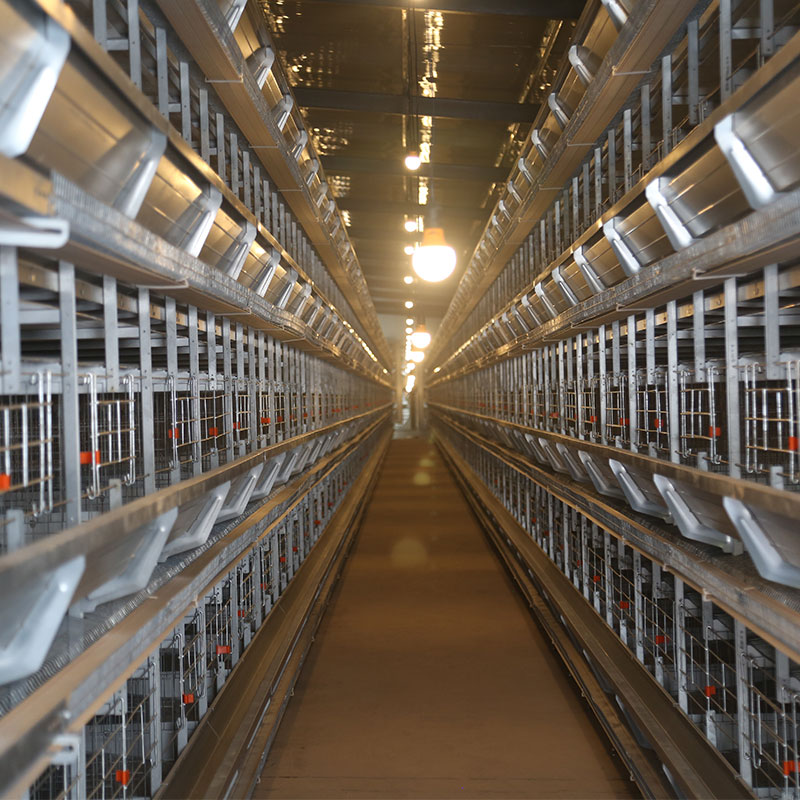
Q10 Do prices differ between chicken layer cages broiler breeder cages?
Yes design specifications differ Layer cages feature sloped floors egg rollout collection breeder cages include slatted mating areas broiler cages focus plastic flooring comfort meat birds Each has distinct manufacturing cost)
Q11 How current animal welfare regulations affecting cage prices?
Regulations requiring enriched colony cagefree aviary systems have increased required space amenities per bird thereby increasing perbird infrastructure capital compared traditional battery designs Investing futureproof compliant system advisable)
Q12 Should I buy directly from manufacturer through distributor?
Buying directly manufacturer often gets best price technical support particularly large orders Distributors local dealers offer convenience logistical support smaller orders potentially quicker access parts Evaluate both options based order size location needs
1. Drinking system include the water pipes, water pressure adjuster, drinking nipples, Waterline front-end device, dosing system etc, choose them according to customer's needs.
2. High-quality water drinking pipes, pressure regulating valves and water drinking nipples can effectively prevent the water leakage. Drinking system adopt the closed piping system, which can minimize the water pollution.
3. 360-degree drinking nipples provide adequate drinking water for poultry at all stages.
4. The automatic drinking water system mainly adopts the steel ball drinking nipple. lt uses imported high-grad stainless steel, POM resin, and APS engineering material, which is wearing resistant, and the durability can be used for long time.



1. Automatic feeding machine can be chosen between gantry and ladder feeding machine. Gantry type feeding machine is a relatively economical and practical machine with simple operation, remote control walking character, easy to manage.
2. Mechanical transmission device running smoothly, low noise, long service life.
3. With the use of automatic control, the feeding system can adjust the amount of material.
4. Feeding with arched structure, high carrying capacity, not easily deformed.
5. Saving man power, saving feed, greatly improving the efficiency of Large-scale farming.
6. The walking speed of gantry feeding machine is 9--12 m/min.




1. Manure removing system included scraper type and conveyor belt type, Which can reduce the labor intensity and labor cost, keep the chicken shed dry and clean.
2. A type chicken cage can use scraper type or conveyor belt type.


3. The scraper type is suitable for A type cages, which can clean two or three rows. For the starters, this type is a good choice. lt can not only save some labor cost, but also save some investment in the whole project. The cleaning speed is 6-10 meters per minute.
4. Conveyor belt type is more suitable for large scale farming. The manure removing belt we use is high quality PP material (polypropylene). The walking speed is 2-4 meters per minute.



High Quality Pellets Made by Mobile Pellet Machine
1. It has professional designed angle of the blade. After the dynamic balance test one by one, the blade can operate smoothly.
2. The air volume is consistent in the whole life of the fan. Bearings has advantage of high strength, low noise, durable and so on.
1. The cooling pads uses high-quality wet curtain paper and adopts space cross-linking technology, which has the advantages of high water absorption, high water resistance, anti-toxicity and long service life.
2. The cooling efficiency is over 80%, without surfactant, natural water absorption, fast diffusion speed and long-lasting effect.
3. The product does not contain phenol and other chemical substances that are easy to cause skin allergies. It is non-toxic and harmless to the human body and chicken when installed and used. It is green, safe, energy-saving, environmentally friendly, economical, and easy to install.
4. The frame aluminum alloy has high strength, good corrosion resistance, durability and beautiful appearance.
5. Use a special filter for the cooling pad at the upper water to ensure clean water quality and support efficient water circulation components.
6. Combined with a negative pressure fan, it can effectively lower the indoor temperature.
The window is made of special selected high-quality engineering plastic, with high strength and long service life, together with superior anti-aging and anti-UV performance.
Function: Ventilation of the chicken house, usually used in the winter.
This system can adjust the wind speed and direction, thus the cold air will not reach chicken directly , which can effectively prevent the phenomenon of cold stress in chicken.
Environmental control system equipment is suitable for large-scale and intensive farming. According to customer requirements, we can provide various types of smart poultry equipment.
1. Our poultry management system is a modular system that manages all aspects of the chicken house, such as climate, temperature, humidity, ammonia, feeding, feed weighing, lighting and ventilation systems, and can monitor the situation of the chicken house in real time through a computer and mobile phone.
2. The management computer is the heart of the poultry farm, allowing you to easily monitor the entire poultry farm.

 WeChat:+8617838608255