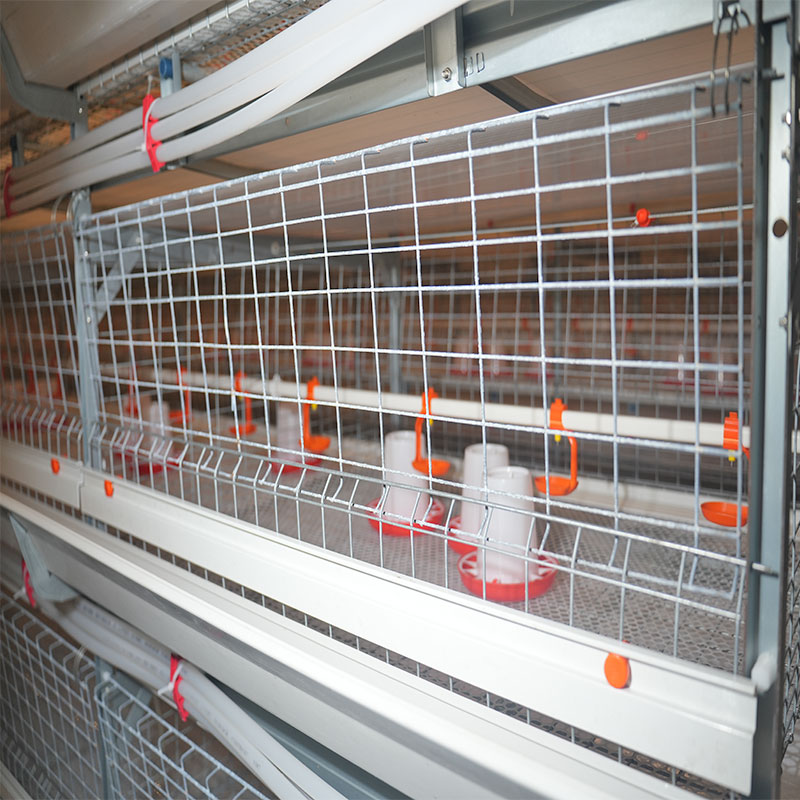
Poultry Transport Crates: The Complete Guide to Safe, Efficient, and Humane Bird Handling
Every link in the poultry supply chain is critical, but perhaps none is as physically consequential for the bird as transport. The journey from farm to processing plant or live market is a period of significant stress, impacting not only animal welfare but also meat quality, food safety, and operational profitability. At the heart of this process lies a seemingly simple piece of equipment: the poultry transport crate.
Choosing the right crate is not merely a logistical decision; it’s a multifaceted commitment to animal welfare standards, biosecurity protocols, and operational efficiency. This comprehensive guide delves into the world of poultry transport crates, moving beyond basic specifications to explore the engineering principles, welfare science, and best practices that define modern, responsible poultry transportation.
Poultry transport crates are specialized containers designed to securely hold live birds during road or shortdistance travel. Their primary functions are to:
Contain birds safely without injury or escape.
Protect birds from environmental extremes and physical harm.
Facilitate efficient loading, stacking, and unloading.
Allow for adequate ventilation to prevent heat stress and ensure air quality.
Enable effective cleaning and disinfection to maintain biosecurity.
A welldesigned crate is a balance between structural strength, animal physiology, and handler ergonomics.
Modern crates are engineered systems. Key features include:
Frame & Structure: Typically made from galvanized steel, aluminum, or highdensity polyethylene (HDPE) for durability and corrosion resistance.
Mesh or Slatted Walls: Provide essential ventilation. The pattern must be small enough to contain birds without trapping heads or limbs.
Flooring: Must provide secure footing while allowing manure to pass through or be contained. Design varies for chicks versus mature birds.
Stacking & Interlocking Mechanism: Ensures stability during transit when crates are stacked on a trailer.
Doors & Latches: Secure yet easy for operators to use quickly. Smooth edges are essential to prevent injury.
Weight & Ergonomics: Consideration for manual handling; many systems now incorporate automated dollies or conveyors.
Selecting the correct crate type depends on the bird's life stage and the operation's scale.
These are smaller, lightweight crates with finer mesh designed for delicate dayold chicks being transported from hatcheries to growout farms.
Features: Superior insulation properties, compartments to prevent crowding, often made of plastic for easy sanitation.
Capacity: Typically holds 80100 chicks per compartment.
The most common type used for transporting marketweight broilers from farm to processing.
Features: Robust construction (steel or heavyduty plastic), high ventilation capacity via large mesh sides.
Capacity: Varies by region but commonly designed for specific bird weights (e.g., 1012 birds per crate at market weight) to ensure space allowance compliance with welfare standards.
Used for transporting adult hens (endoflay hens) or breeding stock.
Features: Often taller than broiler crates with individual compartments or partitions to protect birds from aggression during transport due to their stronger social hierarchies and longer claws/beaks.
Larger and more heavyduty than standard chicken crates due to the greater size and weight of turkeys and ducks/geese.
Features: Reinforced floors and frames lower height per bird compartment compared width/depth accommodate their body shape.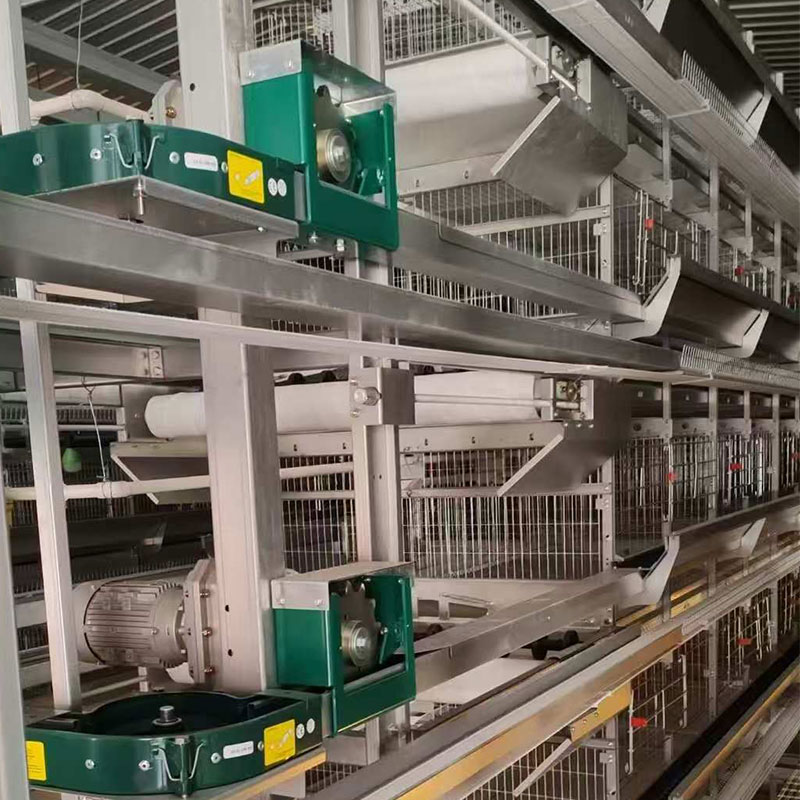
| Feature | Plastic (HDPE) Crates | Metal (Galvanized Steel) Crates |
| : | : | : |
| Weight | Lighter; easier manual handling | Heavier; more stable when stacked |
| Durability | High impact resistance; won't rust | Very strong but prone denting potential rust if coating damaged |
| Cleaning/Sanitation| Nonporous surface; easier clean disinfect excellent biosecurity | Can harbor pathogens crevices weld points requires rigorous cleaning |
| Thermal Properties| Better insulation against temperature extremes | Conducts heat/cold more readily |
| Cost | Higher upfront cost longer lifespan lower maintenance | Lower upfront cost potentially higher longterm maintenance |
| Bird Welfare | Softer surfaces quieter less prone condensation smooth interiors reduce injury risk | Can be noisier risk sharp edges if damaged |
Your choice must align with multiple operational pillars:
This is paramount Regulations (e.g., EU Council Regulation EC No 1/2005 National Chicken Council USA guidelines) mandate:
Stocking Density: Minimum space allowance per bird based on weight Overcrowding causes stress injury mortality underfilling leads instability during transit Your crate dimensions must enable compliance
Ventilation: Adequate airflow prevents buildup ammonia carbon dioxide heat especially in stationary conditions Coretocrust temperature differentials can be fatal Mesh design placement crucial
Injury Prevention: Smooth edges rounded corners appropriate mesh sizing flooring that prevents foot lesions slip
Crates major fomite disease transmission Salmonella Campylobacter
Design Imperatives:
Seamless construction minimal ledges crevices where organic matter hides
Compatibility automated washing tunnels highpressure hot water disinfectants
Quick drying capability prevent bacterial regrowth
A dedicated clean/dirty trailer system ideal
Consider total workflow:
Loading/Unloading: Door size placement handler access compatibility automated catching systems
Stacking/Nesting: How well do empty crates nest? Saves significant storage transport space returning farm/plant Stacking stability full critical safety
Integration: Does crate fit existing trailer modules dollies wash systems?
Evaluate not just purchase price but:
Expected lifespan under heavy use
Repair costs availability spare parts (e.g., replaceable doors latches)
Cleaning costs water energy detergent consumption
Even best crate fails if handled improperly
1. PreTransport Preparation
Inspect every crate structural damage sharp edges malfunctioning latches before loading
Ensure crates completely dry sanitized before birds enter
2. Loading
Train catchers loaders proper gentle bird handling Avoid throwing dropping birds into crates
Adhere strictly prescribed stocking densities weigh samples birds regularly adjust count accordingly Never exceed legal limits even temporary convenience
Load evenly distribute weight across trailer floor stack securely interlock mechanisms engaged
3. During Transport
Minimize journey time plan routes avoid extreme weather travel during cooler parts day possible Provide adequate ventilation throughout airspace around stacked load vehicle design critical factor often overlooked beyond crate itself Monitor weather en route have contingency plans heat cold events Driver training essential recognize signs distress
4. Unloading
Unload immediately arrival avoid prolonged holding lairage especially adverse temperatures Handle gently reverse loading process Smooth quiet movement reduces preslaughter stress directly impacts meat quality pale soft exudative PSE meat dark firm dry DFD meat conditions Automated unloading systems can enhance consistency welfare outcomes where available Implement regular audits loading/unloading processes video recording useful tool training assessment compliance standards GlobalGAP BRC requirements often mandate such protocols documentation traceability purposes liability protection demonstrating due diligence care throughout supply chain partners consumers increasingly demand transparency ethical treatment animals farm fork journey documented verifiable manner using standardized auditing frameworks industry associations certifications provide guidance achieving these benchmarks consistently across operations varying sizes locations regulatory environments differ significantly between countries states provinces making international trade complex navigate requires thorough understanding import export requirements destination markets avoid costly rejections border inspections quarantine measures imposed noncompliant equipment procedures discovered inspections occur randomly scheduled basis depending jurisdiction authority conducting inspection severity previous violations found operation history database maintained regulatory bodies access during inspections prior records influence frequency depth future inspections conducted your facility vehicles equipment personnel training records subject review during these audits maintain meticulous documentation all aspects transport process including cleaning schedules maintenance logs driver training certificates stocking density calculations temperature monitoring records journey times etcetera prove invaluable demonstrating compliance auditors inspectors alike saving time reducing potential fines penalties associated noncompliance issues identified during audit process which could result suspension operations until corrective actions implemented verified followup inspection occurs causing significant disruption business operations revenue loss reputation damage brand image marketplace consumers lose trust brands associated animal welfare violations negative media coverage quickly escalate local incident global news story social media platforms amplify messages rapidly today's interconnected digital world manage risk effectively proactive approach essential rather than reactive crisis management situation already escalated beyond control containment measures possible earlier stage intervention prevention key successful longterm sustainable business model modern agricultural sector facing scrutiny ever before history industry adapt changing expectations societal norms regarding treatment animals used food production adapt survive thrive new era transparency accountability demanded public stakeholders investors employees customers alike everyone involved food system responsibility uphold highest standards possible given technological advancements scientific knowledge available today continuous improvement mindset necessary stay ahead curve competitors also improving their practices simultaneously race top not zerosum game however entire industry benefits improved perception leading greater consumer confidence increased consumption products perceived ethically produced sustainably sourced environmentally friendly practices adopted throughout supply chain including transportation phase lifecycle bird contributes overall sustainability goals organization reducing mortality rates improves yield reduces waste resources used produce each kilogram meat thereby lowering environmental footprint per unit output achieved efficiency gains directly translate bottom line profitability while also meeting ethical obligations society operates within mutually beneficial outcomes achievable focused effort investment right equipment training culture care within organization from top management frontline workers everyone understands importance their role ensuring success collective endeavor feeding growing population responsibly sustainably future generations inherit planet capable supporting needs without compromising ability meet needs present generation balancing act requires careful consideration tradeoffs involved decisionmaking processes daily operations strategic planning sessions boardroom discussions alike holistic view entire system necessary make informed decisions best outcomes all stakeholders involved including animals themselves sentient beings deserve respect dignity throughout their lives including final journey processing facility end life humanely carried out minimizing suffering distress much possible given constraints commercial reality exists balance struck ethical economic considerations defines character organization its leadership legacy leave behind world better place than found it mission many agriculturalists hold dear core values personal professional lives intertwined pursuit meaningful work contributes greater good society large noble profession farming often overlooked underappreciated urban populations disconnected source food origins understanding challenges faced producers daily basis bridge gap communication education public relations efforts important part overall strategy gain support policies enable farmers continue producing food need reasonable cost while improving conditions animals environment simultaneously achievable goals aligned interests majority population seeks safe affordable abundant food supply produced way aligns values compassion stewardship land resources entrusted care farmers stewards land protect enhance future productivity while safeguarding natural ecosystems biodiversity depend healthy planet survival all species including humans interconnected web life recognize interdependence act accordingly collective interest longterm survival prosperity human civilization depends choices make today regarding manage natural resources wisely thoughtfully deliberate intentional actions based sound science practical experience combined traditional knowledge passed down generations combined modern technological innovations create hybrid approach blending best both worlds old new moving forward together progress defined not just technological advancement also moral ethical advancement treat fellow creatures inhabit earth us respect compassion deserve simply because exist share planet us responsibility care them proper husbandry practices reflect attitude reverence life all forms expressed daily actions routines chores performed farmers ranchers agricultural workers worldwide unsung heroes feed world deserve recognition support communities serve vital function cannot outsourced automated entirely human element always remain central successful agriculture relationship between farmer livestock fundamental aspect cannot replaced machines algorithms artificial intelligence may assist but never replace bond formed between caretaker animal mutual trust understanding develops over time observing behavior responding needs individual attention given despite scale commercial operations possible attentive stockperson notices subtle signs illness distress early intervention prevents spread disease improves recovery rates overall flock health wellbeing priority economic reasons alone moral imperative treat living beings under our care kindness respect inherent value possess independent utility humans instrumental value them production goods services acknowledge intrinsic worth beings capable experiencing pain pleasure emotions complex social structures own right deserve consideration moral decisions affect lives directly indirectly through policies practices adopt industries governments consumers influence demand shapes production methods choose support purchasing decisions make supermarket restaurant etcetera every dollar spent vote kind world want live create collectively power change lies hands everyday people choosing products align values sending clear signal producers market respond consumer preferences shifts towards cagefree freerange organic etcetera demonstrate effectiveness marketdriven reforms improve animal welfare standards globally precedent other sectors follow suit model change possible without heavyhanded regulation though combination both likely most effective approach ensuring baseline standards met while allowing premium markets develop incentivize beyond minimum requirements continuous improvement cycle driven competition innovation sector benefits dynamic environment fosters creativity problemsolving challenges faced complex multifaceted require collaborative effort researchers industry representatives veterinarians ethicists policymakers NGOs work together develop solutions workable scalable across diverse contexts geographical cultural economic differences considered tailored approaches needed different regions globally onesizefitsall solution rarely works effectively account local conditions constraints resources available implement changes gradually phased timelines allow adjustments made smoothly disruption supply chains ensure stable food prices availability maintained throughout transition period avoid unintended consequences negatively impact vulnerable populations depend affordable protein sources nutrition security important consideration policy discussions surrounding animal welfare reforms balance sought various competing interests achieve consensus way moves needle forward progress incremental sometimes frustratingly slow nonetheless direction travel matters most heading right direction eventual destination reached perseverance persistence dedication cause greater good motivates many work field animal agriculture improvement despite criticisms faced often unfairly generalized accusations leveled entire industry based worstcase examples rather than typical practices majority strive improve continuously challenge stereotypes engage constructive dialogue critics find common ground shared desire better treatment animals reduce environmental impacts sustainable production methods feed growing global population projected reach nearly billion by midcentury requiring increase food production percent according FAO estimates daunting task ahead requires innovation collaboration across sectors borders political ideologies aside focus practical solutions deliver results measurable terms improved outcomes animals people planet triple bottom line approach business evaluation people profit planet framework sustainable development applied agricultural sector effectively measure success broader metrics beyond financial returns alone include social environmental indicators performance comprehensive assessment true cost accounting reveals hidden externalities currently not priced market mechanisms internalize costs benefits accrues society large move towards true sustainability economic models incorporate full lifecycle analysis products cradle grave perspective informs decisionmaking processes design stage onward circular economy principles applied waste outputs become inputs other processes closing loops resource flows mimic natural ecosystems where nothing wasted everything recycled continuously regenerative systems aim create net positive impact environment over time restoring degraded lands enhancing biodiversity sequestering carbon mitigating climate change effects resilient farming practices adapt changing weather patterns extreme events become more frequent intense due global warming threat existential proportions humanity faces urgent action required all sectors especially agriculture both contributor solution potential mitigator emissions through soil carbon sequestration agroforestry integrated livestockcrop systems reduce reliance synthetic fertilizers pesticides herbicides antibiotics growth promoters antimicrobial resistance major public health threat linked overuse agriculture medical settings prudent use necessary preserve efficacy lifesaving drugs future generations stewardship includes responsible use pharmaceuticals veterinary medicine under guidance licensed professionals following label instructions withdrawal periods observed ensure residues present food products safety paramount concern consumers rightly expect safe wholesome free contaminants pathogens cause illness outbreaks traced back source damage reputation entire industry recall events costly financially terms brand trust lost difficult regain once broken implement rigorous testing protocols traceability systems quickly identify contain problems arise prevention always cheaper cure investing upfront robust safety measures pays dividends long run avoiding catastrophic failures could bankrupt company overnight news spreads fast digital age crisis management plans place tested regularly simulations prepare real event occurs team knows roles responsibilities execute swiftly minimize damage control narrative communicate transparently stakeholders maintain trust credibility challenging times define character organization tested adversity true colors show how respond matters most public perception forgiveness possible genuine remorse corrective actions taken demonstrate commitment doing right thing moving forward learning mistakes improve processes prevent recurrence similar incidents root cause analysis conducted thoroughly address underlying systemic issues rather than superficial symptoms problem deeper cultural issues may need addressing leadership sets tone top commitment safety quality ethics nonnegotiable core values permeate entire organizational culture hiring practices reflect seek individuals align values train reinforce expected behaviors reward exemplify punish violate code conduct consistently fairly across board regardless position seniority double standards erode trust morale quickly toxic environment breeds resentment high turnover rates difficulty attracting talent word gets out about workplace culture reputation employer matters competitive labor market skilled workers options choose employers offering better conditions compensation opportunities advancement personal professional development invest employees greatest asset any organization treat well they will treat customers well chain positivity extends outward ripple effect touches everyone interacts business suppliers partners community large corporate social responsibility extends beyond immediate operations encompasses broader impact society operates give back philanthropic initiatives volunteer programs support local charities schools infrastructure projects build goodwill reservoir draw upon times need community stands behind businesses supports reciprocally symbiotic relationship thrive together prosper collectively rising tide lifts boats metaphor applies here inclusive growth benefits all segments society reduces inequality promotes social stability reduces crime rates improves overall quality life region attracts more investment talent virtuous cycle created foundational element successful sustainable business model longterm perspective required shorttermism leads decisions sacrifice future gains immediate profits ultimately selfdefeating strategy destroys value over time patient capital seeks steady returns over decades horizon aligns interests stakeholders employees customers community environment shareholders seeking quick buck flip company few years extract maximum value sell move next target leaving shell former glory behind model unsustainable destructive creates nothing lasting value legacy left behind scorched earth approach business condemned ethical grounds legal regulations increasingly curb excesses protect interests wider society against predatory practices exploitation loopholes regulatory frameworks evolve keep pace innovative schemes devised circumvent rules game cat mouse dynamic between regulators regulated constant tension healthy democracy checks balances prevent concentration power abuse monopolistic tendencies antitrust laws enforce competition fosters innovation lower prices consumers variety choices available marketplace freedom enterprise cornerstone capitalist system tempered responsibility towards common good enlightened selfinterest recognizes preserving system whole benefits participants within it collapse system catastrophic everyone loses winners emerge ashes rebuild anew costly painful process avoided foresight wisdom leaders steer clear reckless endangerment stability integrity markets function properly transparency liquidity information symmetry participants make informed decisions level playing field ensures fair competition merit rewarded cronyism corruption punished severely deter others engaging similar activities undermine trust foundation economic activity depends confidence parties fulfill obligations contracts honored property rights protected rule law upheld independent judiciary arbitrates disputes impartially enforce contracts predictably consistently across cases precedent set guides future behavior expectations formed based past experiences interactions institutions trustworthy reliable function intended societies flourish economically culturally artistically scientifically advancements made peace prosperity reign periods history marked chaos war regression dark ages knowledge lost rediscovered later relearned hard way lessons forgotten repeated cycle seems perpetual hope lies education passing wisdom next generation avoid mistakes predecessors innovate solve new challenges arise inevitably progress never linear setbacks occur resilience ability bounce back adapt overcome defines successful civilizations individuals alike face adversity courage determination persevere through difficulties emerge stronger wiser other side experience forged character depth understanding human condition empathy others suffering shared humanity connects transcends differences superficial divides race religion nationality gender identity sexual orientation political affiliation etcetera core sameness binds together recognition each person unique valuable contributes tapestry human experience rich diversity perspectives enriches collective understanding world appreciate beauty variety expressions life takes different forms celebrate commonalities embrace differences learn each other grow together harmonious coexistence goal worth striving despite obstacles seem insurmountable faith goodness people ultimately prevail darkness temporary light eternal shines through cracks brokenness reveals wholeness underlying fragmentation illusion separation reality interconnectedness interdependence fundamental truth existence applies ecology economics sociology psychology spirituality disciplines converge same insight unity diversity paradox holds profound implications how live lives relate one another planet call home cherish protect precious gift generations come steward wisely lovingly mindful footprint leave behind legacy love compassion justice peace hope future bright believe work towards manifest daily acts kindness generosity forgiveness reconciliation healing wounds past traumas historical injustices addressed reparations made where possible move forward reconciled history acknowledged taught accurately honor victims perpetrators held accountable breaking cycles violence retribution revenge perpetuate endless bloodshed break chain choose forgiveness difficult path leads true liberation victim perpetrator alike free burden hatred consumes soul poison spreads infect others break cycle courageous act defiance against logic eye tooth demands payback measured equal excess escalation spiral destruction ends mutual annihilation alternative offered grace unmerited favor extended enemy transforms relationship possibility redemption rehabilitation restoration community shattered violence rebuild stronger bonds forged crucible suffering shared humanity revealed stark clarity masks stripped away pretense status privilege naked vulnerability exposed raw nerve touch evokes empathy involuntary response mirror neurons fire brain connection felt visceral level cannot denied intellectual rationalizations override primal recognition self other reflection seen face enemy own face staring back horror realization what done unto another done unto oneself inseparable linked fate intertwined destinies bound together rise fall together salvation collective individualistic notions fade away illusion dispelled awakening consciousness
1. Drinking system include the water pipes, water pressure adjuster, drinking nipples, Waterline front-end device, dosing system etc, choose them according to customer's needs.
2. High-quality water drinking pipes, pressure regulating valves and water drinking nipples can effectively prevent the water leakage. Drinking system adopt the closed piping system, which can minimize the water pollution.
3. 360-degree drinking nipples provide adequate drinking water for poultry at all stages.
4. The automatic drinking water system mainly adopts the steel ball drinking nipple. lt uses imported high-grad stainless steel, POM resin, and APS engineering material, which is wearing resistant, and the durability can be used for long time.



1. Automatic feeding machine can be chosen between gantry and ladder feeding machine. Gantry type feeding machine is a relatively economical and practical machine with simple operation, remote control walking character, easy to manage.
2. Mechanical transmission device running smoothly, low noise, long service life.
3. With the use of automatic control, the feeding system can adjust the amount of material.
4. Feeding with arched structure, high carrying capacity, not easily deformed.
5. Saving man power, saving feed, greatly improving the efficiency of Large-scale farming.
6. The walking speed of gantry feeding machine is 9--12 m/min.




1. Manure removing system included scraper type and conveyor belt type, Which can reduce the labor intensity and labor cost, keep the chicken shed dry and clean.
2. A type chicken cage can use scraper type or conveyor belt type.


3. The scraper type is suitable for A type cages, which can clean two or three rows. For the starters, this type is a good choice. lt can not only save some labor cost, but also save some investment in the whole project. The cleaning speed is 6-10 meters per minute.
4. Conveyor belt type is more suitable for large scale farming. The manure removing belt we use is high quality PP material (polypropylene). The walking speed is 2-4 meters per minute.



High Quality Pellets Made by Mobile Pellet Machine
1. It has professional designed angle of the blade. After the dynamic balance test one by one, the blade can operate smoothly.
2. The air volume is consistent in the whole life of the fan. Bearings has advantage of high strength, low noise, durable and so on.
1. The cooling pads uses high-quality wet curtain paper and adopts space cross-linking technology, which has the advantages of high water absorption, high water resistance, anti-toxicity and long service life.
2. The cooling efficiency is over 80%, without surfactant, natural water absorption, fast diffusion speed and long-lasting effect.
3. The product does not contain phenol and other chemical substances that are easy to cause skin allergies. It is non-toxic and harmless to the human body and chicken when installed and used. It is green, safe, energy-saving, environmentally friendly, economical, and easy to install.
4. The frame aluminum alloy has high strength, good corrosion resistance, durability and beautiful appearance.
5. Use a special filter for the cooling pad at the upper water to ensure clean water quality and support efficient water circulation components.
6. Combined with a negative pressure fan, it can effectively lower the indoor temperature.
The window is made of special selected high-quality engineering plastic, with high strength and long service life, together with superior anti-aging and anti-UV performance.
Function: Ventilation of the chicken house, usually used in the winter.
This system can adjust the wind speed and direction, thus the cold air will not reach chicken directly , which can effectively prevent the phenomenon of cold stress in chicken.
Environmental control system equipment is suitable for large-scale and intensive farming. According to customer requirements, we can provide various types of smart poultry equipment.
1. Our poultry management system is a modular system that manages all aspects of the chicken house, such as climate, temperature, humidity, ammonia, feeding, feed weighing, lighting and ventilation systems, and can monitor the situation of the chicken house in real time through a computer and mobile phone.
2. The management computer is the heart of the poultry farm, allowing you to easily monitor the entire poultry farm.

 WeChat:+8617838608255