The financial success of any broiler operation is a complex equation, but one of the most significant and long-term variables is the initial investment in housing. The price of a broiler cage system is not a single number on an invoice; it is a multi-faceted calculation that directly influences bird performance, labor efficiency, and ultimately, profit per square foot for years to come. Understanding what you are truly paying for requires looking beyond the per-cage or per-bird-space quote and evaluating the system as the central nervous system of your entire grow-out process.
When a supplier provides a quotation, the initial figure is often based on a standard configuration. This is where the real conversation must begin. The core price is typically built around the cage structure itself: the galvanized steel wire mesh, the supporting framework, the manure removal system, and the feeding and watering lines. The grade and specification of these materials create the first major price differential. A system using a thinner gauge of wire with a standard galvanized coating will naturally cost less per bird than a system constructed with heavy-gauge, high-tensile steel featuring a reinforced anti-corrosion treatment like Galfan. The difference might seem like an unnecessary premium until you consider a high-humidity environment where ammonia accelerates corrosion. The cheaper system may require patch repairs or complete panel replacement in five years, while the premium system remains structurally sound for a decade or more. The initial saving is quickly erased by premature capital replacement.
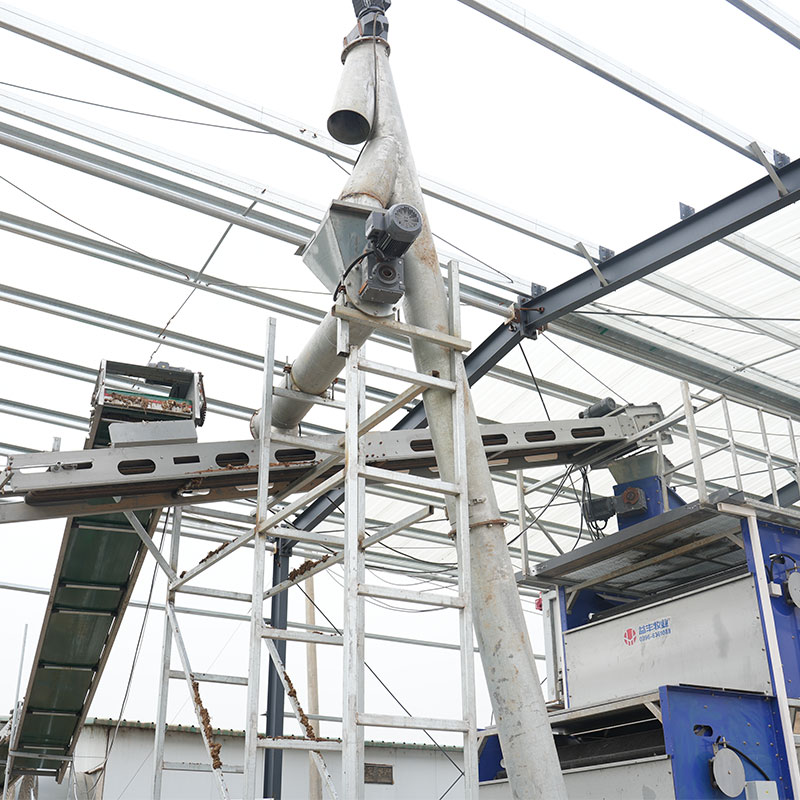
The manure removal system is another critical cost and value driver. The most basic option is a static system with manure belts that require manual engagement to clear the house. The next step up is a timed mechanical system that automatically runs the belts on a set schedule. The premium option is an intelligent, frequency-based system that uses sensors to monitor manure accumulation and only activates when necessary, optimizing fan runtime and reducing fuel costs for drying. A farmer in a region with high electricity costs might find that the energy savings from an intelligent manure system, which reduces the need for constant ventilation to manage moisture, justifies the higher upfront cost within a few years. The initial quote must be scrutinized to understand which type of system is included, as the mechanical and electrical components for an automated solution represent a substantial portion of the total investment.
Feed and water delivery, the lifeblood of the flock, also present a tiered pricing structure. Basic nipple drinker systems with standard pressure regulators do the job, but they can be prone to leakage and inconsistent water pressure, which impacts feed conversion. More advanced systems might include cup drinkers or nipples with pin-style triggers that reduce water spillage, keeping litter drier and improving paw quality. On the feeding side, a simple trough and auger system is the baseline. Higher-end systems incorporate features like anti-roost grills to keep feed clean, and highly sensitive feed line hoppers that minimize leftover feed, ensuring birds receive a fresh ration and reducing waste. This direct impact on feed conversion ratio (FCR)—a difference of even 0.05 points across a full grow-out—can pay for the system upgrade over the course of a single year on a large farm.
Beyond the cage structure itself, the "optional extras" are often where the true operational efficiencies are gained, and they must be factored into the total project cost. Environmental control is the most prominent example. A basic package might include simple thermostats controlling fans and heaters. A mid-tier package integrates these components into a basic controller that manages temperature stages. The high-end investment is a fully integrated climate computer that doesn’t just react to temperature but actively manages it in concert with static pressure, humidity, and even ammonia levels. This computer can be programmed with a growth curve that gradually reduces the target temperature as the birds age and their plumage develops, reducing stress and preventing them from becoming overheated. For a farmer managing multiple houses, the ability to monitor and adjust all environmental parameters from a single mobile device isn’t a luxury; it’s a tool that prevents losses during critical weather events and ensures optimal growth conditions 24/7. This level of control directly improves livability and weight gain, paying a dividend on every flock.
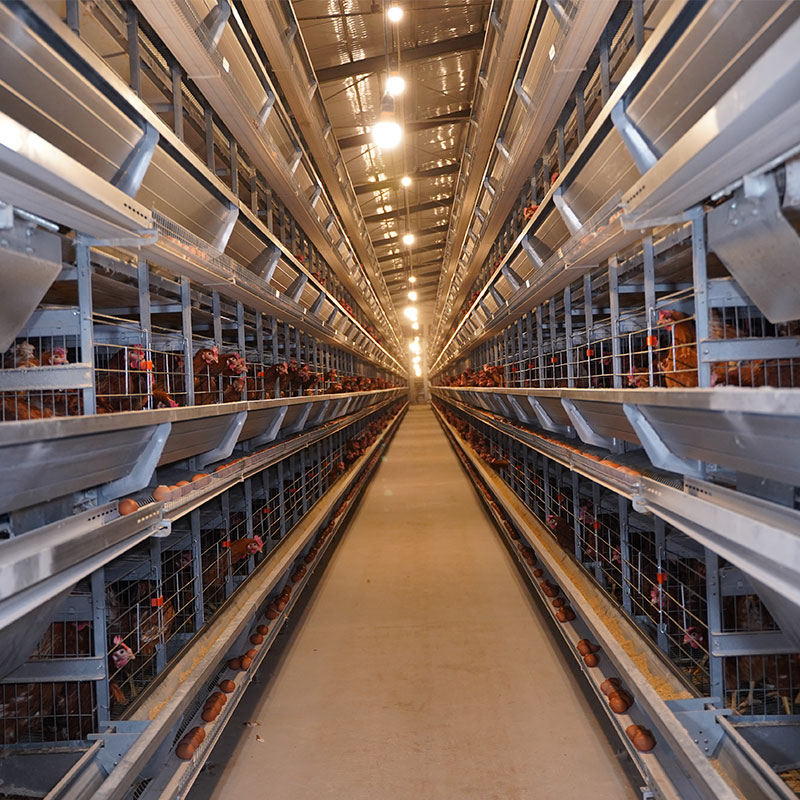
Lighting is another crucial, and often underestimated, component. Standard incandescent or fluorescent fixtures are increasingly rare. Modern LED systems designed for poultry offer dramatic energy savings and superior control. The real value, however, isn't just in the reduced electricity bill. Advanced LED systems allow for precise spectral tuning (different colors of light) and intensity dimming. A farmer can program a specific light color to encourage calm behavior during the initial brooding period and then gradually shift the spectrum and reduce intensity as the birds grow to support skeletal development and reduce aggression. This precise management of the photoperiod has a proven effect on bird health and performance, making the lighting system an active growth management tool, not just an utility.
The automation of daily tasks represents the final frontier in operational cost reduction and is a significant add-on to the base cage price. The most transformative of these is an automatic weighing system. Instead of manually catching and weighing sample birds, which is stressful for both the birds and the workers, automated scales are integrated into the cages. These scales quietly and continuously collect weight data from a representative sample of the flock, feeding it directly to the farm management software. This provides a real-time growth curve, allowing the manager to spot deviations from the target early. If growth plateaus, it could indicate a health issue, a feed quality problem, or an environmental stressor, allowing for intervention before performance is severely impacted. This data is invaluable for making informed decisions about feed changes, harvest scheduling, and evaluating the success of management practices.
Once you move beyond the hardware, the cost of the system is inextricably linked to its installation and the ongoing support behind it. A low bid from a supplier with no local installation team can become a false economy. Proper installation is not assembly; it is precision engineering. Feed lines must be perfectly leveled to ensure even distribution of feed from one end of the house to the other. Water lines must be pressurized and calibrated to deliver the correct volume at every nipple. Misaligned manure belts will cause constant maintenance headaches and premature wear. The experience of a dedicated installation crew that understands the nuances of poultry housing is a value worth paying for. It ensures the system operates as designed from day one, preventing a lifetime of minor inefficiencies that add up to major losses.
Similarly, the availability of spare parts and technical support is a hidden cost of ownership. A system from an international manufacturer with no local distribution network might be cheaper initially, but a broken feed motor during a weekend could halt feeding for 24 hours or more, catastrophically impacting bird welfare and growth. A supplier with a well-stocked local parts warehouse and a technician who can be on-site within hours provides insurance for your entire operation. This service level must be considered part of the total value proposition. The responsiveness of a supplier during the sales process is often a good indicator of their responsiveness after the sale is complete.
The final, and perhaps most important, calculation is the cost per kilogram of meat produced. This shifts the focus from the static price of the equipment to its dynamic performance. A cheaper system that results in a higher mortality rate, a poorer FCR, or higher labor costs will have a higher cost per kilogram than a more expensive, efficient system. For example, a well-designed system that improves bird health and reduces condemnations by even half a percent, or shaves two points off the FCR, generates a continuous financial return. This revenue pays down the capital investment year after year. The decision, therefore, should not be based on which system is cheapest per bird housed, but on which system will produce the cheapest bird to market weight with the highest standards of welfare and operational control.
Financing the investment is the last piece of the puzzle. While outright purchase is one option, leasing arrangements or equipment financing can make a state-of-the-art system accessible. These plans turn a large capital expenditure into a manageable operational cost, which can often be offset by the demonstrated savings and increased revenue the new system generates. A detailed financial projection, modeling the improved performance metrics (FCR, mortality, weight gain, labor savings) against the finance payments, will clearly show the return on investment timeline.
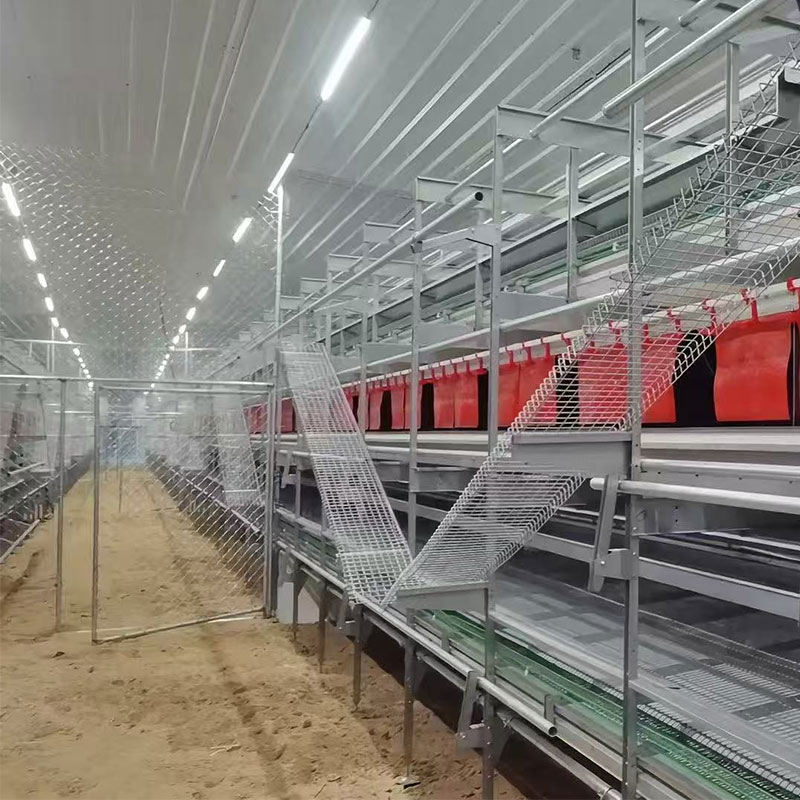
Selecting a broiler cage system is one of the most consequential decisions a producer will make. It is a long-term partnership with a piece of technology that will dictate daily workflow, bird welfare, and financial resilience for over a decade. The initial price tag is merely the entry point to a much deeper analysis of value, performance, and total cost of ownership. The most profitable choice is rarely the cheapest cage on the market; it is the system engineered to efficiently and reliably convert feed and effort into a premium product, flock after flock.
1. Drinking system include the water pipes, water pressure adjuster, drinking nipples, Waterline front-end device, dosing system etc, choose them according to customer's needs.
2. High-quality water drinking pipes, pressure regulating valves and water drinking nipples can effectively prevent the water leakage. Drinking system adopt the closed piping system, which can minimize the water pollution.
3. 360-degree drinking nipples provide adequate drinking water for poultry at all stages.
4. The automatic drinking water system mainly adopts the steel ball drinking nipple. lt uses imported high-grad stainless steel, POM resin, and APS engineering material, which is wearing resistant, and the durability can be used for long time.



1. Automatic feeding machine can be chosen between gantry and ladder feeding machine. Gantry type feeding machine is a relatively economical and practical machine with simple operation, remote control walking character, easy to manage.
2. Mechanical transmission device running smoothly, low noise, long service life.
3. With the use of automatic control, the feeding system can adjust the amount of material.
4. Feeding with arched structure, high carrying capacity, not easily deformed.
5. Saving man power, saving feed, greatly improving the efficiency of Large-scale farming.
6. The walking speed of gantry feeding machine is 9--12 m/min.




1. Manure removing system included scraper type and conveyor belt type, Which can reduce the labor intensity and labor cost, keep the chicken shed dry and clean.
2. A type chicken cage can use scraper type or conveyor belt type.


3. The scraper type is suitable for A type cages, which can clean two or three rows. For the starters, this type is a good choice. lt can not only save some labor cost, but also save some investment in the whole project. The cleaning speed is 6-10 meters per minute.
4. Conveyor belt type is more suitable for large scale farming. The manure removing belt we use is high quality PP material (polypropylene). The walking speed is 2-4 meters per minute.



High Quality Pellets Made by Mobile Pellet Machine
1. It has professional designed angle of the blade. After the dynamic balance test one by one, the blade can operate smoothly.
2. The air volume is consistent in the whole life of the fan. Bearings has advantage of high strength, low noise, durable and so on.
1. The cooling pads uses high-quality wet curtain paper and adopts space cross-linking technology, which has the advantages of high water absorption, high water resistance, anti-toxicity and long service life.
2. The cooling efficiency is over 80%, without surfactant, natural water absorption, fast diffusion speed and long-lasting effect.
3. The product does not contain phenol and other chemical substances that are easy to cause skin allergies. It is non-toxic and harmless to the human body and chicken when installed and used. It is green, safe, energy-saving, environmentally friendly, economical, and easy to install.
4. The frame aluminum alloy has high strength, good corrosion resistance, durability and beautiful appearance.
5. Use a special filter for the cooling pad at the upper water to ensure clean water quality and support efficient water circulation components.
6. Combined with a negative pressure fan, it can effectively lower the indoor temperature.
The window is made of special selected high-quality engineering plastic, with high strength and long service life, together with superior anti-aging and anti-UV performance.
Function: Ventilation of the chicken house, usually used in the winter.
This system can adjust the wind speed and direction, thus the cold air will not reach chicken directly , which can effectively prevent the phenomenon of cold stress in chicken.
Environmental control system equipment is suitable for large-scale and intensive farming. According to customer requirements, we can provide various types of smart poultry equipment.
1. Our poultry management system is a modular system that manages all aspects of the chicken house, such as climate, temperature, humidity, ammonia, feeding, feed weighing, lighting and ventilation systems, and can monitor the situation of the chicken house in real time through a computer and mobile phone.
2. The management computer is the heart of the poultry farm, allowing you to easily monitor the entire poultry farm.

 WeChat:+8617838608255