
The Complete Guide to Chicken Cage Prices: Investing Wisely in Your Poultry Housing
For poultry farmers, homesteaders, and agricultural entrepreneurs, selecting the right chicken cage is a critical decision that directly impacts animal welfare, operational efficiency, and ultimately, profitability. The question of "price" is often the starting point, but it’s far from the whole story. A cage is a longterm investment in your flock's health and your business's success. This comprehensive guide will move beyond a simple price list to provide a deep dive into the factors that determine chicken cage costs. We will equip you with the knowledge to evaluate options, understand what you’re truly paying for, and make a purchase decision that balances upfront cost with longterm value, all while adhering to best practices in poultry management.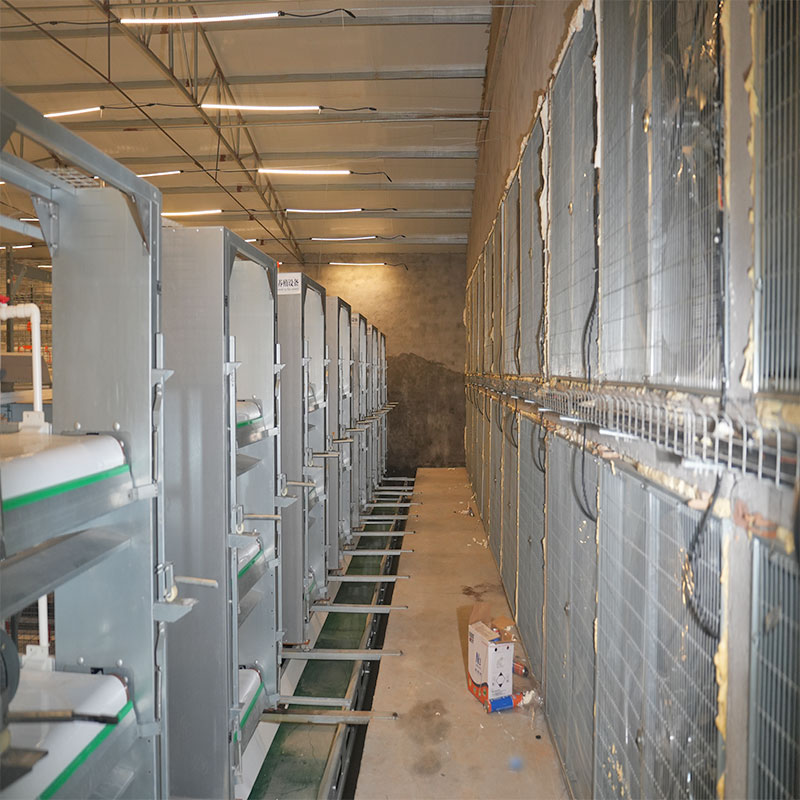
When someone searches for "price of chicken cages," their intent is typically commercial or transactional investigation. They are likely in the research phase, comparing options before making a purchase. They need:
Price Ranges: A realistic spectrum from budget to premium.
Cost Drivers: An explanation of why prices vary so dramatically.
Value Assessment: Guidance on how to evaluate quality versus cost.
Decision Framework: Criteria to choose the right cage for their specific needs (flock size, purpose, scale).
This article is structured to fulfill that intent by providing not just data, but context and expertise.
The cost of a chicken cage is not arbitrary. It’s a direct reflection of its materials, design complexity, and features. Understanding these factors will help you decode any price quote.
This is the most significant price determinant.
Galvanized Steel (HotDip): The industry gold standard for durability and rust resistance. Cages made with thickgauge, hotdip galvanized wire and framework command the highest prices but offer the longest lifespan (1520+ years).
ElectroGalvanized Steel: A thinner zinc coating applied via electroplating. Less expensive but more prone to rust over time, especially in humid environments. A common choice for budgetconscious or smallerscale operations.
Coated Wire (PVC/Epoxy): Wire coated in plastic or epoxy for added corrosion resistance and easier cleaning. Price varies with coating quality; poor coatings can chip or peel.
Frame Strength: The thickness (gauge) of the supporting metal tubes or angles. Heaviergauge frames increase cost but provide crucial stability for stacked systems.
Battery Caging Systems (Layered): These multitiered systems are engineered for highdensity egg production. Their complex design—including manure belts, integrated watering lines, egg collection rolls, and structural supports—makes them the most expensive option per unit but highly efficient per bird housed.
Broiler Cages / GrowOut Pens: Designed for meat birds, these are often simpler singletier structures focused on space and easy access. Prices are generally lower than sophisticated layer systems.
Breeder Cages: Specialized cages for breeding flocks, often featuring individual nests and roosting areas. Their specialized design leads to higher costs.
Portable Tractors or Ark Coops: Smallscale, movable units for backyard flocks. Price depends on size, materials (wood vs. metal), and features like attached runs.
Price scales with size and bird capacity.
Small Backyard Coops (410 birds): $200 $1,500+
Medium Commercial Units (100500 birds): $1,500 $10,000+
Large Industrial Battery Systems (1000+ birds): $10,000 $50,000+, often sold as modular components per "bird place."
"Bare" cages are cheaper; automation adds cost but drastically reduces labor.
Manual Systems: You collect eggs by hand and fill waterers/cups daily.
SemiAutomated: Includes nipple drinker lines and manual egg collection.
Fully Automated: Features automated feeding chains/scales; egg collection belts; manure removal systems; and climate controls. This represents the highest capital investment but lowest longterm operational cost.
Established brands with proven durability and good customer support often have higher prices than generic imports. Consider supplier location—shipping large cages can add significantly to the final cost.
The following table provides a general overview of price ranges based on scale and type.
| Cage Type / Scale | Typical Bird Capacity | Key Features | Estimated Price Range | Primary Use Case |
| : | : | : | : | : |
| Backyard Coop | 4 15 | Wooden/metal hybrid; portable; basic roosts/nest box | $200 $1,200+ | Homesteaders/Hobbyists |
| Small AFrame / Tractor| 10 30 | Movable; open floor run; predator protection | $400 $2,000+ | Pastureraised small flocks |
| SingleTier GrowOut Pen| 50 200 | Simple galvanized design; nipple drinkers; easy access doors | $800 $3,500+ | Broiler production/Small layer flock |
| Medium Commercial Battery System| 500 2,000 birds)">(500 2,000)">(500 2,000)">(500 2,000)">(500 2,000)">(500 2,000)">(500 2,000)">(500 2,000)">(500 2,000)">(500
2000)| Multitiered (34 levels); manure belts/dropping boards; egg guards/rollouts.|$5,000$25,000+| Midsized commercial egg farm|
| Large Industrial Automated System|5,
00
0+|Fully automated feeding & egg collection;climate control;central computer monitoring.|$25
0
00+|Largescale commercial egg production|
Note: These are estimates.Prices vary widely by region,supplier,and exact specification.
As an experienced poultry manager,I advise looking at Total Cost of Ownership(TCO),not just sticker price.
1.Calculate Cost Per Bird Place:
Divide total system cost by number of birds it can house.This standardizes comparison between different models.
2.Factor in Lifespan & Durability:
A$5
0
00 hotdip galvanized cage lasting20 years may be cheaper per year than a$
2500 electrogalvanized cage lasting only7 years before rusting out.Consider your local climate's impact on equipment.
3.Account for Labor Efficiency:
How much time will automation save?If an automated egg belt saves2 hours/day in labor at$
15/hour that's$
10
950/year saveda strong case for higher upfront investment.
4.Consider Bird Performance & Welfare:
A welldesigned cage with proper space reduces stress feather peckingand disease leadingto better feed conversion(FCR),higher egg productionand lower mortality rates.This directly impacts your revenueand profit margins.A cheap cage can become very expensive if it hurts your flock's performance.
5.Plan for Operational Costs:
Does the design allow foreasy cleaningand disinfection?Are spare parts readily available?Whatis energy consumptionof any automated components?
1.Assess Your Needs:
Define your flock size bird type(layers vs.broilers),production goalsand available space.Don't buy more system than you needor skimp on capacityfor future growth.
2.Research Suppliers Thoroughly:
Lookfor established companieswith good aftersales service.Check reviews askfor referencesfrom other farmersand if possible visit an installationin person.Request detailedquotationswith material specifications(gauge typeof galvanization)。
3.Get Multiple Quotes&Compare Specifications LinebyLine:
Ensure youare comparing applestoapples.A lower quote might use thinner wireor omit essential componentslike feedersor drinkers whichyou'll have topurchase separately。
4.Clarify All Costs:
Ask explicitly about shipping deliveryassembly fees taxesand any import duties.Get thisin writing。
5.Start Small if New:
For new farmers consider startingwitha modular systemthat can be expanded lateror purchasing quality used equipmentfroma reputable source to reduce initial capital outlay。
The"priceof chicken cages"is amultifaceted equation where quality durability automationand suitabilityfor your specific operationare critical variables.The cheapest optionoften carries hidden costsin reduced lifespan increased laborand compromised animal welfare.Invest timein thorough research prioritize supplierswho demonstrate expertise(EEAT)and viewyour cage purchaseas alongterm strategic investmentin the healthof your flockandthe sustainabilityof your poultry business.Bymakingan informed decision basedon total valueyou ensureyour housing solution supports productivityand profitabilityforyears to come。
Q1:What isthe averagecostofa chicken cage fora small backyard flock?
A:Fora small backyard flockof610 chickens expectto spendbetween$300and$
1200 fora wellbuilt stationary coopor portable tractor.Prices depend heavilyon materials(size woodvs.metal predatorproofing)and included featureslike nesting boxesandraised roosts。
Q2:Are usedchicken cagesagood waytosave money?
A:Theycan be ifinspected carefully.Lookfor structural integrity minimal rust(bewareof compromised galvanization)and availabilityof spare parts.Disinfect thoroughlybefore use.Bewareof outdated designs thatmay notmeet currentwelfare guidelines。
Q3:How muchdoesa large commerciallayer batterycage systemcost?
A:Large fully automated systemsfor
>
>
>
>
>
>
>
>
>
>
>
>
>> > > > > > > > > > > >>>>>>>>>>>>>>>>>>>>>>>>>>>>>>>>>>>>>>>>>>><<<<<<<<<<<<<<<<<<<<<<<<<<< << << << << << << << << << << << << <<>>>>>><<<>>>>>><<<>>>>>><
1. Drinking system include the water pipes, water pressure adjuster, drinking nipples, Waterline front-end device, dosing system etc, choose them according to customer's needs.
2. High-quality water drinking pipes, pressure regulating valves and water drinking nipples can effectively prevent the water leakage. Drinking system adopt the closed piping system, which can minimize the water pollution.
3. 360-degree drinking nipples provide adequate drinking water for poultry at all stages.
4. The automatic drinking water system mainly adopts the steel ball drinking nipple. lt uses imported high-grad stainless steel, POM resin, and APS engineering material, which is wearing resistant, and the durability can be used for long time.



1. Automatic feeding machine can be chosen between gantry and ladder feeding machine. Gantry type feeding machine is a relatively economical and practical machine with simple operation, remote control walking character, easy to manage.
2. Mechanical transmission device running smoothly, low noise, long service life.
3. With the use of automatic control, the feeding system can adjust the amount of material.
4. Feeding with arched structure, high carrying capacity, not easily deformed.
5. Saving man power, saving feed, greatly improving the efficiency of Large-scale farming.
6. The walking speed of gantry feeding machine is 9--12 m/min.




1. Manure removing system included scraper type and conveyor belt type, Which can reduce the labor intensity and labor cost, keep the chicken shed dry and clean.
2. A type chicken cage can use scraper type or conveyor belt type.


3. The scraper type is suitable for A type cages, which can clean two or three rows. For the starters, this type is a good choice. lt can not only save some labor cost, but also save some investment in the whole project. The cleaning speed is 6-10 meters per minute.
4. Conveyor belt type is more suitable for large scale farming. The manure removing belt we use is high quality PP material (polypropylene). The walking speed is 2-4 meters per minute.



High Quality Pellets Made by Mobile Pellet Machine
1. It has professional designed angle of the blade. After the dynamic balance test one by one, the blade can operate smoothly.
2. The air volume is consistent in the whole life of the fan. Bearings has advantage of high strength, low noise, durable and so on.
1. The cooling pads uses high-quality wet curtain paper and adopts space cross-linking technology, which has the advantages of high water absorption, high water resistance, anti-toxicity and long service life.
2. The cooling efficiency is over 80%, without surfactant, natural water absorption, fast diffusion speed and long-lasting effect.
3. The product does not contain phenol and other chemical substances that are easy to cause skin allergies. It is non-toxic and harmless to the human body and chicken when installed and used. It is green, safe, energy-saving, environmentally friendly, economical, and easy to install.
4. The frame aluminum alloy has high strength, good corrosion resistance, durability and beautiful appearance.
5. Use a special filter for the cooling pad at the upper water to ensure clean water quality and support efficient water circulation components.
6. Combined with a negative pressure fan, it can effectively lower the indoor temperature.
The window is made of special selected high-quality engineering plastic, with high strength and long service life, together with superior anti-aging and anti-UV performance.
Function: Ventilation of the chicken house, usually used in the winter.
This system can adjust the wind speed and direction, thus the cold air will not reach chicken directly , which can effectively prevent the phenomenon of cold stress in chicken.
Environmental control system equipment is suitable for large-scale and intensive farming. According to customer requirements, we can provide various types of smart poultry equipment.
1. Our poultry management system is a modular system that manages all aspects of the chicken house, such as climate, temperature, humidity, ammonia, feeding, feed weighing, lighting and ventilation systems, and can monitor the situation of the chicken house in real time through a computer and mobile phone.
2. The management computer is the heart of the poultry farm, allowing you to easily monitor the entire poultry farm.

 WeChat:+8617838608255