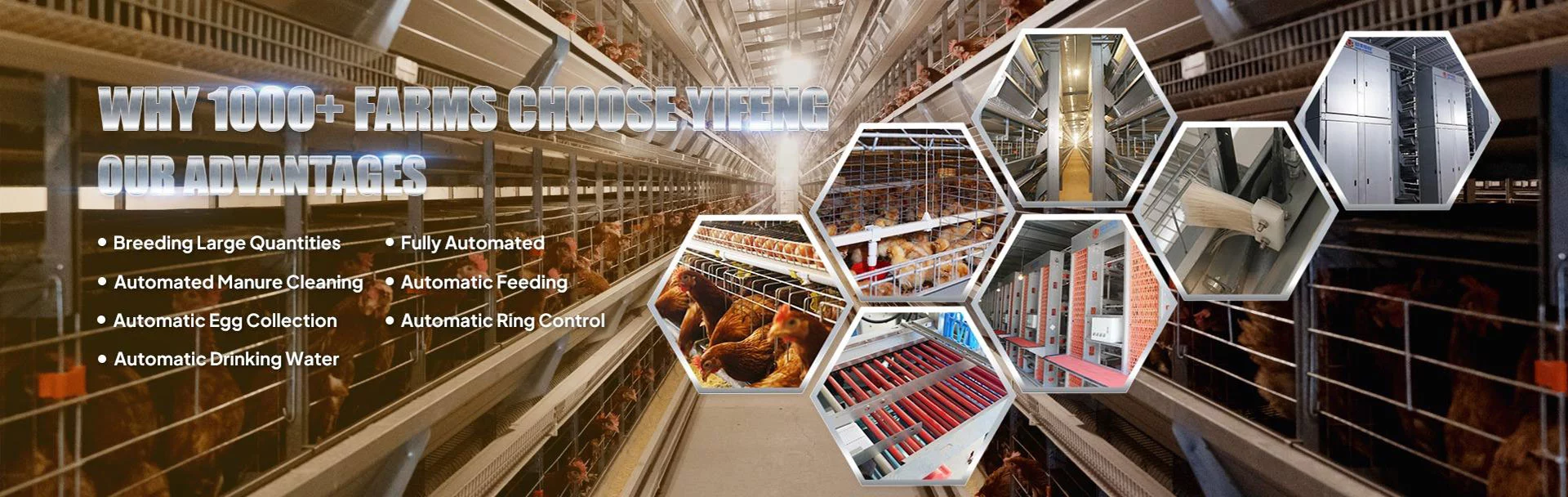
The financial investment in chicken cages represents one of the most significant and long-term decisions a poultry farmer will make. The initial price tag is merely the entry point into a complex calculation that involves durability, bird welfare, labor efficiency, and ultimately, the profitability of your entire operation. Understanding what drives the cost of these systems is crucial for making an informed purchase that aligns with your specific production goals.
The Core Spectrum: From Basic to Complex
At its simplest, a cage system is a structured environment designed to house layers or pullets. The price variation is immense, starting from a few thousand dollars for a small, manually-operated unit to several hundred thousand for a fully automated, climate-controlled house. This range is not arbitrary; it is directly tied to the materials, technology, and design philosophy embedded in the system.
The most basic systems are the A-frame or flat-deck cages, typically constructed from galvanized steel wire. A farmer with a 500-bird free-range operation might use these. They are manually serviced: feed is distributed by hand or with a simple cart, water is provided via nipple lines connected to a central header, and eggs are collected by walking through the aisles. The price here is in the materials and basic fabrication. You are paying for the wire, the supports, and the labor to weld it together. The operational cost, however, is in your time and physical labor every single day.
The next tier introduces automation to these core functions. Here, the price increases significantly because you are no longer just buying metal; you are buying engineered systems. An automated feeding system replaces the feed cart with a chain or auger that runs on a timer, delivering a precise ration down the length of the cage row. An egg collection system uses a slow-moving belt that gathers eggs and transports them to a central collection point. Automatic manure belts run beneath the cages, drying the waste and carrying it to a disposal point, drastically improving air quality and reducing ammonia levels.
The premium end of the market integrates these systems into a single, managed environment. These are often called "environmentally controlled" or "closed-house" systems. The cage price is just one component of a larger package. The building itself becomes part of the system, with insulated panels, computer-controlled ventilation fans, evaporative cooling pads, and heating elements. The feeding system is often connected to a silo outside the barn with sophisticated software managing ration schedules. The manure removal is continuous and often leads to a composting or storage system. You are investing in a biome, a controlled environment where temperature, humidity, feed, water, and light are meticulously managed to optimize bird performance and health.
Material Matters: The Foundation of Longevity
The choice of material is a primary cost driver and a key determinant of the system's lifespan. The standard for decades has been hot-dip galvanized steel. This process involves coating the steel wire and components in a bath of molten zinc, creating a robust barrier against corrosion from moisture and ammonia. A farmer in a humid climate would quickly see the value in this investment, as a cheaper, painted or electroplated system would show rust within a few years, compromising structural integrity and requiring premature replacement.
A step up from galvanized is the use of zinc-aluminum alloys, often marketed under trade names like Galfan or Super Galvanized. This coating offers significantly enhanced corrosion resistance. For a farmer using a wet-manure system or operating in a coastal region with salty air, this extra investment can extend the functional life of the cages by many years, protecting the capital investment.
The highest tier of material is powder coating. After galvanizing, the cage components are sprayed with a dry polymer powder and baked, creating an exceptionally durable, smooth, and non-porous finish. Beyond its superior corrosion resistance, the smooth surface has tangible bird welfare and labor benefits. It is easier to clean and disinfect between flocks, reducing bacterial load. For the birds, it prevents foot and breast injuries that can sometimes occur on rougher welded wire. The price premium is justified by reduced bird mortality, improved product quality (fewer downgraded eggs due to stains), and easier sanitation protocols.
Design and Bird Welfare: The Economics of Comfort
Modern cage design is increasingly influenced by animal welfare standards, both regulatory and consumer-driven. This evolution directly impacts cost. Traditional battery cages, which provided minimal space per bird, are now largely obsolete in many markets, replaced by enriched or furnished colony systems.
An enriched cage system isn't just a bigger box. It is a designed habitat that includes specific, integrated features. Perches allow birds to roost, a natural behavior that reduces stress and improves bone strength. A scratch mat or astroturf area provides foraging activity. Nesting boxes with flexible curtains give hens a private, dark place to lay eggs, which improves egg quality by reducing cracks and keeping shells clean. These features require more materials, more complex engineering, and more space per bird, all of which increase the unit price.
However, this higher initial cost must be weighed against the economic returns. Reduced stress leads to less feather pecking and cannibalism, lowering mortality rates. Stronger bones mean fewer breakages during depopulation. Cleaner eggs command a higher price and reduce the time and cost spent on egg washing. The system is designed to let the bird express its natural behaviors, which in turn creates a more robust and productive animal. You are investing in the bird's well-being to safeguard your output.
Automation: The Labor vs. Capital Equation
The single largest factor moving the price from one tier to the next is the level of automation. This is fundamentally a decision about trading labor cost for capital cost.
A fully manual system has a low capital outlay but a high and recurring labor cost. Consider the time spent: an employee might take two hours each morning to distribute feed to 5,000 birds. Another two hours might be spent collecting eggs by hand, carrying trays, and placing them in coolers. Manure scraping might be a weekly, labor-intensive, and unpleasant task. This model is viable for a small, family-run farm where labor is internal and costs are controlled, but it does not scale efficiently.
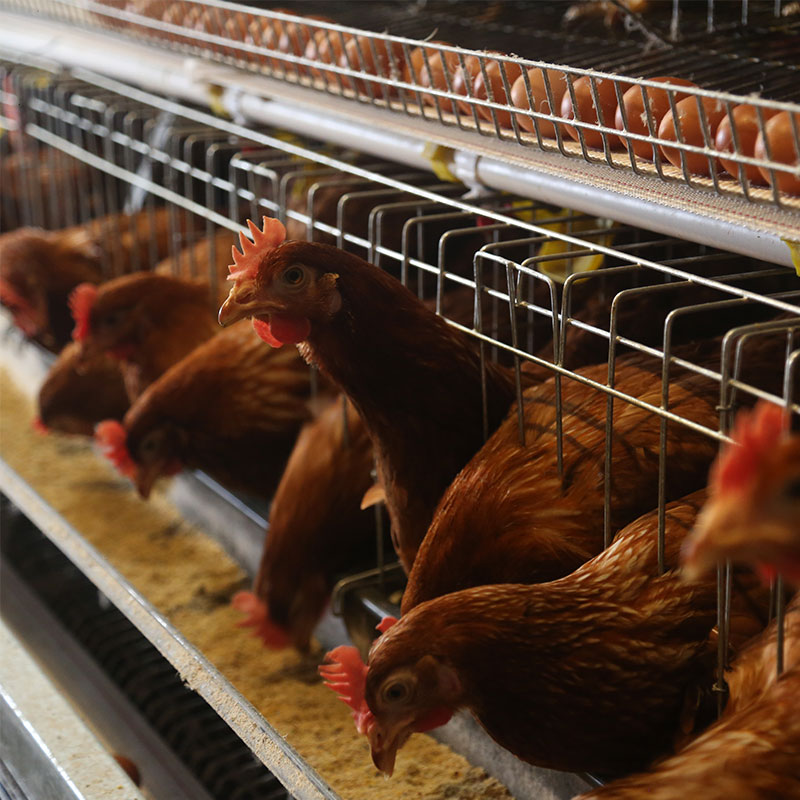
Introducing a basic automated feeding system and an egg belt changes this equation. The capital cost of the equipment might be $20,000. But it eliminates three hours of labor per day. At $15 per hour, that’s $45 saved daily, or over $16,000 per year. The system pays for itself in well under two years and continues to generate savings while also ensuring feed is delivered consistently and eggs are handled more gently, reducing breakage.
Full automation represents the highest capital investment but the lowest variable labor cost. A single worker can manage a house of 50,000 birds because the computer controls the feeding, lighting, and ventilation. The eggs are conveyed directly to a central grading and packing machine. The manure is removed automatically. The farmer’s role shifts from manual labor to management and oversight—monitoring bird health, analyzing production data from the system's software, and performing maintenance. This model is essential for large-scale commercial operations where recruiting and retaining reliable labor is a major challenge. The high price of the system is the ticket to scalability and operational consistency.
Beyond the Cage: The Hidden Costs of Integration
The listed price of the cages themselves is often misleading. The total cost of ownership includes critical ancillary systems.
Ventilation is non-negotiable. A poorly ventilated house will suffer from ammonia buildup, leading to respiratory diseases in the birds and poor egg quality. It can also cause heat stress in summer, plummeting production. The cost of fans, inlets, and controllers must be factored in, whether it’s a simple set of box fans for a open-sided house or a complex tunnel-ventilation system for a closed house.
The watering system is another key component. Basic systems use standard PVC pipes and plastic nipple drinkers. More advanced systems use stainless steel nipples and lines, which are more durable and provide a more hygienic water delivery, reducing the risk of biofilm buildup and disease. The cost difference is notable, but the risk mitigation is valuable.

Lighting has moved from simple incandescent bulbs to energy-efficient LED systems. Modern LED systems can be programmed to simulate dawn and dusk, reducing bird stress associated with sudden light changes. They can also provide specific light spectra that have been shown to influence bird behavior and production. This is another layer of cost that contributes to the overall performance of the environment.
Making the Investment Decision
There is no single "best" system; there is only the best system for your operation. A farmer supplying a local farmers' market with specialty eggs may find that a small, well-built manual system meets their needs and aligns with their brand story. A contract grower for a major integrator will have their system specified for them, designed for maximum efficiency and scale.
The decision-making process should involve a thorough analysis. Calculate not just the price per cage, but the price per bird housed over the expected lifespan of the system. A cheaper system that lasts 5 years is far more expensive than a more durable system that lasts 15 years. Model the labor savings from automation against the capital cost to determine your payback period. Consider your market: are you being paid a premium for welfare-friendly production that justifies the investment in an enriched system?
Finally, the quality of the manufacturer is paramount. A system is a long-term asset. Choose a supplier with a proven reputation for durability, whose design allows for easy replacement of wear-items like plastic egg belts or nipple drinkers. Good technical support and availability of spare parts are insurance policies for your investment. The initial price of chicken cages is a figure on a quote, but the true cost is measured in years of reliable service and the productivity of the flock it supports.
1. Drinking system include the water pipes, water pressure adjuster, drinking nipples, Waterline front-end device, dosing system etc, choose them according to customer's needs.
2. High-quality water drinking pipes, pressure regulating valves and water drinking nipples can effectively prevent the water leakage. Drinking system adopt the closed piping system, which can minimize the water pollution.
3. 360-degree drinking nipples provide adequate drinking water for poultry at all stages.
4. The automatic drinking water system mainly adopts the steel ball drinking nipple. lt uses imported high-grad stainless steel, POM resin, and APS engineering material, which is wearing resistant, and the durability can be used for long time.



1. Automatic feeding machine can be chosen between gantry and ladder feeding machine. Gantry type feeding machine is a relatively economical and practical machine with simple operation, remote control walking character, easy to manage.
2. Mechanical transmission device running smoothly, low noise, long service life.
3. With the use of automatic control, the feeding system can adjust the amount of material.
4. Feeding with arched structure, high carrying capacity, not easily deformed.
5. Saving man power, saving feed, greatly improving the efficiency of Large-scale farming.
6. The walking speed of gantry feeding machine is 9--12 m/min.




1. Manure removing system included scraper type and conveyor belt type, Which can reduce the labor intensity and labor cost, keep the chicken shed dry and clean.
2. A type chicken cage can use scraper type or conveyor belt type.


3. The scraper type is suitable for A type cages, which can clean two or three rows. For the starters, this type is a good choice. lt can not only save some labor cost, but also save some investment in the whole project. The cleaning speed is 6-10 meters per minute.
4. Conveyor belt type is more suitable for large scale farming. The manure removing belt we use is high quality PP material (polypropylene). The walking speed is 2-4 meters per minute.



High Quality Pellets Made by Mobile Pellet Machine
1. It has professional designed angle of the blade. After the dynamic balance test one by one, the blade can operate smoothly.
2. The air volume is consistent in the whole life of the fan. Bearings has advantage of high strength, low noise, durable and so on.
1. The cooling pads uses high-quality wet curtain paper and adopts space cross-linking technology, which has the advantages of high water absorption, high water resistance, anti-toxicity and long service life.
2. The cooling efficiency is over 80%, without surfactant, natural water absorption, fast diffusion speed and long-lasting effect.
3. The product does not contain phenol and other chemical substances that are easy to cause skin allergies. It is non-toxic and harmless to the human body and chicken when installed and used. It is green, safe, energy-saving, environmentally friendly, economical, and easy to install.
4. The frame aluminum alloy has high strength, good corrosion resistance, durability and beautiful appearance.
5. Use a special filter for the cooling pad at the upper water to ensure clean water quality and support efficient water circulation components.
6. Combined with a negative pressure fan, it can effectively lower the indoor temperature.
The window is made of special selected high-quality engineering plastic, with high strength and long service life, together with superior anti-aging and anti-UV performance.
Function: Ventilation of the chicken house, usually used in the winter.
This system can adjust the wind speed and direction, thus the cold air will not reach chicken directly , which can effectively prevent the phenomenon of cold stress in chicken.
Environmental control system equipment is suitable for large-scale and intensive farming. According to customer requirements, we can provide various types of smart poultry equipment.
1. Our poultry management system is a modular system that manages all aspects of the chicken house, such as climate, temperature, humidity, ammonia, feeding, feed weighing, lighting and ventilation systems, and can monitor the situation of the chicken house in real time through a computer and mobile phone.
2. The management computer is the heart of the poultry farm, allowing you to easily monitor the entire poultry farm.

 WeChat:+8617838608255