The financial weight of cage investment sits squarely on every poultry farmer’s shoulders long before the first chick arrives. It’s a capital outlay that dictates daily operations for years, influencing everything from bird welfare and worker efficiency to the final cost per egg or kilogram of meat. Navigating the price of poultry cages is less about finding the cheapest option and more about understanding the long-term value engineered into different systems. The initial purchase price is merely the entry ticket; the real cost unfolds over the lifespan of the equipment through durability, labor requirements, and bird performance.
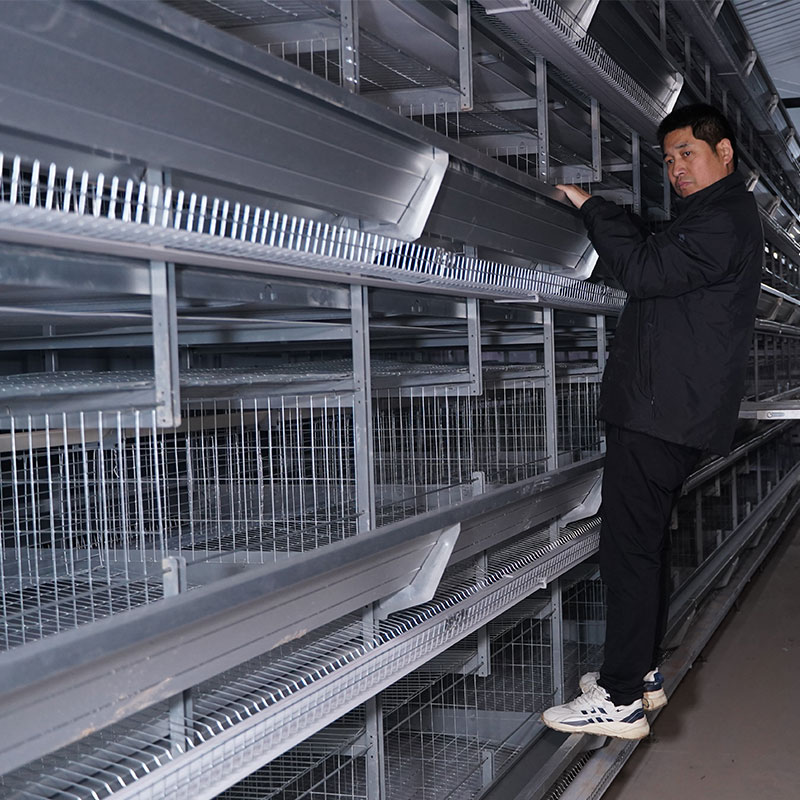
For a small-scale layer operation with 500 birds, the cage decision might start with basic, manually collected battery cages. A farmer might find a system priced at $30 per bird, making the total investment around $15,000. This seems manageable. The cages are simple: a series of wire compartments stacked three or four high, with a feed trough at the front and a manure belt or drop pan beneath. The price includes the cage frame, the watering system, and the feed troughs. But this base price is a shell. It doesn’t include the essential supporting infrastructure. The farmer must then factor in the cost of the housing structure itself, ventilation fans, cooling pads, lighting systems, and electrical work. Suddenly, the $15,000 for cages is part of a much larger $50,000 project. The operating cost begins with daily manual egg collection, which for 500 birds might take a worker over an hour each day, and weekly manure scraping, a laborious and unpleasant task. The wear and tear on the cage’s galvanized wire is a constant concern; rust spots must be treated immediately, and broken wires can injure birds and require repairs. After seven or eight years, the system might be so degraded that replacement is necessary, meaning the farmer must calculate the annual depreciation of that initial $15,000.
Contrast this with a modern automated layer system for a 50,000-bird operation. The per-bird price might be higher, perhaps $45 to $55, translating to a staggering $2.5 million investment just for the cages and their integrated mechanics. This price, however, buys an entirely different level of functionality. It’s not just a cage; it’s a closed-loop production environment. The system includes precision-feeding hoppers that run along the cages, dispensing a perfectly formulated diet at timed intervals. Nipple watering lines provide fresh water on demand. The critical difference is in the automation: a central conveyor belt system runs continuously, gently carrying eggs from each cage directly to a centralized packing station. Another set of belts beneath the tiers removes manure on a programmed schedule, depositing it outside the house for disposal. This automation drastically reduces labor. Instead of hours spent collecting eggs, a worker monitors a computer screen that tracks egg production rates and flags any jams in the conveyor system. The manure handling is hands-off, improving hygiene and reducing ammonia levels inside the house, which directly benefits bird health. The steel used in these systems is often a heavier gauge, hot-dip galvanized to resist corrosion for a 15-to-20-year lifespan. The higher initial price is amortized over more years and offset by significantly lower weekly labor costs and better bird performance, making the true cost per dozen eggs more competitive.
The pricing structure for broiler cages reveals a different set of priorities centered on weight gain and feed conversion. While traditional floor rearing is common, cage systems for broilers are designed for high-density, controlled production. A typical broiler cage module might be priced lower per bird than a layer cage, perhaps $15-$20, because the requirements are different. There’s no need for an egg collection system or specially designed sloping wire floors. The focus is on sturdy construction to hold the considerable weight of growing birds and providing unimpeded access to feed and water. The integrated price often includes linear feeding systems and nipple drinkers. The financial calculation for a broiler farmer is intensely focused on turnover. A flock might be in the house for only 42 days. Therefore, the cage system must be incredibly durable to withstand constant washing and disinfection between flocks and the physical stress of rapid bird movement. A cheaper system that requires welding repairs after every second flock is a false economy. The price premium for a system with reinforced welds, anti-corrosion coatings, and easy-clean surfaces pays for itself by minimizing downtime between flocks. The key metric is feed conversion ratio (FCR); cages that minimize bird movement (reducing energy expenditure) and prevent feed wastage through well-designed troughs can directly improve FCR. A difference of just 0.05 in FCR across 100,000 birds represents a massive saving in feed costs, which can quickly justify the investment in a better-designed, slightly more expensive system.
Beyond the basic automated versus manual dichotomy, several design and material factors create tiers within each price category. The type of wire used is a primary cost driver. Electro-galvanized wire is a cost-effective option, where a thin layer of zinc is applied via an electrical process. It’s suitable for drier environments but can be prone to rust over time, especially from constant exposure to manure fumes. Hot-dip galvanized steel, where the wire is submerged in molten zinc, provides a much thicker, more durable coating. This process is more expensive, adding 10-15% to the raw material cost, but it can double or triple the system's lifespan in corrosive environments. For a farmer in a humid coastal region, specifying hot-dip galvanized components isn’t an upgrade; it’s a necessity to protect their investment.
The design of the cage floor is another critical factor affecting price and performance. For layers, the floor must be strong enough to support the bird yet sloped correctly to allow eggs to roll away smoothly without becoming cracked or dirty. A poorly designed floor with flat spots or sharp angles will lead to a higher percentage of floor eggs and cracks, directly impacting revenue. More expensive systems use a precision-welded wire mesh with a specific slope and often a plastic coating on the wire at the egg roll-out area. This coating protects the eggshell from damage and reduces noise. This added feature increases the unit price but can reduce egg loss by 2-3%, which for a large farm amounts to thousands of dollars annually.
Manure management systems are perhaps the largest differentiator in both function and cost. The simplest and cheapest option is the deep-pit system, where manure is allowed to accumulate beneath the cages for an entire production cycle or longer. The cages themselves are less complex, but the farmer must invest in powerful ventilation to control ammonia and eventually in specialized equipment to empty the pit. A step up is the scraped alley, where a mechanical scraper moves manure down a concrete aisle to a collection point daily. This requires a more complex mechanism and adds to the system's cost. The most efficient and expensive option is the continuous belt system. Perforated belts run beneath each tier of cages, removing manure multiple times a day and transporting it directly outside the building. This system, which can add 20% or more to the total cage system price, offers profound benefits: drastically improved air quality, reduced disease pressure, and the production of drier, more valuable manure that can be sold as fertilizer. The choice here is a direct trade-off between initial capital expenditure and long-term operational benefits.
For any farmer, navigating supplier quotes requires a forensic eye. A low quote might be achieved by using thinner-gauge steel, which will sag under load and require propping up in a few years. It might exclude essential components like feeders, drinkers, or egg belts, which are then listed as costly add-ons. A reputable supplier will provide a detailed breakdown that includes the gauge of the wire, the type of galvanization, the design of the feeding system (chain vs. auger), the capacity of the feed bins, and the specifications of the motors driving the conveyors. They should also provide a clear timeline for delivery and installation. A system shipped from overseas might have a lower factory price, but unexpected tariffs, lengthy shipping delays, and the complexity of arranging local installation can erase any initial savings. A local supplier, though perhaps charging more for the equipment, might include expert installation and readily available spare parts in their package, ensuring the system is operational on day one.

The final calculation of price must extend beyond the invoice. It’s the cost of the cages divided by their expected lifespan, plus the annual labor required to operate them, minus the value of any improved production (more eggs, better FCR, lower mortality). A $100,000 system that lasts ten years and requires one full-time worker has a very different annual cost profile than a $150,000 system that lasts fifteen years and cuts labor needs in half. The more expensive system likely delivers a lower cost per bird housed over its lifetime. This value engineering is what separates a short-term purchase from a long-term strategic investment. The right cage price isn’t the lowest number on a page; it’s the one that aligns with a farm’s specific operational goals, labor reality, and vision for the future, ensuring the business remains viable and competitive for the next generation.
1. Drinking system include the water pipes, water pressure adjuster, drinking nipples, Waterline front-end device, dosing system etc, choose them according to customer's needs.
2. High-quality water drinking pipes, pressure regulating valves and water drinking nipples can effectively prevent the water leakage. Drinking system adopt the closed piping system, which can minimize the water pollution.
3. 360-degree drinking nipples provide adequate drinking water for poultry at all stages.
4. The automatic drinking water system mainly adopts the steel ball drinking nipple. lt uses imported high-grad stainless steel, POM resin, and APS engineering material, which is wearing resistant, and the durability can be used for long time.



1. Automatic feeding machine can be chosen between gantry and ladder feeding machine. Gantry type feeding machine is a relatively economical and practical machine with simple operation, remote control walking character, easy to manage.
2. Mechanical transmission device running smoothly, low noise, long service life.
3. With the use of automatic control, the feeding system can adjust the amount of material.
4. Feeding with arched structure, high carrying capacity, not easily deformed.
5. Saving man power, saving feed, greatly improving the efficiency of Large-scale farming.
6. The walking speed of gantry feeding machine is 9--12 m/min.




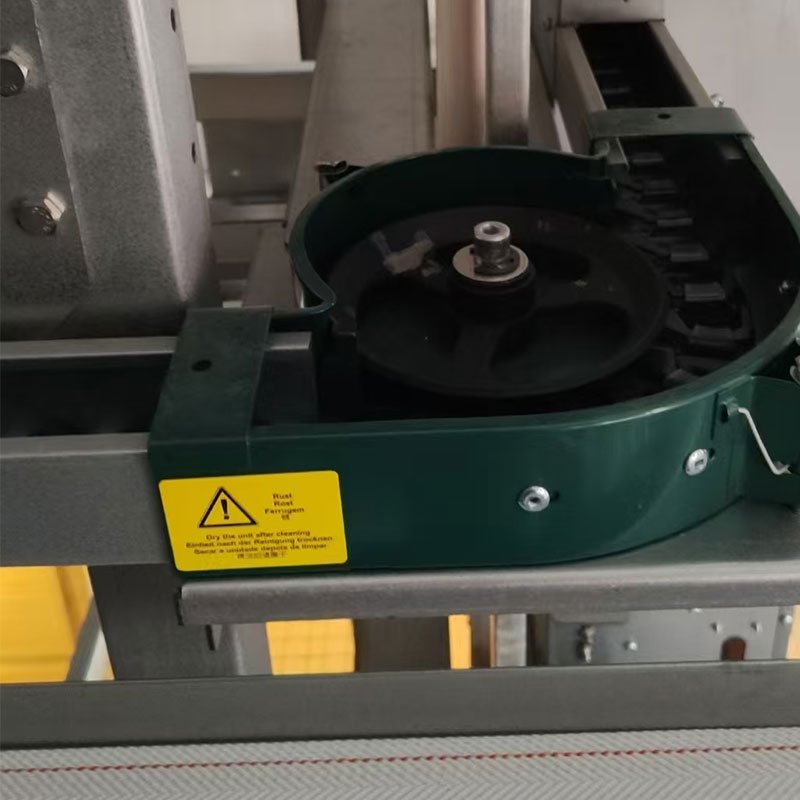
1. Manure removing system included scraper type and conveyor belt type, Which can reduce the labor intensity and labor cost, keep the chicken shed dry and clean.
2. A type chicken cage can use scraper type or conveyor belt type.


3. The scraper type is suitable for A type cages, which can clean two or three rows. For the starters, this type is a good choice. lt can not only save some labor cost, but also save some investment in the whole project. The cleaning speed is 6-10 meters per minute.
4. Conveyor belt type is more suitable for large scale farming. The manure removing belt we use is high quality PP material (polypropylene). The walking speed is 2-4 meters per minute.



High Quality Pellets Made by Mobile Pellet Machine
1. It has professional designed angle of the blade. After the dynamic balance test one by one, the blade can operate smoothly.
2. The air volume is consistent in the whole life of the fan. Bearings has advantage of high strength, low noise, durable and so on.
1. The cooling pads uses high-quality wet curtain paper and adopts space cross-linking technology, which has the advantages of high water absorption, high water resistance, anti-toxicity and long service life.
2. The cooling efficiency is over 80%, without surfactant, natural water absorption, fast diffusion speed and long-lasting effect.
3. The product does not contain phenol and other chemical substances that are easy to cause skin allergies. It is non-toxic and harmless to the human body and chicken when installed and used. It is green, safe, energy-saving, environmentally friendly, economical, and easy to install.
4. The frame aluminum alloy has high strength, good corrosion resistance, durability and beautiful appearance.
5. Use a special filter for the cooling pad at the upper water to ensure clean water quality and support efficient water circulation components.
6. Combined with a negative pressure fan, it can effectively lower the indoor temperature.
The window is made of special selected high-quality engineering plastic, with high strength and long service life, together with superior anti-aging and anti-UV performance.
Function: Ventilation of the chicken house, usually used in the winter.
This system can adjust the wind speed and direction, thus the cold air will not reach chicken directly , which can effectively prevent the phenomenon of cold stress in chicken.
Environmental control system equipment is suitable for large-scale and intensive farming. According to customer requirements, we can provide various types of smart poultry equipment.
1. Our poultry management system is a modular system that manages all aspects of the chicken house, such as climate, temperature, humidity, ammonia, feeding, feed weighing, lighting and ventilation systems, and can monitor the situation of the chicken house in real time through a computer and mobile phone.
2. The management computer is the heart of the poultry farm, allowing you to easily monitor the entire poultry farm.

 WeChat:+8617838608255