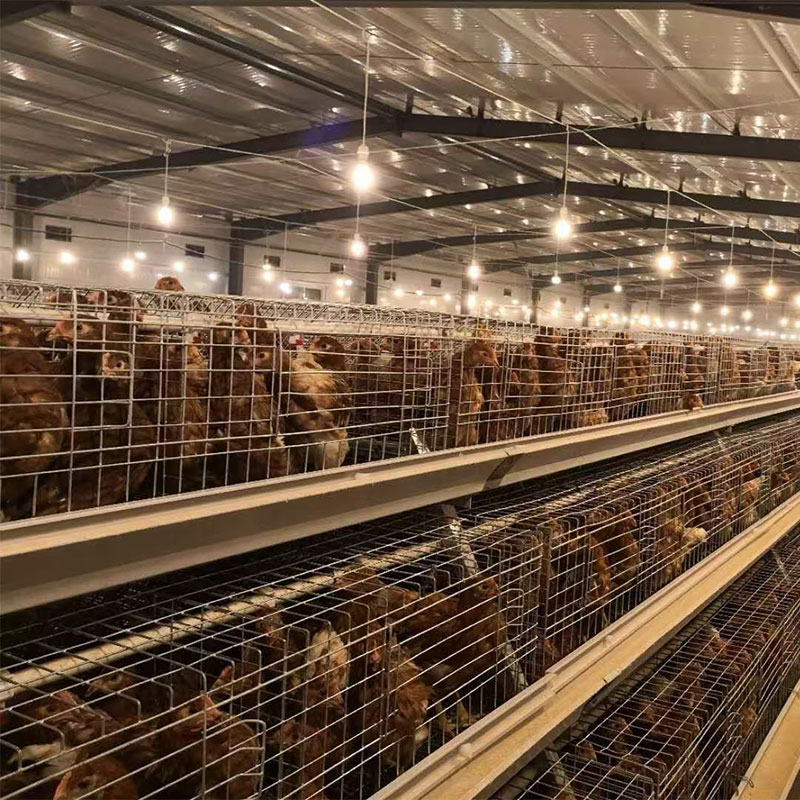
The financial commitment to pullet cages represents one of the most significant upfront investments a poultry farmer will make. Unlike a piece of machinery that might be replaced after a decade, a well-constructed cage system forms the very backbone of the rearing operation for 15 years or more. The price tag on a quote is more than just a number; it’s a long-term contract that will influence daily labor, bird performance, and ultimately, the profitability of every flock of laying hens that follows. Understanding what drives these costs is not about finding the cheapest option, but about investing in the right system for your specific operation.
A common mistake is to compare systems based solely on square footage or per-bird space cost. This overlooks the fundamental engineering and material differences that define a cage's lifespan and functionality. The core components—the galvanization process, wire gauge, and structural framing—are where the real value, and cost, are determined.
Galvanization is the first major differentiator. This is the process of applying a protective zinc coating to steel to prevent rust. The poultry house environment, with its constant humidity and ammonia exposure, is exceptionally corrosive. A substandard coating will fail, leading to rust that weakens wires and creates rough surfaces that can injure birds.
Electro-galvanized (EG) wire is the most economical option. The wire is dipped in a zinc electroplating bath, resulting in a thin, smooth coating. While suitable for some equipment, in a pullet cage, this coating is simply too thin. It might look acceptable for a season or two, but you will likely see the first signs of rust—a white powdery residue—within a few years, compromising the system's integrity and requiring premature replacement.
Hot-dip galvanized (GI) wire is the industry standard for durable systems. The steel wire is cleaned and then immersed in a vat of molten zinc. This creates a thicker, more robust coating that is metallurgically bonded to the steel. The finish is rougher and less shiny than EG, but it offers significantly better corrosion resistance. A GI system should last 10-15 years without structural rusting issues.
Galfan wire represents the premium tier. This alloy of zinc, aluminum, and rare earth elements is also applied in a hot-dip process. It offers approximately two to three times the corrosion resistance of standard hot-dip galvanization. For farmers in regions with high humidity, coastal climates, or those who prioritize maximizing the system's lifespan to 20+ years, Galfan is the investment. The initial price is higher, but the cost is amortized over a much longer period.
Wire gauge, or thickness, is directly tied to both durability and price. Gauge is measured inversely; a lower number means a thicker, stronger wire. A cage made with 14-gauge main wires will feel substantially more rigid and solid than one constructed with flimsier 16-gauge wire. Thicker wire resists bending under load and impact during pressure washing. It prevents sagging between supports over time, which is critical for maintaining consistent manure belt clearance and ensuring easy movement of birds between tiers. Opting for a heavier gauge costs more upfront in materials but pays dividends in reduced maintenance and a longer functional life.
The structural framework is the skeleton of the entire installation. Lightweight angle iron or thin rectangular tubing might save on material cost, but it can lead to a system that flexes and vibrates. This is not just a feel issue; it impacts the reliability of the automated systems attached to it. A shaky frame will cause feed trolleys to jump off track, rattle nipple drinker lines loose, and create misalignment with egg belts in adjacent laying cages. A robust frame, often made from heavy-duty cold-rolled steel or high-grade tubing, provides a stable, vibration-free platform. This ensures all your automated components work as intended, reducing downtime and repair costs. When reviewing quotes, pay close attention to the specifications of the main support posts and rails.
Beyond the raw materials, the design philosophy of the system itself is a major cost driver. The industry has moved far beyond simple, static cages.
Tiered A-frame systems are the traditional and most economical design. Cages are stacked in a triangular arrangement, relying on gravity for manure to fall into a pit below. While low-cost, they offer limited flexibility, poorer manure management (leading to higher ammonia levels), and make bird inspection more labor-intensive.
Vertical Tier (Stacked) Systems with Manure Belts are now the prevalent choice for modern operations. Each tier of cages has its own continuous manure belt, typically made of durable plastic or rubber. These belts run daily, removing manure from the house and dramatically improving air quality. This design is inherently more expensive due to the cost of the belts, the drive systems, and the more complex supporting structure. However, the bird health and environmental benefits are substantial, making it a necessary investment for most scale farmers.
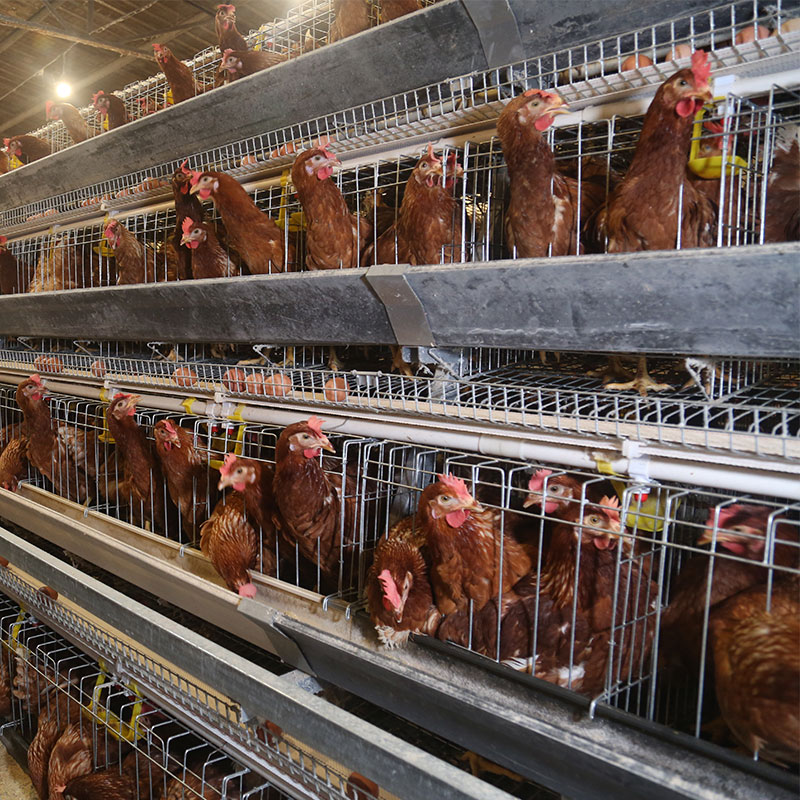
The shift from manual to automated rearing is perhaps the most significant evolution. A basic cage is a container. A modern pullet rearing system is an integrated tool for precision management. This integration is where a large portion of the cost is justified.
Feed Systems: The choice between a chain-and-trough system and an auger-and-pan system affects price and performance. Auger systems are generally more expensive but offer superior feed delivery accuracy, less spillage, and are gentler on feed, preventing segregation of crumbles. The ability to precisely control feed allocation for different rows or tiers is a powerful management feature that influences flock uniformity.

Watering Systems: Nipple drinker systems are standard, but their quality varies. Cheap nipples may leak, drip, or have inconsistent trigger pressures, leading to wet litter and wasted water. High-quality nipples with stainless steel triggers, backflow preventers, and pressure-regulating manifolds ensure reliable water delivery, which is non-negotiable for bird health.
Lighting: Integrated, programmable LED lighting systems are no longer an add-on but a core component. Uniform light intensity throughout the cage system is critical for preventing piling and ensuring even bird development. The ability to create precise dawn/dusk dimming scenarios directly influences pullet maturity.
The physical installation is a cost that can surprise unprepared farmers. A container of cages arrives as a colossal kit of thousands of parts. Professional installation crews specialize in the efficient and correct assembly of these systems. Their expertise ensures everything is level, square, and aligned—factors that are absolutely critical for the smooth operation of belts and feeders. While it is a significant added expense, attempting a self-installation without experience can lead to months of delays, operational headaches, and voided warranties. Factor installation, which can be 15-25% of the total system cost, directly into your capital budget.
Finally, the concept of "value engineering" must be approached with caution. Some manufacturers offer systems that appear identical on a brochure spec sheet but achieve a lower price by making subtle, consequential compromises. This might include using thinner paint on the framework instead of a powder coat, using plastic pulleys on manure belts instead of metal, or offering less robust drive motors. These are the components that will fail first. It is essential to look beyond the brochure and ask detailed questions about the specifications of every component.
When soliciting quotes, move beyond a simple price-per-bird comparison. Request a detailed bill of materials. Ask specific questions: What is the galvanization type and coating weight? What is the gauge of the cage floor wire versus the side walls? What is the warranty on the drive motors and electronic controllers? Ask for references from farmers who have used the system for five years or more and visit their farms if possible. See how the equipment has held up to daily use and harsh cleaning protocols.
The decision is a balance between immediate capital outlay and long-term operational efficiency. A cheaper system consumes capital just once, but it may continue to "cost" through increased labor, higher repair bills, poorer bird performance, and a shorter replacement cycle. The true cost of a pullet cage is not its purchase price, but its total cost over its entire productive life on your farm. Investing in a robust, well-designed system from a reputable manufacturer is ultimately an investment in the predictability, health, and profitability of your flocks for the next two decades. It is the foundation upon which successful egg production is built.
1. Drinking system include the water pipes, water pressure adjuster, drinking nipples, Waterline front-end device, dosing system etc, choose them according to customer's needs.
2. High-quality water drinking pipes, pressure regulating valves and water drinking nipples can effectively prevent the water leakage. Drinking system adopt the closed piping system, which can minimize the water pollution.
3. 360-degree drinking nipples provide adequate drinking water for poultry at all stages.
4. The automatic drinking water system mainly adopts the steel ball drinking nipple. lt uses imported high-grad stainless steel, POM resin, and APS engineering material, which is wearing resistant, and the durability can be used for long time.



1. Automatic feeding machine can be chosen between gantry and ladder feeding machine. Gantry type feeding machine is a relatively economical and practical machine with simple operation, remote control walking character, easy to manage.
2. Mechanical transmission device running smoothly, low noise, long service life.
3. With the use of automatic control, the feeding system can adjust the amount of material.
4. Feeding with arched structure, high carrying capacity, not easily deformed.
5. Saving man power, saving feed, greatly improving the efficiency of Large-scale farming.
6. The walking speed of gantry feeding machine is 9--12 m/min.




1. Manure removing system included scraper type and conveyor belt type, Which can reduce the labor intensity and labor cost, keep the chicken shed dry and clean.
2. A type chicken cage can use scraper type or conveyor belt type.


3. The scraper type is suitable for A type cages, which can clean two or three rows. For the starters, this type is a good choice. lt can not only save some labor cost, but also save some investment in the whole project. The cleaning speed is 6-10 meters per minute.
4. Conveyor belt type is more suitable for large scale farming. The manure removing belt we use is high quality PP material (polypropylene). The walking speed is 2-4 meters per minute.



High Quality Pellets Made by Mobile Pellet Machine
1. It has professional designed angle of the blade. After the dynamic balance test one by one, the blade can operate smoothly.
2. The air volume is consistent in the whole life of the fan. Bearings has advantage of high strength, low noise, durable and so on.
1. The cooling pads uses high-quality wet curtain paper and adopts space cross-linking technology, which has the advantages of high water absorption, high water resistance, anti-toxicity and long service life.
2. The cooling efficiency is over 80%, without surfactant, natural water absorption, fast diffusion speed and long-lasting effect.
3. The product does not contain phenol and other chemical substances that are easy to cause skin allergies. It is non-toxic and harmless to the human body and chicken when installed and used. It is green, safe, energy-saving, environmentally friendly, economical, and easy to install.
4. The frame aluminum alloy has high strength, good corrosion resistance, durability and beautiful appearance.
5. Use a special filter for the cooling pad at the upper water to ensure clean water quality and support efficient water circulation components.
6. Combined with a negative pressure fan, it can effectively lower the indoor temperature.
The window is made of special selected high-quality engineering plastic, with high strength and long service life, together with superior anti-aging and anti-UV performance.
Function: Ventilation of the chicken house, usually used in the winter.
This system can adjust the wind speed and direction, thus the cold air will not reach chicken directly , which can effectively prevent the phenomenon of cold stress in chicken.
Environmental control system equipment is suitable for large-scale and intensive farming. According to customer requirements, we can provide various types of smart poultry equipment.
1. Our poultry management system is a modular system that manages all aspects of the chicken house, such as climate, temperature, humidity, ammonia, feeding, feed weighing, lighting and ventilation systems, and can monitor the situation of the chicken house in real time through a computer and mobile phone.
2. The management computer is the heart of the poultry farm, allowing you to easily monitor the entire poultry farm.

 WeChat:+8617838608255