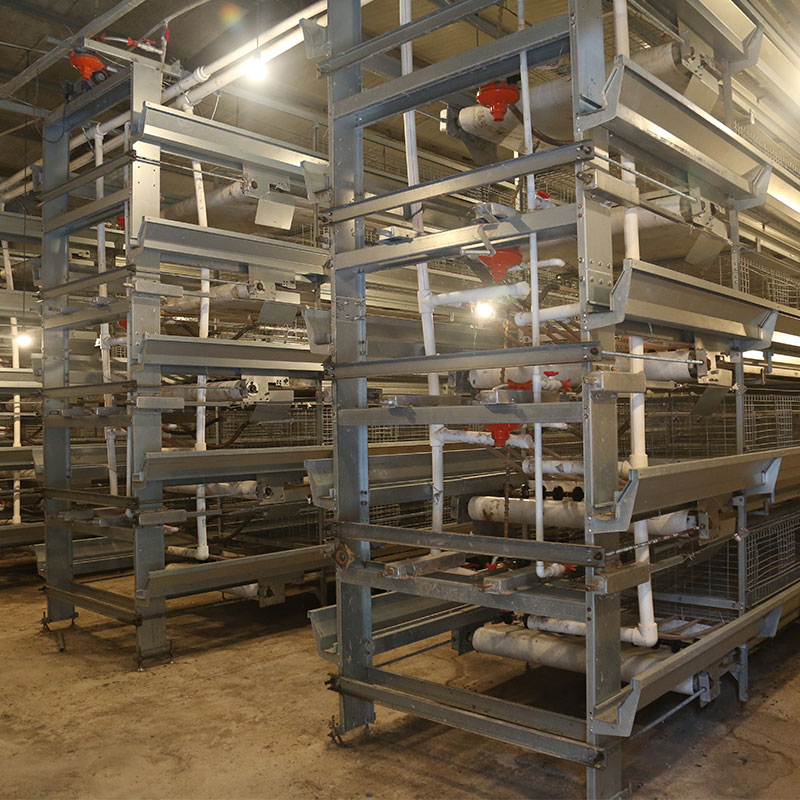
Pullet Chicken Cages: A Comprehensive Guide for Modern Poultry Farmers
For poultry farmers, the transition period from chick to laying hen is one of the most critical phases in a bird's life. The housing system used during this juvenile stage—specifically, pullet chicken cages—plays a monumental role in determining the future health, productivity, and welfare of your flock. Choosing the right cage system isn't just about containment; it's about fostering optimal development, ensuring biosecurity, and establishing a foundation for a profitable laying cycle. This guide delves deep into the world of pullet cages, moving beyond basic definitions to provide actionable insights grounded in modern poultry science and practical farm management. Whether you're scaling up your operation or optimizing an existing one, understanding the nuances of pullet housing is your first step toward a successful layer operation.
Pullet chicken cages are specialized housing units designed to rear young female chickens (pullets) from the point they leave brooding (typically around 68 weeks) until they are transferred to their adult laying housing at approximately 1618 weeks of age.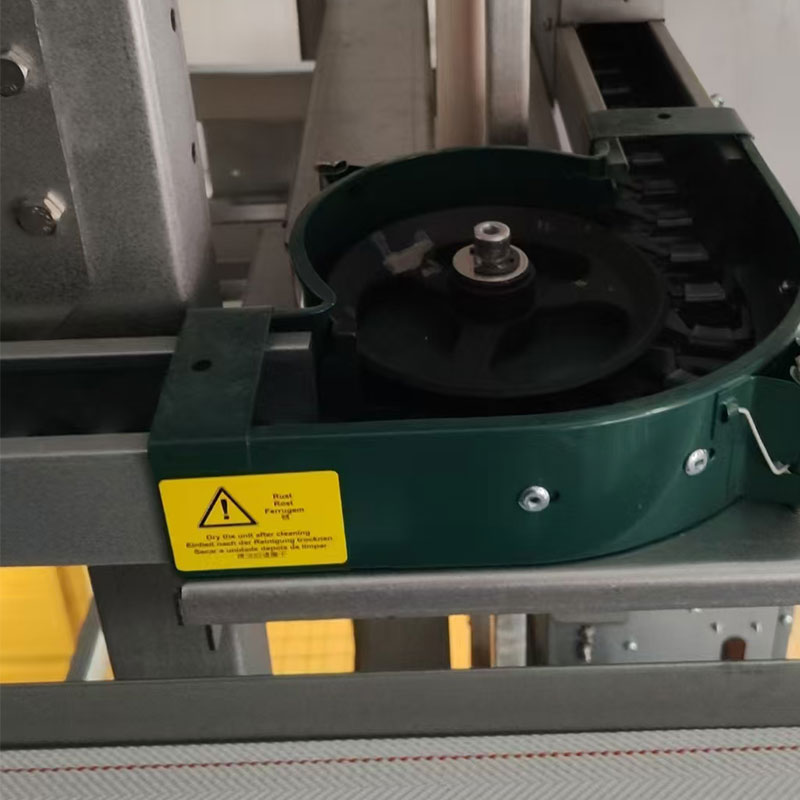
Unlike brooder boxes or floor systems, pullet cages are engineered for this specific growth phase. Their primary objectives are:
Controlled Development: To manage growth rates and ensure uniform body weight within the flock.
Health Management: To minimize exposure to pathogens and parasites commonly found in litter.
Behavioral Training: To acclimate birds to a caged environment before they move into layer cages or aviaries, reducing transfer stress.
Operational Efficiency: To allow for easier monitoring, vaccination, and management of birds with less labor input.
A welldesigned pullet cage system is a complex piece of agricultural equipment. Here are its core components:
Modern systems are typically constructed from galvanized steel for durability and corrosion resistance. The dimensions are scientifically calculated to provide adequate space per bird as it grows, complying with animal welfare standards (e.g., UEP, EU directives). Space allowance is often defined as square inches per bird and increases as the pullets grow.
This is arguably the most critical feature. Pullet cage floors are usually made of welded wire mesh with a specific grid pattern.
Grid Size: Designed to be small enough to support tiny feet comfortably but large enough to allow manure to pass through. A common specification is 1/2" x 1" or similar rectangular mesh.
Slope: A slight slope guides eggs laid by early maturing pullets gently toward the collection area.
Feed Troughs: Long, continuous troughs run along the front (or front and back) of the cage. Adjustable height mechanisms are crucial—the trough should be at back level to ensure easy access while minimizing feed wastage.
Nipple Drinkers: The industry standard. They provide clean, ondemand water directly into the cage, drastically reducing spillage and keeping birds drier than bell drinkers.
Efficient manure handling is vital for air quality and disease control.
Manure Belts: Many modern tieredcage systems (battery cages) feature conveyor belts beneath each tier that remove manure regularly to a central collection point.
Deep Pit: In some house designs, cages are stacked over a deep pit where manure accumulates for periodic removal.
Pullet cages are installed within environmentally controlled houses. The cage design must not impede:
Airflow: Uniform ventilation across all tiers is essential to remove moisture, heat, and ammonia.
Lighting: A uniform light intensity must reach all birds evenly to prevent uneven sexual maturation.
Farmers can choose from several configurations based on their scale, budget, and welfare commitments.
| System Type | Description | Pros | Cons | Best For |
| : | : | : | : | : |
| Conventional Tiered (Battery) Cages | Multiple tiers (usually 36) stacked vertically with manure belts or pits below. | High stock density; Excellent bird observation; Efficient manure management; Lower labor per bird. | Higher initial investment; Requires strict environmental control; Perceived lower welfare by some standards. | Largescale commercial operations focused on efficiency. |
| Aviary Pullet Systems | Multitiered enclosures that allow birds vertical space to move between levels using perches and platforms. | Allows expression of natural behaviors (flying, perching); Prepares birds for aviary layer houses; Meets higher welfare certifications. | More complex management; Higher risk of mislaid eggs & piling; Can be less uniform flock development if not managed well. | Farms supplying welfarefocused markets (cagefree eggs). |
| Combi/PulletLayer Cages | A single cage system designed to house birds from pullet stage through lay by expanding space via movable partitions. | Eliminates stressful transfer between houses; Can improve continuity; Reduces capital in separate houses. | Requires precise weight management; Compromise on ideal space for each phase; Not universally suitable for all breeds/flocks.| Operations looking to simplify logistics on a single site. |
The investment in a dedicated pullet system yields significant returns:
1. Superior Flock Uniformity: The single greatest predictor of peak lay performance is body weight uniformity at pointoflay (POL). Cages allow for precise control over feed intake per bird compared to floor systems where dominant birds can monopolize resources.
2. Enhanced Biosecurity & Disease Control: Birds have minimal contact with their manure due to sloped wire floors and regular belt cleaning.This drastically reduces parasite loads (coccidia, worms) and bacterial exposure (E.coli).
3. Improved Feed & Water Efficiency: Feed troughs minimize spillage,and nipple drinkers reduce waste.Less competition means each bird gets its required ration,making feed conversion ratios more efficient during growth.
4.Easier Management & Monitoring: Caretakers can quickly walk aisles,inspect every bird's condition,and easily catch individuals for vaccination or health checks.Labor requirements for daily tasks are reduced.
5.Preparation for Layer Housing: For farms using caged layer systems,pullets raised in similar environments experience far less stress during transfer.They are already accustomedto feeders,nipple drinkers,and confined movement.This leadsto amore rapid recoveryand earlier onsetof stable egg production.

Technology alone doesn't guarantee success.Management is key:
Stocking Density & Space Allocation
Always follow breed guidelinesand local regulations.Space must increase as birds grow.A common mistakeis using final POL spacefrom day one—this can leadto poor early feeder accessand uneven growth.Startwith appropriate chickpullettransition densityand planfor expansionor movement.
Feeder & Drinker Management
Adjust feeder height dailyforthe first week,and weekly thereafter.The lipof the troughshould be levelwiththe heightofthe birds' backs.Nipple drinker heightshould be setso chicks/pulletsmust reach slightly upwardat a ~45degree angle.Check water pressure daily.
Lighting Program
Implementa controlled lighting programto manage sexual maturity.Do not use bright lightin early rearingto encourage feed intakeand activity,followedbya controlled decreaseor steady periodto holdbirds until desired transferweightis achieved.Consistency acrossall tiersis vital.
Monitoring & Record Keeping
Weigha sampleofbirds weekly(100birds per house minimum).Calculate averageweightand uniformity(%ofbirdswithin ±10%of average).Use this datato adjustfeed allocation.Keep detailed recordsof mortality,vaccinations,and feed consumption.
Even withthe best systems,farmers may encounter issues:
| Challenge/Symptom | Potential Cause(s) |
| : | : |
| Poor Uniformity (<80% within ±10%)| Overcrowding,inadequate feeder/waterer space,disease,poor environmental conditions(especially hot spots),feed distribution issues|
| Feather Pecking/Cannibalism| Overcrowding,bright lighting,poor nutrition(protein deficiency),boredom,lackof environmental enrichment|
| Foot Pad Lesions| Improper wire floor grid size(large openings),wet/dirty flooring,poor nutrition(biotin deficiency)|
| Early/Late Maturation| Inconsistent lighting program(in intensity orduration),incorrect feed formulation(energy/protein levels),extreme temperatures affecting feed intake|
Pullett rearingis not merelya waiting period—itisthe formative stagewhere lifetime potentialis built.Pullett chicken cagesoffer apowerful toolfor commercial farmersto exerciseprecision livestock farmingduring this phase.The choicebetween conventional tiered systemsand enriched aviary styleswill dependon your market,end goals,and operational philosophy.Regardlessofthe type,the principles remain:prioritize flock uniformity,vigilant health management,and meticulous environmental control.An investmentin optimizedpullett housingpays direct dividendsin henhouse performance,laying persistency,and overall farm profitability.Ultimately,a healthy,welfarepositive,and uniformly developedpullett leaving her cageat18 weeksisthe strongest assetany egg producercan have moving forward.
Here we address some ofthe most common "People Also Ask" questions related topullett chicken cages:
Q1: At what age do chicks go into pullett cages?
Chicks typically transition from brooders topullett cages between6and8 weeksof age.This allows themto be fully featheredand capableof regulating their body temperature without supplemental heat.They should alsobe consuming feedand water reliably beforethe move.
Q2: How much space does apullett needina cage?
Space requirements varyby breed,cage design,and local legislation.A general guidelinefor commercial white egglaying strainsis around100130square inchesperbirdbythe time they reachpointoflay(1618 weeks).Always consultyour breed's management guidefor specific recommendationsandincrease spaceas they growfrom chick size.
Q3: Can I use my old layer cagesfor raising pullets?
Itis possiblebut often not ideal.Layer cageshave larger floor mesh(to accommodate larger feet)and different feeder heightsdesignedfor adult hens.This can leadto foot problems,poor feeder access,and wasted feedin younger,smallerpullets.Dedicatedpullett cageswith appropriate flooringare strongly recommendedfor best results.
Q4: Whatisthe difference betweenapullett cageanda brooder?
Broodersare usedforthe first few weeksoflife.They provide localized heat(lampsor panels),small feeders/waterers,and oftenhave solid floorswith litter.Pullett cagestake over after brooding,focusingon growingthe birdsto maturity without supplemental heat,in acaged environmentthat manages manure efficientlyand controls resource access.
Q5: How do I prevent feather pecking inpullett cages?
Key strategies include providing adequate space,maintining proper light intensity(dim lightsare calming),ensuring balanced nutrition(particularly proteinandsalt levels),avoiding sudden changesin routine.If allowedbyyour system,introducing pecking substrates(e.g.,plastic chains)can help redirectthis behavior.
Q6: Are there "cagefree" optionsfor raisingpullets?
Yes.Farms producing "cagefree" eggs must raise theirpullettsin compatible systems.This typically meansaviariesornoncaged floor systems withlitterandenrichments.Itiscrucialthatthepullett rearingenvironment matchesor prepares themforthe adult laying environmenttoreduce stress.
Q7: How often should manure belts run inpullett cages?
This dependsonthe climate,bird age,and system design.Generally,in multitier belt systems,running belts onceortwice dailyissufficientduring cool weather.In hot,humid conditions,running belts more frequently(e.g.,34 times)drysto reduce ammonia productionand improve air quality.
Q8:What vaccinations dopulets needwhile incages?
Avaccination programis tailoredtoyour region's disease challenges.Common vaccinations given duringthepulett rearingphase(in ovoorinwater)include Marek's Disease,Bronchitis(IBV),Newcastle Disease(NDV),Avian Encephalomyelitis(AE),Fowl Pox,and sometimesCoccidiosis.Follow advicefromyour veterinarian.
Q9:Whatisthe ideal temperatureforpulets incages?
After brooding,temperature shouldbe gradually reduced.A general ruleistodecrease byabout5°F(23°C)per weekuntil reachingastable ambient temperatureof7075°F(2124°C).Crucially,birds mustbe observedforsignsof comfort(huddling=too cold;panting=too hot)and temperature adjusted accordingly.Ventilation formoisture removalisoften more importantthanheat atthis stage.
Q10:What happensif my pulets startlaying eggs inthecage beforetransfer?
Early layerscan occurif sexual maturityishastenedbytoo much lightornutrition.Collect these small("peewee")eggs dailyfromthemanure beltortray.Ideally,your lighting programshouldbe managedtoprevent significant laybeforetransfer,butsome early eggsare common.Move these earlymaturingbirdstothe layer housetogetherwiththeir flockmates.
1. Drinking system include the water pipes, water pressure adjuster, drinking nipples, Waterline front-end device, dosing system etc, choose them according to customer's needs.
2. High-quality water drinking pipes, pressure regulating valves and water drinking nipples can effectively prevent the water leakage. Drinking system adopt the closed piping system, which can minimize the water pollution.
3. 360-degree drinking nipples provide adequate drinking water for poultry at all stages.
4. The automatic drinking water system mainly adopts the steel ball drinking nipple. lt uses imported high-grad stainless steel, POM resin, and APS engineering material, which is wearing resistant, and the durability can be used for long time.



1. Automatic feeding machine can be chosen between gantry and ladder feeding machine. Gantry type feeding machine is a relatively economical and practical machine with simple operation, remote control walking character, easy to manage.
2. Mechanical transmission device running smoothly, low noise, long service life.
3. With the use of automatic control, the feeding system can adjust the amount of material.
4. Feeding with arched structure, high carrying capacity, not easily deformed.
5. Saving man power, saving feed, greatly improving the efficiency of Large-scale farming.
6. The walking speed of gantry feeding machine is 9--12 m/min.




1. Manure removing system included scraper type and conveyor belt type, Which can reduce the labor intensity and labor cost, keep the chicken shed dry and clean.
2. A type chicken cage can use scraper type or conveyor belt type.


3. The scraper type is suitable for A type cages, which can clean two or three rows. For the starters, this type is a good choice. lt can not only save some labor cost, but also save some investment in the whole project. The cleaning speed is 6-10 meters per minute.
4. Conveyor belt type is more suitable for large scale farming. The manure removing belt we use is high quality PP material (polypropylene). The walking speed is 2-4 meters per minute.



High Quality Pellets Made by Mobile Pellet Machine
1. It has professional designed angle of the blade. After the dynamic balance test one by one, the blade can operate smoothly.
2. The air volume is consistent in the whole life of the fan. Bearings has advantage of high strength, low noise, durable and so on.
1. The cooling pads uses high-quality wet curtain paper and adopts space cross-linking technology, which has the advantages of high water absorption, high water resistance, anti-toxicity and long service life.
2. The cooling efficiency is over 80%, without surfactant, natural water absorption, fast diffusion speed and long-lasting effect.
3. The product does not contain phenol and other chemical substances that are easy to cause skin allergies. It is non-toxic and harmless to the human body and chicken when installed and used. It is green, safe, energy-saving, environmentally friendly, economical, and easy to install.
4. The frame aluminum alloy has high strength, good corrosion resistance, durability and beautiful appearance.
5. Use a special filter for the cooling pad at the upper water to ensure clean water quality and support efficient water circulation components.
6. Combined with a negative pressure fan, it can effectively lower the indoor temperature.
The window is made of special selected high-quality engineering plastic, with high strength and long service life, together with superior anti-aging and anti-UV performance.
Function: Ventilation of the chicken house, usually used in the winter.
This system can adjust the wind speed and direction, thus the cold air will not reach chicken directly , which can effectively prevent the phenomenon of cold stress in chicken.
Environmental control system equipment is suitable for large-scale and intensive farming. According to customer requirements, we can provide various types of smart poultry equipment.
1. Our poultry management system is a modular system that manages all aspects of the chicken house, such as climate, temperature, humidity, ammonia, feeding, feed weighing, lighting and ventilation systems, and can monitor the situation of the chicken house in real time through a computer and mobile phone.
2. The management computer is the heart of the poultry farm, allowing you to easily monitor the entire poultry farm.

 WeChat:+8617838608255