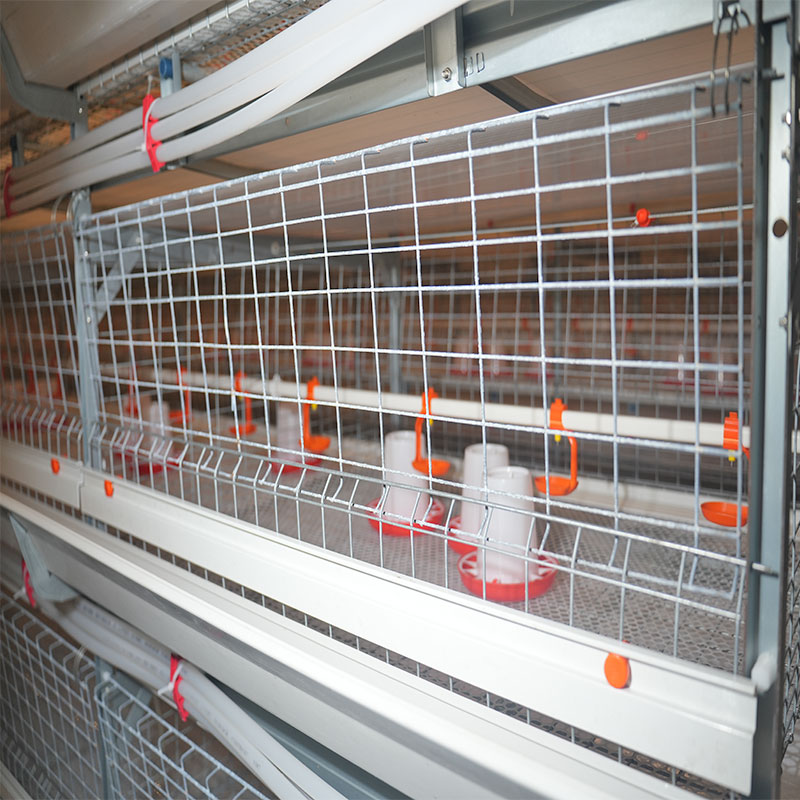
The early weeks of a pullet’s life set the stage for her entire laying cycle. Get it wrong, and you’ll be managing poor uniformity, delayed onset of lay, and behavioral issues for months. Get it right, and you have a flock primed for peak productivity, robust health, and a longer, more profitable lay. The choice of housing during this critical rearing phase is not merely a purchasing decision; it’s a strategic investment in the future of your entire operation.
For decades, the industry standard was to rear pullets on the floor, only moving them to their layer cages at point-of-lay. This method, while familiar, creates a significant stress event. The birds are suddenly confronted with a new environment, new feeding and drinking systems, and the social dynamics of a cage. This transition shock can suppress immune function and delay the start of production. Modern pullet cage systems are engineered to eliminate this problem. The core principle is simple: rear the bird in an environment that mirrors, as closely as possible, the one she will live in for her productive life. This concept, known as the acclimatization principle, is the driving force behind the design of today’s pullet cages.
Consider a young pullet reared in a well-designed cage system. From day one, she learns to navigate vertical space, hopping between tiers to access feed and water. She becomes accustomed to the wire mesh under her feet. She develops the muscle tone and bone strength necessary for moving confidently in a three-dimensional environment. Most importantly, she learns the location of every nipple drinker and every feed trough. When she is eventually transferred to the layer house, she isn’t moving to a foreign land; she’s simply being relocated to an identical setup. There is no learning curve. There is no panic. She finds feed and water immediately, and egg production commences on schedule, often with a steeper and higher peak.
Beyond acclimatization, the most immediate benefit a farmer notices is the radical improvement in flock uniformity. Uniformity—the percentage of birds within 10% of the flock’s average weight—is the single greatest predictor of laying performance. A non-uniform flock means some birds are too small and will come into lay late, producing smaller eggs, while others are too fat, leading to prolapse and other health issues. In a floor system, dominant birds control the feeder lines, leading to inconsistent nutrient intake.
A pullet cage system solves this by providing precise, individualized access. Each bird has equal opportunity to eat and drink. There are no bullies to guard the feeder. Automated feeding systems ensure a consistent, fresh supply of feed is delivered at regular intervals along the entire length of the cage row. The result is a flock where the weights cluster tightly around the target. You see it on the scale during weekly weigh-ins: the bell curve is narrow and high. This uniformity translates directly to the layer house. The flock peaks together, persists together, and is managed as a single, cohesive unit rather than a collection of outliers.
The design of these systems is a study in purposeful engineering. They are not simply smaller versions of layer cages; they are tailored to the specific needs of a growing bird.
Tier configuration is a primary consideration. Three-tier systems are the most common, offering an excellent balance of space utilization and animal density. Four-tier systems maximize bird capacity within a given footprint, a crucial factor for operations with limited building space. However, the fourth tier requires careful management of light distribution and ventilation to ensure the environment is consistent from top to bottom. The height between tiers, known as the headspace, is critical. Insufficient headspace can lead to head injuries as birds jump between levels, while excessive space is a waste of vertical real estate. Modern designs provide ample clearance for the specific breed being reared, allowing for natural jumping behavior without risk.
The flooring is another key differentiator. While layer cages use a stiffer, heavier-gauge wire to support the weight of the birds and eggs, pullet cages often employ a lighter, more flexible plastic-coated wire or a dedicated plastic mesh floor. This softer surface is gentler on the developing foot pads and keel bones of young chicks, preventing lesions and promoting skeletal health. The mesh size is small enough to prevent leg injuries but large enough to allow manure to pass through cleanly, keeping the birds dry and separated from waste.
Manure management is handled in one of two ways. The traditional method is the manure belt system. A continuous belt runs beneath each tier, collecting droppings. These belts are typically run at intervals to transport the manure to one end of the house for disposal or drying. This system provides excellent manure quality and superior moisture control, as the waste is removed from the bird environment promptly. The alternative is a deep-pit system, where the manure drops into a pit beneath the cages to be removed once or twice a year. While requiring less daily management, this method demands a more powerful ventilation system to manage humidity and ammonia levels within the house. The choice often comes down to existing infrastructure and local environmental regulations.
Feed and water systems are the lifelines of the operation. Overhead chain feeders are the industry standard for their reliability and ability to deliver feed evenly along the entire length of a long cage row. The design of the feed trough is crucial. It must have a low lip for easy access by day-old chicks but be deep enough to contain the feed ration for older, larger pullets. Anti-roost strips are a simple but vital feature—a angled wire or plastic strip above the trough that prevents birds from perching and defecating into their own food supply.
Nipple drinkers have entirely supplanted cup or trough systems for water delivery. They provide the cleanest possible water, drastically reducing the risk of waterborne pathogens. The water pressure is regulated by a pressure reducer and adjustable drippers to ensure each nipple delivers just a drop of water when activated, preventing spillage and keeping the manure drier. The height of these nipples must be adjustable. They start very low for chicks and are raised incrementally as the birds grow, always positioned at the height of the bird’s eye to encourage natural drinking behavior.
The process of transferring pullets from the rearing house to the layer house, once a labor-intensive and stressful event, is streamlined with cage systems. The entire cage module, often a single row or section, can be designed to be mobile. Specialized transfer machines align with the pullet cages, and the birds are gently coaxed onto a conveyor belt that carries them directly into waiting layer cages. This mechanized process is swift, reduces human handling stress, and minimizes the time the birds are off feed and water. For some designs, the cages themselves are rolled on tracks directly to the layer house, where the birds are simply encouraged to walk from their rearing cage into an adjacent, identical layer cage.
When evaluating systems for purchase, looking beyond the initial price tag is essential. The true cost is measured over the lifespan of the equipment. Galvanization is the first thing to inspect. A flimsy, thin galvanized coating will rust and degrade quickly in the humid, ammonia-rich environment of a poultry house. Look for systems that use high-tensile steel with a heavy, hot-dip galvanized coating after fabrication. This ensures every weld and joint is protected from corrosion, guaranteeing the structure will last for a decade or more. The quality of the welding itself is a telltale sign of manufacturing standards. Clean, consistent welds indicate strength and attention to detail; sloppy, uneven welds are a point of future failure.
Moving parts demand particular scrutiny. The wheels and guides for the manure belts, the links of the feeder chain, the mechanisms for adjusting water lines—these are the components that experience daily wear and tear. They should be made from durable, non-corrosive materials like stainless steel or engineering-grade plastics. A broken manure belt guide might seem like a small part, but if it’s difficult to source or replace, it can lead to days of downtime and manual labor.
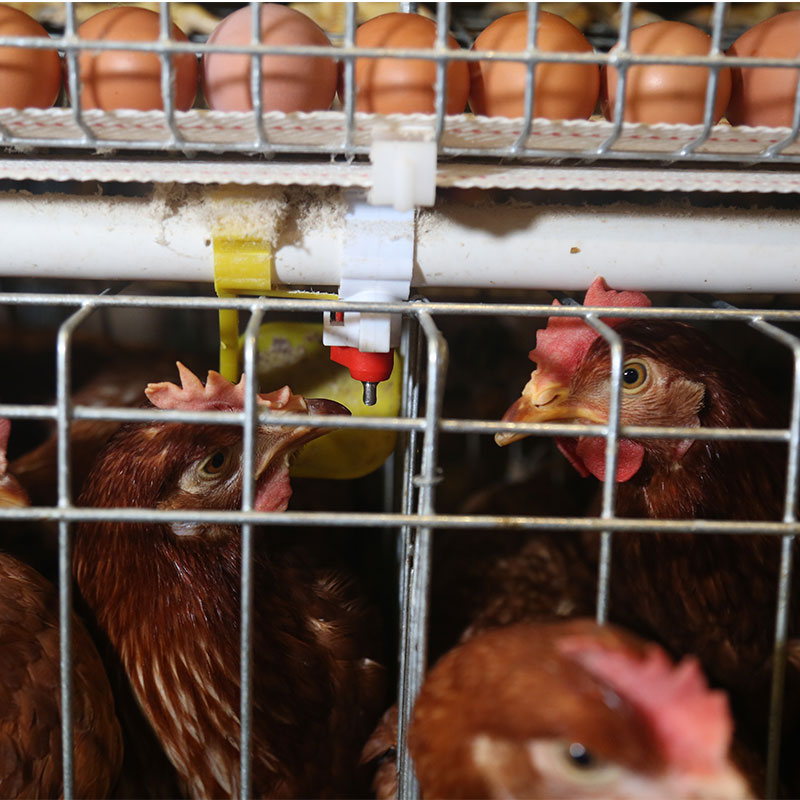
The layout of your existing or planned poultry house will dictate the optimal system configuration. A narrow, older house might be best suited for a two-tier system to maintain adequate ventilation, while a new, wide tunnel-ventilated house can easily accommodate a four-tier setup. Working with a supplier who provides detailed layout drawings is crucial. These drawings should account for not just the cages, but also the necessary service aisles, feed bins, and ventilation inlets. A common mistake is to cram too many tiers into a house with low ceilings, sacrificing air quality and making bird inspection nearly impossible.
The supplier’s reputation is as important as the equipment itself. Seek out companies with a long track record and ask for references from other farmers, particularly those with similar climate conditions and flock sizes. Inquire about the availability of spare parts. A system is only as good as your ability to maintain it. A local supplier with a well-stocked parts warehouse is invaluable when a critical component fails on a weekend. Finally, assess the quality of their technical support and training. A good supplier won’t just deliver and install the cages; they will train your staff on daily operations, troubleshooting, and preventative maintenance schedules.

Transitioning to a pullet cage system represents a significant capital investment. The justification, however, is found in the downstream returns. The measurable metrics include a higher peak production, a more persistent lay, improved feed conversion due to better flock uniformity, and a reduction in mortality. Just as importantly, the operational efficiencies are profound. Labor requirements for daily bird management, vaccination, and monitoring are drastically reduced. The birds are always visible and accessible. Feed wastage is minimized as it is contained within the troughs. Water spillage is virtually eliminated.
The decision is a move toward a more controlled, predictable, and ultimately more profitable rearing operation. It is an acknowledgment that the foundation of a successful laying flock is built not in the layer house, but in the weeks and months beforehand. By providing a controlled environment that promotes health, uniformity, and familiarity, modern pullet cage systems turn the rearing phase from a necessary chore into a powerful strategic advantage.
1. Drinking system include the water pipes, water pressure adjuster, drinking nipples, Waterline front-end device, dosing system etc, choose them according to customer's needs.
2. High-quality water drinking pipes, pressure regulating valves and water drinking nipples can effectively prevent the water leakage. Drinking system adopt the closed piping system, which can minimize the water pollution.
3. 360-degree drinking nipples provide adequate drinking water for poultry at all stages.
4. The automatic drinking water system mainly adopts the steel ball drinking nipple. lt uses imported high-grad stainless steel, POM resin, and APS engineering material, which is wearing resistant, and the durability can be used for long time.



1. Automatic feeding machine can be chosen between gantry and ladder feeding machine. Gantry type feeding machine is a relatively economical and practical machine with simple operation, remote control walking character, easy to manage.
2. Mechanical transmission device running smoothly, low noise, long service life.
3. With the use of automatic control, the feeding system can adjust the amount of material.
4. Feeding with arched structure, high carrying capacity, not easily deformed.
5. Saving man power, saving feed, greatly improving the efficiency of Large-scale farming.
6. The walking speed of gantry feeding machine is 9--12 m/min.




1. Manure removing system included scraper type and conveyor belt type, Which can reduce the labor intensity and labor cost, keep the chicken shed dry and clean.
2. A type chicken cage can use scraper type or conveyor belt type.


3. The scraper type is suitable for A type cages, which can clean two or three rows. For the starters, this type is a good choice. lt can not only save some labor cost, but also save some investment in the whole project. The cleaning speed is 6-10 meters per minute.
4. Conveyor belt type is more suitable for large scale farming. The manure removing belt we use is high quality PP material (polypropylene). The walking speed is 2-4 meters per minute.



High Quality Pellets Made by Mobile Pellet Machine
1. It has professional designed angle of the blade. After the dynamic balance test one by one, the blade can operate smoothly.
2. The air volume is consistent in the whole life of the fan. Bearings has advantage of high strength, low noise, durable and so on.
1. The cooling pads uses high-quality wet curtain paper and adopts space cross-linking technology, which has the advantages of high water absorption, high water resistance, anti-toxicity and long service life.
2. The cooling efficiency is over 80%, without surfactant, natural water absorption, fast diffusion speed and long-lasting effect.
3. The product does not contain phenol and other chemical substances that are easy to cause skin allergies. It is non-toxic and harmless to the human body and chicken when installed and used. It is green, safe, energy-saving, environmentally friendly, economical, and easy to install.
4. The frame aluminum alloy has high strength, good corrosion resistance, durability and beautiful appearance.
5. Use a special filter for the cooling pad at the upper water to ensure clean water quality and support efficient water circulation components.
6. Combined with a negative pressure fan, it can effectively lower the indoor temperature.
The window is made of special selected high-quality engineering plastic, with high strength and long service life, together with superior anti-aging and anti-UV performance.
Function: Ventilation of the chicken house, usually used in the winter.
This system can adjust the wind speed and direction, thus the cold air will not reach chicken directly , which can effectively prevent the phenomenon of cold stress in chicken.
Environmental control system equipment is suitable for large-scale and intensive farming. According to customer requirements, we can provide various types of smart poultry equipment.
1. Our poultry management system is a modular system that manages all aspects of the chicken house, such as climate, temperature, humidity, ammonia, feeding, feed weighing, lighting and ventilation systems, and can monitor the situation of the chicken house in real time through a computer and mobile phone.
2. The management computer is the heart of the poultry farm, allowing you to easily monitor the entire poultry farm.

 WeChat:+8617838608255