
Title: The Complete Guide to Building a Chicken Coop: From Planning to Perching
Introduction
So, you're ready to lay the foundation for your backyard flock's new home. "Ready to lay chicken cage" speaks volumes—it signals a move from dreaming to doing. This isn't just about assembling a box; it's about constructing a safe, productive, and healthy environment where your hens can thrive and reward you with fresh eggs. Whether you're a firsttime poultry keeper or looking to upgrade your existing setup, this comprehensive guide will walk you through every critical step. We'll move beyond basic plans to discuss the why behind each design choice, ensuring your coop meets both your needs and the natural behaviors of your chickens. Let's build a home that prioritizes animal welfare, simplifies your chores, and stands the test of time.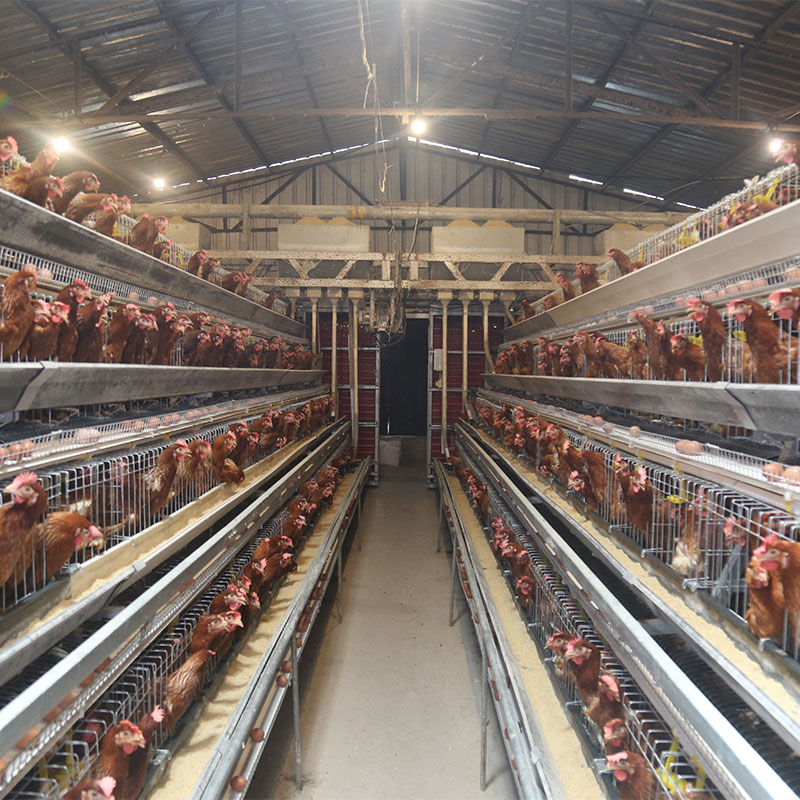
Understanding Your Flock's Needs: More Than Just Shelter
Before you pick up a hammer, understand what you're building for. A chicken coop is a multifunctional space: a bedroom, a nursery, a dining room, and a fortress against predators.
Core Functional Zones (H3)
Every successful coop must address these nonnegotiable areas:
Roosting Area: Chickens instinctively seek high ground to sleep. You need sturdy, rounded perches.
Nesting Boxes: Private, dark, and comfortable spaces dedicated for egg laying.
Ventilation System: Crucial for removing moisture, ammonia, and heat without creating drafts at bird level.
Run/Secure Outdoor Access: Chickens need sunlight, fresh air, and space to scratch and forage.
Feeder & Waterer Placement: Areas that keep feed clean and dry and prevent contamination.
Key Design Considerations (H2)
1. Size & Space Requirements
The biggest mistake beginners make is building too small.
Coop Interior: A minimum of 34 square feet per standardsized chicken. More is always better.
Run Space: Absolute minimum of 810 square feet per bird. For healthier, happier birds with less odor and aggression, aim for 1525 sq ft or more.
Example Table for Flock Size:
| Flock Size | Minimum Coop Floor Space | Recommended Run Space |
| : | : | : |
| 34 Chickens | 1216 sq ft | 32100+ sq ft |
| 6 Chickens | 1824 sq ft | 48150+ sq ft |
| 10 Chickens | 3040 sq ft | 80250+ sq ft |
2. Location & Orientation
Drainage: Place the coop on high ground to avoid flooding and muddy conditions.
Sunlight: Orient windows/southfacing side to capture winter sun for warmth. Ensure shaded areas in the run for summer.
Accessibility: Easy access for you in all weather for cleaning, feeding, and egg collection.
Predator Awareness: Avoid placing near thick brush that can hide predators.
3. Security: The NonNegotiable
Predators are ingenious and persistent. Your coop must be a fortress.
Hardware Cloth is Essential: Never use chicken wire alone (it keeps chickens in but not predators out). Cover all openings (windows, vents) with ½inch hardware cloth.
DigProofing: Bury hardware cloth at least 12 inches outward from the run perimeter (an "apron") or embed it into the ground.
Locking Mechanisms: Use actual locks or sliding bolts on doors—raccoons can open simple latches.
StepbyStep Construction Essentials (H2)
Phase 1: Planning & Materials
Start with detailed sketches. Choose durable materials:
Framing: Treated lumber (for ground contact) or durable cedar/pine.
Walls & Roof: Plywood siding with weatherresistant exterior paint or sealant.
Flooring: Deep Litter Methodfriendly floors (sealed wood or linoleum over plywood) are popular for ease of cleaning and insulation.
Phase 2: Framing & Floor
Build a solid base frame on concrete blocks or piers to prevent rot. Ensure the floor is level and strong enough to support the structure.
Phase 3: Walls, Roof & Ventilation
Frame walls incorporating spaces for windows/ventilation near the roof peak. Install roofing material (metal panels are excellent) with proper overhang to direct water away.
Critical Ventilation Detail (H3): Install vents along the top of walls on opposite sides for crossflow. Cover them with hardware cloth. This allows hot, moist air to escape while keeping birds draftfree.
Phase 4: Interior Features
Roosting Bars: Use 2x2 lumber with edges rounded off. Allow at least 8 inches of perch space per bird, placed higher than nesting boxes.
Nesting Boxes: Provide one box for every 34 hens. A standard size is 12"x12"x12". Fill with soft bedding like pine shavings or straw.
Phase 5: Doors & Run Integration
Build a large humanaccess door for cleaning and a smaller pophole door (with a secure latch) for chickens to access the run. Attach the run directly to the coop using sturdy posts buried deeply.
PostBuild: Setup & Maintenance (H2)
Your job isn't done when construction ends.
1. Bedding: Apply a 4inch layer of pine shavings or similar absorbent material on the coop floor.
2. Biosecurity Measures: Install rodentproof feeders. Keep feed in sealed metal containers.
3. Cleaning Routine: Establish regular spotcleaning. Perform deep litter management or full cleanouts seasonally based on flock size.
Conclusion
Building your own chicken coop is an immensely rewarding project that pays dividends in fresh eggs, natural pest control, and sheer enjoyment. By focusing on ample space robust security predatorproofing , proper ventilation ,and thoughtful placement from the start—signaled by being "ready to lay chicken cage"—you invest in years of hasslefree poultry keeping Remember,a wellplanned coop prevents countless problems down the road Take your time during planning use quality materials,and don't hesitate to overengineer security Your future flock—and your peace of mind—will thank you
Here are answers to common questions people ask when they are ready build their chicken housing:
A true "cage" is generally insufficient permanent housing.Chickens need vertical space roost horizontal space move scratch dust bathe A coopandrun system provides both secure shelter protected outdoor area essential their physical mental health
You need one nesting box every three four hens Overproviding boxes can lead them used as sleeping areas which cause manure contamination Standard box size approximately cubic foot
Without question,security against predators followed closely proper ventilation Many first builds fail these two critical points leading lost birds respiratory illness
Absolutely Using reclaimed wood pallets can costeffective However ensure materials free toxic chemicals paints sharp objects Always prioritize structural integrity safety over aesthetics when repurposing
For most adult breeds healthy dry draftfree wellventilated sufficient Their feathers provide excellent insulation Supplemental heat dangerous fire risk prevent birds acclimating cold Sudden power outage prove fatal best avoid unless dealing chicks specific medical conditions
Provide bars least feet off ground heavier breeds lower prevent foot injuries upon landing Ensure bars higher than nesting boxes discourage sleeping nests
The Deep Litter Method highly effective Regularly adding carbonaceous bedding pine shavings stirring allows beneficial microbial activity break down waste reducing odor frequency full cleanouts Ensure roof doesn’t leak water drainage away structure
Solid floors preferred they allow use deep litter bedding protect feet from cold drafts Wire floors necessary certain designs droppings collection must paired solid resting platforms never used sole flooring type
Cover run sturdy hardware cloth roof provide dense shrubs shelters within where birds hide Visual deterrents like reflective tape help but physical barrier most reliable
Collect eggs least once daily preferably twice prevent breakages broodiness egg eating especially warmer months Frequent collection also ensures freshness cleanliness
1. Drinking system include the water pipes, water pressure adjuster, drinking nipples, Waterline front-end device, dosing system etc, choose them according to customer's needs.
2. High-quality water drinking pipes, pressure regulating valves and water drinking nipples can effectively prevent the water leakage. Drinking system adopt the closed piping system, which can minimize the water pollution.
3. 360-degree drinking nipples provide adequate drinking water for poultry at all stages.
4. The automatic drinking water system mainly adopts the steel ball drinking nipple. lt uses imported high-grad stainless steel, POM resin, and APS engineering material, which is wearing resistant, and the durability can be used for long time.



1. Automatic feeding machine can be chosen between gantry and ladder feeding machine. Gantry type feeding machine is a relatively economical and practical machine with simple operation, remote control walking character, easy to manage.
2. Mechanical transmission device running smoothly, low noise, long service life.
3. With the use of automatic control, the feeding system can adjust the amount of material.
4. Feeding with arched structure, high carrying capacity, not easily deformed.
5. Saving man power, saving feed, greatly improving the efficiency of Large-scale farming.
6. The walking speed of gantry feeding machine is 9--12 m/min.




1. Manure removing system included scraper type and conveyor belt type, Which can reduce the labor intensity and labor cost, keep the chicken shed dry and clean.
2. A type chicken cage can use scraper type or conveyor belt type.


3. The scraper type is suitable for A type cages, which can clean two or three rows. For the starters, this type is a good choice. lt can not only save some labor cost, but also save some investment in the whole project. The cleaning speed is 6-10 meters per minute.
4. Conveyor belt type is more suitable for large scale farming. The manure removing belt we use is high quality PP material (polypropylene). The walking speed is 2-4 meters per minute.



High Quality Pellets Made by Mobile Pellet Machine
1. It has professional designed angle of the blade. After the dynamic balance test one by one, the blade can operate smoothly.
2. The air volume is consistent in the whole life of the fan. Bearings has advantage of high strength, low noise, durable and so on.
1. The cooling pads uses high-quality wet curtain paper and adopts space cross-linking technology, which has the advantages of high water absorption, high water resistance, anti-toxicity and long service life.
2. The cooling efficiency is over 80%, without surfactant, natural water absorption, fast diffusion speed and long-lasting effect.
3. The product does not contain phenol and other chemical substances that are easy to cause skin allergies. It is non-toxic and harmless to the human body and chicken when installed and used. It is green, safe, energy-saving, environmentally friendly, economical, and easy to install.
4. The frame aluminum alloy has high strength, good corrosion resistance, durability and beautiful appearance.
5. Use a special filter for the cooling pad at the upper water to ensure clean water quality and support efficient water circulation components.
6. Combined with a negative pressure fan, it can effectively lower the indoor temperature.
The window is made of special selected high-quality engineering plastic, with high strength and long service life, together with superior anti-aging and anti-UV performance.
Function: Ventilation of the chicken house, usually used in the winter.
This system can adjust the wind speed and direction, thus the cold air will not reach chicken directly , which can effectively prevent the phenomenon of cold stress in chicken.
Environmental control system equipment is suitable for large-scale and intensive farming. According to customer requirements, we can provide various types of smart poultry equipment.
1. Our poultry management system is a modular system that manages all aspects of the chicken house, such as climate, temperature, humidity, ammonia, feeding, feed weighing, lighting and ventilation systems, and can monitor the situation of the chicken house in real time through a computer and mobile phone.
2. The management computer is the heart of the poultry farm, allowing you to easily monitor the entire poultry farm.

 WeChat:+8617838608255