Title: Slatted Floors for Layer Chickens: A Comprehensive Guide to Design, Benefits, and Best Practices
Introduction
The foundation of any successful layer operation is literally the floor your chickens stand on. As the industry evolves towards more sustainable and welfareconscious practices, the choice of housing system becomes paramount. Among the various options, slatted floors for layer chickens have emerged as a critical component in modern poultry farming, particularly in aviary and enriched colony systems. This isn't just a minor equipment choice; it’s a fundamental decision impacting bird health, egg quality, labor efficiency, and overall farm profitability. This definitive guide delves deep into the world of slatted flooring, moving beyond basic descriptions to provide a nuanced analysis grounded in practical expertise. We’ll explore how these systems work, their tangible advantages and challenges, key design specifications, and evidencebased management strategies to help you determine if slatted flooring is the right investment for your flock.
Understanding Slatted Floor Systems in Layer Housing
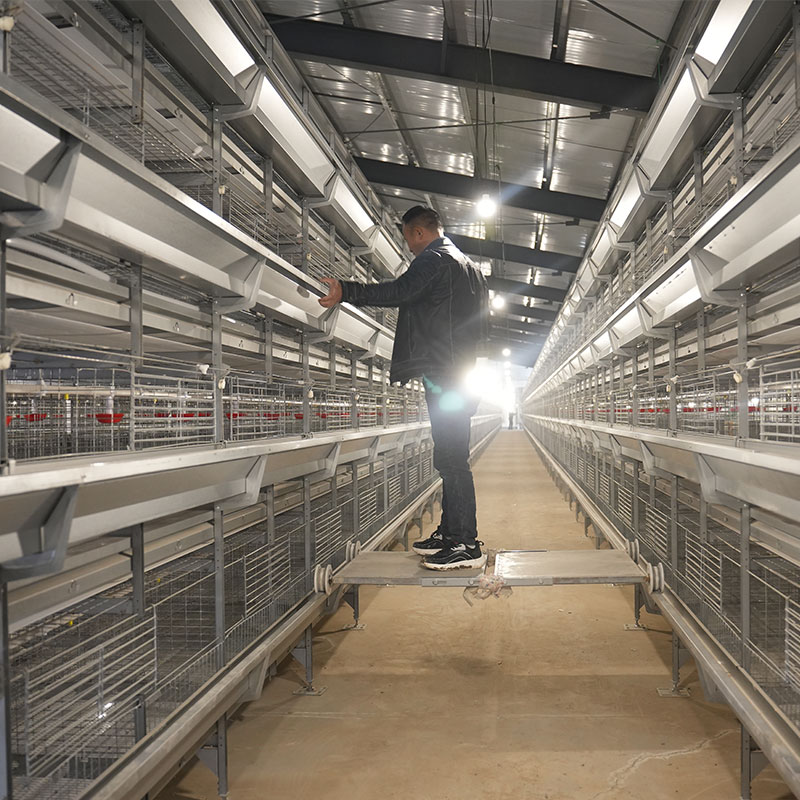
A slatted floor is a raised platform composed of parallel bars or mesh panels with gaps between them. It is installed above a manure pit or belt. The primary function is to allow manure to fall through the gaps, separating the birds from their waste.
Core Objectives of Using Slatted Floors:
Manure Management: The primary goal. Immediate separation reduces contact with feces.
Improved Hygiene: Lower exposure to pathogens like E. coli and parasites.
Enhanced Air Quality: By keeping manure in a dedicated pit (often with drying or removal systems), ammonia levels in the birdoccupied zone are reduced.
Foot Health: Provides a firm, even standing surface that promotes better footpad health compared to wet litter.
Implementing a slatted system offers multifaceted advantages that align with both economic and animal welfare goals.
H3: 1. Dramatically Improved Bird Health and Welfare
Reduced Disease Pressure: Separation from manure drastically lowers the incidence of bacterial and parasitic infections. This directly translates to lower mortality rates and reduced veterinary costs.
Superior Footpad Health: Dry, clean slats prevent footpad dermatitis (bumblefoot), a common issue in wet litter systems.
Better Feather Cover: Reduced soiling from manure means cleaner feathers, which are essential for effective thermoregulation and bird comfort.
Lower Ammonia Exposure: Improved air quality minimizes respiratory issues and eye irritation, leading to less stressed, more productive birds.
H3: 2. Enhanced Egg Quality and Safety
Eggs are laid in designated nest boxes away from the slatted area. The cleaner environment significantly reduces the rate of floor eggs and dirty or cracked eggs caused by fecal contamination. This results in a higher percentage of Grade A eggs and reduced labor for egg cleaning.
H3: 3. Operational Efficiency and Labor Savings
Manure handling is semi or fullyautomated via scrapers or belts beneath the slats. This eliminates daily manual litter management.
The dry manure collected under slats is often more consistent and easier to handle, compost, or sell as fertilizer.
Overall house cleanliness is easier to maintain.
Not all slatted floors are created equal. Poor design can negate all potential benefits.
H3: 1. Material Choices
| Material | Pros | Cons | Best For |
| : | : | : | : |
| PlasticCoated Wire Mesh | Good grip, durable, resistant to corrosion, gentle on feet. | Higher initial cost. Can sag if support spacing is wide. | Most aviary systems; excellent allrounder. |
| Galvanized Steel Wire | Very strong, durable, lower cost than plasticcoated. | Can be slippery if smooth; risk of corrosion over time; harder on footpads if gauge is thin. | Highstrength applications; budgetconscious builds with proper design. |
| Solid Plastic or Composite Slats | Excellent foot comfort, easy to clean, warm surface. | Can be expensive; may require specific support structures; manure may not fall through as easily if gaps are narrow. | Specialized areas (e.g., perching zones). |
H3: 2.Geometry: Gap Width vs.Slat Width
This is the most crucial technical specification.The balance ensures manure falls through while providing safe footing.
Gap Width: Typically between 22 mm (0.87")and 25 mm (0 .98").This allows feces to pass but prevents adult birds' toes from getting trapped.Gaps over 30mm are hazardous.
Slat Width: Should be at least twice the gap width.A common ratio is 10mm gap /20mm slat width or 12mm gap/25mm slat width.The top surface should be flat or slightly rounded ,not sharp.
H3: 3.Layout Configuration
Slats are rarely used alone.They are integrated into a system:
MultiTier Aviaries: Slats form the base of each tier ,with manure belts running underneath each level.
Enriched Colonies: A portion of the house features slatted floors over a manure pit ,combined with litter areas for scratching/dust bathing.
The percentage of slatted area vs.litter area must comply with local welfare regulations (e.g., often at least 15% litter area).
Acknowledging challenges separates basic information from expert advice.
1.Initial Capital Investment:The cost is significant.Factor in not just materials,but also robust support structures ,manure removal systems,and installation labor.Mitigation:Conduct a thorough ROI analysis factoring in longterm savings on labor,litter,and improved productivity.
2.Bird Adaptation During Rearing:Pullets must be trained on slats before transfer.Failure to do so leads to "smothering"events,bird reluctance to move,and poor system utilization.Mitigation:Incorporate perches and raised platforms into the pulletrearing environment from an early age(by 4 weeks).
3.Maintenance Requirements:Manure can build up on slats("capping"),especially if diet causes sticky droppings.Broken or bent slats pose injury risks.Mitigation:Implement daily visual checks.Include scrapers or brushes above slats.Manage diet fiber content.Design easy access for inspection/repair.
4.Thermal Comfort:In cold climates,the raised,sometimes metal,surface can feel cold.Mitigation:Ensure proper house insulation.Use plasticcoated materials which feel warmer.Consider radiant heating elements above resting areas.
Expertise lies in execution.Here's how top producers optimize their slatted floor systems:
1.Precision Lighting:Ensure even light distribution across all tiers/slatted areas.Poor lighting creates dark corners where birds crowd,increasing smothering risk.Use dimmable LED systems.
2.Strategic Feeder/Drinker Placement:Place feed and water lines on solid flooring areas adjacent to,but not directly over,the deepest manure pits.This encourages movement away from waste zones while preventing feed/water contamination from falling debris.
3.Manure Pit Management:Whether using deeppit drying belts,frequent scraping(23x daily)is essential.Keep manure dry(<30% moisture)to minimize ammonia production.Use pit fans if necessary .
4.Regular Audits & Data Tracking:Monitor key metrics:
Footpad health scores at slaughter
Percentage of dirty eggs
Ammonia levels at bird height
Mortality causes
Use this data continuously refine your management protocols .
Conclusion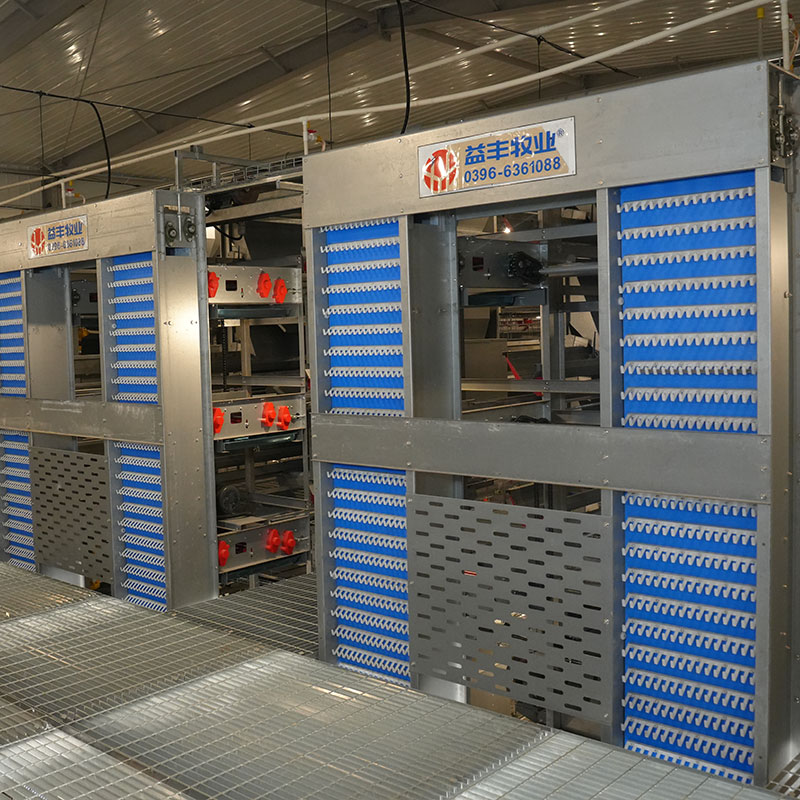
Choosing to implement slatted floors for layer chickens represents strategic investment modern poultry production.When designed correctly with appropriate gap specifications robust materials integrated thoughtfully into full housing system managed proactive informed protocols they deliver undeniable benefits :healthier flocks higher quality eggs streamlined operations While challenges exist particularly around pullet rearing capital outlay they are manageable with planning expertise Ultimately success hinges viewing slat not just piece equipment but integral part holistic approach bird welfare farm efficiency By embracing detailed considerations outlined this guide you position operation forefront sustainable profitable egg production
Q1:What ideal gap width should have between ?
A:The optimal range typically between mm inches) mm inches).This ensures efficient manure passage while preventing toe injuries adult hens always consult specific equipment manufacturer guidelines local welfare codes .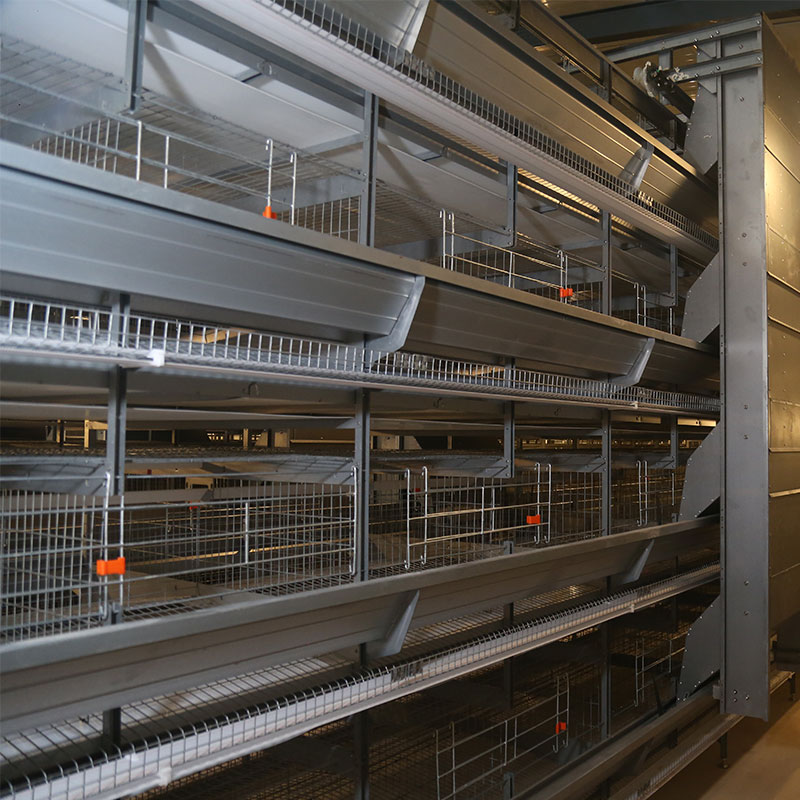
Q2:Are better than deep litter systems ?
A Both have pros cons.Slatted excel hygiene disease control labor efficiency particularly larger scale operations Deep litter allows natural scratching dust bathing behaviors can lower initial cost but requires more active management litter quality higher disease pressure wet conditions .
Q3 How train pullets use ?
A Training must start rearing house Introduce perches elevated platforms by weeks age gradually increase height complexity ensure by transfer pointoflay pullets fully confident navigating multilevel environments including .
Q4 Do cause more keel bone injuries ?
A Research shows keel bone damage related perch design height bird collisions not directly Properly designed rounded edges correct installation reduce pressure points Risk keel injuries higher poorly designed perches especially landing surfaces not impact .
Q5 How often should manure removed from under ?
A Frequency depends system belt scrapers typically run times day prevent buildup Deeppit systems may rely drying removal batch basis several times year Key keep dry minimize ammonia regardless removal frequency .
Q6 Can used freerange barn systems ?
Yes commonly part barn designs provide defined resting foraging area separate litter scratching zone percentage must comply regulations ensure adequate space natural behaviors .
Q7 What common mistakes installing ?
Critical mistakes include using incorrect gap width exceeding mm insufficient support leading sagging sharp edges material poor integration feeders/drinkers lighting failing provide adjacent solid floor resting areas .
Q8 How affect ammonia levels house ?
Properly managed significantly reduce birdlevel ammonia separating storing manure dedicated ventilated pit However if manure becomes wet scraped infrequently ammonia can concentrate pit rise Essential maintain dry pit effective ventilation strategy whole house including pit area .
Q9 Are plastic metal?
Plasticcoated wire generally provides better foot comfort grip corrosion resistance feels warmer Galvanized steel strong economical can slippery corrode time Choice depends budget climate specific welfare priorities many modern aviaries favor plasticcoated options .
Q10 What biosecurity protocols specific houses?
Enhanced biosecurity possible due separation Implement strict boot change disinfectant foot baths entry points Ensure manure removal equipment does crosscontaminate clean bird areas rodent control under critical as pits offer shelter pests regular cleaning disinfection entire structure downtime between flocks remains essential .
1. Drinking system include the water pipes, water pressure adjuster, drinking nipples, Waterline front-end device, dosing system etc, choose them according to customer's needs.
2. High-quality water drinking pipes, pressure regulating valves and water drinking nipples can effectively prevent the water leakage. Drinking system adopt the closed piping system, which can minimize the water pollution.
3. 360-degree drinking nipples provide adequate drinking water for poultry at all stages.
4. The automatic drinking water system mainly adopts the steel ball drinking nipple. lt uses imported high-grad stainless steel, POM resin, and APS engineering material, which is wearing resistant, and the durability can be used for long time.



1. Automatic feeding machine can be chosen between gantry and ladder feeding machine. Gantry type feeding machine is a relatively economical and practical machine with simple operation, remote control walking character, easy to manage.
2. Mechanical transmission device running smoothly, low noise, long service life.
3. With the use of automatic control, the feeding system can adjust the amount of material.
4. Feeding with arched structure, high carrying capacity, not easily deformed.
5. Saving man power, saving feed, greatly improving the efficiency of Large-scale farming.
6. The walking speed of gantry feeding machine is 9--12 m/min.




1. Manure removing system included scraper type and conveyor belt type, Which can reduce the labor intensity and labor cost, keep the chicken shed dry and clean.
2. A type chicken cage can use scraper type or conveyor belt type.


3. The scraper type is suitable for A type cages, which can clean two or three rows. For the starters, this type is a good choice. lt can not only save some labor cost, but also save some investment in the whole project. The cleaning speed is 6-10 meters per minute.
4. Conveyor belt type is more suitable for large scale farming. The manure removing belt we use is high quality PP material (polypropylene). The walking speed is 2-4 meters per minute.



High Quality Pellets Made by Mobile Pellet Machine
1. It has professional designed angle of the blade. After the dynamic balance test one by one, the blade can operate smoothly.
2. The air volume is consistent in the whole life of the fan. Bearings has advantage of high strength, low noise, durable and so on.
1. The cooling pads uses high-quality wet curtain paper and adopts space cross-linking technology, which has the advantages of high water absorption, high water resistance, anti-toxicity and long service life.
2. The cooling efficiency is over 80%, without surfactant, natural water absorption, fast diffusion speed and long-lasting effect.
3. The product does not contain phenol and other chemical substances that are easy to cause skin allergies. It is non-toxic and harmless to the human body and chicken when installed and used. It is green, safe, energy-saving, environmentally friendly, economical, and easy to install.
4. The frame aluminum alloy has high strength, good corrosion resistance, durability and beautiful appearance.
5. Use a special filter for the cooling pad at the upper water to ensure clean water quality and support efficient water circulation components.
6. Combined with a negative pressure fan, it can effectively lower the indoor temperature.
The window is made of special selected high-quality engineering plastic, with high strength and long service life, together with superior anti-aging and anti-UV performance.
Function: Ventilation of the chicken house, usually used in the winter.
This system can adjust the wind speed and direction, thus the cold air will not reach chicken directly , which can effectively prevent the phenomenon of cold stress in chicken.
Environmental control system equipment is suitable for large-scale and intensive farming. According to customer requirements, we can provide various types of smart poultry equipment.
1. Our poultry management system is a modular system that manages all aspects of the chicken house, such as climate, temperature, humidity, ammonia, feeding, feed weighing, lighting and ventilation systems, and can monitor the situation of the chicken house in real time through a computer and mobile phone.
2. The management computer is the heart of the poultry farm, allowing you to easily monitor the entire poultry farm.

 WeChat:+8617838608255