
The search for new caging begins long before the first quote is requested. It starts with a broken weld on a feeder line, a noticeable dip in lay rates attributed to bird stress, or the sobering math of labor costs against manual collection. For the poultry farmer, the decision isn't just about purchasing equipment; it’s about investing in the operational backbone of the enterprise for the next decade or more. The question of where to buy is inextricably linked to what to buy and who to trust with such a critical capital outlay.
Navigating the market requires a clear-eyed assessment of your own operation before ever looking at a supplier’s brochure. A mismatch between a cage system and the daily realities of your barn will cost you daily in efficiency and bird welfare.
Laying Hen Systems: The Core Considerations
The classic battery cage, a single wire box, has largely been supplanted by more complex environments. Today’s options are defined by the space and amenities provided to the bird.
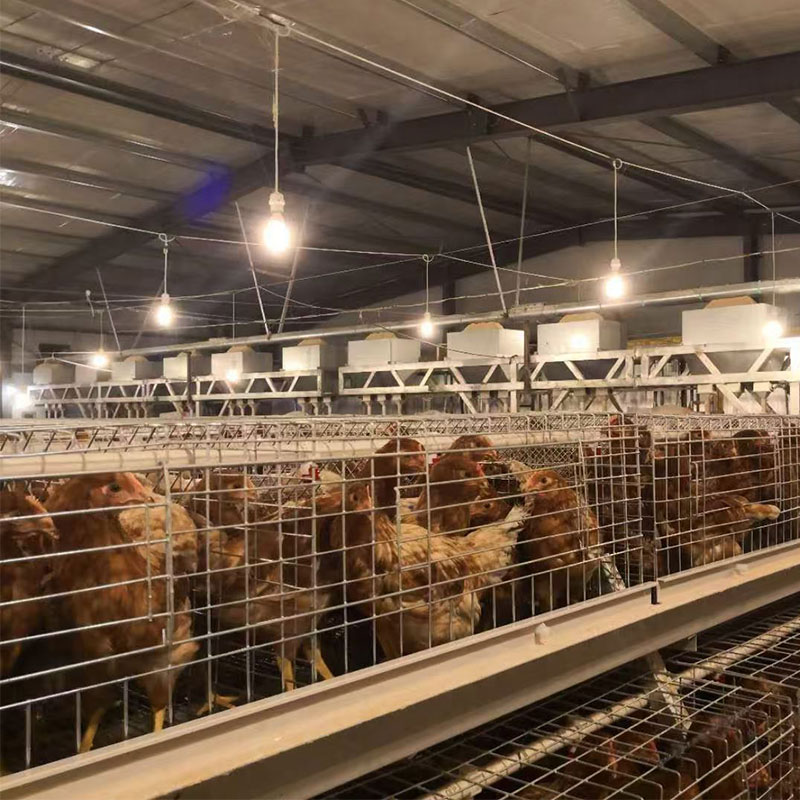
Enriched or furnished cages represent the current standard for large-scale commercial production. These are not just cages; they are integrated micro-environments. A typical unit will include a perch running its length. This isn’t a luxury; perching is a hard-wired behavior. Hens that can perch at night exhibit less stress and stronger bone density compared to those that cannot. A scratch pad area is another key feature, often a mat of artificial turf. This provides an outlet for foraging and scratching behaviors, reducing feather pecking and cannibalism within the colony. The most visually obvious feature is the nesting area. This is a secluded, darkened space, usually with a flexible plastic curtain. Hens seek privacy to lay, and a proper nest reduces the incidence of floor eggs—eggs laid in the open alleyways, which are dirty, cracked, and require manual retrieval, negating the automation you paid for.
The scale of these systems varies. Smaller enriched colonies might house 20 to 40 birds. Larger, more common commercial systems are designed for 60 to 120 birds per unit, with multiple units linked together in long rows. The larger the colony, the more critical the internal design becomes to manage bird movement and prevent bottlenecks.
Aviaries represent a different philosophy. These are multi-tiered structures where birds have free range within a large enclosure, accessing feed, water, and nests on various levels. While not cages in the traditional sense, they are a purchased housing system and a direct alternative. The primary advantage is the expression of a wider range of natural behaviors, including flying short distances and full dustbathing. The trade-offs are significant: manure is deposited across all tiers and the floor, requiring more complex belt systems or leading to higher ammonia levels if managed poorly. Feather pecking can be more challenging to control in a large group, and retrieving a sick or injured bird from the middle of a tier is far more difficult than in a contained colony cage. Egg collection, while automated from the nests, can see higher rates of mislaid eggs if the system is not expertly managed.
For pullet rearers, the system choice is dictated by the end destination of the birds. Rearing pullets in an environment that mimics their future laying house—be it an aviary or an enriched colony—is non-negotiable. Birds raised on the floor that are then placed in a multi-tiered aviary will not know how to navigate to the feeders, waterers, and nests, leading to catastrophic production failures. This practice of “matching the rearing system to the laying system” is a fundamental tenet of modern flock management.
Broiler and Breeder Cages: A Focus on Throughput and Control
While less common than floor-raising in some regions, caged systems for broilers and breeders offer distinct advantages in data collection and biosecurity.
Broiler cages, often used for premium or specific pathogen-free (SPF) production, allow for incredible control over the flock. Each cage acts as an isolated unit, preventing the spread of illness that can race through an open barn. Feed conversion ratios (FCR) can be tracked on a per-cage basis, providing precise data for nutritional tweaks. The primary challenge is maintaining air quality and temperature uniformity across all tiers, as heat and ammonia rise. Modern systems combat this with sophisticated negative pressure ventilation and in-cage cooling systems.
Breeder cages are all about gamete management. Roosters are housed separately from hens, and their interaction is carefully controlled to ensure consistent fertility rates. The cages are designed to protect the hens from overly aggressive mates while allowing for the efficient collection of fertile eggs that roll away from the bird onto a central conveyor belt. The design minimizes egg damage and keeps the eggs clean, which is vital for hatchability.
The Supplier Landscape: From Global Giants to Local Fabricators

Once you know what you need, the question becomes who can provide it. The market is stratified, and each tier of supplier offers a different value proposition.
Major International Manufacturers (Big Dutchman, Vencomatic, Farmer Automatic, etc.)
These are the industry titans. They don’t just sell cages; they sell fully integrated turnkey systems. When you contract with a major manufacturer, you are buying a complete solution: the caging, the feeding system (chain or pan), the watering lines (nipple drinkers with specific pressure regulators), the egg collection belts, the manure belts, the ventilation computer, and the climate controllers. Everything is designed to work in concert.
Their strength is in their R&D, global supply chains, and extensive after-sales support. A farmer in Iowa can have a technician on-site who was trained at the company’s headquarters in the Netherlands or Germany. They offer sophisticated software that tracks production data from each row of cages, providing analytics on feed consumption, water usage, and lay rates. The downside is cost. You are paying a premium for the brand, the engineering, and the global support network. Lead times can be long, as systems are often manufactured overseas and shipped. These companies are best suited for large-scale new builds or complete retrofits where integration, data, and long-term reliability are the top priorities.
Regional and National Distributors
Many of the big brands do not sell directly to farmers. Instead, they work through an established network of regional distributors. These distributors are the workhorses of the industry. They are the local sales rep who visits your farm, understands your regional challenges—like hard water that scales up drinker lines or specific climate extremes—and can tailor a package from a major brand to fit your needs.
Their immense value is in local knowledge and localized service. If an egg belt breaks on a Saturday morning, you’re not calling an international hotline; you’re calling Jim, the local service tech, who likely has the part on his truck and can be there in two hours. They manage the logistics of getting the system to your farm and often have their own crews for installation or work with trusted local contractors. They provide a crucial layer of customization and rapid response. However, their inventory is limited to the brands they carry, and their technical expertise, while excellent, is ultimately bound by the training provided by the manufacturer.
Specialist Niche Suppliers
The market includes companies that focus on a specific segment. Some may specialize in organic or free-range aviary systems, designing structures that are exceptionally robust to handle more active birds. Others might focus on research-grade caging for universities or pharmaceutical companies, where data integrity and isolation are paramount. Another niche is replacement parts and retrofits. Several companies specialize not in selling whole new systems, but in manufacturing high-wear components like plastic egg belts, nipple drinkers, feeder pans, and manure scraper blades that are compatible with major brands. For a farmer looking to extend the life of an older system without a full capital investment, these suppliers are invaluable.
Local Metal Fabricators
This is the budget option, but it comes with high risk. A local welder with a poultry background can certainly bend wire and build a cage that looks the part. The initial capital outlay will be a fraction of a branded system. The problems reveal themselves over time. A homemade system will lack the refined engineering of a commercial product. The galvanization might be inferior, leading to rapid rust. The egg belt might not have the precise tensioning system, resulting in more jams and cracked eggs. The manure belts might not track correctly, causing constant derailments. The geometry of the wire mesh might cause foot lesions. You save money on the front end but pay for it daily in labor, repairs, and lost production efficiency. This route is generally only advisable for very small, non-commercial operations where automation is less critical.
The Procurement Process: Beyond the Price Tag
Contacting a supplier is the beginning of a negotiation, not a simple purchase. The unit price per bird space is a starting point, but the true cost is hidden in the details of the quote.
A comprehensive quote should be broken down into clear line items: cost of the cage units themselves, cost of the feeding system (specify chain or pan), cost of the watering system, cost of the egg collection system (per meter of belt), cost of the manure drying or removal system, and cost of the control systems (climate computer, feed bin controllers). Crucially, it must specify the cost of installation. Will the supplier’s team install it, or are you responsible for hiring contractors? Who is liable if a contractor damages equipment during installation?
Warranties are a key differentiator. A one-year parts warranty is standard, but some manufacturers offer longer warranties on high-stress components like drive units for belts and feeders. Understand what the warranty covers and, just as importantly, what it excludes. Does it include labor for the service call, or just the part? What is the guaranteed response time for a warranty claim?
Finally, consider future-proofing. If you install a basic system today, can you add data monitoring sensors later? If animal welfare regulations change, can the system be modified to provide more perching or enrichment, or is it a static design? A supplier that can articulate a roadmap for their technology is offering a partnership, not just a product.
The physical process involves preparing the house. This means a complete depopulation and rigorous cleaning and disinfection. Old equipment must be dismantled and removed. The concrete floor may need to be leveled or repaired. Electrical conduits for the new control systems must be planned. Delivery of the new system is a major logistical event, often involving multiple semi-trucks. Installation is a precise, multi-week process where alignment is everything; a feeder line that is off by a few millimeters down a 500-foot barn will cause constant problems.
The decision of where to buy is a balance of scale, budget, and risk tolerance. The major manufacturer offers a seamless, high-tech solution at a premium price. The regional distributor offers trusted local support and brand-name equipment. The niche supplier solves a specific problem. The local fabricator offers a low-cost, high-risk alternative. There is no single right answer, only the right answer for a specific operation’s financial reality and management style. The goal remains the same: to house the flock in an environment that promotes welfare and productivity, operated with an efficiency that ensures the sustainability of the farm for years to come.
1. Drinking system include the water pipes, water pressure adjuster, drinking nipples, Waterline front-end device, dosing system etc, choose them according to customer's needs.
2. High-quality water drinking pipes, pressure regulating valves and water drinking nipples can effectively prevent the water leakage. Drinking system adopt the closed piping system, which can minimize the water pollution.
3. 360-degree drinking nipples provide adequate drinking water for poultry at all stages.
4. The automatic drinking water system mainly adopts the steel ball drinking nipple. lt uses imported high-grad stainless steel, POM resin, and APS engineering material, which is wearing resistant, and the durability can be used for long time.



1. Automatic feeding machine can be chosen between gantry and ladder feeding machine. Gantry type feeding machine is a relatively economical and practical machine with simple operation, remote control walking character, easy to manage.
2. Mechanical transmission device running smoothly, low noise, long service life.
3. With the use of automatic control, the feeding system can adjust the amount of material.
4. Feeding with arched structure, high carrying capacity, not easily deformed.
5. Saving man power, saving feed, greatly improving the efficiency of Large-scale farming.
6. The walking speed of gantry feeding machine is 9--12 m/min.




1. Manure removing system included scraper type and conveyor belt type, Which can reduce the labor intensity and labor cost, keep the chicken shed dry and clean.
2. A type chicken cage can use scraper type or conveyor belt type.


3. The scraper type is suitable for A type cages, which can clean two or three rows. For the starters, this type is a good choice. lt can not only save some labor cost, but also save some investment in the whole project. The cleaning speed is 6-10 meters per minute.
4. Conveyor belt type is more suitable for large scale farming. The manure removing belt we use is high quality PP material (polypropylene). The walking speed is 2-4 meters per minute.



High Quality Pellets Made by Mobile Pellet Machine
1. It has professional designed angle of the blade. After the dynamic balance test one by one, the blade can operate smoothly.
2. The air volume is consistent in the whole life of the fan. Bearings has advantage of high strength, low noise, durable and so on.
1. The cooling pads uses high-quality wet curtain paper and adopts space cross-linking technology, which has the advantages of high water absorption, high water resistance, anti-toxicity and long service life.
2. The cooling efficiency is over 80%, without surfactant, natural water absorption, fast diffusion speed and long-lasting effect.
3. The product does not contain phenol and other chemical substances that are easy to cause skin allergies. It is non-toxic and harmless to the human body and chicken when installed and used. It is green, safe, energy-saving, environmentally friendly, economical, and easy to install.
4. The frame aluminum alloy has high strength, good corrosion resistance, durability and beautiful appearance.
5. Use a special filter for the cooling pad at the upper water to ensure clean water quality and support efficient water circulation components.
6. Combined with a negative pressure fan, it can effectively lower the indoor temperature.
The window is made of special selected high-quality engineering plastic, with high strength and long service life, together with superior anti-aging and anti-UV performance.
Function: Ventilation of the chicken house, usually used in the winter.
This system can adjust the wind speed and direction, thus the cold air will not reach chicken directly , which can effectively prevent the phenomenon of cold stress in chicken.
Environmental control system equipment is suitable for large-scale and intensive farming. According to customer requirements, we can provide various types of smart poultry equipment.
1. Our poultry management system is a modular system that manages all aspects of the chicken house, such as climate, temperature, humidity, ammonia, feeding, feed weighing, lighting and ventilation systems, and can monitor the situation of the chicken house in real time through a computer and mobile phone.
2. The management computer is the heart of the poultry farm, allowing you to easily monitor the entire poultry farm.

 WeChat:+8617838608255