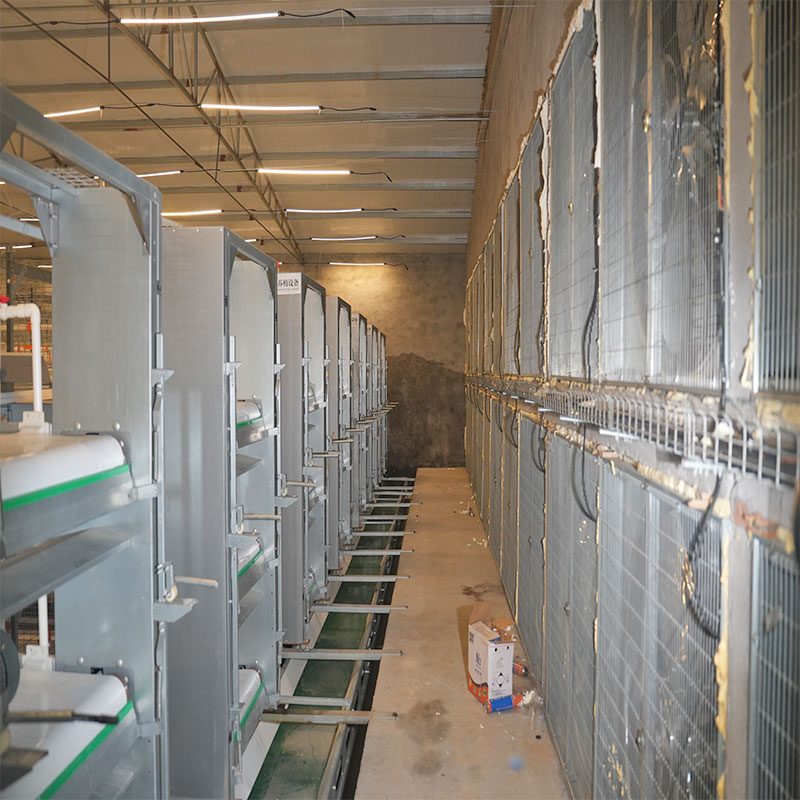
For poultry farmers, the daily movement of birds—whether shifting pullets to laying facilities, transporting broilers to processing, or rotating breeding stock—represents one of the most labor-intensive and high-risk operations. The choice of equipment for this task directly impacts bird welfare, labor efficiency, and ultimately, the bottom line. The large rectangular plastic transfer box represents a…
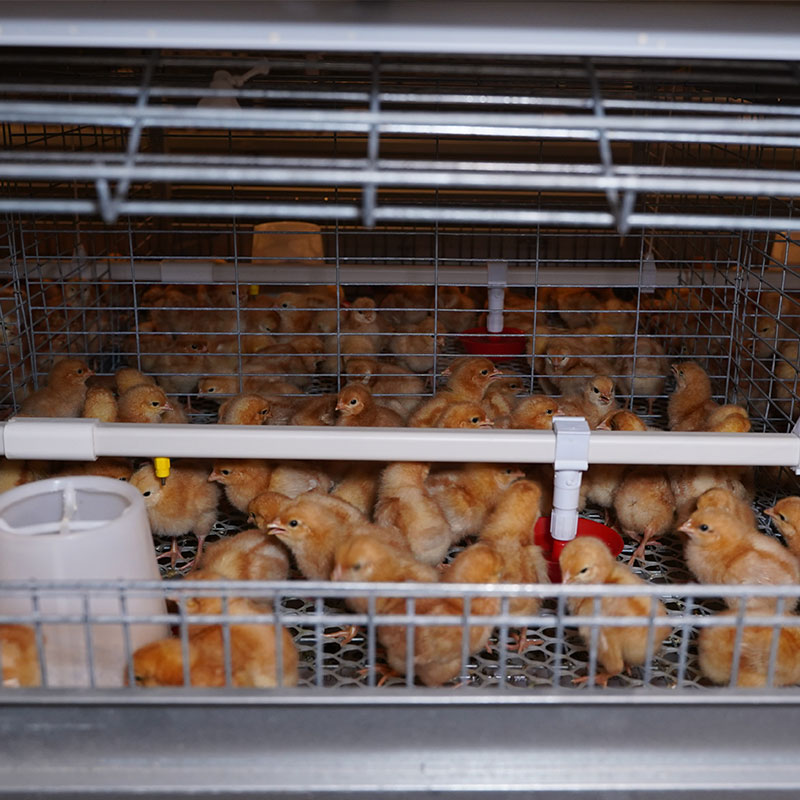
For poultry farmers weighing housing options, the choice between metal and wooden cage systems represents more than a simple material preference; it’s a decision that impacts bird welfare, daily management, and long-term profitability. While galvanized steel coops are common, a well-constructed wooden pet cage and run system offers a unique set of advantages that can…
For poultry farmers navigating the complex decision of housing infrastructure, the transition to a battery cage system represents a significant capital investment with long-term operational implications. This is not merely about buying cages; it’s about integrating a complete, interdependent system where every component, from the galvanized wire mesh to the manure removal belt, directly impacts…
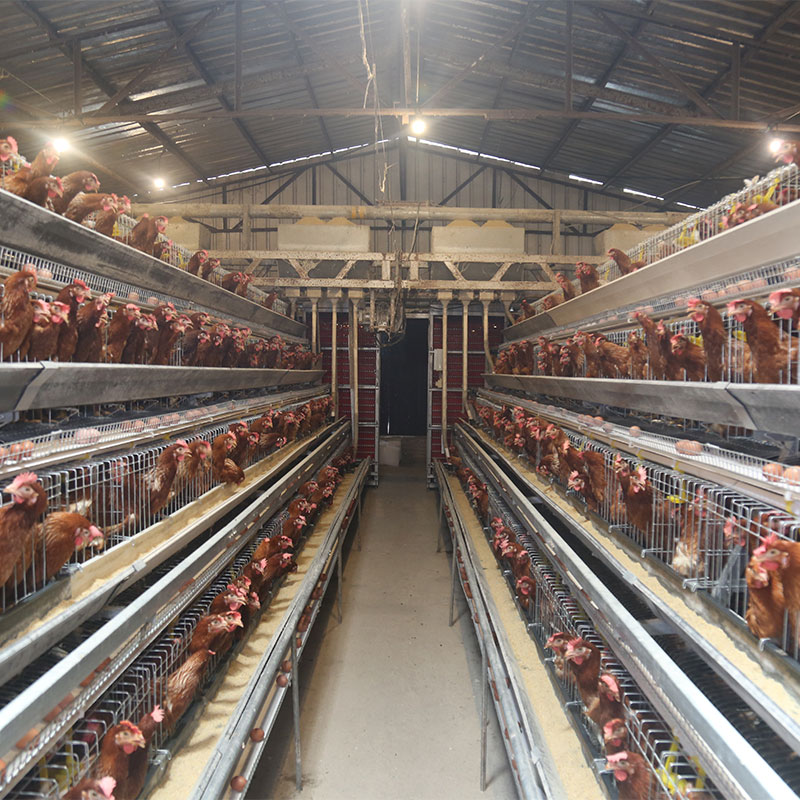
The rhythmic clucking of contented hens echoes through the shed, a sound synonymous with productivity for the modern poultry farmer. For operations looking to scale, improve efficiency, and maintain bird health, the transition from traditional floor systems to structured housing is a significant decision. The layer cage system, specifically the multi-tiered battery cage design, represents…

The Unseen Framework: Maximizing Poultry Operations with 16-Gauge Galvanized Welded Wire Mesh In the daily rhythm of a poultry farm, the infrastructure that houses the birds often fades into the background. Yet, the choice of material for cages, partitions, and enclosures is a foundational decision that ripples through every aspect of operation, from bird health…
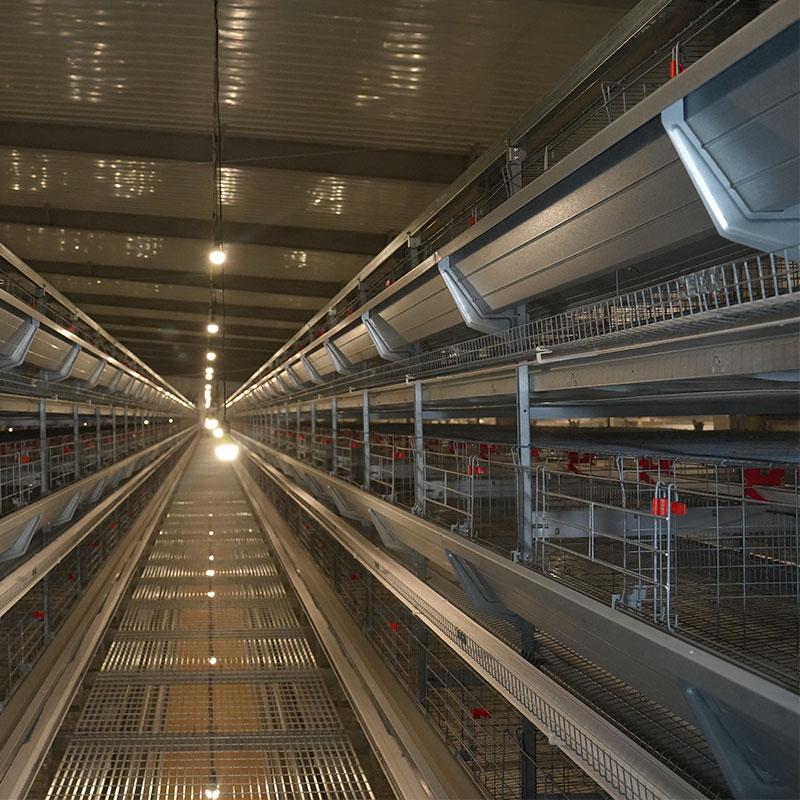
The morning sun catches dust motes dancing through the air as you unbolt the coop door. Inside, the low murmur of contented birds greets you, not the frantic squawking and flapping that used to accompany the daily feed run. Your boots stay clean on the slatted floor, and your back doesn’t ache from stooping to…

The first weeks determine everything. From the moment those day-old chicks arrive, their environment dictates the trajectory of their growth, their health, and ultimately, the profitability of your entire flock. For generations, the deep litter system was the standard, a method familiar but fraught with hidden costs and constant challenges. Today, a shift is underway,…
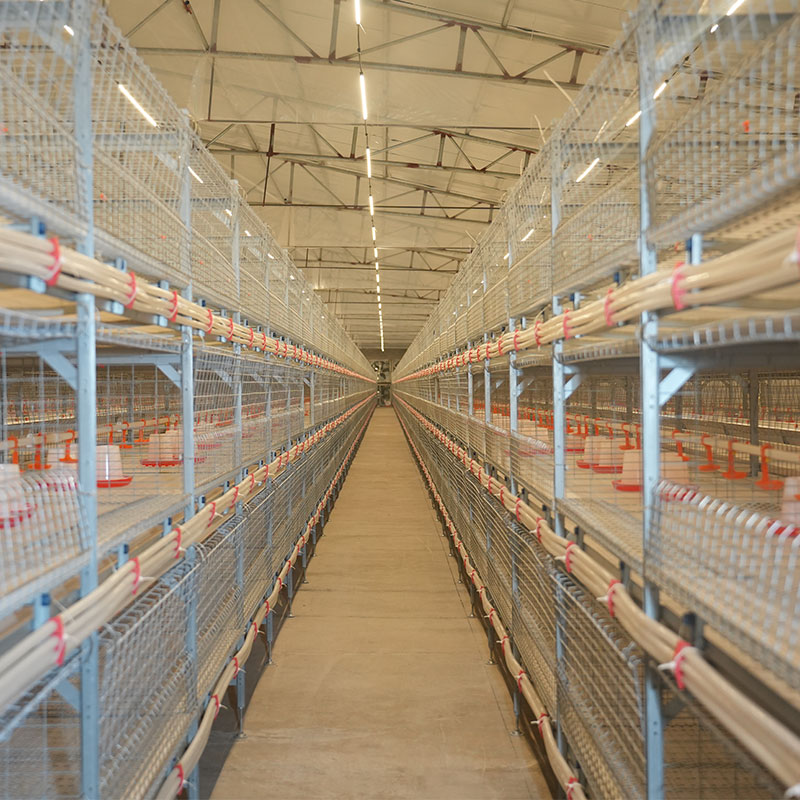
The early weeks of a pullet’s life set the trajectory for her entire laying cycle. Get it right, and you build a foundation for robust health, timely maturity, and peak productivity. Get it wrong, and you spend the rest of the flock’s life managing problems you inadvertently created. The choice of housing during these critical…
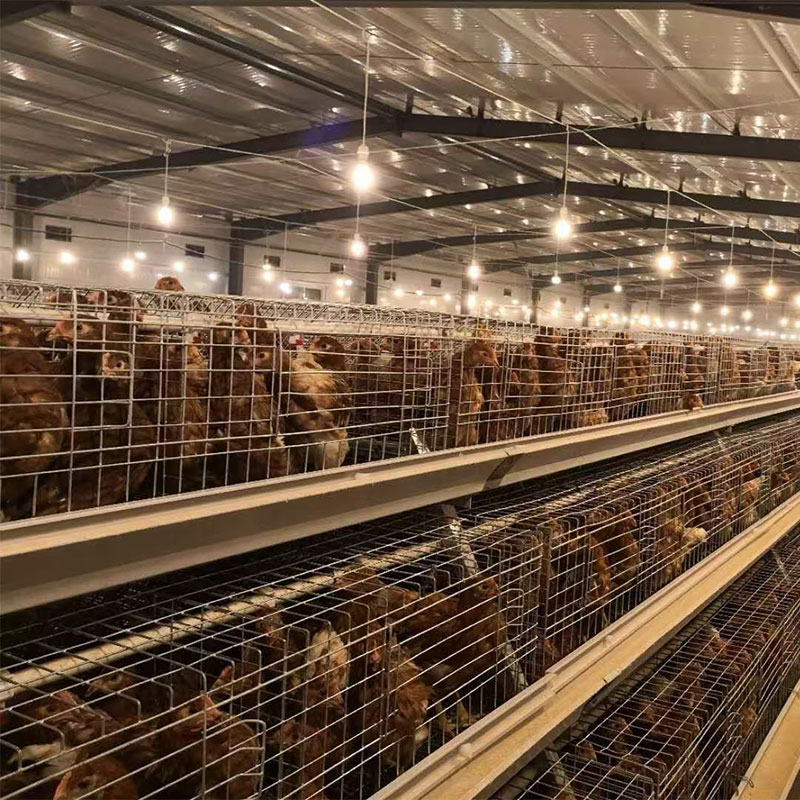
The morning feed run tells the story long before the books do. You hear it in the silence between the rows, the quiet shuffling of birds that aren’t fighting. You see it in the uniformity of the flock, the clean feathers, the consistent weight. This isn’t an accident; it’s the result of a deliberate environmental…
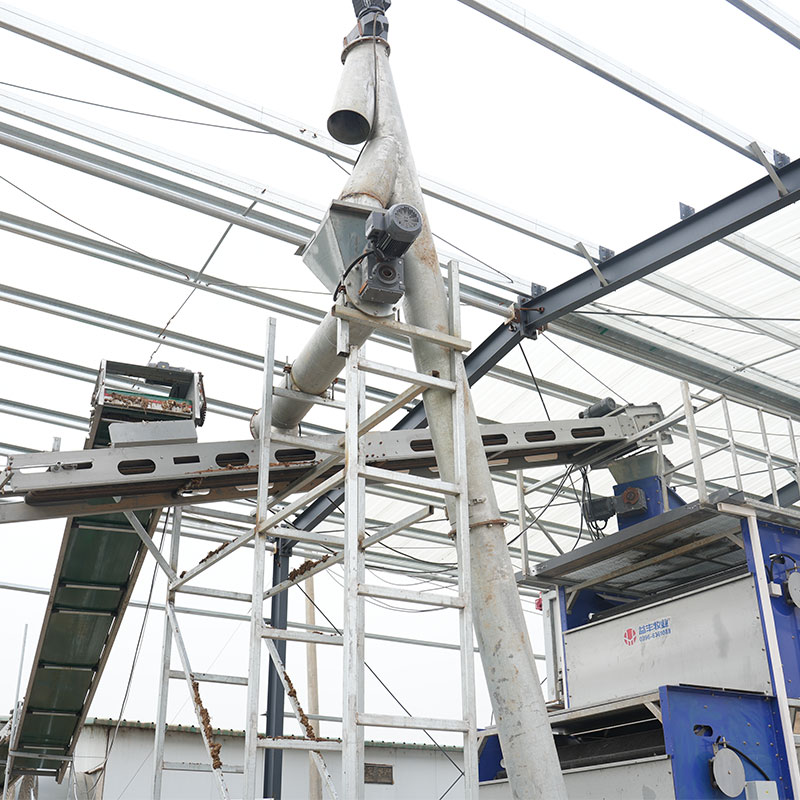
The morning feed run tells the story long before the weigh-in sheets confirm it. You notice the difference in the flock’s energy, the uniformity of the birds, the way they move without hesitation. This isn’t a result of a new feed formula or a miracle vaccine; it’s the environment. For a growing number of broiler…

 WeChat:+8617838608255