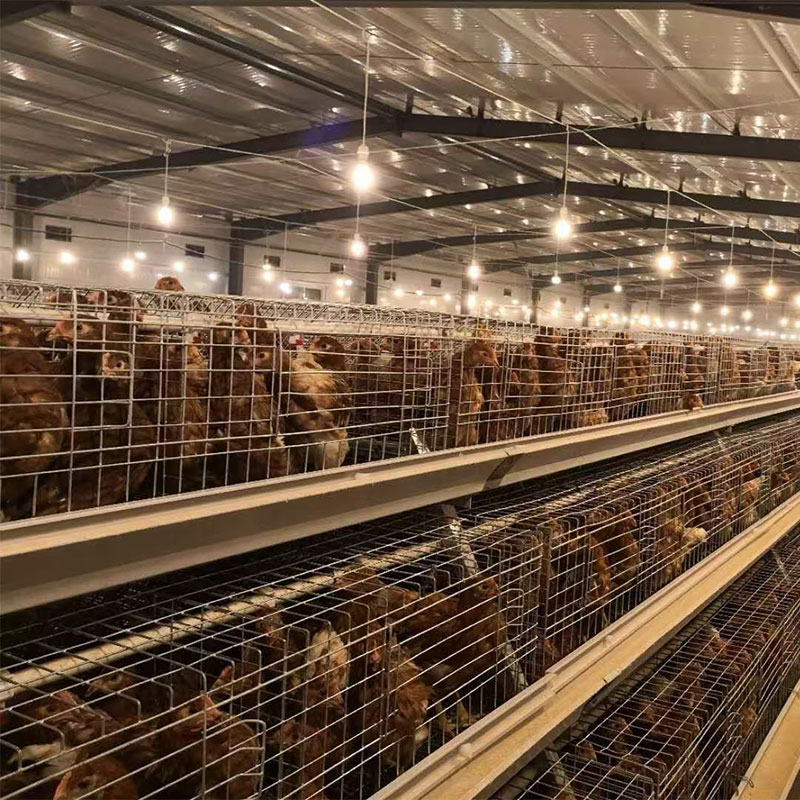
The rhythmic clucking of hens echoes across the farmyard, a sound synonymous with productivity and rural life. Yet, for any poultry farmer, this idyllic scene is underpinned by a critical, often overlooked component: the wire mesh that forms the very boundaries of their operation. The choice between standard chicken wire and galvanized welded wire mesh…

For poultry farmers who have ever watched birds pile into a corner during crate loading, the resulting pressure sores and broken feathers are more than an inconvenience; they represent a direct loss of product quality and animal welfare. The design of transport and housing systems is not merely about moving birds from point A to…
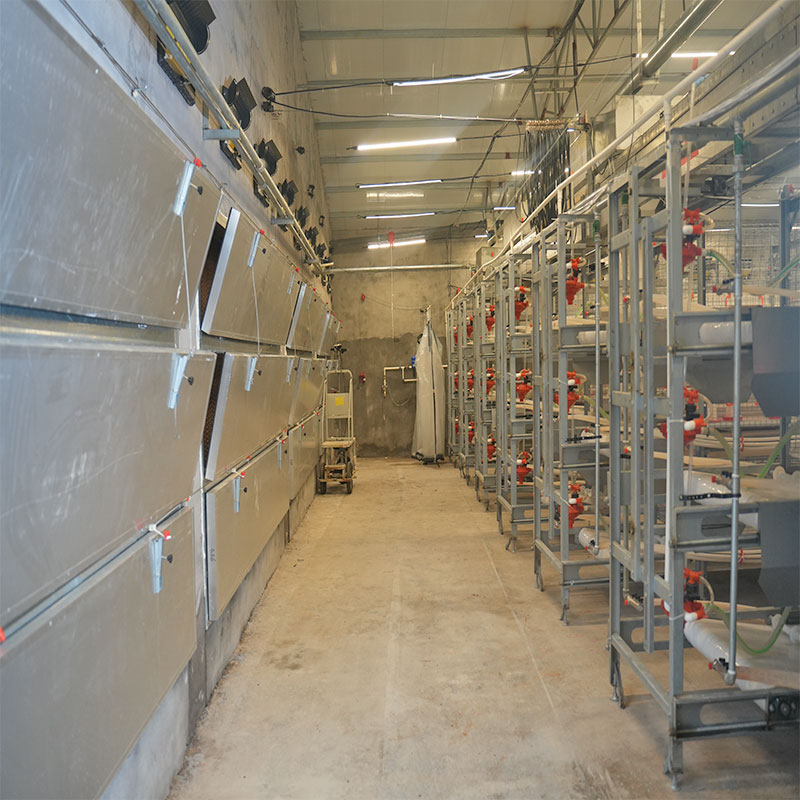
The Unseen Framework: Rethinking Poultry Containment with Modern Welded Wire Mesh Systems For generations, poultry farming has been defined by its boundaries. The fences, pens, and cages that delineate space are not merely physical barriers; they are the foundational architecture of flock management, biosecurity, and ultimately, profitability. The choice of material for this critical infrastructure…
For poultry farmers working small acreages or managing backyard flocks, the choice of housing represents one of the most consequential decisions for flock health and operational efficiency. The integration of a multi-functional structure, such as a wooden hen house with an attached run, a rabbit hutch, and dedicated nesting boxes, offers a comprehensive solution that…
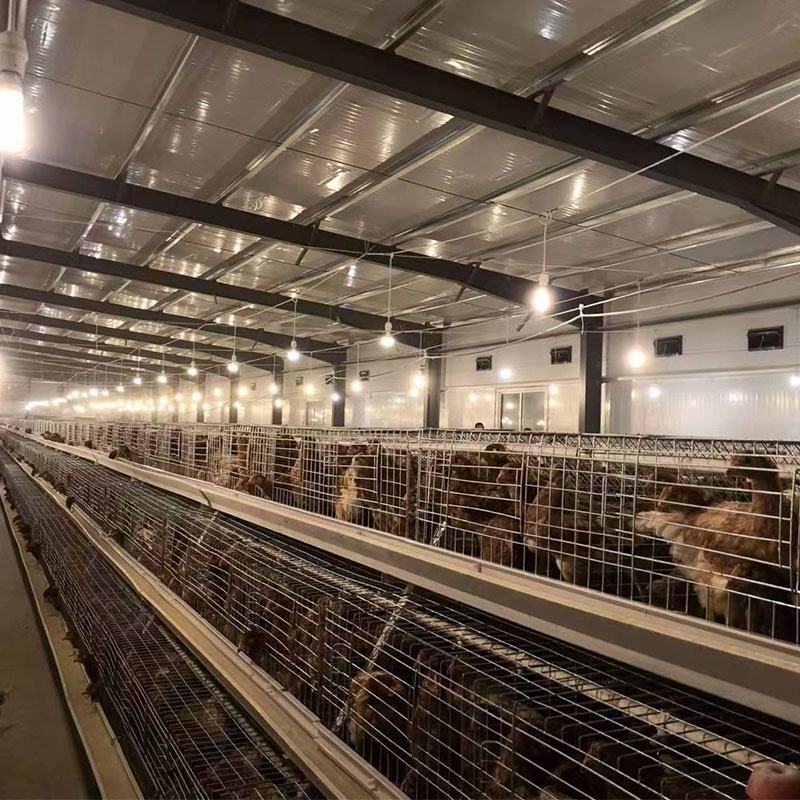
For poultry farmers across Kenya, the morning egg collection represents more than just daily revenue—it’s a tangible measure of their operation’s health and efficiency. The sight of broken eggs, the struggle to reach nests in poorly designed housing, or the tell-tale signs of stress and disease in a flock are constant reminders that the physical…
For poultry farmers who have spent years wrestling with wooden coop rot or watching wire mesh sag under the weight of birds and weather, the shift to a fully iron-based cage system represents a fundamental change in daily operations. This isn’t merely a different material; it’s a re-evaluation of what a chicken coop can be.…
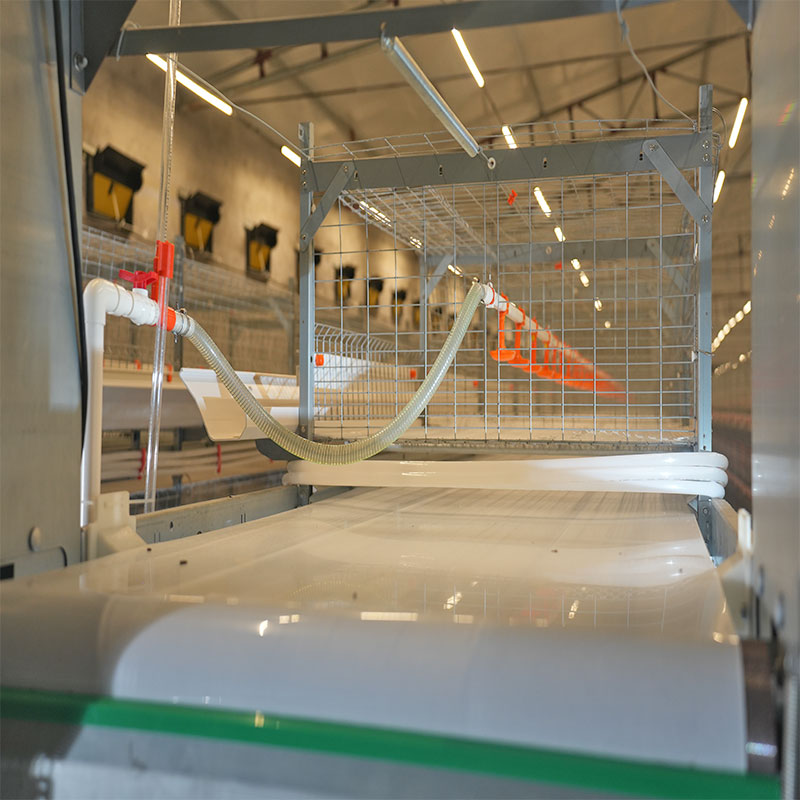
The rhythmic clucking starts low in the corner of the coop, a persistent, guttural sound you’ve come to recognize instantly. You find her there, puffed up like a feathered bowling ball, planted firmly over a nest of eggs—most of which are wooden decoys she’s commandeered. She hasn’t left for food or water in two days.…
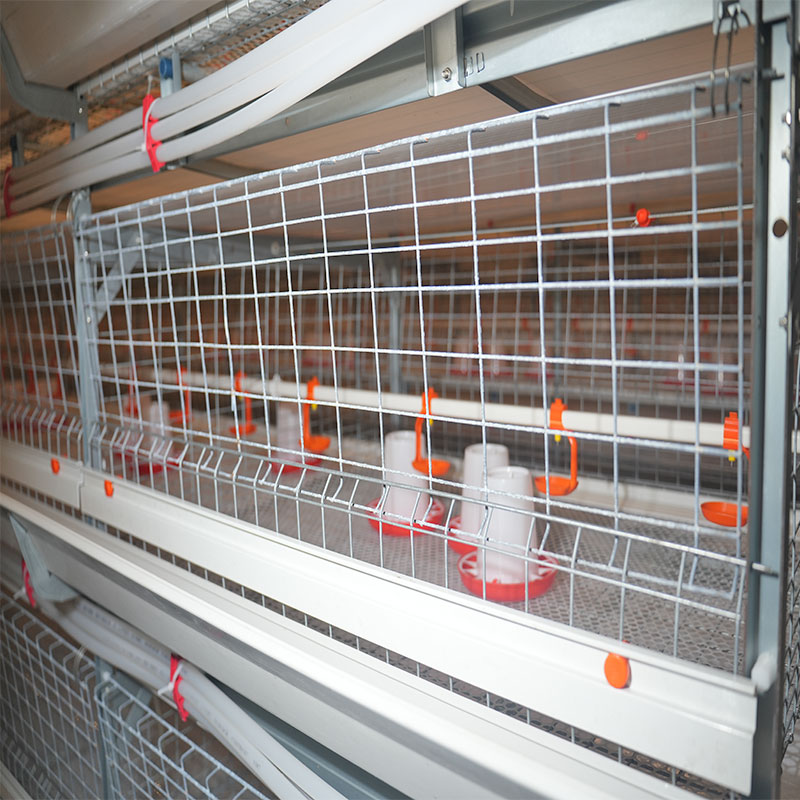
The early weeks of a pullet’s life set the stage for her entire laying cycle. Get it wrong, and you’ll be managing poor uniformity, delayed onset of lay, and behavioral issues for months. Get it right, and you have a flock primed for peak productivity, robust health, and a longer, more profitable lay. The choice…
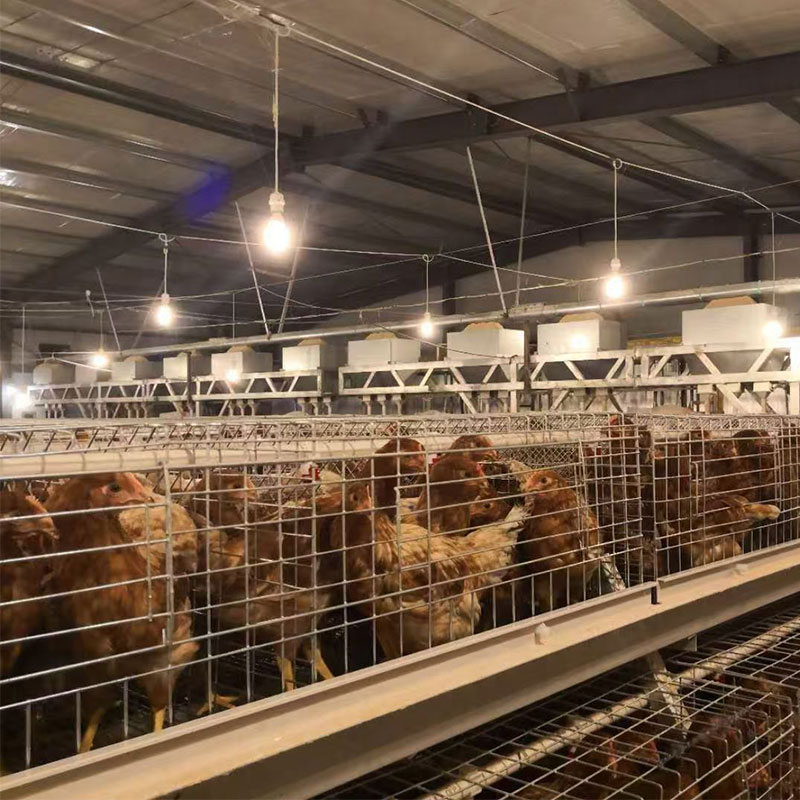
The transition from brooding to laying represents one of the most critical phases in a poultry operation. The housing and management decisions made for pullets—young female chickens not yet old enough to lay—directly dictate flock uniformity, the age at which they reach peak production, and the overall health and longevity of the birds. For decades,…
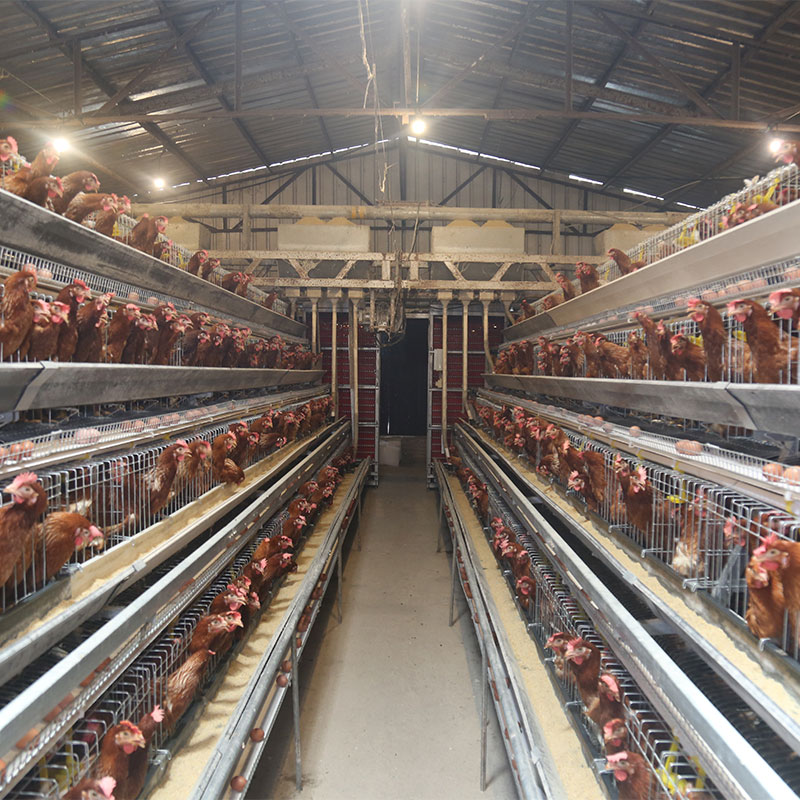
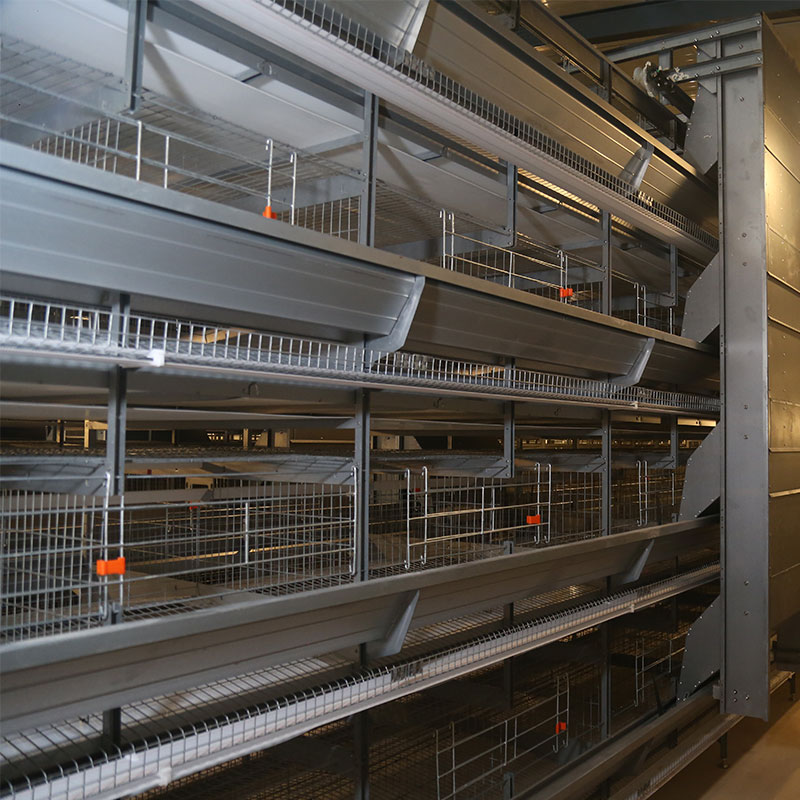
The steel frame rises four tiers high, a clean-lined structure waiting for its inhabitants. For the poultry farmer eyeing the transition from pullet to layer, this is more than just metal and mesh; it’s the foundational environment where a flock’s future productivity is determined. The H Type Pullet Cage system represents a significant departure from…

 WeChat:+8617838608255