
For poultry farmers weighing the transition from traditional housing to more extensive systems, the decision often hinges on finding infrastructure that balances animal welfare with operational efficiency. The large outdoor breeding cage system, designed for species ranging from chickens and ducks to more substantial animals like geese, peacocks, and even livestock guardian dogs, represents a…
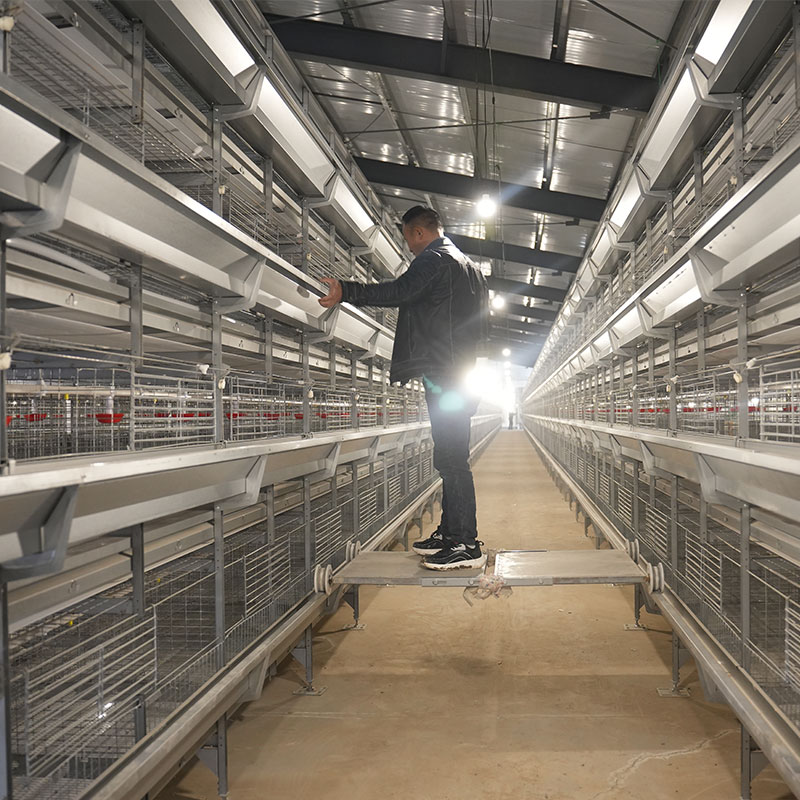
For poultry farmers weighing the decision between new and used equipment, the 3-layer chicken layer cage with manure belt represents a significant infrastructure investment that directly impacts daily operations and long-term profitability. These vertically stacked systems, designed to house laying hens across three levels, create a controlled environment where feeding, watering, egg collection, and manure…
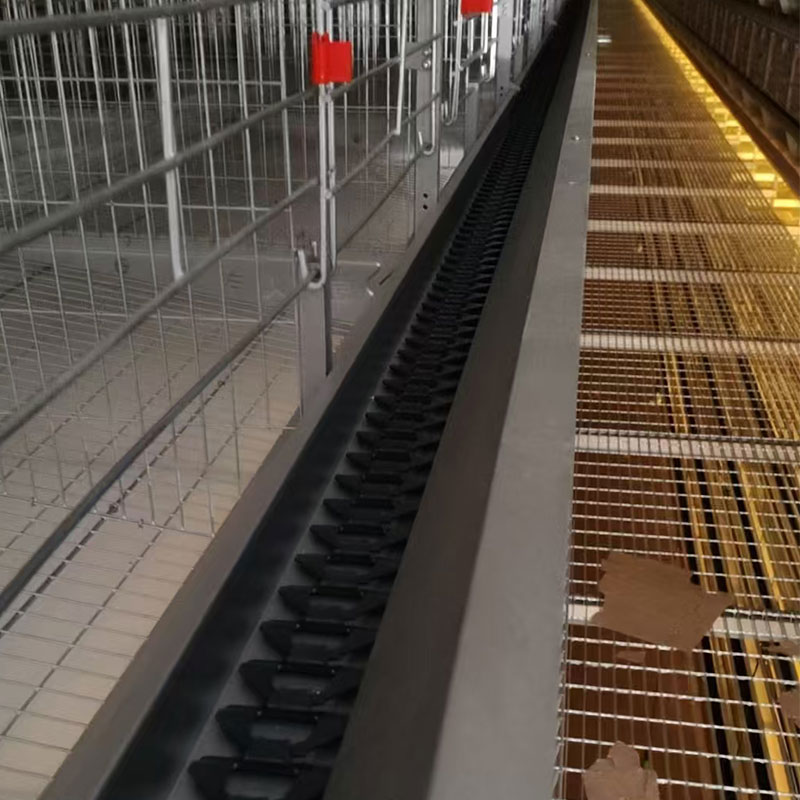
For poultry farmers, the decision of which layer cage system to install is one of the most significant financial and operational choices they will make. It’s a long-term investment that impacts daily labor, bird welfare, feed conversion, and ultimately, the bottom line for years to come. Amidst the various options, one model consistently emerges as…
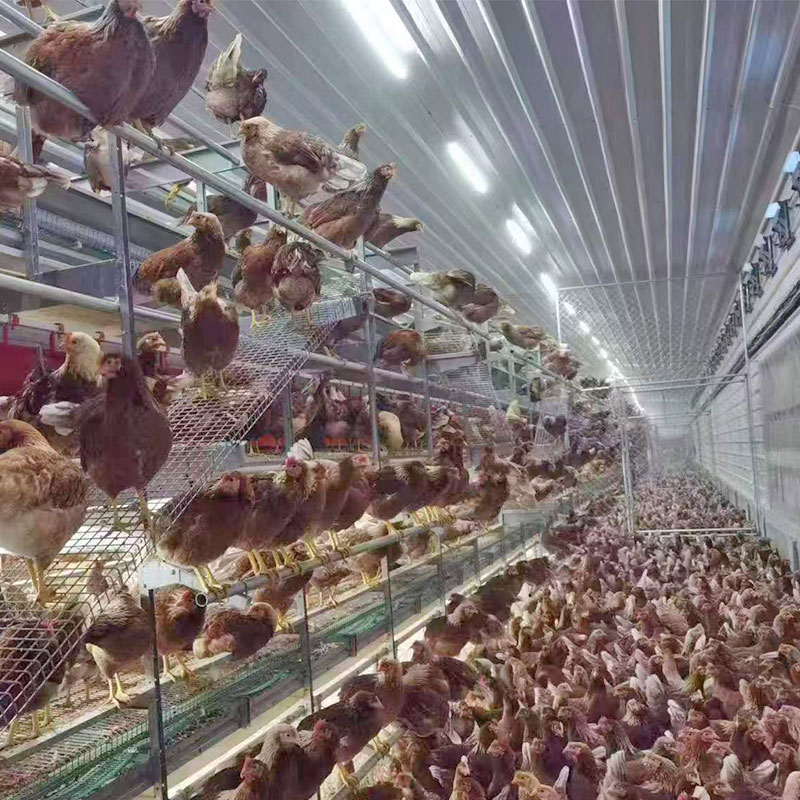
The daily rhythm of a modern layer operation is dictated by one central piece of infrastructure: the cage system. It is the foundation upon which bird health, labor efficiency, and ultimately, profitability are built. The transition from traditional A-frame or manual systems to more sophisticated designs represents a significant step forward, and the H-Type battery…
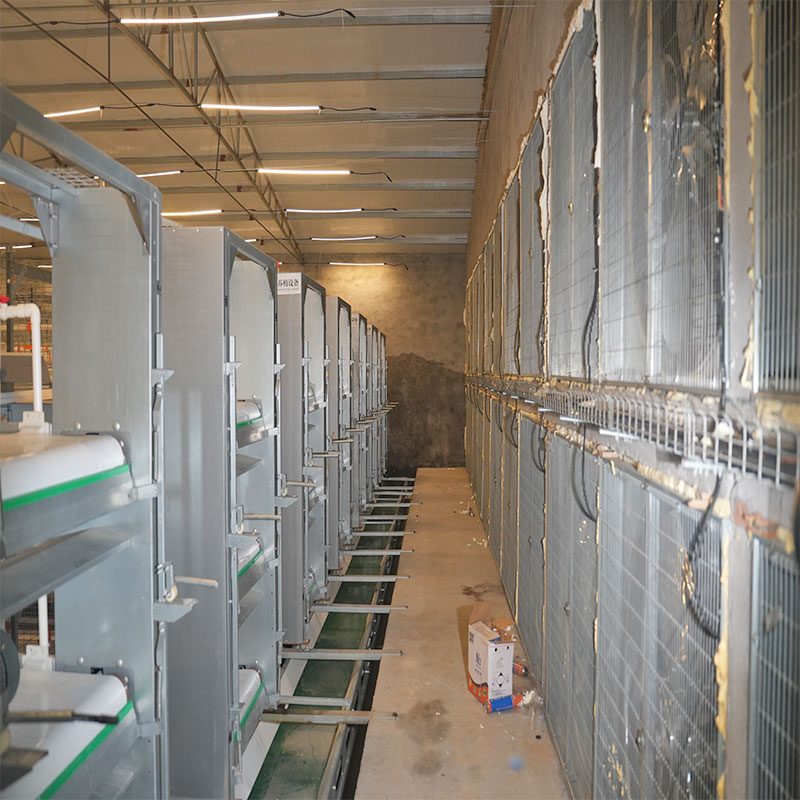
The modern poultry farm operates on precision. Every square foot, every calorie of feed, every hour of labor must be justified by a return in healthy, market-weight birds. For broiler producers, the choice of housing system sits at the core of this efficiency equation. While open-floor barns have long been a standard, the adoption of…

The morning feeding run tells you everything about a layer operation. The difference between a farm that hums with quiet efficiency and one that crackles with frantic energy often comes down to the hardware. The choice of a cage system isn’t just about buying equipment; it’s about investing in the framework that will dictate daily…
The morning feed run tells the story long before the egg counters do. When birds scramble for position at the trough, their feathers matted and wings clipped by the confines of their environment, you’re not just seeing a feeding frenzy; you’re watching profit margins erode. For decades, the A-frame cage was the undisputed workhorse of…
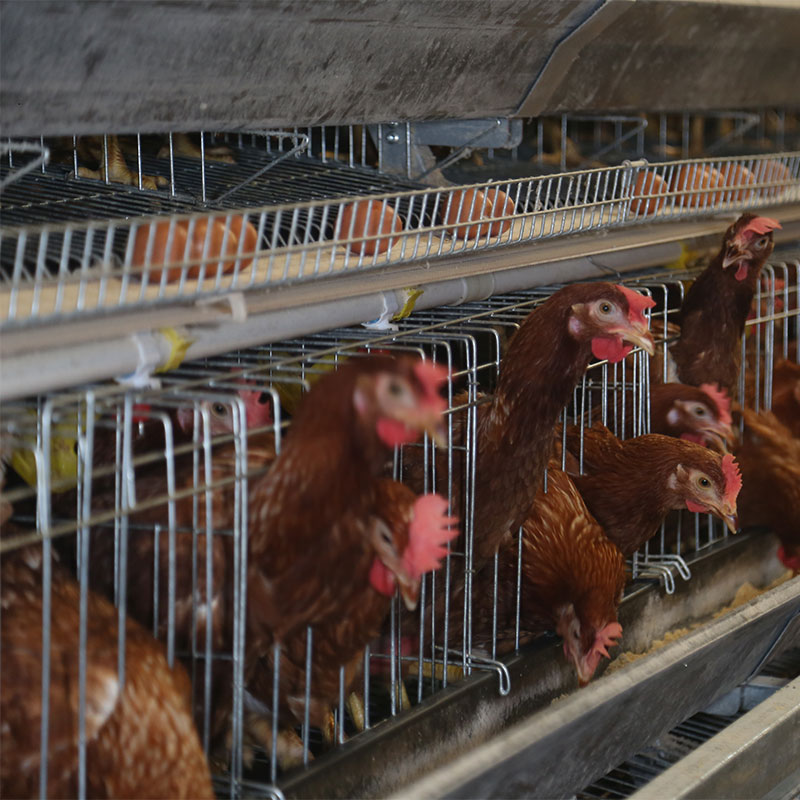
The rhythmic clucking of contented hens echoes through the barn, a sound that signifies more than just animal presence—it signifies operational efficiency, bird health, and ultimately, profitability. For the modern poultry farmer specializing in egg production, the decision of which housing system to implement is foundational. The layer cage system remains a dominant force in…
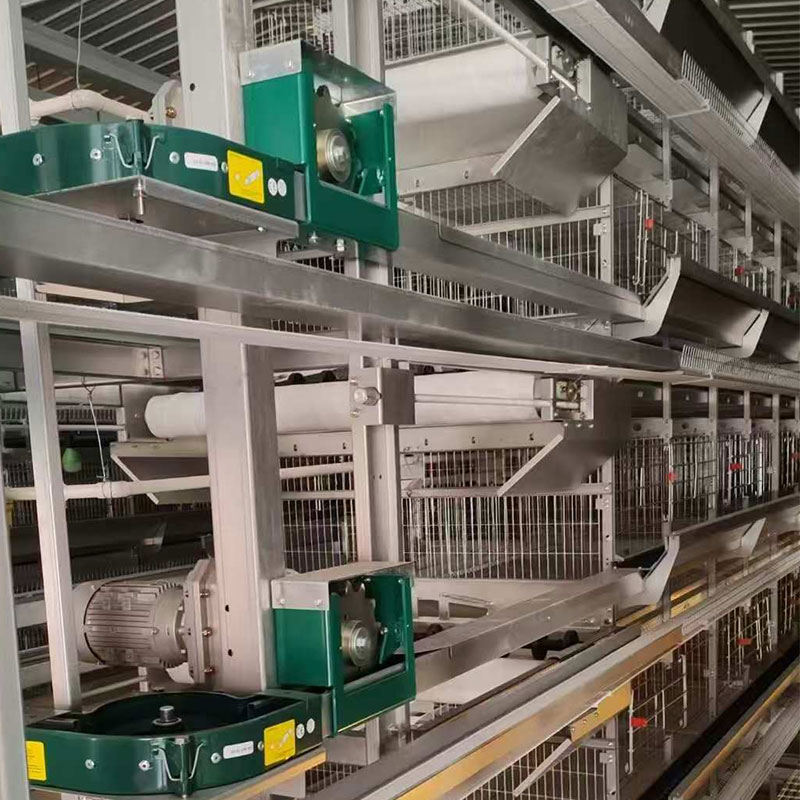
For decades, the image of poultry farming was defined by the floor pen. It’s a familiar system: birds moving freely on a litter-covered floor, with feeders and waterers scattered throughout the space. It works, but it presents a constant battle against waste, disease, and inefficient space utilization. A farmer might house 500 birds in a…

The financial weight of a new layer cage system sits squarely on the shoulders of every poultry farmer considering an upgrade or expansion. The question isn’t just “what does it cost?” but “what am I really paying for, and what will it return?” The price tag on a set of chicken layer cages is a…

 WeChat:+8617838608255