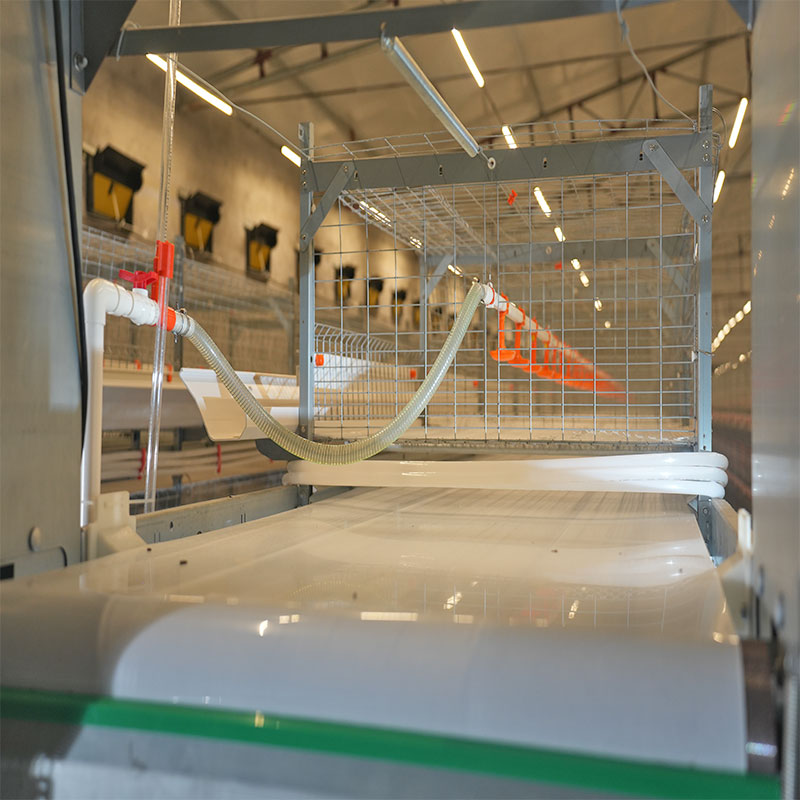
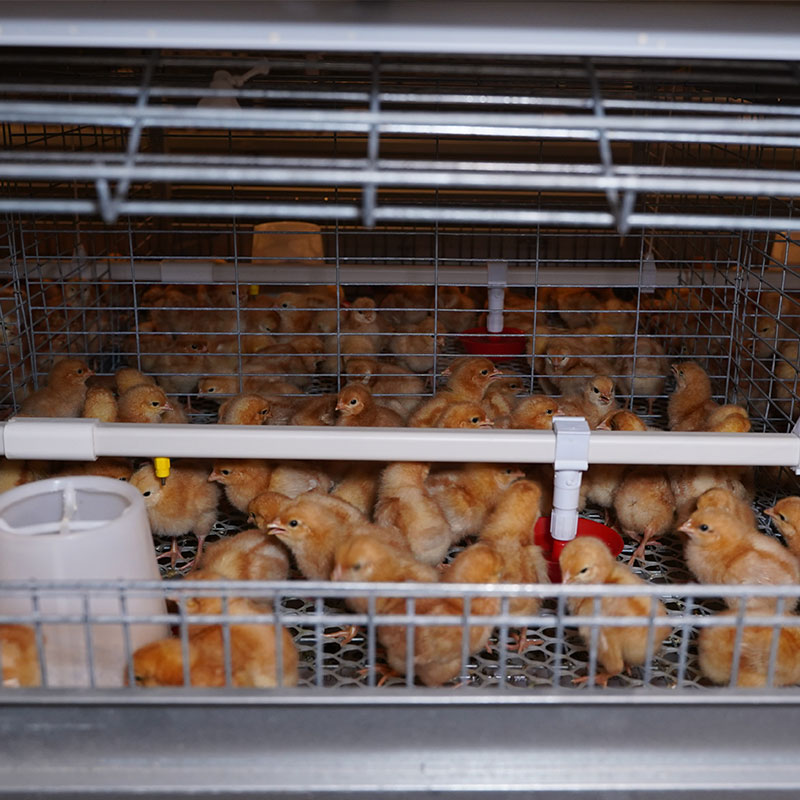
The morning feed run used to mean two hours of dragging buckets through dust and feathers, watching half the ration get trampled while the stronger chicks bullied their way to the trough. This daily struggle isn’t just labor; it’s profit leaking onto the floor. For poultry farmers focused on raising chicks from day-old to pullet,…
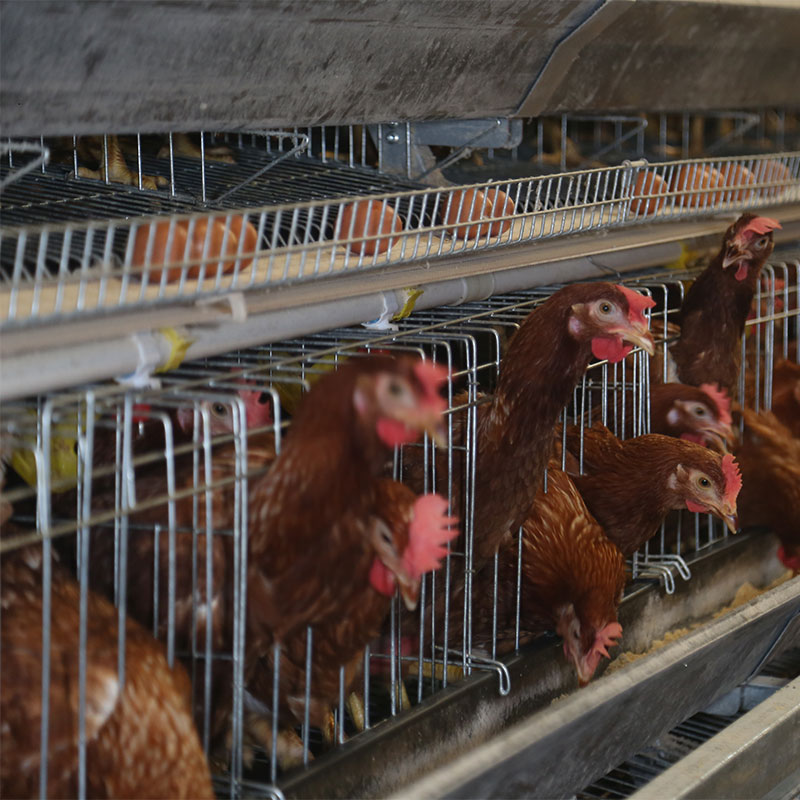
For poultry farmers considering expansion or infrastructure upgrades, the choice of housing system represents one of the most consequential financial and operational decisions. The shift from traditional brick-and-mortar construction to modern prefabricated light steel structures is not merely a change in materials; it is a fundamental rethinking of how a farm building should perform. These…
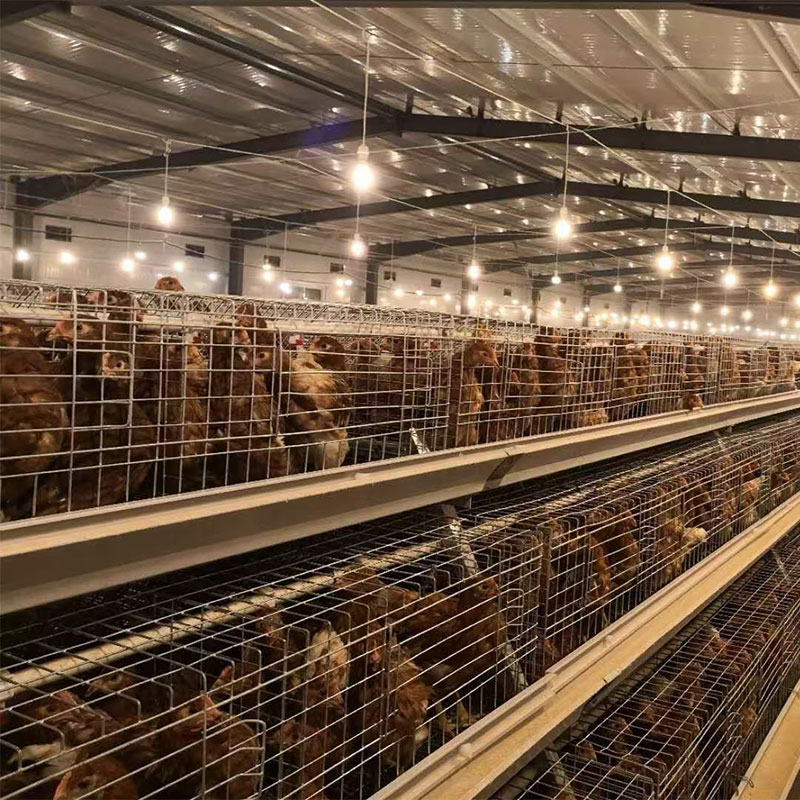
For poultry farmers, the physical infrastructure of a farm is not just a boundary; it is a critical management tool that influences animal welfare, operational efficiency, and long-term profitability. The choice of fencing and enclosure material is a foundational decision, one that reverberates through daily chores, bird health, and the balance sheet. While traditional materials…
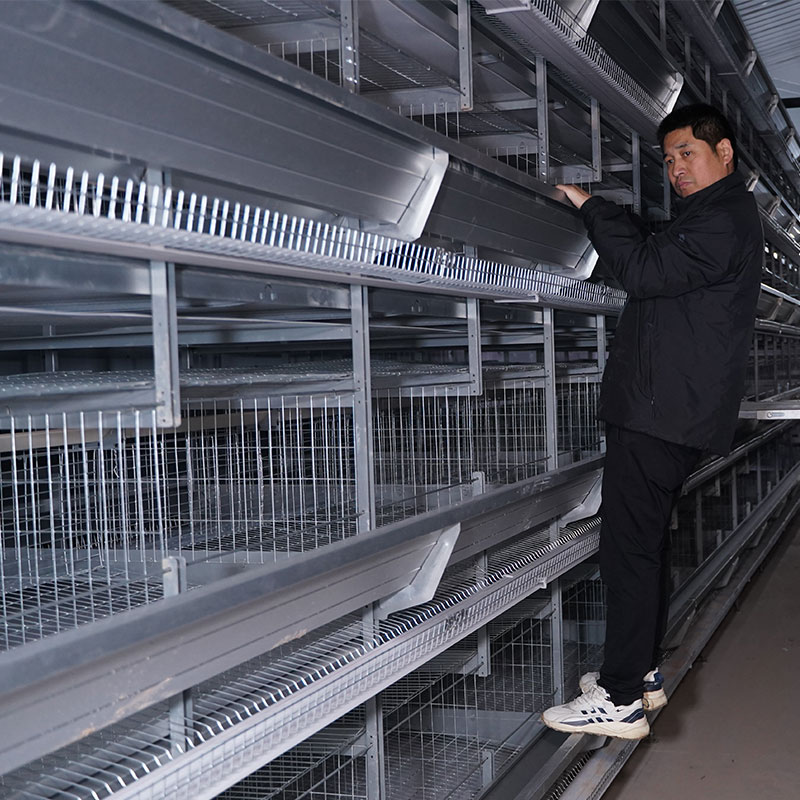
For poultry farmers watching feed costs climb while labor availability shrinks, the decision to transition to a full automatic layer cage system is no longer a question of if, but when. This technology moves beyond simply housing birds to creating an integrated environment where every element—feeding, watering, climate, and egg collection—works in concert to maximize…
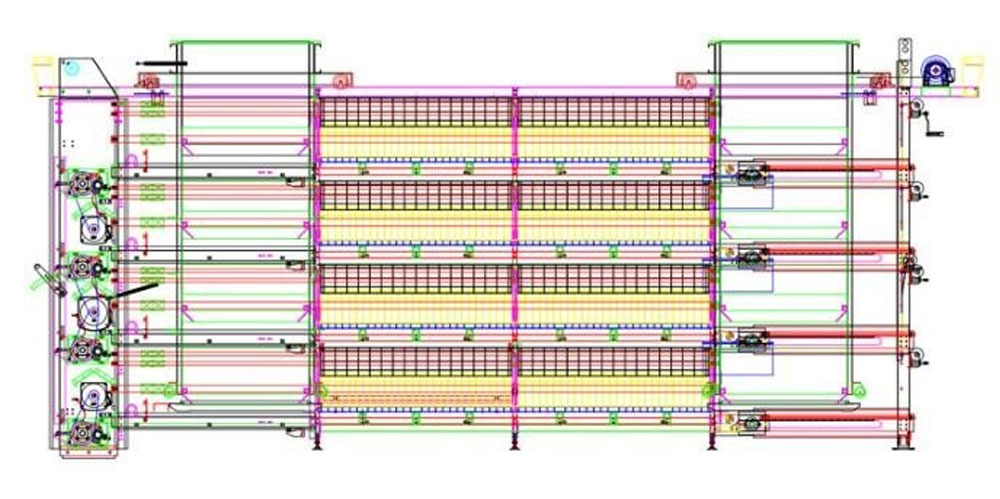
For poultry farmers navigating the ever-present pressures of efficiency and bird welfare, the physical infrastructure of the layer house represents one of the most critical long-term investments. The choice of cage system is not merely a purchase; it is the selection of the foundational environment where productivity, health, and operational costs are determined daily for…
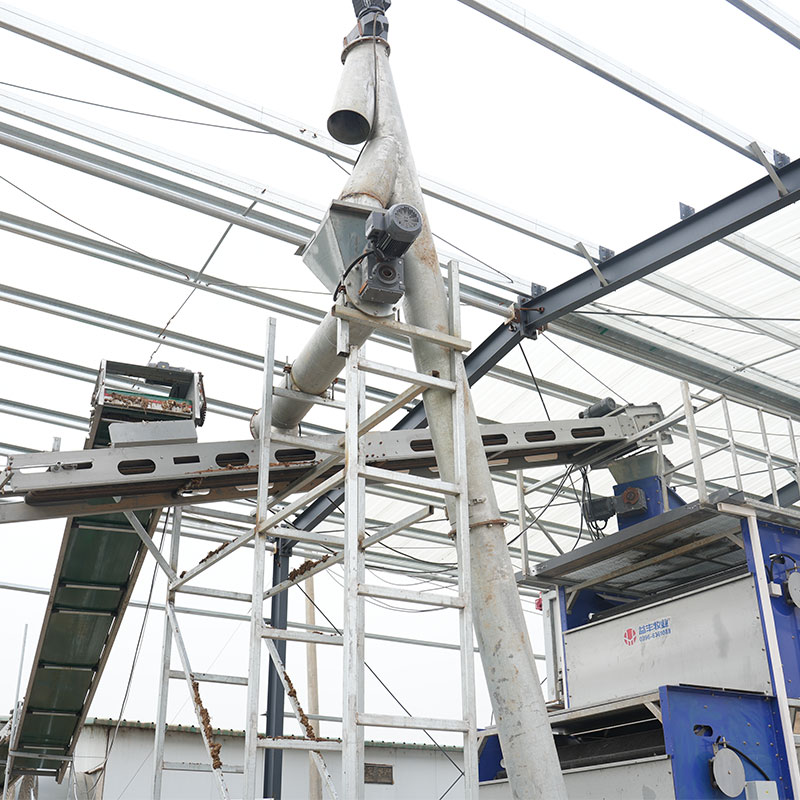
For generations, the backbone of small-scale poultry farming has been the wooden coop. It’s a familiar sight: a simple structure offering shelter, a place to roost, and a modicum of security. But as we move further into 2024, the expectations for what a wooden coop can and should be have evolved dramatically. The modern poultry…
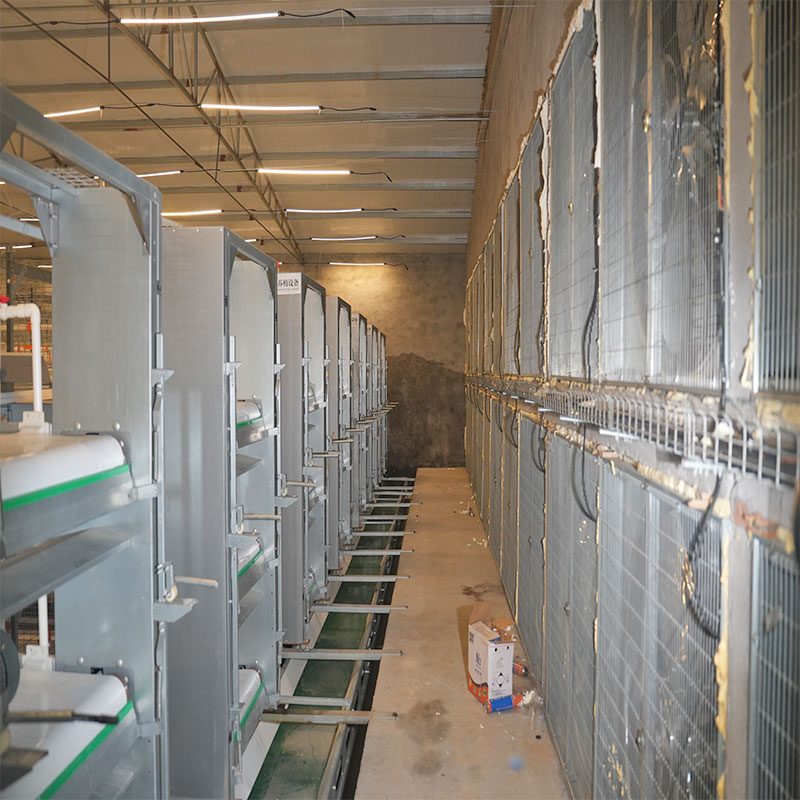
Revolutionizing Layer Management: The 96-Bird A-Type Automatic Cage System For generations, poultry farmers have navigated the delicate balance between bird welfare, labor costs, and production efficiency. The traditional image of hens roaming a dusty floor is, for many commercial operations, a picture of the past—a system fraught with challenges like high labor requirements, difficulty in…
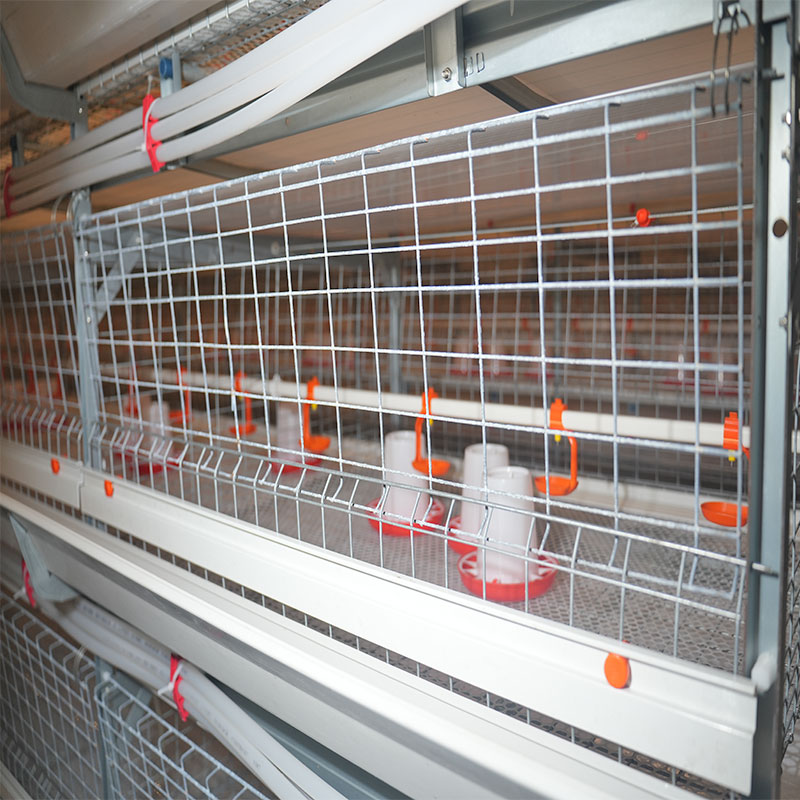
The first 72 hours after hatch are the most critical period in a broiler’s life. The transition from the controlled, warm, and secure environment of the hatchery to the farm is a profound shock to the chick’s system. Its ability to navigate this transition successfully—to find feed, locate water, and maintain body temperature—directly dictates the…
The financial commitment to pullet cages represents one of the most significant upfront investments a poultry farmer will make. Unlike a piece of machinery that might be replaced after a decade, a well-constructed cage system forms the very backbone of the rearing operation for 15 years or more. The price tag on a quote is…
The financial weight of a broiler cage system sits at the core of nearly every expansion or upgrade decision a poultry farmer will make. It’s a figure that can dictate cash flow, influence bird performance, and ultimately, determine the long-term viability of an operation. But focusing solely on the initial invoice price is perhaps the…

 WeChat:+8617838608255