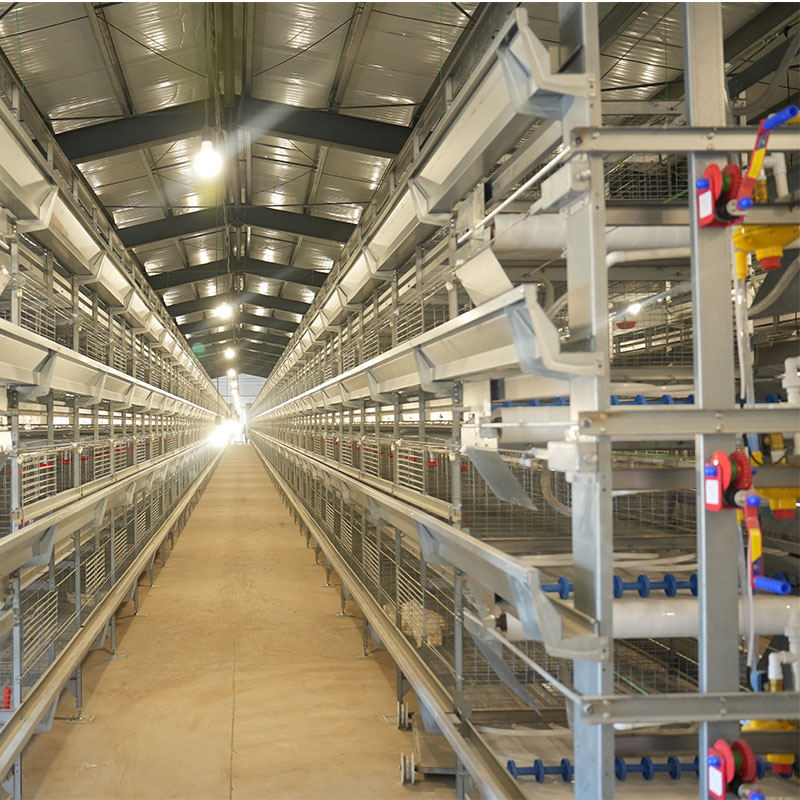
For poultry farmers, the physical infrastructure surrounding their flocks often determines the difference between profit and loss. The choice of housing and containment isn’t merely about creating a barrier; it’s about establishing a secure, durable, and manageable environment that supports animal welfare and operational efficiency. Among the various options, systems constructed from hot-dipped galvanized hexagonal…
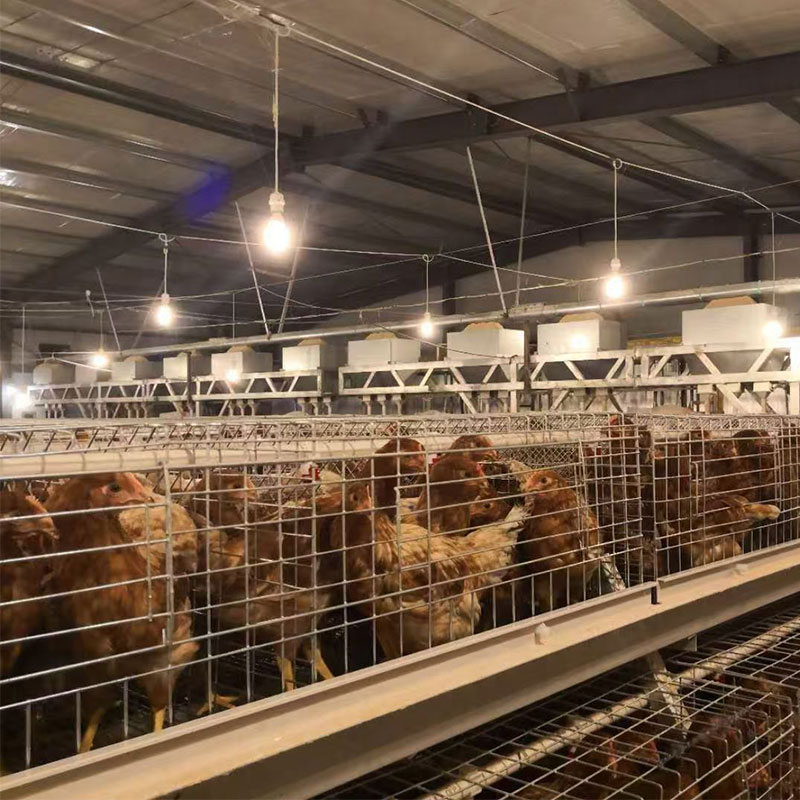
For poultry farmers accustomed to the rigid demands of chicken coops and broiler houses, the concept of a portable, ornamental cage might seem like a departure from standard practice. However, the operational principles behind well-designed parrot villas offer significant, transferable benefits for small-scale poultry operations, specialty bird rearing, and farm diversification. These systems are not…
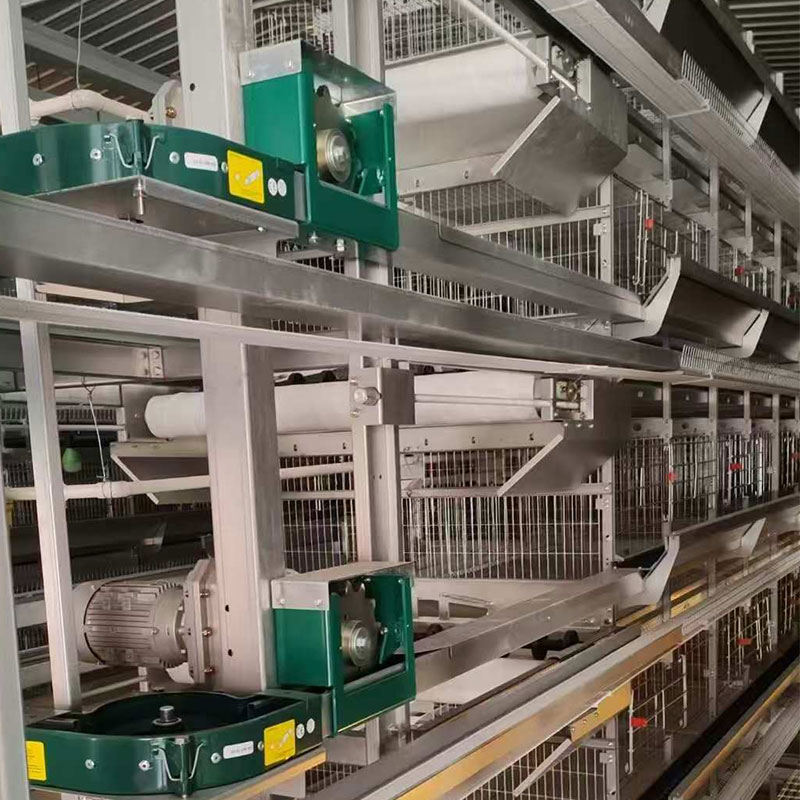
The Unseen Engine: How Modern Walk-In Steel Coop Systems Transform Poultry Operations For generations, the image of a chicken coop has been relatively static in the minds of farmers: a rustic, often drafty wooden structure requiring constant repair and offering limited protection. While charming, this traditional model often falls short in the face of modern…

The first 48 hours after your chicks arrive are the most critical in their entire lifecycle. They’ve just been transported from the controlled environment of the hatchery, and they’re vulnerable—cold, stressed, and in need of immediate, consistent care. How you manage them during this period sets the trajectory for their future growth, feed conversion, and…
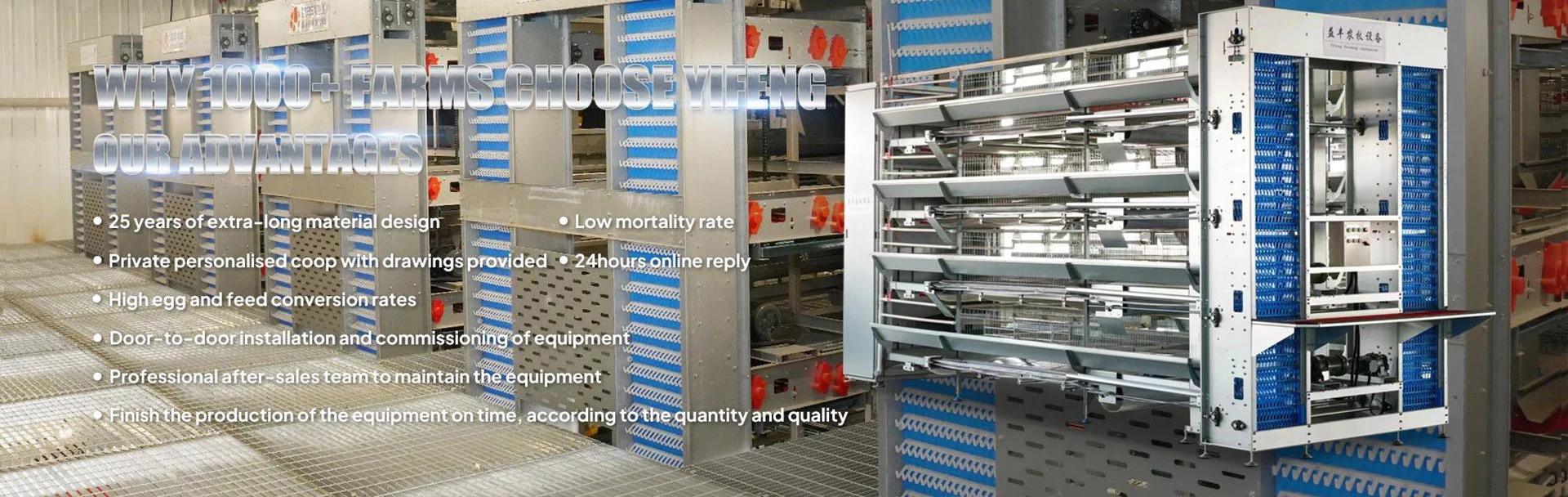
The morning chill still hangs in the air, a reminder that despite the calendar’s claim of spring, the world outside isn’t ready for your newest arrivals. You’ve just unboxed five hundred day-old chicks, a pulsing mass of downy vulnerability. Their cheeps are not yet the confident clucks of the layers they will become; they are…
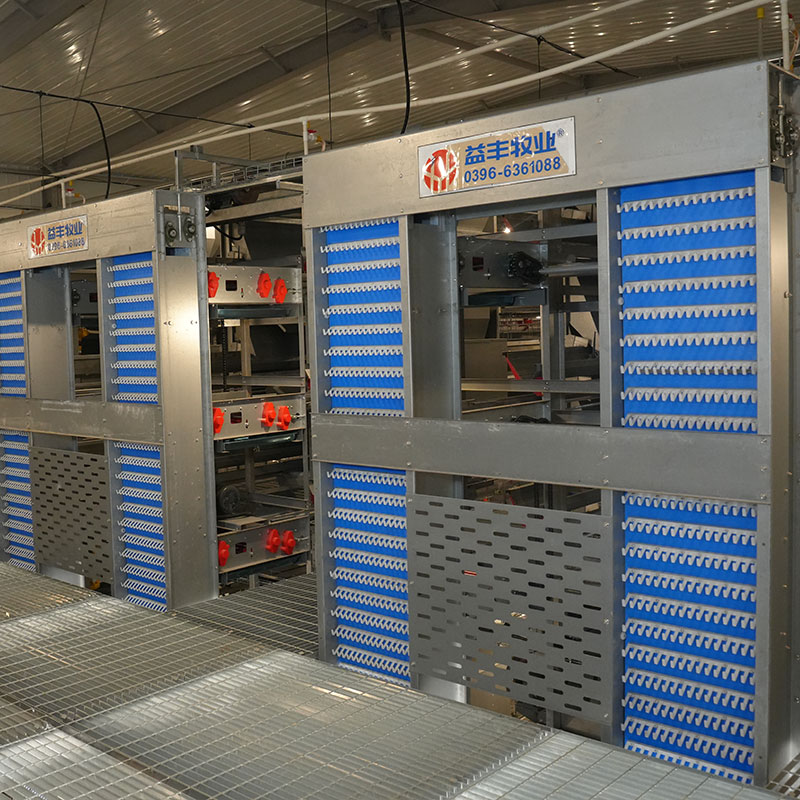
The morning feed run used to take two hours. By the time you finished the last row, the birds at the beginning were already done, some already pushing at empty troughs, others not having gotten their fair share. The uneven growth rates, the feed wastage from frantic competition, the labor—it was the accepted grind of…
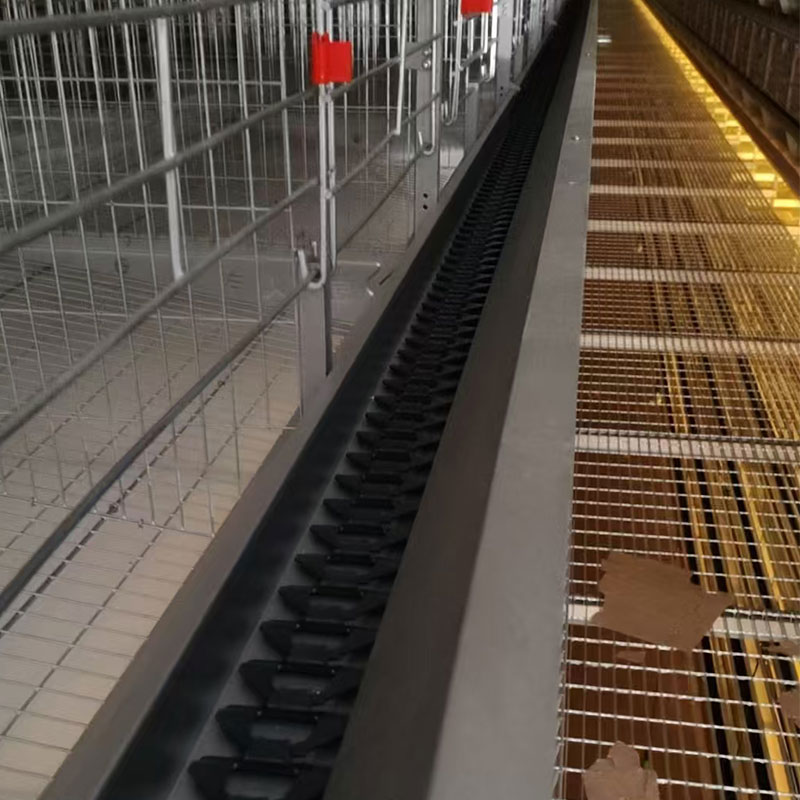
The modern poultry operation runs on precision. Every square foot of floor space, every minute of labor, and every calorie of feed must be accounted for to maintain a viable business. For decades, farmers have sought ways to maximize their output without exponentially increasing their input costs or physical footprint. The single-layer floor pen, while…
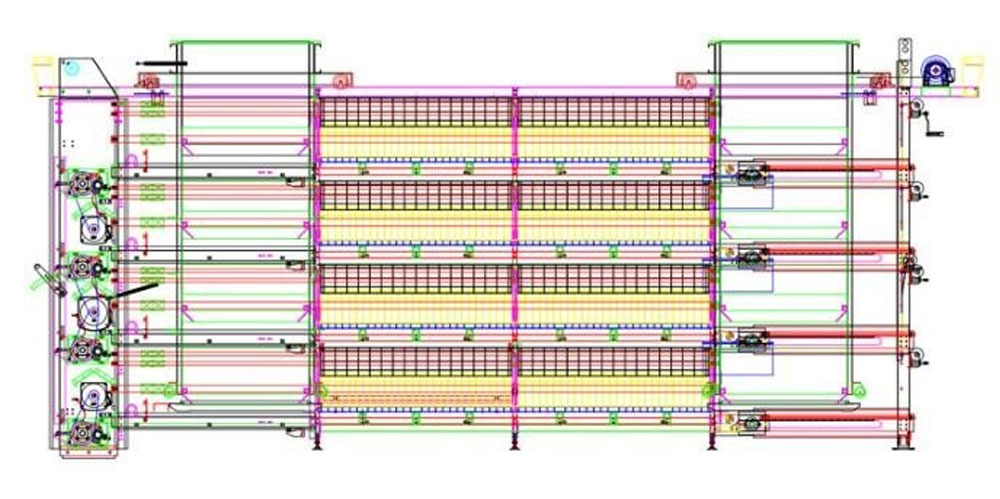
The morning feed run tells the story. On one farm, it’s a two-hour marathon of wrestling with heavy troughs, navigating muddy lots, and watching valuable feed get trampled into the ground. On another, it’s a thirty-minute circuit of checking automated lines, observing content birds, and collecting clean eggs from rolling belts. The difference isn’t just…
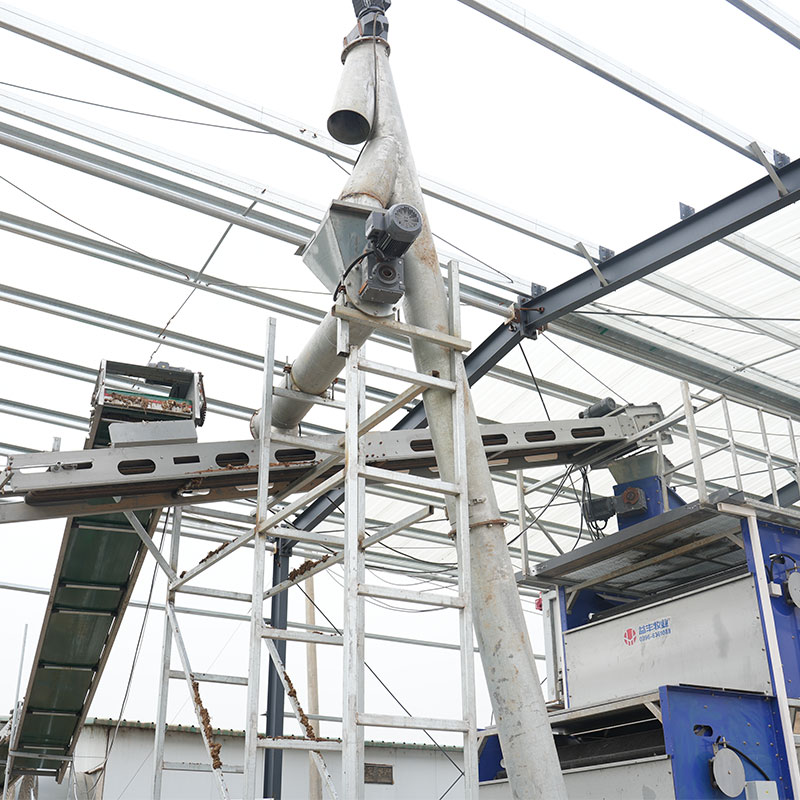
The morning feed run tells the story. For a poultry farmer using older cage systems or floor rearing, it begins with the sound of scrambling, the sight of dust and feathers kicked up by a thousand hungry birds, and the physical strain of navigating a narrow walkway with a heavy cart. For a farmer using…
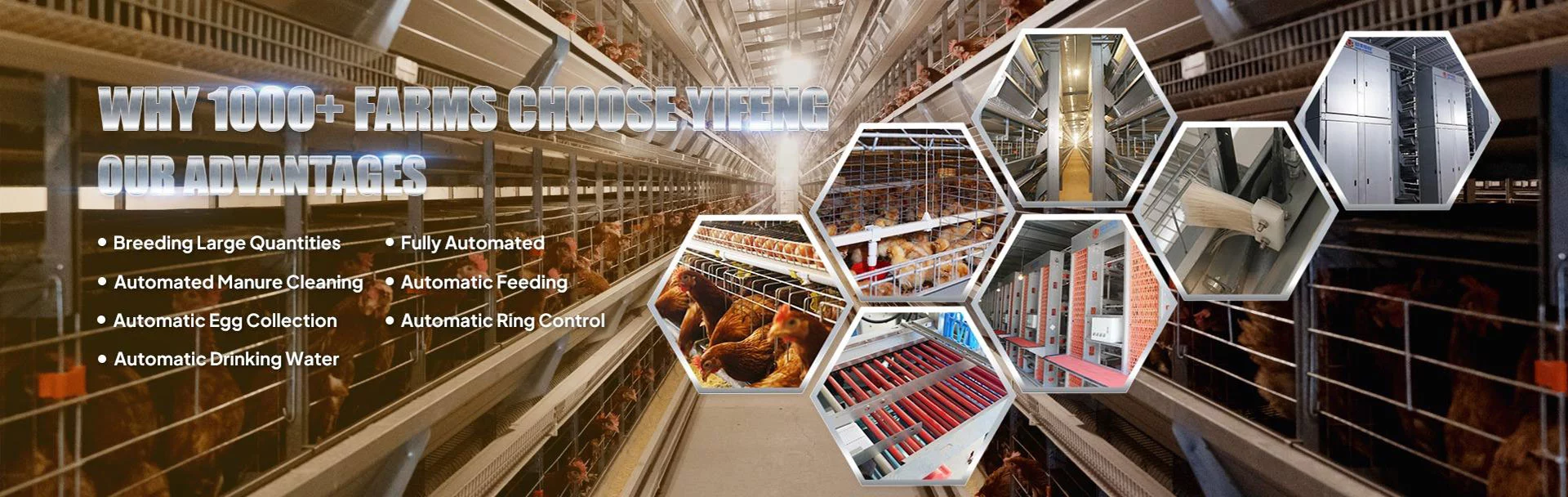
The financial investment in chicken cages represents one of the most significant and long-term decisions a poultry farmer will make. The initial price tag is merely the entry point into a complex calculation that involves durability, bird welfare, labor efficiency, and ultimately, the profitability of your entire operation. Understanding what drives the cost of these…

 WeChat:+8617838608255