
The Ultimate Guide to Battery Cages for 1,000 Layers: Costs, Systems, and Ethical Considerations Introduction: Understanding the Scale of 1,000Layer Poultry Farming Managing a flock of 1,000 laying hens is a significant undertaking that sits at the intersection of commercial viability and smalltomediumscale farming. For decades, the battery cage system has been the dominant housing…
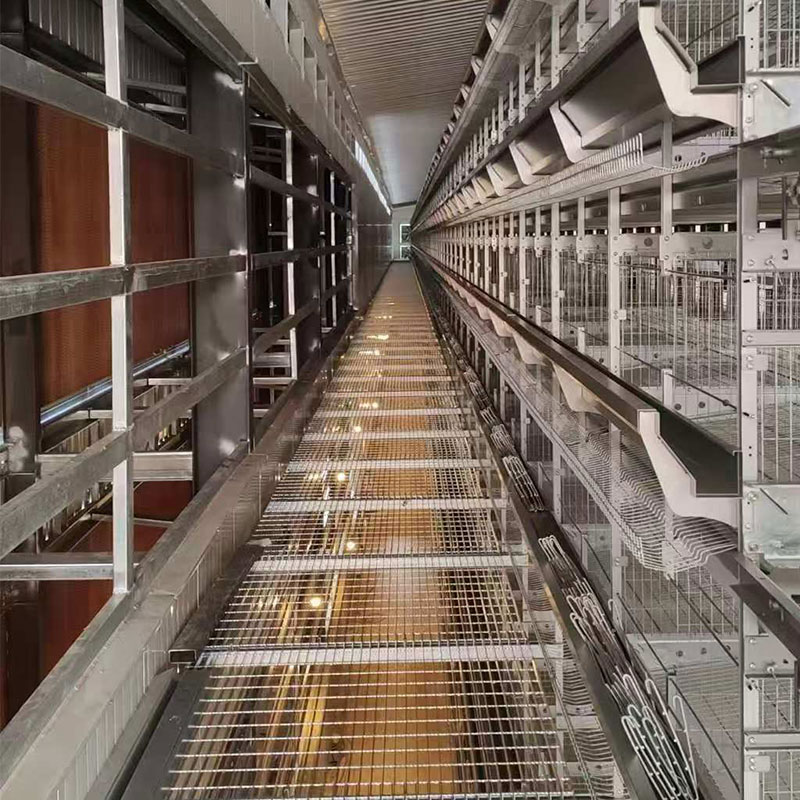
Layer Cage for Chicken: The Ultimate Guide to Modern Poultry Farming Introduction For poultry farmers navigating the transition from traditional to modern farming or scaling their operations, the choice of housing system is a critical decision that impacts productivity, bird welfare, and profitability. Among the most efficient and widely adopted systems globally is the layer…
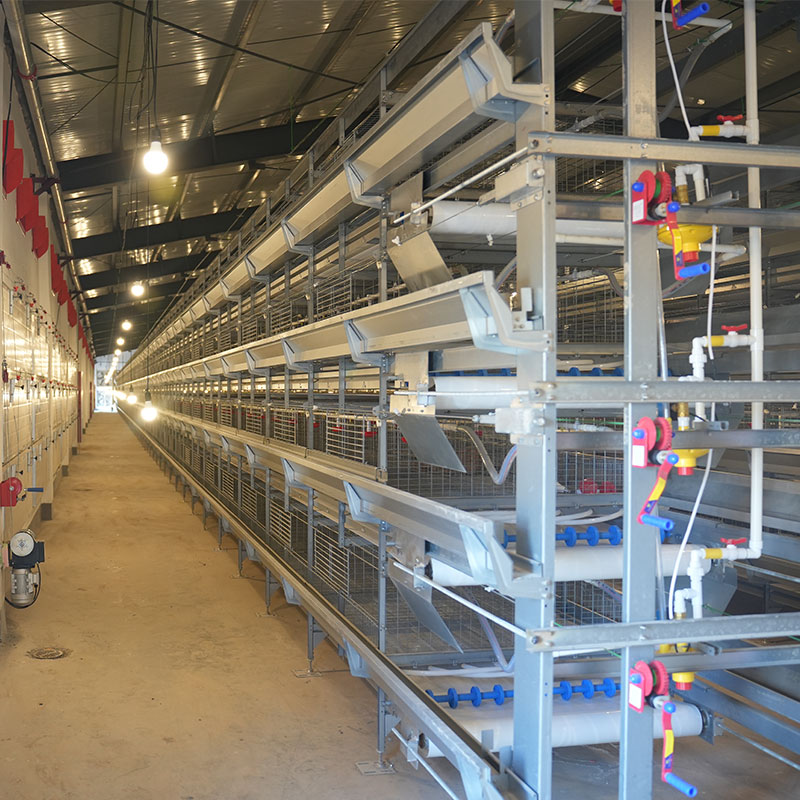
The Ultimate Guide to Layer Cages: Choosing the Right Type for Your Poultry Farm Introduction For modern poultry farmers, the choice of housing system is one of the most critical decisions impacting bird welfare, productivity, and operational efficiency. Among the various options, layer cages stand out as a predominant system for commercial egg production worldwide.…
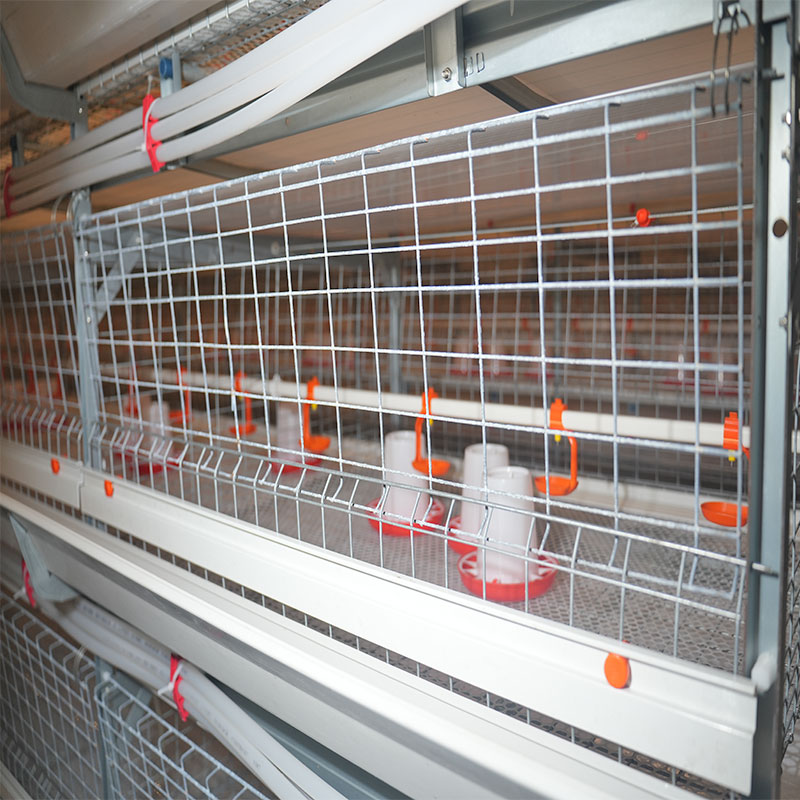
Poultry Transport Crates: The Complete Guide to Safe, Efficient, and Humane Bird Handling Introduction Every link in the poultry supply chain is critical, but perhaps none is as physically consequential for the bird as transport. The journey from farm to processing plant or live market is a period of significant stress, impacting not only animal…
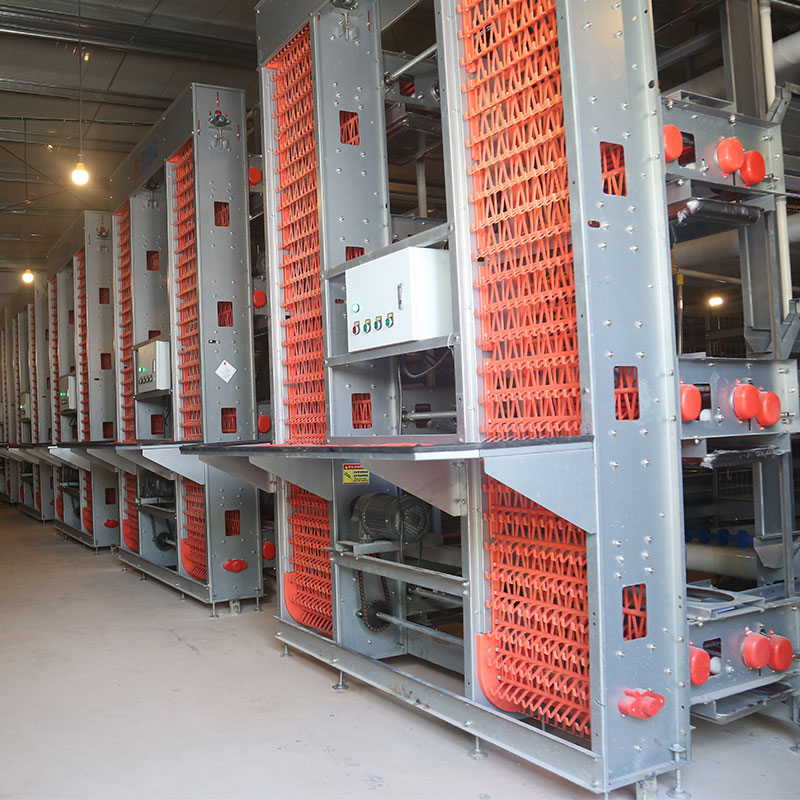
1. PAINPOINT DRIVEN OPENING Are you facing persistent challenges in scaling your poultry operation while maintaining bird health and operational efficiency? Traditional building methods for commercial chicken houses often lead to significant delays, budget overruns, and design limitations that impact your bottom line. Consider these common operational hurdles: Extended Construction Downtime: Conventional builds can take…
For poultry farmers weighing the decision between new and used equipment, the 3-layer chicken layer cage with manure belt represents a significant infrastructure investment that directly impacts daily operations and long-term profitability. These vertically stacked systems, designed to house laying hens through their production cycle, present distinct advantages and considerations whether purchased fresh from the…
For poultry farmers considering the transition to cage systems, the A-type battery cage represents a significant evolution in layer management. Its distinctive pitched-roof design isn’t merely for aesthetics; it creates a multi-tiered structure that dramatically increases bird density within the same floor space compared to flat-deck or free-range systems. Imagine a shed that previously housed…
For poultry farmers walking their operations at dawn, the sight of damaged enclosures triggers immediate calculations. A torn section of galvanized wire mesh means more than just repair work—it’s a direct threat to flock security, a potential vector for disease from wild birds, and a recurring expense that chips away at profitability. The choice of…
For poultry farmers, the perimeter fence represents the first and most crucial line of defense. It’s the barrier that separates a thriving, productive flock from a host of external threats. While many materials are available, hexagonal galvanized mesh, commonly known as chicken wire, has remained a staple on farms for generations. Its application, however, extends…
For poultry farmers considering housing upgrades, the Spot Goods wooden chicken coop system represents more than just shelter—it’s a functional environment where animal behavior, farmer workflow, and outdoor conditions intersect. These units, often combining poultry and rabbit housing, are designed to merge the durability of treated wood with practical cage layouts that influence daily flock…

 WeChat:+8617838608255